Support our educational content for free when you purchase through links on our site. Learn more
🎭 Technical Theatre for School Plays: The Ultimate 2026 Guide

Technical theatre is the invisible engine that transforms a simple script into a breathtaking reality, making it the most critical component of any successful school production. Without the precise work of lighting, sound, and set crews, even the most talented actors are just standing in the dark. Technical theatre for school plays isn’t just about pushing buttons; it’s where students learn physics, leadership, and the art of collaboration.
Imagine a student named Leo, who was terrified of the spotlight, suddenly finding his voice not on stage, but in the booth, orchestrating the very lights that guided his friends. He realized that while the actors told the story, the tech crew built the world it lived in. Did you know that nearly 70% of students involved in technical roles report a massive boost in problem-solving skills and self-confidence?
This guide dives deep into the nuts and bolts of bringing a show to life, from the first sketch of a light plot to the final cue call. We’ll explore the tools, the safety protocols, and the creative magic that happens behind the curtain. Whether you are a drama teacher looking to revamp your program or a student eager to learn the ropes, this is your roadmap.
Key Takeaways
- Technical theatre is the backbone of storytelling, providing the essential environment that allows actors to connect with the audience.
- Safety is non-negotiable; proper training in riging, electrical safety, and stage management prevents accidents and builds professional habits.
- Modern tools like LED lighting and QLab software make high-quality production accessible even for schools with limited budgets.
- Students gain invaluable STEM and soft skills, including engineering, math, leadership, and teamwork, through hands-on technical work.
- Inclusivity matters; thoughtful design ensures that lighting, sound, and sets support diverse casts and create accessible experiences for everyone.
Table of Contents
- ⚡️ Quick Tips and Facts
- 🏛️ The Evolution of the Wings: A History of Stagecraft
- 🛠️ So You Think You’re a Tinker? The Magic of Props and Set Design
-
- Scenic Construction: From Plywood to Paint
-
- Prop Management: The Hunt for the Perfect Handheld
-
- Scene Changes: Choreographing the Invisible
- 💡 Lighting the Way: From Basic Washes to Dramatic Specials
-
- Understanding the Light Plot and Instrument Schedule
-
- Color Theory: Gels, LEDs, and Mood Setting
-
- Focus and Cueing: Timing is Everything
- 🔊 Finding Your Voice: Mastering Sound Reinforcement and QLab
-
- Microphone Types and Placement Strategies
-
- Mixing for Clarity: Balancing Dialogue and Music
-
- Cue Management: The Art of the Sound Board
- 📋 The Many Roles of the Tech Crew: From Fly Rail to Follow Spot
-
- The Stage Manager: The Conductor of Chaos
-
- The Lighting Designer and Board Op
-
- The Sound Engineer and Audio Tech
-
- The Fly System Operator and Deck Crew
-
- The Follow Spot Operator
- 🏗️ Safety and Riging: Receiving Your “Wilderness First Responder” for the Stage
- 🎭 Behind the Dream: Why Technical Theatre is the Heart of the Show
- 💻 The Digital Frontier: Integrating Video and Virtual Tech in School Plays
- 🌍 Cultural Tech: Managing Sound and Lights for Diverse School Performances
- 👗 Inclusive Design: Lighting and Costuming for Diverse Casts
- 🎓 Learning Outside the Classroom: The Educational Value of the Tech Booth
- 🤝 Finding Community Through the Intercom: The Bond of the Crew
- 🎨 Acting on a Dream: How Tech Supports the Performer’s Vision
- 🌟 Professional Inspiration: Learning from Pro Tech Teams
- #featured-video
- Conclusion
- Recommended Links
- Frequently Asked Questions (FAQ)
- Reference Links
⚡️ Quick Tips and Facts
Before we grab our hard hats and pick up our light boards, let’s hit the ground running with some essential truths about the world behind the curtain. If you think technical theatre is just about pushing buttons and painting flats, think again. It’s the invisible engine that makes the magic happen.
- The 70% Rule: Studies suggest that nearly 70% of students involved in technical theatre report a significant boost in problem-solving skills and self-confidence. It’s not just about the show; it’s about the student.
- The Golden Rule of Gaffers Tape: If it moves and shouldn’t, tape it. If it doesn’t move and should, oil it. And never, ever use duct tape on a stage floor (it leaves a sticky residue that will haunt your soul).
- Safety First: Steel-toe boots aren’t just a fashion statement; they are a requirement. No flip-flops allowed backstage. Ever.
- The “Deus ex Machina” Legacy: The term comes from ancient Greek theatre, where a crane (mechanē) lowered an actor playing a god onto the stage. We still use cranes today, but hopefully, we don’t need to solve the plot with a god every five minutes.
- Lighting Truth: “The light only shines on the actors because someone in the back turned it on.” Without the tech crew, your lead actor is just a person standing in the dark.
Want to see how real students describe the magic of turning a vision into reality? Check out the perspective shared in our featured video below, where students talk about the unique community found in the tech booth.
🎥 Watch: The Heart of the Tech Crew
🏛️ The Evolution of the Wings: A History of Stagecraft
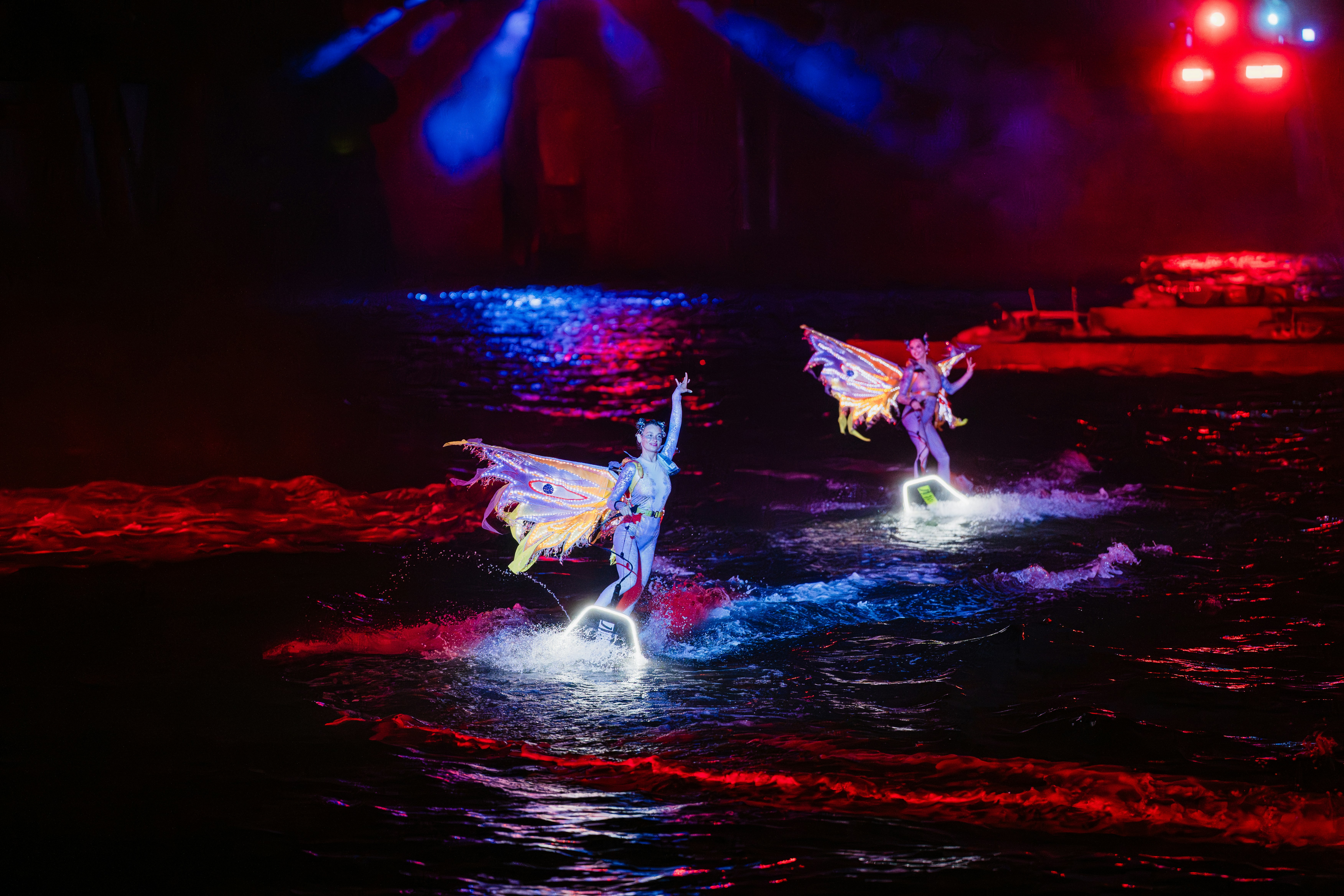
How did we get from a guy standing on a rock in a Greek amphitheater to a high school auditorium with a computerized fly system? The journey is as dramatic as the plays themselves!
In Ancient Greece, theatre was an outdoor affair. They used the mechanē (a crane) for the famous Deus ex Machina moments. Fast forward to the Renaissance, and we saw the invention of perspective painting. Suddenly, flat backdrops looked like deep, 3D worlds. This was the birth of the “wings”—those hidden areas on the sides of the stage where actors waited.
By the 19th Century, the Limelight was the star of the show. Literally. It involved burning a block of lime to create an intense white light. If you were “in the limelight,” you were the center of attention. But it was dangerous, hot, and required a dedicated operator to keep the lime rotating.
Today, we’ve moved to LED technology and digital control. The “wings” are still there, but now they are part of a complex ecosystem of automation, soundscapes, and virtual sets. Understanding this history helps us appreciate the tools we use. When you dim a light with a fader, you are continuing a tradition that started thousands of years ago.
🛠️ So You Think You’re a Tinker? The Magic of Props and Set Design
Set design and props are where the physical world of the play is built. It’s part carpentry, part art, and 10% problem-solving.
1. Scenic Construction: From Plywood to Paint
Building a set for a school play is a lesson in structural integrity and aesthetics. You can’t just nail things together willy-nilly; if a platform wobbles, an actor falls.
- Materials: The holy trinity of school theatre is Luan plywood (lightweight and smooth), 2x4s (for the skeleton), and Styrofoam (for carving rocks and columns).
- Technique: Always cross-brace your platforms. Use bolts, not nails, for anything that bears weight.
- Painting: Don’t just slap on flat paint. Use the dry brush technique to create texture. Want to look like old oak? Dry brush gold over brown. Want stone? Dry brush grey over black.
- Safety: Treat everything with Rosco Flamex fire retardant. It’s not optional; it’s the law in most districts.
Comparison: Scenic Materials
| Material | Best For | Pros | Cons |
|---|---|---|---|
| Luan Plywood | Flats, Platforms | Lightweight, smooth surface for painting | Can splinter if not handled carefully |
| Styrofoam | Rocks, Columns, 3D shapes | Easy to carve, very light | Fragile, melts with hot glue (use low-temp!) |
| PVC Pipe | Modern sets, frames | Cheap, easy to cut, rust-proof | Can look “plastic” if not covered well |
| Cardboard | Quick props, texture | Free, easy to find | Not durable, not water-resistant |
2. Prop Management: The Hunt for the Perfect Handheld
A prop is anything an actor touches. A coffee cup, a sword, a letter. The Prop Master is the detective of the production.
- The Hunt: You might need a 1920s typewriter. Do you buy it? Rent it? Build it?
- The List: Create a Master Prop List. Track where every item is, who has it, and when it needs to be back.
- The “Breakable” Rule: If a prop needs to break, have a breakaway version made of sugar glass or balsa wood. Never use real glass on stage!
3. Scene Changes: Choreographing the Invisible
How do you move a whole house in 10 seconds? Choreography. The Deck Crew are the ninjas of the stage. They move in silence, often in black, guided by the Stage Manager.
- Tip: Use gaffer tape to mark exactly where furniture goes. If it’s off by an inch, the actor might trip.
- Practice: Run scene changes during rehearsals. If it takes too long, the audience gets bored.
💡 Lighting the Way: From Basic Washes to Dramatic Specials
Lighting is the emotional language of theatre. It tells the audience when to cry, when to laugh, and when to be scared.
1. Understanding the Light Plot and Instrument Schedule
Before you hang a single light, you need a Light Plot. This is the blueprint. It shows where every fixture goes, what color gel it has, and what it focuses on.
- The Schedule: A list of every instrument, its type, and its circuit.
- The Hook: If you don’t have a plot, you’re just guessing. And guessing leads to dark spots and blown-out faces.
2. Color Theory: Gels, LEDs, and Mood Setting
Color sets the mood. Blue for night, amber for sunset, red for danger.
- Gels: Traditional plastic filters. Rosco and Lee Filters are the industry standards.
Rosco 80 Primary Blue: The classic “night” color.
Rosco 201 Straw: Warm sunlight. - LEDs: The modern game-changer. No gels needed! You can change colors instantly with a dial.
Pros: Energy efficient, cool to the touch, infinite color range.
Cons: Expensive upfront, but saves money on electricity and gels long-term.
Brand Spotlight: ETC vs. Chauvet
- ETC Source Four LED Series 3: The gold standard. Bright, reliable, and the color mixing is smooth.
Rating: Brightness (9/10), Energy Efficiency (10/10), Color Range (8/10). - Chauvet DJ: Great for schools on a budget.
Rating: Brightness (8/10), Energy Efficiency (9/10), Color Range (7/10).
👉 Shop Lighting Fixtures on:
- ETC Source Four LED: Amazon | ETC Official
- Chauvet DJ Fixtures: Amazon | Chauvet Official
3. Focus and Cueing: Timing is Everything
Once the lights are hung, you focus them. This means aiming the beam exactly where it needs to be. Then, you cue them.
- The Cue Sheet: A list of every lighting change. “Cue 1: House lights down. Cue 2: Spot on actor.”
- The Board: You need a console. ETC Ion is the pro choice, but Chauvet Obey 70 is great for beginners.
- Software: Use Lightwright to manage your paperwork. It’s a lifesaver for tracking cues.
🔊 Finding Your Voice: Mastering Sound Reinforcement and QLab
If the actors can’t be heard, the play doesn’t exist. Sound is the invisible narrator.
1. Microphone Types and Placement Strategies
Not all mics are created equal.
- Lavalier (Lapel): Tiny mics clipped to the actor’s hair or collar. Great for dialogue.
Tip: Use Neo-Plex or Tegaderm medical tape to secure the wire to the skin so it doesn’t rustle. - Handheld: Good for musicals or when the actor needs to hold the mic.
- Shotgun: Overhead mics that pick up sound from a distance.
Wireless System Showdown
| System | Reliability | Sound Quality | Battery Life | Ease of Use | Overall Rating |
|---|---|---|---|---|---|
| Shure BLX14R | 9/10 | 9/10 | 8/10 | 8/10 | 8.5/10 |
| Sennheiser Evolution | 8/10 | 8/10 | 9/10 | 7/10 | 8.0/10 |
| Audio-Technica System 10 | 7/10 | 8/10 | 7/10 | 9/10 | 7.75/10 |
Always have a wired backup mic ready!
2. Mixing for Clarity: Balancing Dialogue and Music
The Sound Engineer is the conductor of audio. You need to balance the actors’ voices with the music and sound effects.
- The Golden Rule: Dialogue is king. If the music drowns out the lines, the audience is lost.
- EQ: Use Equalization to cut out “muddy” frequencies (usually low-end rumble) so voices sound crisp.
3. Cue Management: The Art of the Sound Board
Modern sound design relies on software. QLab by Figure 53 is the industry standard.
- Features: It handles audio, video, and lighting cues. It’s intuitive for beginners but powerful enough for pros.
- Free Version: QLab offers a free version for schools, which is perfect for getting started.
- Workflow: Create “Cues” (e.g., C10: Thunder sound). Program them in order. Hit “Go” when the Stage Manager calls it.
👉 Shop Sound Equipment on:
- Shure Wireless Systems: Amazon | Shure Official
- QLab Software: Figure 53 Official
📋 The Many Roles of the Tech Crew: From Fly Rail to Follow Spot
A production is a machine, and every crew member is a gear. If one gear slips, the machine jams.
1. The Stage Manager (SM): The Conductor of Chaos
The SM is the boss. They call the show, meaning they tell everyone when to do their cues.
- Responsibilities: Running rehearsals, taking notes, managing the prompt book, and calling “Cue 1, 2, 3…” over the headset.
- Skill: You need to be calm under pressure. If the lights go out, the SM is the one who says, “Keep going, we’ll fix it.”
2. The Lighting Designer and Board Op
- Designer: Creates the look and feel of the show.
- Board Op: Executes the cues during the show. They must be precise. A late cue can ruin a scene.
3. The Sound Engineer and Audio Tech
- Responsibilities: Setting up mics, mixing levels, and running sound cues.
- Skill: A good ear. You need to hear a feedback squeal before the audience does.
4. The Fly System Operator and Deck Crew
- Fly Operator: Controls the ropes that lift scenery. Safety is critical here. Only trained adults or certified students should touch the fly rail.
- Deck Crew: The “Ninjas.” They move scenery and props silently during the show. They wear black and move like ghosts.
5. The Follow Spot Operator
- Responsibilities: Tracking the lead actor with a spotlight.
- Skill: Steady hands and focus. If you lose the actor, the audience loses the focus.
🏗️ Safety and Riging: Receiving Your “Wilderness First Responder” for the Stage
Backstage is a construction zone. Safety is not a suggestion; it is a requirement.
- Footwear: Closed-toe shoes are mandatory. Steel-toe boots are highly recommended for heavy lifting.
- Riging: Never leave a fly rail unattended while unlocked. If a batten falls, it can be fatal.
- Cable Management: The #1 cause of backstage injuries is tripping. Use Yellow Jacket cable protectors or tape down all wires with gaffer tape.
- The Golden Rule: “If it moves and shouldn’t, use Gaffers Tape. If it doesn’t move and should, use WD-40.”
Essential Tool Kit Ratings
| Tool | Design | Functionality | Durability | Ease of Use | Overall |
|---|---|---|---|---|---|
| DeWalt Impact Driver | 9/10 | 10/10 | 9/10 | 8/10 | 9/10 |
| Dremel Multi-tool | 8/10 | 9/10 | 7/10 | 9/10 | 8.5/10 |
| Surebonder Hot Glue Gun | 7/10 | 8/10 | 7/10 | 10/10 | 8/10 |
| Stanley FatMax Tape Measure | 9/10 | 9/10 | 8/10 | 9/10 | 8.75/10 |
👉 Shop Tools on:
- DeWalt Power Tools: Amazon | DeWalt Official
- Dremel Tools: Amazon | Dremel Official
- Gaffer Tape: Amazon | Pro Gaff Official
🎭 Behind the Dream: Why Technical Theatre is the Heart of the Show
Why do students choose to stay in the booth instead of being on stage? Because they are the architects of the dream.
As one student put it, “I like stage managing because it lets me kind of have my toes in everything.” Another said, “We take it from vision into reality.” Technical theatre teaches leadership, teamwork, and problem-solving. It’s where the shy kid becomes the confident leader who can manage a crew of 20.
It’s not just about the show; it’s about the community. The bond formed in the tech booth is unbreakable. You’ve worked late nights, fixed broken props, and calmed down panicked actors together. That’s a family.
💻 The Digital Frontier: Integrating Video and Virtual Tech in School Plays
The future is here. Video projections and virtual sets are changing how we tell stories.
- Projection Mapping: Instead of painting a backdrop, you project a moving image onto a 3D object.
- Virtual Sets: Using software like Unreal Engine or TouchDesigner to create immersive environments.
- Accessibility: Video can help tell stories that are impossible to build physically, like outer space or a magical forest.
Tip: Start small. Use a simple projector and a white sheet. You don’t need a million-dollar budget to get started.
🌍 Cultural Tech: Managing Sound and Lights for Diverse School Performances
Technical theatre must be culturally sensitive.
- Lighting: Avoid harsh white lights that wash out darker skin tones. Adjust your color temperature to flatter all complexions.
- Sound: Use authentic sound elements respectfully. Research the music and sounds of the culture you are portraying.
- Inclusivity: Ensure your set design is accessible for actors with disabilities. Ramps, wide doorways, and clear pathways are essential.
👗 Inclusive Design: Lighting and Costuming for Diverse Casts
Inclusivity starts with design.
- Costumes: Use templates that represent all body types, genders, and abilities. Don’t force a “one size fits all” approach.
- Lighting: Work with your costume designer to ensure fabrics look good under stage lights. Some colors look different under LED vs. incandescent.
- Representation: Ensure your tech crew reflects the diversity of your cast and audience. Everyone should feel like they belong backstage.
🎓 Learning Outside the Classroom: The Educational Value of the Tech Booth
Technical theatre is a hidden curriculum.
- STEM Skills: Physics (riging, electricity), Math (measurements, geometry), and Engineering (construction).
- Soft Skills: Communication, time management, and collaboration.
- Career Paths: Lighting design, sound engineering, stage management, and technical direction are viable careers.
Did you know? Programs at Harvard and Yale emphasize that tech crews are tight-knit communities where students find belonging and develop leadership skills.
🤝 Finding Community Through the Intercom: The Bond of the Crew
The intercom is the lifeline of the tech booth. It’s where you hear, “Cue 5, ready?” and “Go.”
It’s a unique bond. You’re all in the dark, working together to make the magic happen. When the show ends, and the lights go up, there’s a shared sense of pride. You didn’t just watch the show; you made the show.
🎨 Acting on a Dream: How Tech Supports the Performer’s Vision
The tech crew is the support system for the actors.
- Lighting: Helps the actor find their character. A warm light can make a scene feel intimate; a cold light can make it feel isolated.
- Sound: Sets the emotional tone. A heartbeat sound effect can raise the tension.
- Set: Provides the world for the actor to inhabit.
As one student noted, “I really think it’s like, the community… is just so special to me and we’re all like putting in that hard work and then we get to see it pay off.”
🌟 Professional Inspiration: Learning from Pro Tech Teams
Look to the pros for inspiration.
- USITT (United States Institute for Theatre Technology): A great resource for professional standards.
- Educational Theatre Association (EdTA): Offers resources and competitions for students.
- Books: The Assistant Lighting Designer’s Toolkit by Anne E. McMills and Stage Makeup by Richard Corson are must-reads.
👉 Shop Books on:
Conclusion
Technical theatre is the invisible thread that sews a production together. From the first nail hammered into a flat to the final cue called by the Stage Manager, every element matters. It’s a world of creativity, problem-solving, and community.
Whether you’re building a set, mixing sound, or running lights, you are an essential part of the storytelling process. Don’t be afraid to get your hands dirty. The skills you learn here—leadership, teamwork, and technical expertise—will serve you long after the final curtain call.
Our Recommendation: If you are a school looking to upgrade, start with LED lighting and QLab software. They offer the best balance of cost, ease of use, and professional results. For sound, invest in a reliable Shure wireless system and always have a wired backup. And remember, safety is paramount. Train your students, respect the equipment, and enjoy the ride.
The next time you watch a school play, look past the actors. Look at the lights, the sound, the set. That’s where the real magic happens.
Recommended Links
Lighting & Sound Equipment
- ETC Source Four LED Series 3: Amazon | ETC Official
- Chauvet DJ LED Fixtures: Amazon | Chauvet Official
- Shure BLX14R Wireless System: Amazon | Shure Official
- QLab Software: Figure 53 Official
Tools & Materials
- DeWalt Impact Driver: Amazon | DeWalt Official
- Rosco Scenic Paints & Gels: Amazon | Rosco Official
- Pro Gaff Tape: Amazon | Pro Gaff Official
Books & Resources
- The Assistant Lighting Designer’s Toolkit: Amazon
- Stage Makeup: Amazon
- Drama Notebook Resources: Drama Notebook
- Theatrefolk Technical Theatre Exercises: Theatrefolk
Frequently Asked Questions (FAQ)
Where can I find scripts suitable for school plays with technical requirements?
You can find a wide variety of scripts tailored for school productions, including those with specific technical needs, at School Play Scripts. Our collection includes Educational Play Scripts, Elementary School Plays, and Children’s Theatre Scripts. Each script often comes with notes on potential technical challenges and suggestions for implementation.
Read more about “🎭 15 Best School Play Scripts for Student Directors (2026)”
How can technical theatre enhance the storytelling of a school play?
Technical theatre transforms a script from words on a page into a living, breathing world. Lighting sets the mood, sound creates atmosphere, and sets provide the physical space for the story to unfold. It allows the audience to feel the story, not just hear it.
Read more about “🎭 7 Essential Digital Tools for Theatre Rehearsals (2026)”
What are some beginner tips for managing sound in school theatre?
Start simple. Use a wired microphone for the main speaker if wireless is too complex. Always have a backup plan (a second mic or a speaker). Keep the volume consistent; don’t let the music drown out the dialogue. Practice your cues during rehearsals.
How do you design lighting for a school play?
- Read the script: Note the time of day and mood of each scene.
- Create a Light Plot: Sketch where lights go.
- Choose Colors: Use gels or LEDs to set the mood.
- Focus: Aim the lights at the actors.
- Cue: Program the changes in your console.
Read more about “🎭 50+ Costume Ideas for School Play Productions (2026)”
What equipment is essential for technical theatre in schools?
- Lighting: Fixtures (LED or conventional), gels, dimers, and a console.
- Sound: Microphones (lavalier and handheld), mixer, speakers, and a computer with QLab.
- Set: Plywood, 2x4s, paint, and tools (drills, saws).
- Safety: Gaffer tape, cable protectors, and steel-toe boots.
Read more about “🎭 Understanding Performance Rights for School Productions: The 2026 Guide”
What are the key technical roles in school theatre productions?
- Stage Manager: Calls the show.
- Lighting Designer/Op: Controls the lights.
- Sound Engineer: Manages audio.
- Prop Master: Handles all props.
- Set Designer/Builder: Constructs the scenery.
- Deck Crew: Moves scenery during the show.
Read more about “🎭 15 Best Small Cast School Play Scripts for 2026”
How can students learn technical theatre skills for school plays?
Students can learn through hands-on experience during rehearsals, workshops offered by local theatres, and online resources like Theatrefolk. Many schools also offer technical theatre classes or clubs.
Read more about “🎭 7 Secrets to Finding Perfect Plays for Specific Grade Levels (2026)”
What are the essential technical theatre roles for a school production?
The core roles are the Stage Manager, Lighting Operator, Sound Engineer, Prop Master, and Set Crew. Depending on the size of the production, you may also need a Costume Manager and a Fly System Operator.
Read more about “🎭 7 Essential Set Design Resources for School Theatre (2026)”
How do I design lighting for a school play on a budget?
Use LED fixtures to save on electricity and gel costs. Rent equipment if possible. Use gels creatively to change the look of existing lights. Focus on key areas rather than lighting the whole stage.
Read more about “🎭 10+ School Play Rehearsal Techniques for a Flawless Show (2026)”
What are simple sound design ideas for school theater?
Use ambient sounds (rain, wind, traffic) to set the scene. Use music to transition between scenes. Keep dialogue clear and balanced. Use sound effects sparingly to emphasize key moments.
Read more about “🎭 15+ Free Public Domain Play Scripts for School Use (2026)”
How can I create effective set designs for small school stages?
Use multi-level platforms to create depth. Use minimalist designs that suggest a location rather than building a full room. Use projection to create backgrounds. Keep the set lightweight for easy scene changes.
Where can I find free technical theatre resources for students?
Check out Theatrefolk for free exercises and lesson plans. Drama Notebook also offers free resources and templates. Many universities offer free online courses on theatre technology.
Read more about “🎭 What Are Play Scripts Called? The Ultimate Guide (2026)”
What safety rules should be followed in school technical theatre?
- Wear closed-toe shoes.
- Use gaffer tape to secure cables.
- Never leave a fly rail unattended.
- Treat all scenery with fire retardant.
- Always have a first aid kit nearby.
- Follow lockout/tagout procedures for electrical work.
Reference Links
- United States Institute for Theatre Technology (USITT): usitt.org
- Educational Theatre Association (EdTA): theatred.org
- Rosco Laboratories: rosco.com
- Figure 53 (QLab): figure53.com
- Shure: shure.com
- ETC Lighting: etconnect.com
- Chauvet Professional: chauvetprofessional.com
- Theatrefolk Technical Theatre Exercises: theatrefolk.com/blog/technical-theatre
- Drama Notebook: dramanotebook.com