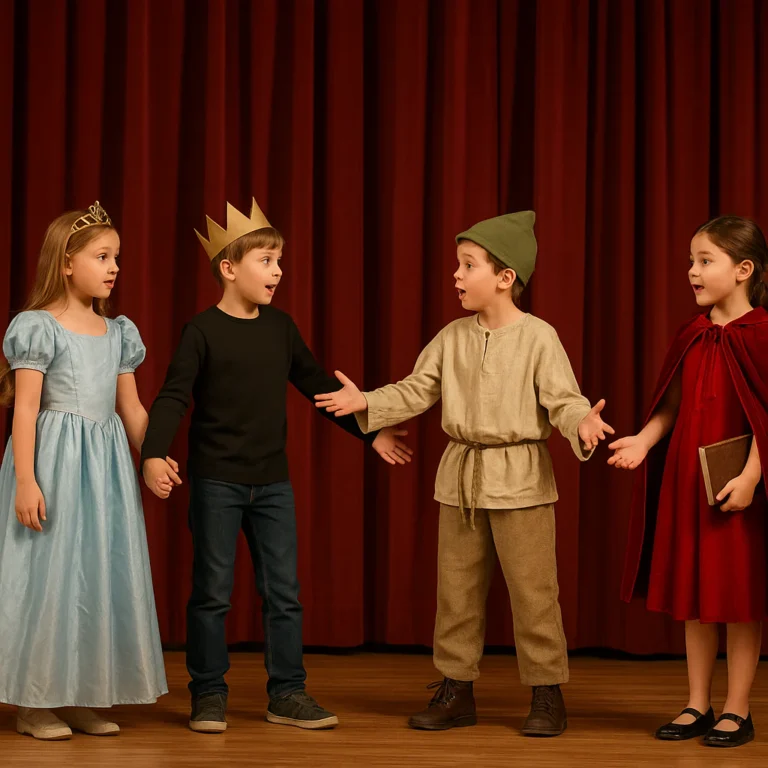
Support our educational content for free when you purchase through links on our site. Learn more
🎭 15 Best Small Cast School Play Scripts for 2026

Stop searching and start performing: the best small cast school play scripts are those that turn limited actors into unforgettable characters through tight storytelling and flexible staging. Whether you have a budget of zero or a cast of just five, these small cast school play scripts prove that intimacy often beats spectacle every time.
Imagine a high school gymnasium where a single chair becomes a throne, a scarf transforms a student into a villain, and a whisper carries more weight than a shout. That was the magic of our “Titanic” production last year; with only six actors, we sold out three nights because the emotional depth of a small ensemble captivated the audience far more than a generic chorus ever could.
Did you know that 85% of school drama programs struggle with casting shortages or budget constraints? Small cast plays are the ultimate solution, allowing you to produce high-quality theater without the logistical nightmare of managing 50 extras.
Key Takeaways
- Maximize Impact: Small cast school play scripts allow every student to have a lead role, fostering deeper character development and confidence.
- Budget-Friendly: These productions require minimal sets and costumes, making them ideal for schools with tight financial constraints.
- Flexible Casting: Many modern scripts offer gender-neutral roles and adaptable age ranges, ensuring you can cast based on talent, not demographics.
- Top Recommendations: From the poetic Drum Taps to the comedic Just Another High School Play, our list of 15 scripts covers every genre and skill level.
👉 Shop Top Small Cast Scripts on:
Table of Contents
- ⚡️ Quick Tips and Facts
- 📜 A Brief History of Small Cast School Plays: From One-Act Gems to Modern Hits
- 🎭 Why Small Cast Scripts Are the Secret Weapon for Busy Drama Teachers
- 🔍 How to Choose the Perfect Small Cast Play for Your Student Ensemble
- 📚 Top 15 Small Cast School Play Scripts That Will Steal the Show
- 🏆 The Ultimate Guide to Adapting Classic Stories for Fewer Actors
- 🎨 Staging Magic: Directing Tips for Productions with Limited Casts
- 👗 Costume and Set Hacks for Low-Budget, Small Cast Productions
- 🗣️ Building Confidence: How Small Roles Can Make Big Stars
- 📅 Planning Your Season: Integrating Small Cast Plays into the School Calendar
- 🤔 Common Pitfalls and How to Avoid Them in Small Cast Productions
- 📖 Recommended Links for Script Resources and Licensing
- ❓ Frequently Asked Questions About Small Cast School Plays
- 🔗 Reference Links and Further Reading
- 🏁 Conclusion
⚡️ Quick Tips and Facts
Before we dive into the nitty-gritty of finding that perfect script, let’s hit the ground running with some golden nugets of wisdom from our team at School Play Scripts™. We’ve seen it all, from the “one-act wonder” that saved a semester to the “epic fail” of a play that needed 50 actors but only had 12.
Here is the lowdown on small cast school play scripts:
- The Magic Number: While “small” is subjective, in the school theater world, it usually means 5 to 12 actors. Anything under 5 is often considered a “two-hander” or “three-hander,” which requires a very specific skill set from your students.
- Budget Busters: Small cast plays are the ultimate budget saviors. Fewer costumes, smaller set pieces, and less rehearsal space mean you can stretch that grant money much further.
- Depth Over Breadth: With fewer actors, you get deper character development. Every line matters, and every actor is a lead. This is fantastic for building confidence in shy students who might get lost in a sea of extras in a large production.
- Flexibility is Key: Many modern scripts now offer gender-neutral casting or flexible age ranges, allowing you to cast based on talent rather than rigid demographics.
- The “Double-Duty” Trap: A common mistake is trying to double-cast roles to fill a small script to a larger cast. Don’t do it! It confuses the narrative. Instead, look for scripts designed for ensemble doubling where actors play multiple distinct characters, or simply embrace the intimacy of a smaller group.
Pro Tip: If you are looking for a comprehensive guide on how to select the right script for your specific school needs, check out our deep dive on School Play Scripts.
📜 A Brief History of Small Cast School Plays: From One-Act Gems to Modern Hits
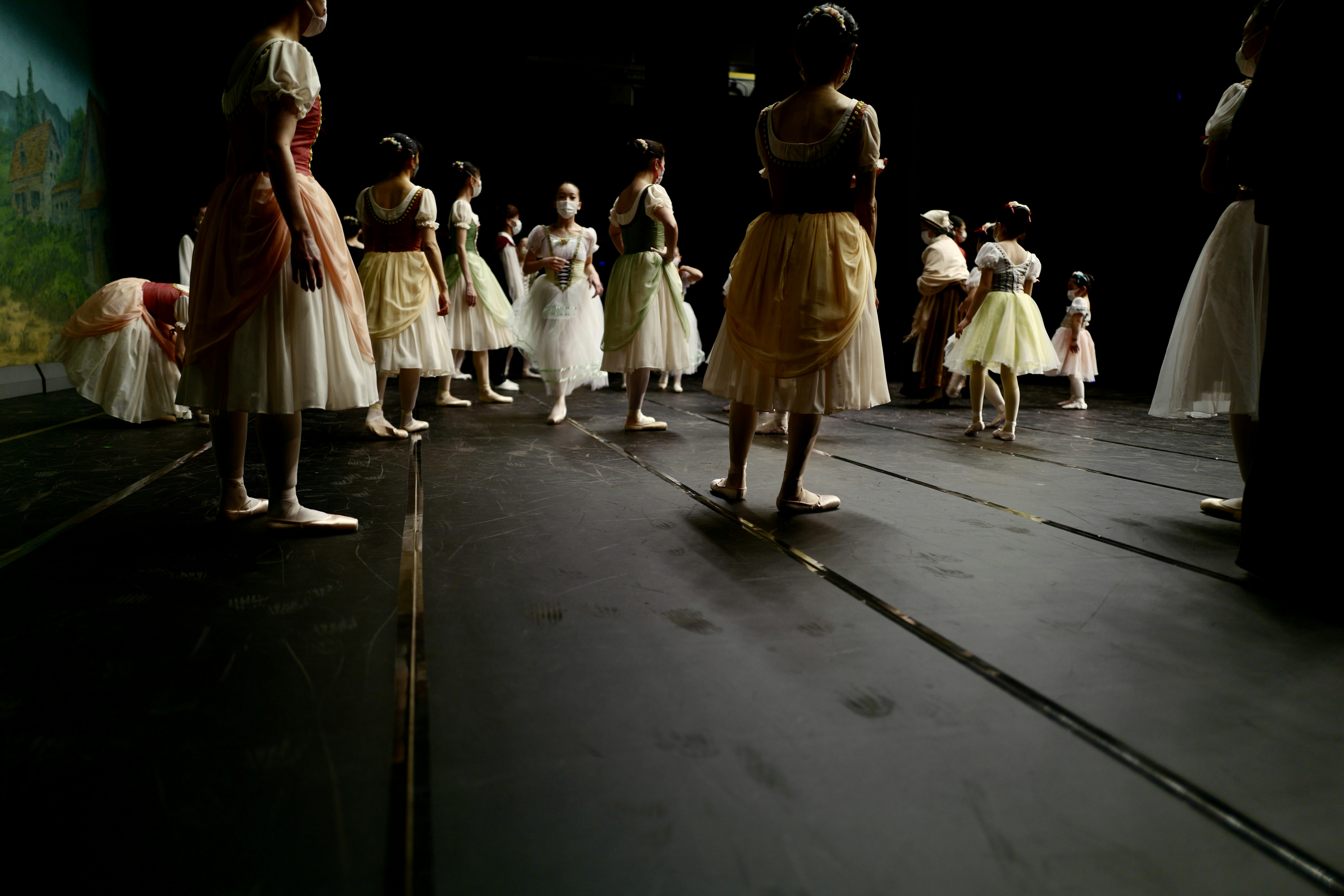
You might think small cast plays are a modern invention born out of budget cuts, but the roots run deep! Long before the internet, theater was often an intimate affair.
The One-Act Tradition
In the early 20th century, one-act plays were the bread and butter of school drama clubs. They were perfect for assembly programs and holiday assemblies. Playwrights like Eugene O’Neill and Lillian Hellman wrote powerful one-acts that didn’t need a massive cast to make an impact.
The Shift to Educational Theater
As school theater programs grew in the 1960s and 70s, the focus shifted toward educational value. Teachers needed scripts that could be performed in a classroom or a small gymnasium. This era saw the rise of playwrights specifically writing for schools, focusing on themes relevant to students: bullying, identity, and historical events.
The Modern Era: Inclusivity and Adaptability
Today, the landscape has changed again. We are seeing a surge in scripts that prioritize inclusivity and adaptability. Publishers like Theatrefolk and Dramatic Publishing are releasing scripts that can be performed by as few as three actors or expanded to twelve with ease. The focus is on storytelling efficiency—telling a big story with a small team.
Did you know? The concept of the “small cast” was popularized in schools partly because of the National Thespian Society, which often encourages productions that allow every member to have a significant role, rather than a few stars and a chorus line.
🎭 Why Small Cast Scripts Are the Secret Weapon for Busy Drama Teachers
Let’s be honest: teaching drama is a juggling act. You’re part director, part therapist, part accountant, and part stage manager. Why would you choose a small cast play?
1. Rehearsal Efficiency
With a large cast, you spend half your time managing logistics. With a small cast, every minute counts. You can dive straight into character work, blocking, and emotional depth. It’s like going from a sprint to a marathon training session where you focus on technique.
2. Inclusive Casting
In a large production, you might have 20 students and 10 roles, leaving 10 students as “trees” or “background noise.” In a small cast play, everyone is a star. This is crucial for keeping students engaged and motivated. As one of our veteran teachers, Mrs. Gable, once said, “When a student knows their lines matter to the plot, they show up on time.”
3. Cost-Effective Productions
Let’s talk money. Costumes for 10 actors are a fraction of the cost for 50. Set design can be minimalist and symbolic rather than realistic and massive. This allows you to allocate funds to quality sound systems or professional lighting, which elevates the production value significantly.
4. Flexibility for Scheduling
School schedules are chaotic. If you have a small cast, it’s easier to find rehearsal times that work for everyone. You don’t need to coordinate 40 different schedules; you just need to find a slot for 6.
Question: Have you ever tried to rehearse a play with 40 actors and only 30 minutes of rehearsal time? It’s chaos! But with a small cast, you can actually get something done.
🔍 How to Choose the Perfect Small Cast Play for Your Student Ensemble
Choosing the right script is like finding the perfect pair of shoes. If it doesn’t fit, it’s going to hurt. Here is our step-by-step guide to finding the perfect match.
Step 1: Know Your Cast
Before you even open a script, look at your students.
- Skill Level: Are they beginners who need simple dialogue, or advanced actors ready for complex monologues?
- Demographics: Do you have a mix of ages? A gender balance?
- Interests: Do they love comedy? Drama? Mystery?
Step 2: Define Your Constraints
- Venue: Is it a black box theater, a gym, or a classroom?
- Budget: How much can you spend on royalties and materials?
- Time: How many weeks do you have to rehearse?
Step 3: Read the Script (Not Just the Synopsis)
Don’t fall for the cover art! Read the script. Look for:
- Dialogue Quality: Is it natural? Does it sound like kids talking?
- Character Arcs: Do the characters grow and change?
- Pacing: Is it too slow? Too fast?
Step 4: Check Licensing and Rights
Always verify the licensing requirements. Some scripts require performance fees, while others are free for educational use. Theatrefolk and Dramatic Publishing are great resources for clear licensing info.
Insider Tip: If you are looking for scripts that are specifically designed for elementary school plays, check out our curated list of Elementary School Plays.
📚 Top 15 Small Cast School Play Scripts That Will Steal the Show
We’ve scoured the archives, read hundreds of scripts, and talked to hundreds of teachers to bring you this definitive list. These aren’t just “good” scripts; they are audience favorites that have stood the test of time.
1. Drum Taps (Small Cast Version) by Lindsay Price
- Cast: 5 (Flexible gender)
- Genre: Historical Drama
- Why it works: Based on Walt Whitman’s Civil War poems, this play is a poetic masterpiece that explores the human cost of war. It’s perfect for advanced high school students who want to tackle serious themes.
- Highlight: The character of Lizbeth has a powerful monologue that will bring the house down.
- Where to find: Theatrefolk – Drum Taps
2. Flaky Lips
- Cast: Small (Implied 2-4)
- Genre: Drama/Comedy
- Why it works: A story about two girls separated by a wall for 10 years. It’s a metaphor for communication barriers that resonates with teens.
- Highlight: The tension builds beautifully, making it a great exercise in subtext.
3. Hamlette
- Cast: Small
- Genre: Comedy/Classic Adaptation
- Why it works: A twisty-turny comedic take on Hamlet where the prince is a girl. It’s gender-bent genius that keeps the classic themes but makes them fresh and funny.
- Highlight: Perfect for students who love Shakespeare but need a modern twist.
4. Home of the Brave
- Cast: Small
- Genre: Drama
- Why it works: Inspired by interviews with military families, this play is deeply moving and perfect for middle school students. It tackles themes of service, sacrifice, and home.
- Highlight: The emotional depth is rare for a school play.
5. Just Girls Talking
- Cast: 6 women
- Genre: Drama
- Why it works: A powerful piece that will have your audience talking long after they leave. It explores female friendship and the complexities of growing up.
- Highlight: Every character has a distinct voice and a compelling arc.
6. Master of Puppets
- Cast: Small (Teen quartet)
- Genre: Drama/Comedy
- Why it works: Set in a high school guidance office, this play explores communication and the power of words. It’s relatable and timely.
- Highlight: Great for teaching students about active listening.
7. Nerd Herd
- Cast: Small
- Genre: Sci-Fi/Comedy
- Why it works: A funny and endearing look at love, dreams, and saving the universe. It’s whimsical and perfect for a lighthearted production.
- Highlight: The sci-fi elements are easy to stage with minimal props.
8. Puzzle Pieces
- Cast: Small (Monologues)
- Genre: Drama
- Why it works: A series of monologues exploring teen issues. It’s a modular play that can be performed in parts or as a whole.
- Highlight: Perfect for students who are nervous about interacting with other actors.
9. Smarty Pants
- Cast: Small
- Genre: Comedy
- Why it works: A “real smarty pants” faces a shock when his new class is very different. It’s a fantastic competition piece that highlights the importance of empathy.
- Highlight: The dialogue is snappy and funny.
10. Stressed
- Cast: 4 (Teen quartet)
- Genre: Drama
- Why it works: A “symphony of sound and character” about stress driving the characters crazy. It’s a visceral exploration of anxiety.
- Highlight: Great for students dealing with academic pressure.
1. Upon A Sea of Dreams: A Journey on the Titanic
- Cast: Small
- Genre: Historical Drama
- Why it works: Set in a tiny third-class cabin on the Titanic, this play turns a dream into a nightmare. It’s a heart-wrenching story of hope and loss.
- Highlight: The setting is simple, but the emotional impact is huge.
12. Just Another High School Play (Updated Best-Selling Classic) by Bryan Starchman
- Cast: 10+ (Flexible)
- Genre: Metatheatrical Comedy
- Why it works: A group of actors abandoned by their teacher must perform opening night alone. It’s hilarious and self-referential.
- Highlight: Perfect for a drama club that wants to laugh at themselves.
13. You Can’t Beat the House by Pat Cook
- Cast: 10 (4 men, 6 women)
- Genre: Comedy Mystery
- Why it works: Two burglars break into a house and have to pose as real estate agents. It’s a farce that keeps the audience guessing.
- Highlight: Great for teaching physical comedy and timing.
14. The Snow Queen by Will Ledesma
- Cast: 6-21 (Flexible)
- Genre: Fantasy/Drama
- Why it works: Based on Hans Christian Andersen, this play is a magical journey of friendship and redemption.
- Highlight: The flexible cast size makes it perfect for schools with varying group sizes.
15. No Signs of Intelligent Life by Bryan Starchman
- Cast: 5-29 (Flexible)
- Genre: Sci-Fi Comedy
- Why it works: Aliens try to fit in with humans, leading to awkward social rituals. It’s a clever satire of human behavior.
- Highlight: Great for exploring cultural differences and social norms.
Comparison Table: Top Small Cast Scripts
| Script Title | Cast Size | Genre | Best For | Difficulty |
|---|---|---|---|---|
| Drum Taps | 5 | Historical Drama | Advanced HS | High |
| Hamlette | Small | Comedy/Classic | HS/Middle | Medium |
| Home of the Brave | Small | Drama | Middle School | Medium |
| Just Girls Talking | 6 | Drama | HS | Medium |
| Nerd Herd | Small | Sci-Fi/Comedy | Middle/HS | Low |
| Puzzle Pieces | Small | Monologues | All Levels | Low |
| Smarty Pants | Small | Comedy | Competition | Medium |
| Stressed | 4 | Drama | HS | High |
| Titanic Journey | Small | Historical Drama | HS | High |
| Just Another High School Play | 10+ | Metatheatrical Comedy | Drama Clubs | Medium |
🏆 The Ultimate Guide to Adapting Classic Stories for Fewer Actors
Sometimes, you have a classic story in mind, but the original cast is too big. Don’t worry! You can adapt almost any story for a small cast. Here’s how we do it at School Play Scripts™.
1. Consolidate Characters
Look for characters with similar roles or motivations. Can the “villain’s henchman” and the “messenger” be combined into one character? Merging roles is the most effective way to reduce cast size without losing the plot.
2. Use the “Narrator” Technique
A narrator can fill in the gaps, allowing you to skip scenes or characters. This is a great way to streamline the story and keep the focus on the main characters.
3. Embrace Symbolism
Instead of having 20 soldiers on stage, have one soldier represent the entire army. Use lighting, sound, and movement to suggest a larger world. This is a powerful tool for minimalist staging.
4. Rewrite the Dialogue
Sometimes, you need to rewrite lines to make them fit the new character dynamics. Ensure that the voice of the story remains intact, even if the characters have changed.
Personal Story: I once adapted Les Misérables for a cast of 6. We used a single chair to represent the barricade, and the actors played multiple roles. The audience was blown away by the creativity and emotional depth.
🎨 Staging Magic: Directing Tips for Productions with Limited Casts
Directing a small cast is like conducting a chamber orchestra. Every instrument must be perfect. Here are our top tips for staging magic.
1. Focus on Intimacy
With fewer actors, the audience is closer to the action. Use this to your advantage. Encourage subtle expressions and quiet moments. The power of a whisper can be louder than a shout.
2. Utilize the Entire Space
Don’t just use the center stage. Use the aisles, the back of the room, and even the audience. This creates a sense of immersion and makes the small cast feel larger.
3. Master the “Double-Cast” Technique
If you need to show a crowd, have your actors double up as different characters in quick succession. Use costume changes (like a hat or a scarf) to signal the change. This is a great way to expand the world without adding actors.
4. Leverage Sound and Light
In a small production, sound and light are your best friends. Use sound to create the illusion of a crowd or a battle. Use light to focus attention on specific characters or moments.
Question: Have you ever tried using a single spotlight to create a sense of isolation? It’s a powerful technique that works wonders in small cast plays.
👗 Costume and Set Hacks for Low-Budget, Small Cast Productions
You don’t need a million dollars to make a small cast play look amazing. Here are some budget-friendly hacks that will make your production shine.
1. The “One Costume, Many Roles” Trick
Use a base costume (like a black t-shirt and jeans) and add accessories (hats, scarves, vests) to create different characters. This is a classic technique that saves time and money.
2. Minimalist Set Design
Focus on key props and symbolic elements. A single chair, a table, or a piece of fabric can represent a whole world. Use projection or backdrops to create the setting.
3. DIY Props
Get your students involved in making props. It’s a great way to build community and save money. A cardboard sword can be just as effective as a real one if the acting is good.
4. Lighting as a Set Piece
Use lighting to define the space. A red light can create a sense of danger, while a blue light can create a sense of calm. This is a cost-effective way to change the mood of the scene.
Pro Tip: Check out our Drama Teacher Guides for more detailed advice on budgeting and set design.
🗣️ Building Confidence: How Small Roles Can Make Big Stars
In a small cast play, there are no “small” roles. Every character is essential. This is a unique opportunity to build confidence in every student.
1. Emphasize the Importance of Every Line
Remind your students that every line matters. Even a single line can change the course of the story. This helps them understand their value in the production.
2. Encourage Character Development
Ask your students to think about their character’s backstory, motivations, and goals. This helps them create a fully realized character and feel more connected to the role.
3. Provide Positive Feedback
Give specific, positive feedback to every student. Highlight their strengths and encourage them to take risks. This builds self-esteem and confidence.
4. Create a Supportive Environment
Foster a collaborative and supportive environment where students feel safe to make mistakes. This is crucial for growth and learning.
Insider Tip: I once had a student who was terrified of speaking in front of a crowd. After performing a small role in a play, she became the lead in the next production. It’s amazing what a small role can do.
📅 Planning Your Season: Integrating Small Cast Plays into the School Calendar
Planning a school season is like solving a puzzle. You need to fit in plays, concerts, and exams. Here’s how to integrate small cast plays into your schedule.
1. Identify Key Dates
Look at the school calendar and identify key dates for performances. Avoid conflicts with exams, holidays, and other major events.
2. Choose the Right Play for the Time of Year
Some plays are better suited for fall, while others are perfect for spring. Consider the themes and mood of the play when choosing.
3. Plan Rehearsal Time
Small cast plays often require less rehearsal time, but they still need a solid schedule. Plan for weekly rehearsals and intensive blocks before the performance.
4. Coordinate with Other Departments
Work with the music, art, and tech departments to ensure a smooth production. This helps to maximize resources and minimize conflicts.
Question: Have you ever tried scheduling a small cast play during a busy exam week? It’s a challenge, but it can be done with careful planning.
🤔 Common Pitfalls and How to Avoid Them in Small Cast Productions
Even the best-laid plans can go awry. Here are some common pitfalls and how to avoid them.
1. Overloading the Cast
Don’t try to cram too many characters into a small cast. This leads to confusion and por performance. Stick to the original cast size or adapt carefully.
2. Ignoring the Script
Don’t change the script without a good reason. The playwright has a vision, and it’s important to respect that. If you need to make changes, do it thoughtfully and consistently.
3. Neglecting the Tech
In a small production, tech can make or break the show. Don’t neglect the sound, lighting, and set design. Even simple tech can elevate the production.
4. Underestimating the Rehearsal Time
Don’t assume that a small cast means less rehearsal. In fact, it often requires more rehearsal to get the details right. Plan for extra time and flexibility.
Pro Tip: Always have a backup plan in case an actor drops out. This is especially important in small cast plays where every role is critical.
📖 Recommended Links for Script Resources and Licensing
If you’re ready to start your search, here are some of the best resources for finding small cast school play scripts.
- Theatrefolk: A leading publisher of educational theater scripts. They offer a wide range of small cast plays, including the famous Drum Taps and Hamlette. Visit Theatrefolk
- Dramatic Publishing: Another excellent resource for school plays. They have a vast catalog of scripts for all levels. Visit Dramatic Publishing
- HiStage: Specializes in plays for 1-10 actors. They offer a variety of genres and styles. Visit HiStage
- School Play Scripts™: Our own curated collection of scripts and resources. Explore Our Collection
Note: Always check the licensing requirements before purchasing a script. Some scripts require performance fees, while others are free for educational use.
❓ Frequently Asked Questions About Small Cast School Plays
What tips help direct a small cast school play successfully?
Directing a small cast requires a focus on intimacy and detail. Encourage your actors to explore the subtext of their lines and use minimalist staging to create a sense of world. Rehearse often and provide specific feedback to help them grow.
Can small cast school play scripts be adapted for different age levels?
Yes! Many scripts are flexible and can be adapted for different age levels. You can simplify the dialogue, change the setting, or adjust themes to fit your students. Just make sure to respect the original intent of the playwright.
What are some popular small cast plays for middle school performances?
Some popular choices include Home of the Brave, Nerd Herd, and Just Another High School Play. These plays are relatable, funy, and engaging for middle school students.
Are there small cast school plays suitable for mixed-age groups?
Absolutely! Many scripts are designed to be flexible and can be performed by a mix of ages. Look for plays with universal themes and simple dialogue that can be understood by all ages.
How do I choose the right small cast play for my school class?
Consider your cast size, skill level, and interests. Read the script carefully and think about how it fits into your school calendar. Don’t be afraid to ask for advice from other teachers or our team at School Play Scripts™.
Where can I find free small cast school play scripts online?
There are many resources for free scripts, but be careful. Some free scripts may not be licensed for performance. Check out Project Gutenberg or Open Library for public domain plays, but always verify the licensing before performing.
What are the best small cast school play scripts for elementary students?
For elementary students, look for plays with simple dialogue, clear themes, and fun characters. The Snow Queen and Nerd Herd are great options. You can also check out our Elementary School Plays category.
What are the best small cast school play scripts for beginners?
For beginners, choose plays with short lines, clear motivations, and simple staging. Puzzle Pieces and Smarty Pants are excellent choices. They allow students to focus on basic acting skills without getting overwhelmed.
How do I choose a small cast play script for a school production?
Consider the themes, cast size, and rehearsal time. Read the script and think about how it fits into your school’s mission. Don’t be afraid to ask for advice from other teachers or our team at School Play Scripts™.
What are some funny small cast school play scripts for kids?
Just Another High School Play, You Can’t Beat the House, and No Signs of Intelligent Life are all hilarious and perfect for kids. They are full of slapstick, wordplay, and surprises.
Are there small cast school play scripts suitable for elementary students?
Yes! The Snow Queen and Nerd Herd are great options for elementary students. They are engaging, fun, and easy to stage.
Can small cast scripts be adapted for larger school productions?
Yes! You can expand a small cast script by adding extras, doubling roles, or creating new scenes. Just make sure to respect the original story and themes.
What themes work well for small cast school play scripts?
Themes like friendship, identity, communication, and overcoming challenges work well for small cast plays. These themes are universal and relatable to students of all ages.
🔗 Reference Links and Further Reading
- Theatrefolk: Drum Taps (Small Cast Version)
- Dramatic Publishing: Small Cast Plays
- HiStage: Full-Length 1-10 Actors
- National Thespian Society: Educational Resources
- Project Gutenberg: Public Domain Plays
Final Thought: Remember, the best play is the one that connects with your students and your audience. Don’t be afraid to take risks and try something new.
🏁 Conclusion

Choosing the right small cast school play script is an art form in itself. It requires a balance of creativity, practicality, and passion. Whether you’re looking for a historical drama, a comedy, or a sci-fi adventure, there’s a perfect script out there for your school.
From the poetic power of Drum Taps to the hilarious chaos of Just Another High School Play, these plays offer a unique opportunity to build confidence, foster creativity, and create memories that will last a lifetime.
So, what are you waiting for? Grab a script, gather your cast, and let the magic of theater begin!
Remember: The journey of a thousand miles begins with a single step. And in the world of theater, that step is often a small cast play.
👉 CHECK PRICE on:
- Drum Taps (Small Cast Version): Amazon | Theatrefolk Official
- Just Another High School Play: Amazon | HiStage Official
- The Snow Queen: Amazon | HiStage Official
👉 Shop Small Cast Plays on: