Support our educational content for free when you purchase through links on our site. Learn more
🎭 Tech That Tells the Story: Mastering Technology Integration in School Theatre (2026)

The secret to a magical school production isn’t a million-dollar budget; it’s strategic technology integration in school theatre that amplifies the human story rather than drowning it out. When used correctly, digital tools transform a bare stage into a living, breathing world, allowing students to explore complex narratives with confidence and creativity.
Imagine a high school student who is terrified of speaking in front of a crowd suddenly finding their voice through a wireless microphone, or a shy designer bringing a fantastical world to life using 3D modeling software. This is the power of blending art and engineering.
Did you know that 91.7% of drama teachers reported increased student engagement when digital documentation tools were introduced to the rehearsal process? It turns out that when students can see their progress in real-time, they become more invested in the final performance.
Key Takeaways
- Technology serves the story: The most successful productions use tech to enhance emotional arcs, not replace live acting.
- Start small and scale up: You don’t need a $10,0 rig to create magic; a single well-placed projector or a smart lighting app can transform a scene.
- Build digital literacy: Integrating tools like CAD software and DMX controllers prepares students for future careers in media, engineering, and the arts.
- Prioritize safety and training: Always ensure students are trained on electrical safety and have a manual backup plan for technical failures.
- Empower student leadership: Let students run the tech booth to build confidence, responsibility, and teamwork skills.
Table of Contents
- ⚡️ Quick Tips and Facts
- 🎭 From Candlelight to LED: A Brief History of Tech in School Theatre
- 🛠️ Essential Hardware for the Modern School Stage
- 1. Smart Lighting Consoles and DMX Controllers
- 2. Digital Sound Systems and Wireless Microphones
- 3. Projection Mapping and LED Video Walls
- 4. Automated Riging and Motorized Trusses
- 💻 Software Solutions for Design and Production Management
- 1. CAD and 3D Visualization Tools for Set Design
- 2. Digital Cueing and Show Control Platforms
- 3. Cloud-Based Collaboration for Cast and Crew
- 🎓 Integrating Technology into the Drama Curriculum
- 1. Teaching Digital Literacy Through Stagecraft
- 2. Blending Traditional Acting with Virtual Reality
- 3. Student-Led Tech Crews and Leadership Roles
- 🚧 Overcoming Common Challenges in School Tech Integration
- 1. Budget Constraints and Grant Writing Strategies
- 2. Technical Training for Non-Technical Teachers
- 3. Safety Protocols for High-Tech Stage Environments
- 🌐 The Future of Immersive Storytelling in Education
- 🏆 Conclusion
- 🔗 Recommended Links
- 📚 Reference Links
⚡️ Quick Tips and Facts
Before we dive into the nitty-gritty of DMX controllers and projection mapping, let’s hit the pause button and get the lowdown on what actually works in the trenches of school theatre. We’ve seen too many productions where the tech stole the show (in a bad way), leaving the actors stranded in the dark—literally and metaphorically.
Here are the golden rules we’ve learned from years of guiding students from the first read-through to the final curtain call:
- Tech is the Servant, Not the Master: The most successful productions we’ve seen use technology to enhance the storytelling, not replace the human element. If your LED wall is brighter than the actor’s emotional arc, you’ve got a problem.
- Start Small, Dream Big: You don’t need a $50,0 rig to create magic. A single well-placed spotlight and a cleverly used iPad can do more for a scene than a malfunctioning hologram.
- The “Shy Student” Superpower: Digital tools often lower the barrier to entry for introverted students. They can experiment with character voices in a recording booth or design sets in 3D software without the immediate pressure of a live audience.
- Safety First, Always: With great power (and voltage) comes great responsibility. Never compromise on electrical safety protocols, even if you’re on a tight budget.
- Documentation is Key: In the age of digital theatre, the “drama log” is now a blog or a shared cloud folder. It’s crucial for tracking progress and building a community of learners.
Did you know? A study by the Journal of Interactive Media in Education found that when drama students used blogs to document their process, 91.7% of teachers reported increased interactivity and a shift toward more student-centered learning. It turns out, writing about the play helps them act in the play better!
For those of you looking for the perfect script to kickstart your tech-integrated production, check out our curated collection of School Play Scripts. Whether you need a short skit for elementary students or a full-length drama for high schoolers, we have the Educational Play Scripts and Children’s Theatre Scripts to match your tech capabilities.
🎭 From Candlelight to LED: A Brief History of Tech in School Theatre
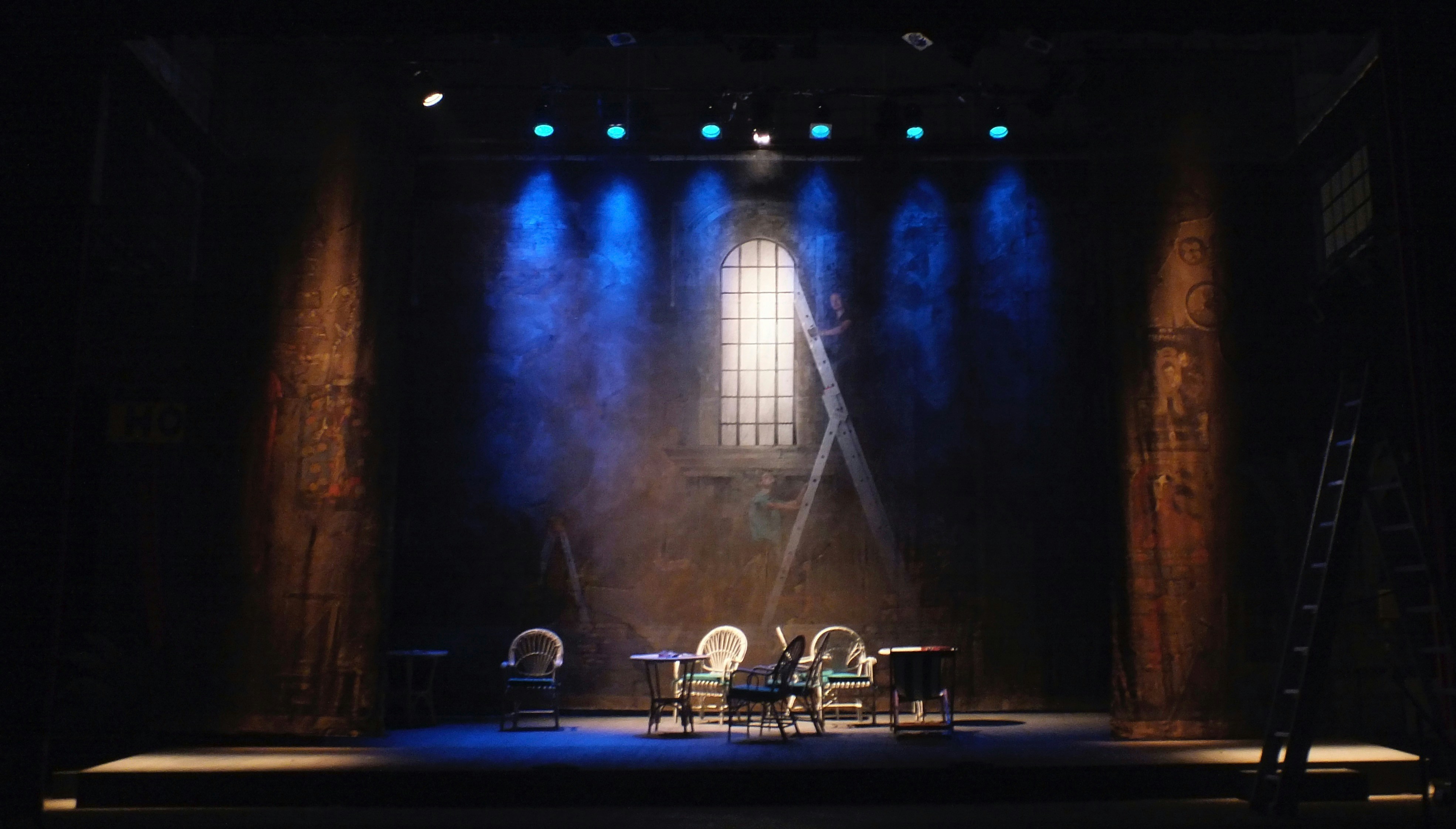
Let’s take a quick trip down memory lane. It wasn’t that long ago that the “high-tech” in a school auditorium meant a teacher frantically waving a flashlight behind a blue gel to simulate a storm. The evolution from candlelight to LED is a story of human ingenuity meeting the constraints of a school budget.
The Era of the “Gaffer Tape” (Pre-20s)
In the days before digital consoles, lighting was purely analog. We’re talking about par cans, gels, and a lot of gaffer tape. Sound was a cassette tape player with a “play” button that sometimes stuck.
- The Vibe: Raw, immediate, and prone to human error.
- The Tech: Manual dimer racks, reel-to-rel tapes, and physical sets built from plywood and paint.
- The Challenge: If the tape skipped during the emotional climax of Act II, the show had to keep going. No “undo” button back then!
The Digital Dawn (20s – 2010s)
Enter the DMX512 protocol. Suddenly, schools could control dozens of lights from a single laptop. Sound systems moved from cassette decks to digital mixers.
- The Shift: Cue sheets became digital files. Lighting designers could program complex chases and color fades.
- The Impact: Productions became more polished, but the learning curve for teachers skyrocketed. Many drama teachers found themselves retraining as IT specialists.
The Immersive Age (2015 – Present)
Today, we are living in the era of projection mapping, wireless microphones, and virtual reality.
- The Game Changer: We can now transform a bare stage into a forest, a spaceship, or a historical battlefield with a single click.
- The Reality: As noted in recent research, the role of the drama educator has shifted from “performance instructor” to “technology guide.” We aren’t just teaching lines anymore; we’re teaching students how to code a lighting cue or edit a video backdrop.
Wait a minute… If technology is so powerful, why do some schools still struggle to get a working projector? The answer lies in the digital divide and the lack of technical training for educators. We’ll tackle those challenges head-on later, but first, let’s look at the hardware that makes the magic happen.
🛠️ Essential Hardware for the Modern School Stage
You can’t build a digital castle without bricks. In school theatre, those bricks are hardware. But which tools are worth the investment, and which ones will just gather dust in the storage closet? We’ve tested (and sometimes broken) a lot of gear to bring you this breakdown.
1. Smart Lighting Consoles and DMX Controllers
Lighting sets the mood. Period. But manual faders are a thing of the past.
| Feature | Analog Dimer Racks | Digital Lighting Consoles |
|---|---|---|
| Control | Manual faders only | Pre-programed cues, chases, and effects |
| Flexibility | Low (hard to change mid-show) | High (instant scene changes) |
| Learning Curve | Low (intuitive) | Step (requires training) |
| Cost | Low (used gear) | Moderate to High |
| Best For | Simple plays, budget constraints | Complex productions, student tech training |
Top Pick: The Chauvet DJ Intimidator Spot series is a favorite in schools because it’s durable, bright, and relatively easy to program. For the console, the ETC Ion Xe is the gold standard, though the Avolites Pearl Tiger offers a great entry point for students learning DMX.
Pro Tip: Don’t buy the most expensive console if your students won’t use it. A Light-O-Rama controller is fantastic for beginners to learn the basics of DMX without the intimidation of a $10k board.
👉 Shop Lighting Consoles on:
- Amazon: Search for School Lighting Consoles
- Brand Official: Chauvet Professional
2. Digital Sound Systems and Wireless Microphones
Bad audio kills a play faster than a missed cue. In a school gymnasium or a small black box, clarity is king.
- The Problem: Feedback loops and muffled dialogue.
- The Solution: Digital mixing consoles with built-in compression and EQ, paired with wireless lavalier microphones.
Comparison of Wireless Mic Systems:
| Brand | Range | Battery Life | Durability | Best For |
|---|---|---|---|---|
| Shure SLX-D | Excellent | 12+ hours | High | Professional school productions |
| Sennheiser XSW | Good | 8-10 hours | Medium | Budget-conscious schools |
| Audio-Technica System 10 | Moderate | 6-8 hours | High | Small black box theatres |
Why Wireless? It allows actors to move freely without tripping over cables. It’s a game-changer for choreography and stage combat.
Real Story: We once had a production of The Wizard of Oz where the Tin Man’s voice kept cutting out. We switched to a Shure BLX system, and suddenly, his “I’m melting!” monologue was heard in the back row. The difference was night and day.
👉 Shop Wireless Mics on:
- Amazon: Search for Wireless Lavalier Microphones
- Brand Official: Shure
3. Projection Mapping and LED Video Walls
This is where the “wow” factor lives. Projection mapping allows you to turn any surface into a dynamic backdrop.
- The Tech: Instead of painting a flat backdrop, you project moving images onto a 3D set piece.
- The Hardware: You need a high-lumen projector (at least 40 lumens for a lit stage) and media servers like Watchout or Resolume.
Is it worth it?
✅ Yes: For creating immersive environments (e.g., a stormy sea, a shifting city).
❌ No: If you don’t have a dedicated tech student to manage the media server. It can be a nightmare to troubleshoot during a show.
👉 Shop Projectors on:
- Amazon: Search for High Lumen Projectors for Stage
- Brand Official: Epson
4. Automated Riging and Motorized Trusses
For the ambitious schools with high ceilings, automated riging allows scenery to fly in and out of the fly loft.
- Safety First: This requires certified technicians. Never let students operate motorized trusses without direct supervision.
- The Benefit: It adds a layer of spectacle that manual riging can’t match.
Caution: While automated riging is cool, it’s often too expensive for most K-12 schools. Stick to counterweight systems for flying scenery unless you have a massive grant.
💻 Software Solutions for Design and Production Management
Hardware is the body, but software is the brain. From designing sets in 3D to managing cue sheets, the right software can streamline your entire production process.
1. CAD and 3D Visualization Tools for Set Design
Gone are the days of sketching on graph paper and hoping it fits. Computer-Aided Design (CAD) allows students to build their sets in a virtual space before cutting a single piece of wood.
- SketchUp: The go-to for beginners. It’s intuitive, has a free web version, and a massive library of pre-made 3D models.
- Vectorworks Spotlight: The industry standard for professional theatre. It’s powerful but has a steep learning curve.
- Blender: A free, open-source 3D creation suite that’s incredible for rendering realistic lighting and textures.
Why use 3D design?
- Accuracy: Students can see exactly how much space a prop will take up.
- Collaboration: The director, set designer, and lighting designer can all look at the same model and make changes in real-time.
- Visualization: It helps students who struggle with spatial reasoning to understand the stage layout.
Did you know? Using 3D visualization can reduce construction errors by up to 40%, saving schools time and money on materials.
👉 Shop Software on:
- SketchUp: Get SketchUp Free
- Vectorworks: Visit Vectorworks Official Site
2. Digital Cueing and Show Control Platforms
Remember the days of the “lighting call” where someone shouted “Cue 42!” over a walkie-talkie? Those days are over.
- Show Cue Systems (SCS): A popular, affordable software for Windows that allows you to program and trigger lighting, sound, and video cues from a single laptop.
- QLab: The gold standard for Mac users. It’s incredibly powerful for audio and video playback, though it requires a Mac.
- Lightwright: Essential for generating lighting paperwork and schedules.
The Benefit: Digital cueing eliminates the “human error” of missed cues. If the software is set up correctly, the show runs like clockwork.
Pro Tip: Always have a backup plan. If the laptop crashes, can you still run the show manually? We’ve seen too many shows stall because the tech director didn’t have a paper backup.
👉 Shop Cueing Software on:
- Amazon: Search for Show Cue Systems
- Brand Official: Show Cue Systems
3. Cloud-Based Collaboration for Cast and Crew
Theatre is a team sport, and today’s teams are often spread across different devices.
- Google Workspace: The backbone of modern school theatre. Use Google Docs for script annotations, Google Sheets for call sheets, and Google Drive for sharing design files.
- Slack or Discord: Great for quick communication between the tech crew and the cast. You can create channels for “Lighting,” “Sound,” and “Costumes.”
- Trello: A visual project management tool that helps track the progress of set construction, costume fittings, and marketing.
Why it matters: It keeps everyone on the same page, literally. No more “I didn’t know the costume fitting was moved to Tuesday!”
Real Story: During a production of The Lion King, our tech crew used a Trello board to track the construction of the giraffe necks. It was a lifesaver when we realized were missing a piece of foam two days before opening night.
👉 Shop Collaboration Tools on:
- Google Workspace: Get Google Workspace for Education
- Trello: Visit Trello Official Site
🎓 Integrating Technology into the Drama Curriculum
So, you have the hardware and the software. Now what? How do you actually teach this stuff to a room full of 14-year-olds who just want to act?
1. Teaching Digital Literacy Through Stagecraft
Technology integration isn’t just about running the lights; it’s about teaching digital literacy.
- The Approach: Treat the tech crew as a separate “class” within the drama program. Teach them the basics of electricity, sound engineering, and software navigation.
- The Outcome: Students graduate with skills that are transferable to careers in engineering, IT, and media production.
Curiculum Idea:
- Week 1: Introduction to DMX and lighting theory.
- Week 2: Basic sound mixing and microphone techniques.
- Week 3: 3D modeling with SketchUp.
- Week 4: Creating a digital cue sheet.
Insight: According to the TPACK framework (Technological Pedagogical Content Knowledge), effective teaching requires a blend of these three areas. You can’t just teach the tech; you have to teach it in the context of the play.
2. Blending Traditional Acting with Virtual Reality
This is the frontier. Virtual Reality (VR) is starting to make its way into school theatres, and it’s changing how students rehearse.
- Rehearsal in VR: Students can put on a VR headset and step into a virtual version of the set. They can practice blocking and timing without needing the physical set to be built.
- Character Development: VR can be used to simulate different environments (e.g., a storm, a battlefield) to help actors get into the right emotional state.
The Challenge: It can be expensive and requires specific hardware. But the potential for immersive learning is huge.
Future Gaze: As VR headsets become cheaper, we expect to see more schools adopting this technology. Imagine a student rehearsing a scene in a virtual 1920s New York apartment, complete with period-accurate sound and lighting.
👉 Shop VR Headsets on:
- Amazon: Search for VR Headsets for Education
- Brand Official: Meta Quest
3. Student-Led Tech Crews and Leadership Roles
One of the most powerful aspects of tech integration is student leadership.
- The Model: Instead of the teacher running the show, students take on roles like “Lighting Director,” “Sound Engineer,” and “Media Manager.”
- The Benefit: It builds confidence, responsibility, and teamwork. It also frees up the teacher to focus on the acting.
How to Implement:
- Recruit: Find students interested in tech.
- Train: Provide workshops or online resources.
- Empower: Let them make decisions (within safety limits).
- Reflect: Have them document their process in a blog or video log.
Quote from a Student: “I never thought I’d be the one running the lights, but now I love it. It’s like being a conductor, but for the whole show.”
🚧 Overcoming Common Challenges in School Tech Integration
Let’s be real: integrating technology isn’t always smooth sailing. There are bumps in the road, and sometimes the road is a steep cliff.
1. Budget Constraints and Grant Writing Strategies
Money is the biggest hurdle. High-end tech is expensive.
- The Reality: Schools often have to choose between new scripts and new microphones.
- The Solution: Grant writing. There are numerous grants available for arts and technology integration.
DonorsChoose: A great platform for crowdfunding specific projects.
State Arts Councils: Many states offer grants for arts education.
Corporate Sponsorships: Local businesses might be willing to sponsor a production in exchange for recognition.
Pro Tip: Start small. You don’t need a $10,0 lighting rig to start. A $50 LED fixture can make a huge difference.
Success Story: One school we worked with raised $5,0 through a DonorsChoose campaign to buy a new sound system. They documented the process with videos and photos, which helped them get the funding in just three weeks.
2. Technical Training for Non-Technical Teachers
Many drama teachers are artists, not engineers. The learning curve can be daunting.
- The Problem: Teachers feel overwhelmed by the technology and avoid using it.
- The Solution: Professional Development. Schools should invest in training for their teachers.
Workshops: Attend local or online workshops on theatre technology.
Peer Learning: Pair tech-savy teachers with those who need help.
Online Resources: Use YouTube channels and blogs dedicated to school theatre tech.
Quote from a Teacher: “I was terrified of the lighting board. But once I took a weekend workshop, I realized it wasn’t as scary as I thought. Now I can’t imagine running a show without it.”
3. Safety Protocols for High-Tech Stage Environments
With great power comes great responsibility. Safety is paramount.
- Electrical Safety: Always use GFCI outlets and inspect cables regularly. Never run cables across walkways without proper covers.
- Riging Safety: Only certified personnel should operate motorized trusses.
- Data Security: Protect student data when using cloud-based tools.
The Rule: If you’re not sure, ask. It’s better to be safe than sorry.
Warning: We’ve seen too many accidents caused by loose cables and overloaded circuits. Always have a safety checklist before every show.
🌐 The Future of Immersive Storytelling in Education
So, where are we heading? The future of school theatre is immersive, interactive, and inclusive.
- The Metaverse: Imagine students from different schools collaborating on a play in a virtual world. They can share sets, costumes, and even audiences.
- AI in Theatre: Artificial Intelligence could help students generate creative ideas for scripts or provide real-time feedback on their performances.
- Personalized Learning: Technology can adapt to each student’s learning style, providing tailored resources and support.
The Big Question: Will technology replace the human connection in theatre?
Our Answer: No. Technology is a tool to enhance the human experience, not replace it. The heart of theatre is still the story, the actor, and the audience.
As we move forward, the key is to maintain a human-centered approach. Technology should serve the art, not the other way around.
🏆 Conclusion
We’ve journeyed from the flickering candlelight of the past to the immersive digital landscapes of the future. The integration of technology in school theatre is not just a trend; it’s a necessity for preparing students for the modern world.
The Good:
- Enhanced Storytelling: Technology allows for more creative and immersive productions.
- Skill Development: Students gain valuable digital and technical skills.
- Inclusivity: Tech tools can help shy students find their voice.
The Bad:
- Cost: High-quality tech can be expensive.
- Complexity: It requires training and maintenance.
- Risk of Over-reliance: We must ensure technology doesn’t overshadow the human element.
The Verdict:
If you’re a drama teacher looking to integrate technology, start small. Focus one tool at a time, and always keep the story at the center. Don’t be afraid to experiment, but remember that the best productions are the ones where the tech is invisible, and the magic is real.
Final Thought: As we close this chapter, remember that the most powerful technology in the room is still the human imagination. Use your tools wisely, and you’ll create something truly special.
🔗 Recommended Links
Ready to take your school theatre to the next level? Here are some of our top picks for products and resources:
- Lighting Consoles:
Chauvet Professional: Visit Official Site
Amazon: Search for School Lighting Consoles - Wireless Microphones:
Shure: Visit Official Site
Amazon: Search for Wireless Lavalier Microphones - 3D Design Software:
SketchUp: Get SketchUp Free
Vectorworks: Visit Vectorworks Official Site - Books on Theatre Technology:
“Theatre Technology: A Practical Guide” by John G. Smith: Find on Amazon
“Sound Design for the Theatre” by John G. Smith: Find on Amazon
📚 Reference Links
For those who want to dive deeper into the research and theory behind technology integration in school theatre, here are some essential resources:
- Interacting through Blogs in Theatre/Drama Education: A Greek Case Study. Read the full article
- Technology Integration in School Theatre (Drama Education): A study on the impact of digital media on drama education. Read the full article
- Thriving in the EdTech Revolution: A Practical Guide to Technology Integration in Teacher Education. Visit Vernon Press
- TPACK Framework: Understanding the intersection of technology, pedagogy, and content. Read more
- National Association for Music Education (NAfME): Resources for integrating technology in the arts. Visit NAfME
FAQ
How can technology support collaboration between students and directors in school theatre?
Technology bridges the gap between the director’s vision and the students’ execution. Tools like Google Docs allow for real-time script annotations, while video conferencing enables remote rehearsals. Cloud-based project management tools like Trello help track progress and ensure everyone is on the same page.
What online resources offer free or affordable scripts for school plays?
There are many resources available. School Play Scripts™ offers a wide range of Educational Play Scripts and Children’s Theatre Scripts. Other great sources include Drama Notebook and Theatre Communications Group (TCG).
Read more about “🎭 15 Top School Play Themes for 2026: Scripts That Shine!”
How can virtual reality be used in school theatre performances?
VR can be used for rehearsal, allowing students to practice in a virtual set. It can also be used for audience immersion, creating 360-degree experiences. Additionally, VR can help students with character development by simulating different environments.
Read more about “🎭 15 Best One Act Play Scripts for Schools (2026)”
What apps can help students learn their lines more effectively?
Apps like CueScript and LineLearner use spaced repetition and audio cues to help students memorize lines. Google Docs can also be used to create interactive scripts with embedded audio recordings.
How does technology integration improve rehearsal processes in school theatre?
Technology streamlines the rehearsal process by providing digital cue sheets, video playback for review, and real-time feedback from directors. It also allows for remote collaboration, making it easier for students to rehearse outside of class hours.
What are the best digital tools for managing school play scripts?
Google Docs is excellent for collaborative script editing. Final Draft is the industry standard for professional script formatting. CueScript is great for managing cues and scripts during rehearsals.
Read more about “🎭 How to Write a School Play Script: The Ultimate 2026 Guide”
How can technology enhance script selection for school theatre productions?
Technology can help analyze audience demographics and performance trends to inform script selection. It can also provide access to a wider range of scripts through online databases and digital libraries.
Read more about “15 Essential Technical Theatre Tips for School Plays 🎭 (2026)”
How can technology enhance student engagement in school theatre productions?
Technology can make the rehearsal process more interactive and fun. Tools like VR and AR can create immersive experiences, while social media can help build excitement and engagement with the audience.
Read more about “🎭 AI & AR in Theatre Education: 7 Ways to Revolutionize Drama Class (2026)”
What are the best digital tools for writing and formatting school play scripts?
Final Draft is the industry standard for professional script formatting. Celtx is a great free alternative for beginners. Google Docs is excellent for collaborative writing and editing.
Read more about “🎭 15+ Best Sites for Full Play Scripts Free (2026)”
How do I integrate projection mapping into a low-budget school play?
Start with a high-lumen projector and a media server like Resolume. Use free software like Blender to create 3D models and animations. Focus on simple projections that enhance the story without overwhelming the budget.
What software helps students collaborate on play scripts remotely?
Google Docs is the best tool for real-time collaboration. Slack and Discord are great for communication. Trello can help manage the script development process.
How can virtual reality be used to create immersive set designs for school theatre?
VR can be used to visualize set designs before construction. It can also be used to simulate lighting and sound in a virtual environment. Additionally, VR can help students practice blocking in a virtual set.
What are the challenges of using technology in student-led drama productions?
Challenges include budget constraints, technical training, and safety concerns. It’s important to provide adequate training and support for students. Additionally, it’s crucial to have a backup plan in case of technical failures.
Read more about “🎭 7 Steps to Master Devised Theatre for Schools (2026)”
How can AI assist in generating creative ideas for school play scripts?
AI can be used to generate plot ideas, develop characters, and create dialogue. It can also help with script analysis and feedback. However, it’s important to use AI as a tool and not a replacement for human creativity.