Support our educational content for free when you purchase through links on our site. Learn more
🎭 15+ Free Public Domain Play Scripts for School Use (2026)

You can perform timeless classics like The Importance of Being Earnest or Riders to the Sea for zero royalties if you stick to pre-1929 texts, saving your drama budget while enriching your curriculum. Finding the right public domain play scripts for school use doesn’t have to be a legal minefield; it just requires knowing which editions are safe to print and adapt.
Imagine a high school drama club that used to spend $40 on licensing fees for a single production, only to discover they could have performed a stunning adaptation of Pygmalion for free. That’s the power of the public domain: it turns your school auditorium into a global stage without the financial stress.
Did you know that every January 1st, a new wave of works from 95 years prior enters the public domain in the US? This means the scripts from 1928 are now yours to use, adapt, and perform without asking permission.
Key Takeaways
- Zero Royalty Costs: Perform, adapt, and print public domain play scripts for school use without paying licensing fees or royalties.
- The 1929 Rule: In the US, works published before 1929 are generally safe to use, but always verify the specific edition’s copyright status.
- Adaptation Freedom: You can modernize settings, change character genders, and rewrite dialogue, provided you start with an original public domain text.
- Avoid Modern Traps: Be wary of new introductions, translations, or adaptations that may still be under copyright even if the original story is free.
- Curated Resources: We’ve compiled a list of 15+ verified scripts perfect for elementary, middle, and high school casts.
Table of Contents
- ⚡️ Quick Tips and Facts
- 📜 A Brief History of Public Domain Play Scripts for School Use
- 🔍 How to Verify if a Script is Truly in the Public Domain
- 🎭 Top 15 Public Domain Play Scripts Perfect for Elementary Students
- 🏫 Top 12 Public Domain Play Scripts for Middle and High School Productions
- 👩 🏫 Adapting Classic Texts: From Page to Stage Without Legal Trouble
- 🎨 Set Design and Costume Ideas for Public Domain Classics
- 🗣️ Teaching Acting Techniques Using Free Classic Scripts
- 📚 Where to Find Free Public Domain Scripts: The Best Online Repositories
- ⚖️ Understanding Copyright vs. Public Domain: What Teachers Must Know
- 🚀 You Are Unable to Access Backstage.com? Here Are Better Free Alternatives
- 🛠️ Quick Tips and Facts for School Drama Directors
- ❓ Frequently Asked Questions About Public Domain Plays
- 🔗 Recommended Links for Drama Educators
- 📖 Reference Links and Legal Resources
- 🎬 Conclusion: Bringing the Classics to Life on Your School Stage
⚡️ Quick Tips and Facts
Before you dive headfirst into the dusty archives of the internet, let’s hit the pause button and grab a few golden nugets of wisdom. At School Play Scripts™, we’ve seen too many well-meaning drama teachers get tripped up by copyright traps that could have been avoided with a little homework.
Here is the lowdown on navigating the world of public domain scripts:
- The “Death Date” Rule: In the US, a work generally enters the public domain if the author died more than 95 years ago (for works published before 1978) or if it was published before 1929. Wait, 1929? Yes! Every year on January 1st, a new batch of works from the previous year enters the public domain. As of 2024, works from 1928 are fair game.
- The Adaptation Trap: Just because Romeo and Juliet is free doesn’t mean a 2023 modernized version of it is. Original texts are free; new adaptations are not. Always check the copyright date of the specific edition you are reading.
- Royalty-Free ≠ Free to Print: You can perform the play without paying a royalty fee, but if you need to print 30 copies of the script for your cast, you might still need to check the specific terms of the digital source you downloaded it from.
- The “Wilde” Confusion: Oscar Wilde’s The Importance of Being Earnest is public domain, but be careful! Some editions include introductions or adaptations by his son, Vyvian Holland, which are still under copyright. Stick to the original 1895 text.
- International Differences: A play might be public domain in the US but still under copyright in the UK or Australia (where the rule is often 70 years after the author’s death). If you are streaming your school play online, your audience is global, so check the strictest jurisdiction.
Did you know? The term “robot” was first coined in a public domain play! Karel Čapek’s R.U.R. (1920) introduced the word to the world, and now you can use it in your high school production without paying a dime.
For more on how we help educators find the perfect script, check out our guide on School Play Scripts.
📜 A Brief History of Public Domain Play Scripts for School Use
Why are we so obsessed with these old scripts? It’s not just because they are free (though that helps the school budget immensely!). It’s about the legacy of storytelling.
The Copyright Clock
The concept of the public domain is a balancing act. On one side, you have the author’s right to profit from their creation for a limited time. On the other, you have society’s right to access and build upon cultural heritage.
In the early 20th century, copyright terms were much shorter. This is why we have a treasure trove of plays from the 1910s and 1920s now available for free. However, as copyright laws extended (thanks to lobbying by major studios), the “public domain” dried up for decades. It wasn’t until the Copyright Term Extension Act of 198 (often called the Mickey Mouse Protection Act) that the floodgates closed, only to reopen slowly with each passing year.
Why Schools Love Public Domain
For drama educators, the public domain is a lifeline.
- Budget Constraints: School budgets are tight. Royalty fees for modern plays can range from $75 to $250 performance, plus a fee per script. Public domain plays cost $0.
- Creative Freedom: You can cut scenes, change the setting to modern-day, or gender-swap characters without asking for permission.
- Educational Value: These plays often tackle timeless themes—love, war, identity, and justice—that resonate just as strongly today as they did a century ago.
The “Lost” Scripts
Not all public domain plays are Shakespeare. There are thousands of one-act plays, farces, and social dramas from the early 190s that have been forgotten. These are often perfect for school casts because they were written for smaller venues and smaller casts. We’ve found gems like The War Brides (1915) and The Post Office (1912) that offer profound emotional depth without the logistical nightmare of a massive production.
🔍 How to Verify if a Script is Truly in the Public Domain
So, you found a script online titled “The Great Gatsby Play.” Is it safe to perform? Not necessarily. Here is our step-by-step guide to verifying the status of a script.
Step 1: Check the Publication Date
- Published before 1929? ✅ It is likely in the public domain in the US.
- Published between 1929 and 1963? ❓ You need to check if the copyright was renewed. Many works from this era lapsed into the public domain because authors forgot to renew them.
- Published after 1963? ❌ It is almost certainly under copyright.
Step 2: Identify the Author’s Death Date
If the work was published after 1929, the rule of thumb is: Author died more than 95 years ago?
- Use the Copyright Office’s Public Catalog or reliable databases like Project Gutenberg to verify.
- Pro Tip: Be careful with anonymous works. If the author is unknown, the clock starts from the date of publication.
Step 3: Inspect the Edition
This is where most teachers get burned.
- Original Text: Public Domain.
- Modern Adaptation/Translation: Copyrighted.
- Introduction/Notes: Copyrighted.
Real Story: We once had a teacher want to perform a version of A Doll’s House that included a “modern feminist introduction” by a famous scholar. The play itself was free, but the introduction and the specific translation were copyrighted. We had to find a different edition to avoid a cease-and-desist letter.
Tools for Verification
- Project Gutenberg: If it’s here, it’s usually safe. They are very strict about copyright compliance.
- Internet Archive: Check the “Rights” section of the item page.
- Copyright Office Search: The official US Copyright Office Public Catalog is the gold standard.
| Feature | Public Domain | Copyrighted |
|---|---|---|
| Royalty Fee | $0 | $50 – $30+ |
| Script Copies | Free to print (usually) | Must purchase from publisher |
| Adaptations | Allowed | Requires permission |
| Streaming Rights | Generally allowed | Often restricted |
| Source Reliability | High (if verified) | Varies |
🎭 Top 15 Public Domain Play Scripts Perfect for Elementary Students
Elementary students need scripts that are engaging, short, and visually stimulating. They don’t have the patience for 90-minute tragedies. Here are our top picks that are guaranteed to get them excited about acting.
1. The Little Prince (Adaptations of the book, but check specific play versions)
Wait! The book is public domain in some countries, but the specific play adaptations might not be. Let’s stick to safer bets.
1. The Ant and the Grasshopper (Aesop’s Fables)
- Why it works: Simple moral, distinct characters, easy to memorize.
- Cast Size: Flexible (4-10+).
- Theme: Hard work vs. play.
2. The Boy Who Cried Wolf (Aesop)
- Why it works: High energy, great for teaching projection and timing.
- Cast Size: 5-8.
3. The Three Little Pigs (Folklore)
- Why it works: Everyone knows the story, so they can focus on characterization rather than plot.
- Cast Size: 6-12.
4. Jack and the Beanstalk (Folklore)
- Why it works: Allows for creative set design (the beanstalk!) and costume fun.
- Cast Size: 8-15.
5. The Tortoise and the Hare (Aesop)
- Why it works: Great for teaching pacing and physical comedy.
- Cast Size: 4-10.
6. The Ugly Duckling (Hans Christian Andersen – 1843)
- Why it works: A touching story about self-acceptance.
- Cast Size: 6-12.
7. The Emperor’s New Clothes (Hans Christian Andersen)
- Why it works: Hilarious for kids to play the “invisible” clothes.
- Cast Size: 8-14.
8. Peter Pan (J.M. Barie – 1904)
- Why it works: The ultimate adventure. Note: Stick to the original text or very old adaptations.
- Cast Size: 15-30.
- Challenge: Flying effects, but manageable with simple riging.
9. Alice’s Adventures in Wonderland (Lewis Carroll – 1865)
- Why it works: Quirky characters like the Mad Hatter are a blast to play.
- Cast Size: 12-25.
10. The Wizard of Oz (L. Frank Baum – 190)
- Why it works: Iconic characters, colorful costumes.
- Cast Size: 15-30.
1. The Velveten Rabbit (Margery Williams – 192)
- Why it works: A gentle, emotional story perfect for younger grades.
- Cast Size: 6-10.
12. The Story of Little Black Sambo (Helen Bannerman – 189)
- Why it works: Caution: While public domain, this story contains outdated racial stereotypes. We recommend avoiding this for modern school productions unless you are doing a critical study of historical texts. Instead, try The Tale of Peter Rabbit (Beatrix Potter, 1902).
13. The Tale of Peter Rabbit (Beatrix Potter – 1902)
- Why it works: Sweet, short, and visually charming.
- Cast Size: 6-12.
14. The Wind in the Willows (Kenneth Grahame – 1908)
- Why it works: Great for ensemble work and friendship themes.
- Cast Size: 10-20.
15. The Little Mermaid (Hans Christian Andersen – 1837)
- Why it works: A more serious, poignant version than the Disney movie.
- Cast Size: 8-15.
Teacher Tip: For elementary students, short scenes are better than full-length plays. You can mix and match these fables into a “Fable Festival” variety show.
For more ideas on Elementary School Plays, explore our curated collections.
🏫 Top 12 Public Domain Play Scripts for Middle and High School Productions
Middle and high school students are ready for complex themes, deeper character arcs, and longer narratives. They can handle the nuance of Ibsen or the wit of Wilde. Here are our top 12 picks that challenge students while remaining accessible.
1. The Importance of Being Earnest (Oscar Wilde, 1895)
- Genre: Comedy of Manners.
- Why it’s great: Witty dialogue, farcical situations, and a lesson on identity.
- Cast: 6-10.
- Challenge: Mastering the rapid-fire, sophisticated dialogue.
2. A Doll’s House (Henrik Ibsen, 1879)
- Genre: Realist Drama.
- Why it’s great: A powerful exploration of gender roles and independence. Perfect for sparking classroom debate.
- Cast: 5-8.
- Challenge: The emotional weight of the ending.
3. Pygmalion (George Bernard Shaw, 1913)
- Genre: Social Comedy/Drama.
- Why it’s great: The basis for My Fair Lady, but without the musical numbers. Focuses on class and language.
- Cast: 8-12.
- Challenge: Dialect work and social commentary.
4. The Hairy Ape (Eugene O’Neill, 192)
- Genre: Expressionist Drama.
- Why it’s great: A gritty look at class struggle and identity. Great for students interested in modernist theater.
- Cast: 10-15.
- Challenge: Abstract staging and intense emotional scenes.
5. Riders to the Sea (J.M. Synge, 1904)
- Genre: One-Act Tragedy.
- Why it’s great: Short, poetic, and incredibly moving. Perfect for a one-act festival.
- Cast: 5-7.
- Challenge: The poetic, rhythmic dialogue.
6. The Father (August Strindberg, 187)
- Genre: Naturalistic Tragedy.
- Why it’s great: A psychological thriller about power dynamics in a marriage.
- Cast: 4-6.
- Challenge: High tension and complex psychological acting.
7. Charley’s Aunt (Brandon Thomas, 1892)
- Genre: Farce.
- Why it’s great: Hilarious cross-dressing comedy that never fails to get laughs.
- Cast: 6-8.
- Challenge: Physical comedy and timing.
8. The Post Office (Rabindranath Tagore, 1912)
- Genre: Symbolist Drama.
- Why it’s great: A gentle, philosophical play about life, death, and hope.
- Cast: 6-8.
- Challenge: Subtlety and emotional restraint.
9. The War Brides (Marion Craig Wentworth, 1915)
- Genre: Anti-War Drama.
- Why it’s great: A powerful, often overlooked play about the human cost of war.
- Cast: 8-12.
- Challenge: Handling heavy historical themes.
10. The Birds (Aristophanes, 414 BC)
- Genre: Old Comedy.
- Why it’s great: A surreal, fantastical comedy about building a city in the sky.
- Cast: 15-25.
- Challenge: Ancient Greek style and large ensemble coordination.
1. Frankenstein; or, The Man and the Monster (H.M. Milner, 1826)
- Genre: Gothic Drama.
- Why it’s great: Based on Mary Shelley’s novel, this stage version is often more direct and theatrical.
- Cast: 8-12.
- Challenge: Special effects and monster makeup.
12. R.U.R. (Karel Čapek, 1920)
- Genre: Sci-Fi Drama.
- Why it’s great: The origin of the word “robot.” A chilling look at technology and humanity.
- Cast: 10-20.
- Challenge: Staging the “robots” and the philosophical ending.
Note on Adaptations: For Peter Pan and Alice in Wonderland, ensure you are using the original texts or very old adaptations. Newer versions (like Disney’s) are strictly copyrighted.
For more resources on Drama Club Resources, visit our dedicated section.
👩 🏫 Adapting Classic Texts: From Page to Stage Without Legal Trouble
One of the biggest advantages of public domain is the freedom to adapt. But how far can you go?
The Golden Rule
You can adapt the story, but you cannot use copyrighted material from a modern edition.
- Allowed: Changing the setting from Victorian London to 1950s America.
- Allowed: Changing the gender of a character.
- Allowed: Cutting scenes to shorten the runtime.
- Not Allowed: Using a specific modern translation of a foreign play (e.g., a 2010 translation of A Doll’s House).
- Not Allowed: Using an introduction or footnotes from a copyrighted edition.
How to Adapt Safely
- Find a Public Domain Edition: Use Project Gutenberg or the Internet Archive to find a text that is clearly in the public domain.
- Create Your Own Script: Type out the play yourself, making your changes. Do not copy-paste from a copyrighted PDF.
- Credit the Original Author: Always credit the original playwright (e.g., “Based on the play by Oscar Wilde”).
- Avoid “Derivative Works” of Derivative Works: If you find a script that says “Adapted by John Smith (205),” you cannot use that adaptation. You must go back to the source.
Case Study: The Importance of Being Earnest
As mentioned in the community forums, some versions of Earnest include a preface by Vyvian Holland (Oscar Wilde’s son). If you use that version, you are infringing on Holland’s copyright.
- Solution: Find a version published before 1967 (Holland’s death) or one that explicitly states it is the original text.
Tips for Student Adaptations
Encourage your students to adapt the plays! It’s a great exercise in critical thinking and creative writing.
- Prompt: “How would A Doll’s House look if it were set in a high school?”
- Prompt: “Rewrite The Hairy Ape as a sci-fi story about AI.”
🎨 Set Design and Costume Ideas for Public Domain Classics
Public domain plays often come with rich historical settings, but you don’t need a massive budget to bring them to life.
Set Design on a Budget
- Minimalism: Use simple platforms, chairs, and lighting to suggest a setting. For The Hairy Ape, a few metal pipes and a chain can suggest the ship’s hold.
- Projections: Use free public domain images or student-made art as backdrops.
- Repurposing: Turn old furniture into period pieces with paint and fabric.
Costume Ideas
- Thrift Stores: The best place for vintage-looking clothes.
- DIY: Use fabric paint to add details to plain clothes.
- Accessories: Hats, gloves, and canes can transform a modern outfit into a period costume.
Specific Ideas by Play
- The Importance of Being Earnest: Top hats, monocles, and Victorian-style dresses (can be made from old curtains).
- Riders to the Sea: Simple, dark clothing with shawls. Use blue lighting to suggest the sea.
- The Birds: Use feathers and wings made from cardboard and fabric.
Pro Tip: Involve the students in the design process! It teaches them about collaboration and problem-solving.
🗣️ Teaching Acting Techniques Using Free Classic Scripts
Public domain scripts are a goldmine for teaching acting fundamentals.
1. Text Analysis
Since the text is free, students can mark up their scripts without worry. Teach them to:
- Underline key words.
- Circle questions.
- Write character motivations in the margins.
2. Voice and Diction
Many public domain plays (like Wilde or Shaw) have complex dialogue. Use them to teach:
- Articulation: Clear enunciation.
- Rhythm: Finding the natural beat of the sentences.
- Projection: Speaking clearly to the back of the room.
3. Character Development
- Backstory: Have students write a biography for their character before the play starts.
- Objective: What does the character want in each scene?
- Obstacle: What is stopping them from getting it?
4. Ensemble Work
Plays like The Birds or R.U.R. require large casts. Use them to teach:
- Blocking: Moving around the stage efficiently.
- Focus: Keeping attention on the action.
- Support: Helping other actors look good.
📚 Where to Find Free Public Domain Scripts: The Best Online Repositories
You don’t have to dig through dusty libraries anymore. Here are the best online sources for free public domain scripts.
1. Project Gutenberg
- Best for: Classic literature and plays.
- Pros: Huge collection, free, no ads.
- Cons: Formatting can be messy (plain text).
- Link: Project Gutenberg Plays
2. Internet Archive
- Best for: Scanned books and old scripts.
- Pros: Access to rare editions.
- Cons: Can be hard to navigate.
- Link: Internet Archive Theater
3. Standard Ebooks
- Best for: Beautifuly formatted texts.
- Pros: Clean, readable formatting.
- Cons: Smaller collection than Gutenberg.
- Link: Standard Ebooks
4. Google Books
- Best for: Searching specific titles.
- Pros: Easy to search.
- Cons: Many results are copyrighted; filter by “Full View.”
- Link: Google Books
5. HathiTrust
- Best for: Academic and historical texts.
- Pros: Reliable source.
- Cons: Some texts are restricted to members.
- Link: HathiTrust
Warning: Be wary of sites that claim to offer “free scripts” but ask for your credit card or personal information. Stick to the reputable sources listed above.
⚖️ Understanding Copyright vs. Public Domain: What Teachers Must Know
Let’s clear up the confusion once and for all.
What is Public Domain?
Works in the public domain are not protected by copyright. Anyone can use, perform, adapt, or distribute them without permission or payment.
What is Copyright?
Copyright protects original works of authorship. This includes plays, music, and art. To use a copyrighted work, you need permission (and usually pay a fee).
Key Differences
| Feature | Public Domain | Copyrighted |
|---|---|---|
| Permission | Not required | Required |
| Fee | $0 | $50 – $30+ |
| Adaptation | Allowed | Restricted |
| Duration | Forever | Life of author + 70/95 years |
Common Myths
- Myth: “If I find it on the internet, it’s free to use.”
Fact: No! Just because it’s online doesn’t mean it’s public domain. - Myth: “If I give credit, I can use it.”
Fact: Giving credit is good practice, but it doesn’t replace the need for permission. - Myth: “I can use it for school, so it’s fair use.”
Fact: “Fair use” is a legal defense, not a blanket permission. It’s risky for full performances.
The “Fair Use” Gray Area
In the US, “fair use” allows limited use of copyrighted material for education, criticism, or parody. However, performing a full play in a school auditorium usually does not qualify as fair use. It’s safer to stick to public domain.
🚀 You Are Unable to Access Backstage.com? Here Are Better Free Alternatives
Many teachers try to access resources on Backstage.com only to hit a Cloudflare security block or a paywall. Don’t worry! There are plenty of free, reliable alternatives.
Why Backstage Might Be Blocked
- Security Filters: Sometimes, specific keywords or IP addresses trigger security blocks.
- Paywalls: Many articles are behind a subscription.
Better Free Alternatives
- Project Gutenberg: As mentioned, the best source for free texts.
- Internet Archive: Great for finding old scripts.
- Standard Ebooks: For high-quality formatting.
- Library of Congress: Offers a vast collection of historical plays.
- Drama Online: (Some free content) A great resource for modern plays, though many are paid.
What to Do If You Hit a Block
- Try a different browser: Sometimes switching from Chrome to Firefox helps.
- Clear your cache: Old data can cause issues.
- Use a different device: Try accessing from a tablet or phone.
- Contact the site: If you think it’s a mistake, reach out to their support.
Note: The summary of the Backstage article we tried to access was blocked by Cloudflare. This highlights the importance of having multiple sources for your research.
🛠️ Quick Tips and Facts for School Drama Directors
Here are a few more pro tips to keep your production running smoothly.
- Cast Size Matters: Don’t pick a play with 50 characters if you only have 20 students. Look for plays with flexible casts.
- Runtime: Keep it under 90 minutes for middle school and under 120 for high school.
- Tech Level: Be realistic about your tech capabilities. A play requiring complex lighting might not be the best choice for a school with limited equipment.
- Rehearsal Time: Public domain plays often have dense dialogue. Allow extra time for memorization.
- Community Engagement: Public domain plays are a great way to involve the community. Invite parents to help with costumes or set design.
❓ Frequently Asked Questions About Public Domain Plays
What are some short public domain plays ideal for elementary school students?
Elementary students thrive on fables and folktales. The Ant and the Grasshopper, The Boy Who Cried Wolf, and The Three Little Pigs are excellent choices. They are short, have clear morals, and allow for creative costumes. For a slightly longer option, The Velveten Rabbit offers a gentle, emotional story.
Can I legally perform public domain play scripts without paying royalties?
Yes! That is the definition of public domain. You do not need to pay royalties to perform, adapt, or distribute these scripts. However, you must ensure you are using an original public domain text and not a modern adaptation that is still under copyright.
How do I adapt public domain plays for a school production?
You can change the setting, update the language, or alter characters. Just make sure you are not using a copyrighted edition or a modern translation. Always credit the original author. For example, you can set A Doll’s House in a modern high school, but you must use a public domain translation of the text.
Are there any classic public domain scripts suitable for high school theater?
Absolutely! The Importance of Being Earnest is a comedy classic. A Doll’s House and Pygmalion offer deep social commentary. The Hairy Ape and Riders to the Sea provide intense dramatic challenges. These plays are perfect for high school students ready to tackle complex themes.
What are the best public domain plays for middle school performances?
Middle schoolers need a mix of humor and relatability. Charley’s Aunt is a hilarious farce. The Post Office offers a gentle, philosophical story. The War Brides provides a historical perspective on war. These plays are engaging and manageable for this age group.
Where can I find free public domain play scripts for schools?
The best sources are Project Gutenberg, Internet Archive, and Standard Ebooks. These sites offer a vast collection of free, legal scripts. Avoid random websites that might host copyrighted material.
Where can I find free public domain play scripts for elementary schools?
For elementary students, look for fables and folktales on Project Gutenberg. The Ant and the Grasshopper and The Tortoise and the Hare are great starting points. You can also find adapted versions of Peter Pan and Alice in Wonderland that are in the public domain.
Are there any public domain one-act plays suitable for high school students?
Yes! Riders to the Sea is a powerful one-act tragedy. The Post Office is a gentle, symbolic play. The Reckoning by Percival Wilde is a great one-act comedy. These are perfect for one-act festivals or shorter performances.
How do I know if a play script is in the public domain for school performances?
Check the publication date and the author’s death date. If the author died more than 95 years ago (in the US), it’s likely public domain. Also, verify that you are using an original text and not a modern adaptation. Use the Copyright Office’s Public Catalog to double-check.
What are the best public domain plays for middle school drama clubs?
Charley’s Aunt is a crowd-pleaser with its farcical elements. The Birds by Aristophanes offers a unique, surreal experience. The War Brides provides a serious, historical perspective. These plays are engaging and suitable for middle schoolers.
Can I perform a public domain play without paying royalties for a school event?
Yes. Public domain plays are free to perform without paying royalties. Just ensure you are using a legitimate public domain edition and not a copyrighted adaptation.
Where can I download printable public domain scripts for school productions?
Project Gutenberg and Internet Archive offer downloadable PDFs and text files. Standard Ebooks also provides clean, printable formats. Always verify the copyright status before printing.
What are some classic public domain plays that work well for large school casts?
The Birds by Aristophanes can accommodate a large ensemble. R.U.R. by Karel Čapek features many “robot” characters. Peter Pan and Alice in Wonderland also have large casts and are great for involving many students.
🔗 Recommended Links for Drama Educators
Here are some essential resources to help you on your journey:
- Project Gutenberg: Plays Collection – Your go-to for free, legal scripts.
- Internet Archive: Theater Section – Find rare and historical plays.
- Standard Ebooks: Theater – High-quality, formatted texts.
- Library of Congress: Performing Arts Reading Room – Access to historical scripts and resources.
- School Play Scripts™: Educational Play Scripts – Curated lists for educators.
- School Play Scripts™: Elementary School Plays – Perfect for younger students.
- School Play Scripts™: Drama Club Resources – Tools for running a successful club.
👉 Shop for Props and Costumes:
- Amazon: Theater Costumes | Stage Props
- Etsy: Vintage Costumes | DIY Props
📖 Reference Links and Legal Resources
For those who want to dive deeper into the legalities:
- US Copyright Office: Public Catalog – Verify copyright status.
- Copyright Basics: Copyright.gov – Official guide to copyright.
- Public Domain Information: PublicDomainSherpa.com – A great resource for understanding public domain.
- Community Discussion: Are the following Public Domain? | Open Forum – CALLBOARD – Real-world advice from fellow educators.
- TheatreHaus: 20 Scripts Now in the Public Domain – A curated list of public domain plays.
Important: Always consult with a legal expert if you are unsure about the copyright status of a specific work. Laws vary by country and can change.
🎬 Conclusion: Bringing the Classics to Life on Your School Stage
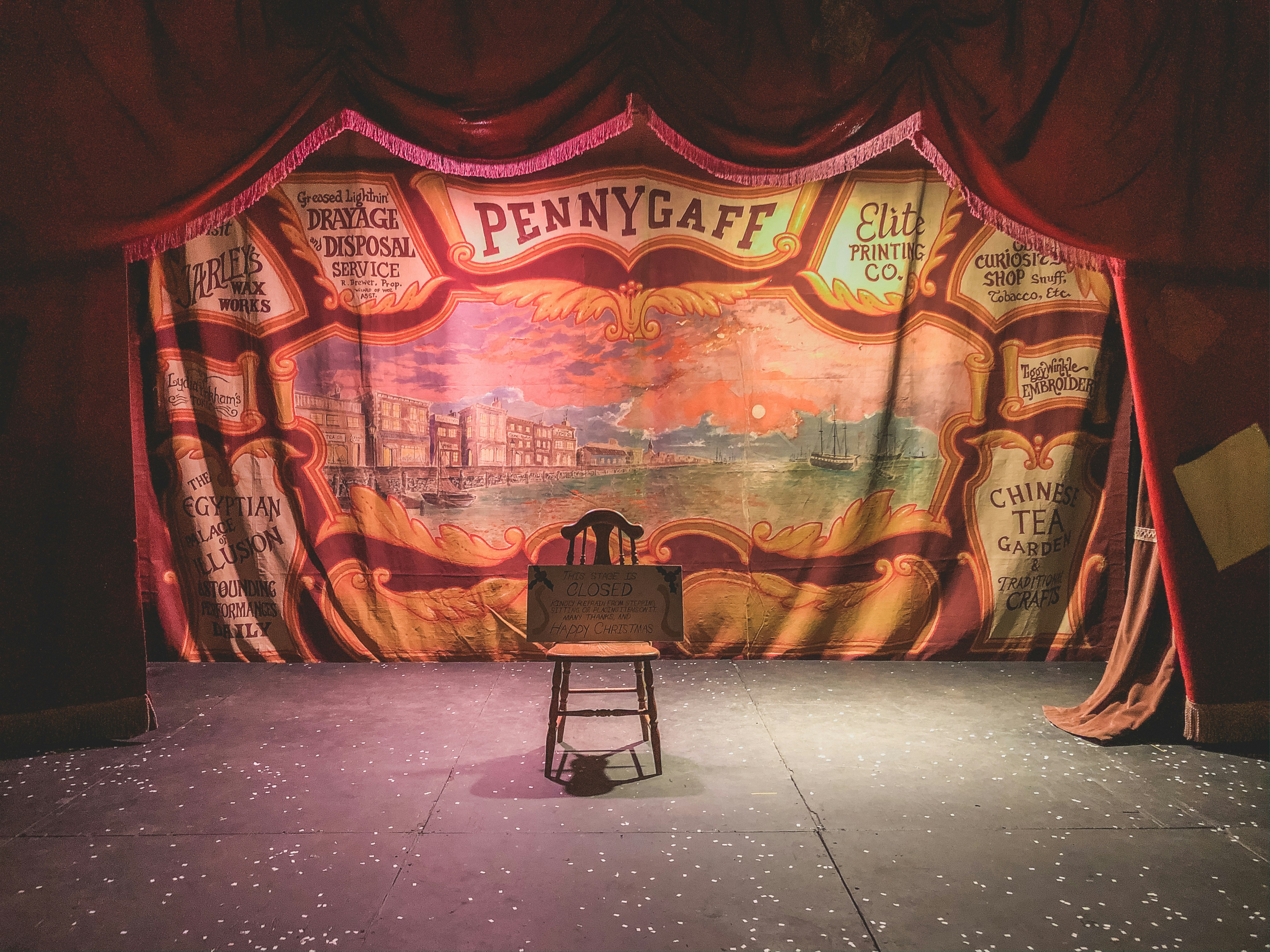
So, we’ve covered the history, the legalities, the best scripts, and the adaptation tips. But the real question is: Will your students love it?
The answer is a resounding yes. Public domain plays offer a unique opportunity to connect students with the timeless power of storytelling. Whether it’s the wit of Wilde, the tragedy of Ibsen, or the whimsy of Barie, these plays have stood the test of time for a reason. They challenge students to think, feel, and grow.
And the best part? You can do it all without breaking the bank. By choosing public domain scripts, you free up your budget for costumes, sets, and maybe even a pizza party for your cast!
Final Recommendation:
Start small. Pick a one-act play like Riders to the Sea or The Post Office for your first public domain production. Get your students involved in the adaptation process. Let them see that these old stories are alive and relevant.
Remember, the goal isn’t just to put on a play; it’s to ignite a passion for theater that lasts a lifetime. So, grab a script, gather your cast, and let the show begin!
One last thing: Don’t forget to check out the video we mentioned earlier about “HaveScripts Blue Moon Plays” for more modern, uplifting options if you need a break from the classics. It’s a great resource for keeping things fresh and engaging. Watch the video here.
Now, go forth and create some magic on your school stage! 🎭✨