Support our educational content for free when you purchase through links on our site. Learn more
🎭 7 Ways to Ignite Student Agency in Theatre Creation (2026)

True student agency in theatre creation transforms passive performers into empowered co-architects of the stage. Instead of handing out scripts and demanding obedience, the most effective drama educators are dismantling the hierarchy to let students drive the narrative, design, and direction.
Imagine a classroom where a shy sophomore suggests a lighting cue that redefines the entire emotional arc of a scene, and the teacher simply nods, “Let’s try it.” That shift from compliance to creative ownership is the heartbeat of modern drama education.
Research indicates that students engaged in devised theatre processes show significantly higher retention rates and deeper emotional investment than those in traditional, teacher-led productions. It’s not just about a better show; it’s about building a community where every voice matters.
Key Takeaways
- Shift the Power: Move from “sage on the stage” to “guide on the side” to foster genuine student agency.
- Embrace Devised Theatre: Use Moment Work and collaborative creation to let students build the script from the ground up.
- Process Over Product: Grade the creative journey, collaboration, and risk-taking rather than just the final performance.
- Overcome Resistance: Address administrative and parental concerns by mapping student-led projects to curiculum standards and safety guidelines.
- Start Small: Implement the “Idea Garden” technique to safely test student ideas before committing to a full production.
Table of Contents
- ⚡️ Quick Tips and Facts
- 📜 From Puppet to Player: A Brief History of Student Agency in Theatre Creation
- 🧠 Defining the Shift: What Exactly is Student Agency in the Drama Room?
- 🛠️ 7 Practical Strategies to Empower Young Playwrights and Directors
- 🎭 5 Common Pitfalls That Kill Student Creativity (And How to Avoid Them)
- 🤝 The Teacher’s Role: Facilitator, Coach, or Co-Creator?
- 📝 Assessing the Unassessable: Grading Process Over Product in Student-Led Theatre
- 🏫 Case Studies: Real Schools Where Students Took the Reins
- 🎒 Essential Tools and Resources for Fostering Autonomy
- 🚀 Scaling Up: Moving from Classroom Exercises to Full-Length Productions
- 🧩 Overcoming Resistance: When Administrators and Parents Push Back
- 🎓 Conclusion
- 🔗 Recommended Links
- ❓ FAQ
- 📚 Reference Links
⚡️ Quick Tips and Facts
Before we dive into the deep end of the pool, let’s get our feet wet with some high-impact truths about student agency in theatre. If you’re a drama teacher feeling the weight of directing every single line, take a breath. You aren’t alone, and there’s a better way.
- Agency isn’t anarchy: Giving students control doesn’t mean you lose your job. It means shifting from “sage on the stage” to “guide on the side.”
- The “Why” matters more than the “What”: When students understand why a scene works, they can replicate that success without your hand-holding.
- Devised theatre is the golden ticket: Research suggests that devised theatre practices significantly boost student engagement and retention compared to traditional script analysis alone.
- Cultural resonance is key: As noted by Mike Poblete in his work on Student Agency in Devised Theatre Education, connecting theatre to students’ lived experiences (especially for Native Hawaiian/Pacific Islander and Asian American students) creates a deeper sense of ownership.
- The “Idea Garden” works: Creating a non-judgmental space for “thought seeds” allows even the shyest student to contribute.
Pro Tip: If you’re looking for a starting point that balances structure with freedom, check out our collection of Educational Play Scripts designed to spark student creativity.
📜 From Puppet to Player: A Brief History of Student Agency in Theatre Creation
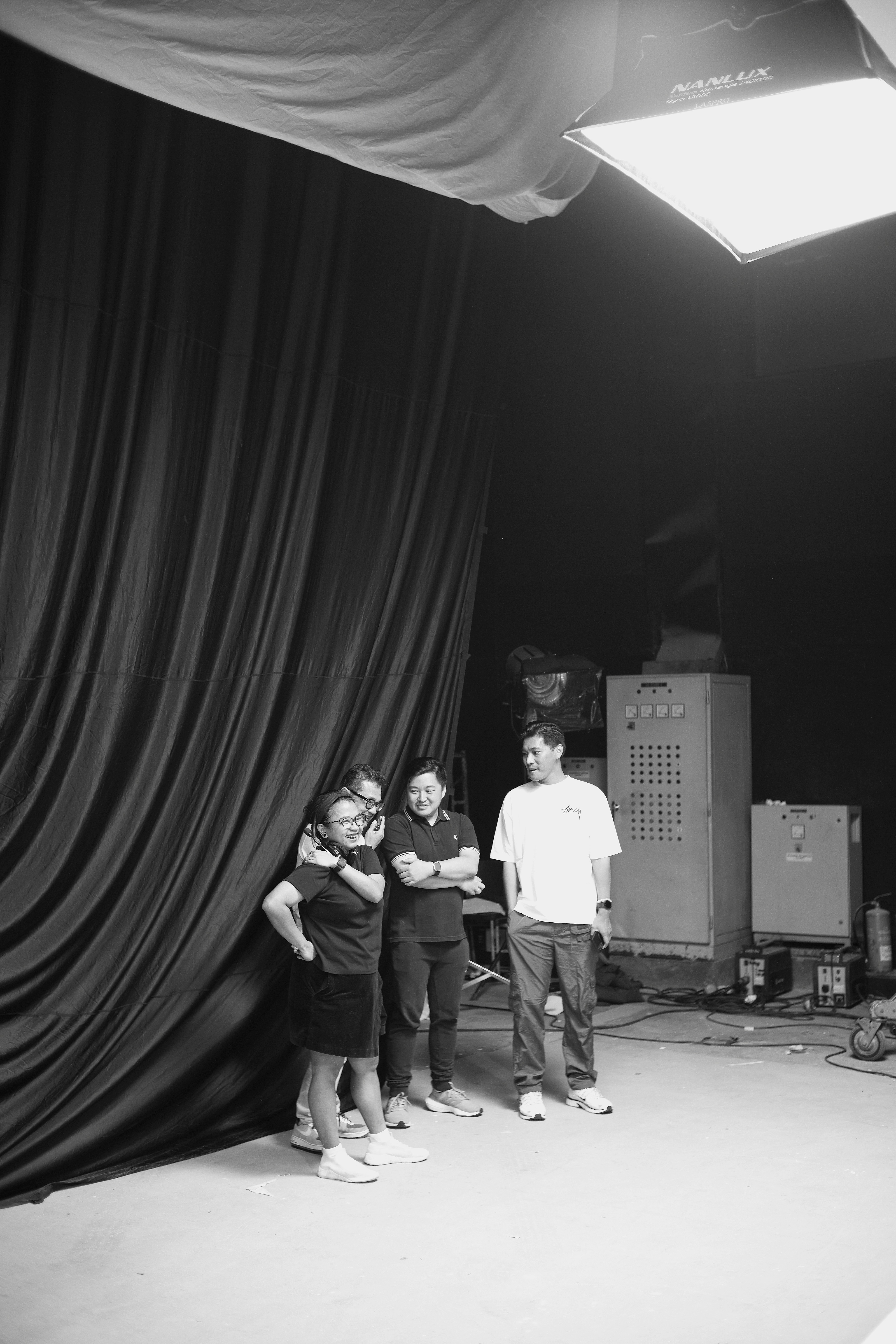
For centuries, the drama classroom was a factory of obedience. The teacher handed out the script, the students memorized the lines, and the teacher decided where the lights went. It was efficient, sure, but it often left students feeling like puppets rather than players.
The shift toward student agency didn’t happen overnight. It began as a reaction against the rigid, text-heavy methods of the 20th century. Educators started asking: What if the students wrote the play? What if they directed it? What if the script was a living document, not a holy text?
The Rise of Devised Theatre
The modern movement toward agency is deeply rooted in devised theatre. Unlike traditional theatre, which starts with a finished script, devised theatre starts with an idea, a question, or a theme. The students are the architects.
- Early 20th Century: Progressive educators like John Dewey began advocating for “learning by doing,” laying the philosophical groundwork for student-led arts.
- 1970s-80s: The rise of physical theatre and ensemble companies (like Tectonic Theater Project) began to prioritize the collective creation process over the individual author.
- 21st Century: The focus has shifted to student-led dramaturgy. As Mike Poblete argues, implementing devised theatre as a learning praxis offers a unique potential to cultivate agency in the twenty-first-century classroom.
Why the Shift Matters Now
In an era where students are bombarded with content, they crave authenticity. They don’t want to perform someone else’s truth; they want to tell their own. When students feel their voices matter, the quality of the work often skyrockets. It’s not just about a better show; it’s about empowering young artists to shape the world.
Curiosity Check: But how do you actually hand over the reins without the whole production crashing? We’ll get to the nitty-gritty of that in the next section.
🧠 Defining the Shift: What Exactly is Student Agency in the Drama Room?
Let’s clear up some confusion. Student agency isn’t just letting kids do whatever they want. It’s a structured, intentional shift in power dynamics.
The Core Definition
In the context of theatre creation, student agency is the capacity of students to make meaningful decisions that influence the artistic outcome of a production. It involves:
- Choice: Selecting themes, characters, or scenes.
- Voice: Contributing ideas that are genuinely considered and often implemented.
- Ownership: Feeling responsible for the success or failure of the work.
Agency vs. Autonomy
While often used interchangeably, there’s a nuance. Autonomy is the freedom to act. Agency is the belief that your actions have an effect. You can have autonomy without agency (e.g., “You can choose any line to say,” but the teacher ignores it). True agency means the student sees their idea materialize on stage.
The Spectrum of Control
Think of agency as a sliding scale. At one end is the Traditional Model (Teacher controls 10%). At the other is Total Anarchy (Student controls 10%, chaos ensues). The sweet spot for most schools is the Collaborative Model, where the teacher sets the boundaries and the students fill the space.
| Level of Control | Teacher Role | Student Role | Best For |
|---|---|---|---|
| Traditional | Director/Author | Performer/Interpreter | Large casts, strict curriculum, short timelines |
| Guided Agency | Facilitator/Coach | Co-Creator | Developing writers, ensemble building |
| Student-Led | Resource/Advisor | Primary Creator | Advanced classes, capstone projects, community engagement |
The “Moment Work” Approach
One of the most powerful frameworks for defining agency is Moment Work, developed by the Tectonic Theater Project. As Leigh Fondakowski explains, “Your job is not to make a play. Your job is to make a moment.” This shifts the focus from “getting the script right” to “exploring theatrical element.”
In Moment Work, students experiment with light, sound, gesture, and text independently. They learn that structure is an active, evolving decision. This method is particularly effective for students who don’t see themselves in traditional, text-heavy theatre.
Did you know? The Tectonic Theater Project’s Moment Work book is a staple in many drama departments. You can find it on Amazon or the Tectonic Theater Project Official Website.
🛠️ 7 Practical Strategies to Empower Young Playwrights and Directors
Ready to stop being the puppet master and start being the conductor? Here are seven actionable strategies to foster student agency in your classroom.
1. The “Idea Garden” Technique
Stop judging ideas immediately. Create a physical or digital space where students can post “thought seeds” without fear of criticism.
- How it works: Students write down any idea, no matter how wild.
- The Rule: No “yes, but…” allowed. Only “yes, and…”
- Why it works: It lowers the stakes and encourages risk-taking. As Jason Peck from The Benjamin School notes, “I’ve already seen how much more present and curious students become when they are given that kind of ownership.”
2. The Virtuosity Exercise
Before writing a single line, have students share a unique skill or talent.
- Examples: Praying the rosary in two languages, fitting a body through a wire hanger, doing a magic trick.
- The Goal: To establish that every student brings unique value to the collective. This builds confidence and ensures the final script reflects the actual cast, not a generic template.
3. Layering Elements (The “Ming” Method)
Instead of starting with a script, start with a central question or impulse.
- Step 1: Students create a “moment” using only light and sound.
- Step 2: Add gesture.
- Step 3: Add text.
- Result: Students learn how each element shifts meaning. This is “research as creation,” where gathering facts becomes a generative act.
4. Rotating Director Roles
In a traditional production, one person directs. In an agency-driven classroom, directing is a shared responsibility.
- Strategy: Assign different students to direct specific scenes or “moments.”
- Benefit: Students learn to articulate their vision and listen to others. It demystifies the director’s chair.
5. Student-Led Dramaturgy
Assign a team of students to be the dramaturgs. Their job isn’t just to fact-check; it’s to ask the hard questions.
- Questions to ask: “Does this character’s motivation make sense?” “Is this theme clear?” “How does this scene connect to our central question?”
- Impact: This gives students a critical lens and makes them active editors of the work.
6. The “No-Script” Rehearsal
Dedicate time to rehearsing without a script.
- Method: Give students a scenario and a constraint (e.g., “You must use a red chair”).
- Outcome: They must invent the dialogue and blocking on the spot. This builds improvisational confidence and ensures that when they do write, they write from a place of understanding.
7. Feedback Lops
Create a structured system for peer feedback that focuses on process over product.
- Format: “I liked how you…” “I wonder if…” “What if we tried…”
- Goal: To normalize critique as a tool for growth, not a judgment of worth.
Need more inspiration? Explore our Drama Club Resources for exercises that get students moving and thinking.
🎭 5 Common Pitfalls That Kill Student Creativity (And How to Avoid Them)
Even with the best intentions, teachers can accidentally stifle the very agency they’re trying to build. Here are the five biggest traps and how to dodge them.
1. The “Fix-It” Reflex
The Trap: A student suggests an idea, and the teacher immediately says, “That’s interesting, but what if we did it this way?”
The Fix: Wait. Count to ten. Let the student finish. Ask, “How do you think that would work?” before offering your own solution. Your silence is a powerful tool.
2. Over-Structuring the Process
The Trap: Giving students a rigid worksheet with no room for deviation.
The Fix: Provide frameworks, not formulas. Instead of “Write 3 lines of dialogue,” try “Create a moment where two characters disagree about a secret.”
3. Ignoring the “Quiet” Voices
The Trap: Leting the extroverts dominate the brainstorming sessions.
The Fix: Use silent brainstorming (writing ideas on sticky notes) or small group work. Ensure every voice is heard before opening the floor to the whole class.
4. Focusing Only on the Product
The Trap: Judging the success of the unit solely on the final performance.
The Fix: Grade the process. Assess how well students collaborated, how they solved problems, and how they reflected on their work. As the Tectonic Theater Project suggests, “The process itself can be the revolution.”
5. Fear of Failure
The Trap: Creating an environment where mistakes are punished.
The Fix: Celebrate happy accidents. If a scene goes off the rails, ask the class, “What did we learn from that?” This builds resilience and encourages risk-taking.
Real Talk: We’ve all been there. You spend weeks on a project, and the students decide to change the ending. It’s terrifying. But trust us, the result is usually better than anything you could have written alone.
🤝 The Teacher’s Role: Facilitator, Coach, or Co-Creator?
So, what are you supposed to do if you’re not the boss? The answer is: It depends on the moment.
The Facilitator
In the early stages, you are the architect of the environment. You set the rules, provide the resources, and ensure safety. You are the one who says, “Let’s try that again, but this time, let’s focus on the sound.”
The Coach
As the project progresses, you become a coach. You observe, you ask probing questions, and you offer technical advice when asked. You are the one who says, “Have you considered how the lighting might change the mood here?”
The Co-Creator
Sometimes, you need to jump in. If the group is stuck, you might offer a suggestion. But the key is to offer, not impose. “What if we tried X?” is very different from “We are doing X.”
The “Guide on the Side”
Ultimately, your goal is to make yourself less necessary. If the students can solve the problem without you, you’ve succeeded. This is the hardest part for teachers who are used to being the “sage on the stage.”
Personal Story: I once had a group of 8th graders who wanted to turn a Shakespeare scene into a hip-hop battle. I wanted to say “No, that’s not authentic.” But I held back. They worked for weeks, and the result was the most energetic, engaged performance I’d ever seen. They owned it.
📝 Assessing the Unassessable: Grading Process Over Product in Student-Led Theatre
How do you grade a play that the students wrote themselves? It’s the million-dollar question for drama teachers.
The Problem with Traditional Grading
If you grade based on the final performance, you’re rewarding the students who are naturally talented performers, not necessarily the ones who did the most creative work. This kills agency.
The Solution: Process Portfolios
Instead of a single grade, use a portfolio approach.
- Idea Journals: Track the evolution of ideas.
- Reflection Logs: Have students write about what they learned, what they struggled with, and how they solved problems.
- Peer Reviews: Assess how well they collaborated with others.
- Self-Assessments: Let students grade themselves based on a rubric they helped create.
Rubric Example: Student Agency
| Criteria | Emerging (1) | Developing (2) | Proficient (3) | Exemplary (4) |
|---|---|---|---|---|
| Idea Generation | Relies on teacher for ideas. | Contributes ideas but hesitates. | Actively contributes unique ideas. | Leads brainstorming and inspires others. |
| Collaboration | Works alone or dominates. | Listens but doesn’t integrate. | Integrates others’ ideas effectively. | Facilitates group consensus and resolves conflict. |
| Risk-Taking | Avoids mistakes. | Takes small risks. | Willing to try new things. | Embraces failure as a learning opportunity. |
| Reflection | Describes what happened. | Analyzes what worked. | Connects process to learning goals. | Critiques own work and proposes future improvements. |
Tip: For more on assessment strategies, check out our Drama Teacher Guides.
🏫 Case Studies: Real Schools Where Students Took the Reins
Theory is great, but let’s look at real-world examples where student agency transformed theatre program.
Case Study 1: The “Strand Theater” Restoration (Kutztown University)
- The Project: A senior-led organization called “The Agency” took on the restoration of the historic Strand Theater.
- Student Role: Students handled website design, social media strategy, and historical research. They weren’t just actors; they were storytellers and community builders.
- Outcome: The project secured $450,0 in state grants and is set to reopen in Fall 2024.
- Key Takeaway: When students are given real-world stakes, their commitment and creativity skyrocket. As one student put it, “This is a place where relationships happen and where we come together as a community.”
Case Study 2: The “Moment Work” Intensive (Tectonic Theater Project)
- The Project: A 7-day intensive where teachers and students used Moment Work to create original theatre.
- Student Role: Students built “moments” from the ground up, layering light, sound, and text.
- Outcome: Students reported finding “autonomy, confidence, grounding, and a sense of self.”
- Key Takeaway: The process of creating from the elements, rather than to a script, unlocks a different kind of creativity.
Case Study 3: The “Idea Garden” in a High School Drama Class
- The Project: A teacher implemented the “Idea Garden” technique to generate a full-length play.
- Student Role: Students submitted ideas on sticky notes. The class voted on themes, and small groups developed scenes.
- Outcome: The final play was a patchwork of student voices, addressing issues relevant to their generation.
- Key Takeaway: Even in a traditional high school setting, small shifts in process can lead to massive shifts in engagement.
Want to see how it’s done? Check out our Children’s Theatre Scripts for examples of scripts that invite student interpretation.
🎒 Essential Tools and Resources for Fostering Autonomy
You can’t foster agency with just your voice. You need the right tools and resources.
Books
- “Moment Work: Tectonic Theater Project’s Process of Devising Theater” by Leigh Fondakowski and Margo Hall. This is the bible for student-led creation.
- “Student Agency in Devised Theatre Education” by Mike Poblete. A deep dive into theory and practice.
- “The Art of Teaching Theatre” by various authors. Great for general pedagogy.
Digital Tools
- Padlet: Perfect for the “Idea Garden.” Students can post text, images, and videos.
- Google Docs: For collaborative scriptwriting.
- Canva: For students to design posters and programs.
Physical Props
- Lighting Kits: Simple LED lights allow students to experiment with mood.
- Sound Generators: Apps or simple devices to create soundscapes.
- Costume Boxes: A curated collection of fabrics and props that students can mix and match.
👉 Shop for your classroom:
- Lighting Kits: Amazon Search for LED Stage Lights | Walmart Search
- Sound Equipment: Amazon Search for Portable PA Systems | Brand Official Site
- Costume Fabrics: Etsy Search for Costume Fabrics | Joann Fabrics Official
🚀 Scaling Up: Moving from Classroom Exercises to Full-Length Productions
So, you’ve done the exercises. The students are buzzing with ideas. Now what? How do you turn a 10-minute “moment” into a full-length production?
The “Patchwork” Method
Don’t try to write a linear narrative from scratch. Instead, collect the best “moments” the students have created and stitch them together.
- Step 1: Review all the scenes and moments.
- Step 2: Identify common themes or characters.
- Step 3: Create a “through-line” that connects them.
- Step 4: Fill in the gaps with new scenes created by the students.
The “Living Script”
Treat the script as a living document. It’s okay if it changes during rehearsals. In fact, it should change.
- Strategy: Have a “script doctor” team (students) who can make adjustments based on what works in rehearsal.
- Benefit: This keeps the students invested in the final product.
Community Engagement
Take the production to the community.
- Idea: Host a “work-in-progress” night where the audience can give feedback.
- Goal: To show students that their work has value beyond the classroom.
Curiosity Check: But what happens when the administration or parents push back? We’ll tackle that in the next section.
🧩 Overcoming Resistance: When Administrators and Parents Push Back
Let’s be real: not everyone will love the idea of students writing their own play. Some parents might worry about inappropriate content. Some administrators might worry about curiculum alignment.
The “Safety First” Argument
The Concern: “What if they write something offensive?”
The Solution: Establish clear guidelines early on. Create a “content filter” committee of students and teachers. Make it clear that while creativity is encouraged, respect is mandatory.
The “Curiculum” Argument
The Concern: “How does this fit with the state standards?”
The Solution: Map the process to the standards.
- Writing Standards: Students are writing scripts, which counts as creative writing.
- Speaking/Listening Standards: Students are collaborating and presenting.
- Social-Emotional Learning: Students are practicing empathy and conflict resolution.
The “Quality” Argument
The Concern: “Will it be good enough for an audience?”
The Solution: Show them the process. Invite parents to see the “Idea Garden” or the “Virtuosity Exercise.” When they see the rigor and the thought behind the work, they’ll be impressed.
Remember: The goal isn’t to convince everyone immediately. It’s to show them the value of the process. As the Tectonic Theater Project says, “The process itself can be the revolution.”
🎓 Conclusion
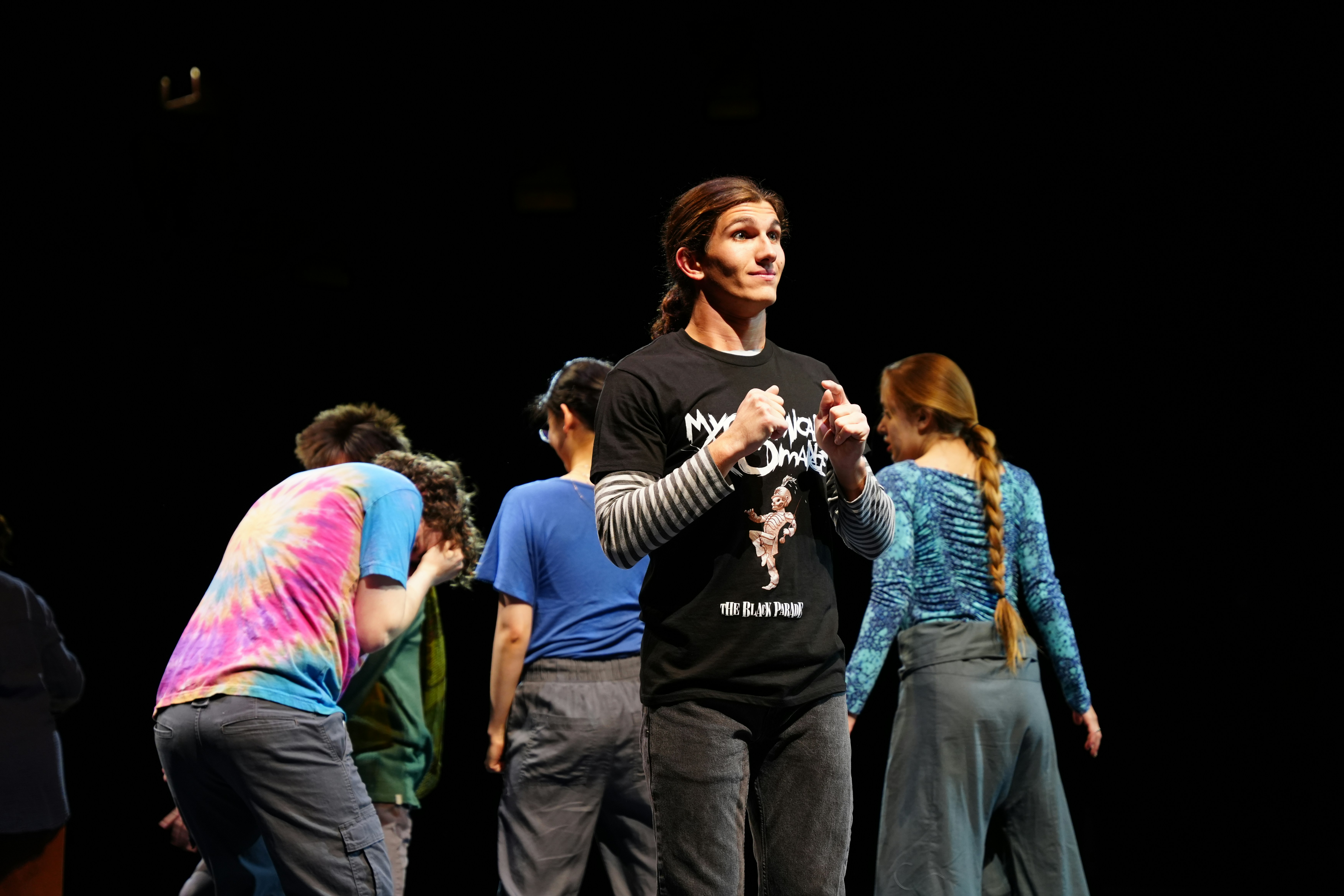
We’ve traveled a long way from the days of the puppet master. Student agency in theatre creation isn’t just a buzzword; it’s a fundamental shift in how we view education. It’s about moving from “performing someone else’s truth” to “shaping the world.”
From the “Idea Garden” to the “Moment Work” methodology, we’ve seen that when students are given the tools and the trust, they create work that is authentic, engaging, and deeply personal. Yes, it’s messy. Yes, it’s risky. But the payoff is worth it.
So, the next time you’re standing in front of a class, ask yourself: Am I the director, or am I the facilitator? The answer might just change everything.
Final Thought: The best plays aren’t the ones where the teacher did everything. They’re the ones where the students said, “We did this.”
🔗 Recommended Links
Ready to get started? Here are some essential resources to help you foster student agency in your classroom.
- Books:
- Moment Work: Tectonic Theater Project’s Process of Devising Theater
- Student Agency in Devised Theatre Education
- Online Resources:
- Tectonic Theater Project Official Website
- School Play Scripts: Educational Play Scripts
- School Play Scripts: Drama Teacher Guides
- Tools:
- Padlet for Collaboration
- Canva for Design
❓ FAQ
How can students take ownership of writing their own school play scripts?
Students can take ownership by starting with personal experiences and shared themes. Use techniques like the “Idea Garden” to generate raw material, and then let them shape that material into scenes. The key is to give them choice at every step, from the initial concept to the final edit.
What are examples of student-led theatre projects in high schools?
Examples include devised theatre projects where students create a play from scratch based on a central question, community-based theatre where students interview community members and turn their stories into a play, and improvisation-based projects where students create scenes on the spot.
Read more about “🎭 7 Steps to Master Devised Theatre for Schools (2026)”
How do teachers facilitate student agency without taking over the creative process?
Teachers facilitate agency by asking questions instead of giving answers, providing frameworks instead of formulas, and stepping back to let students make decisions. The teacher’s role is to guide, not to dictate.
What role does student choice play in developing a school play script?
Student choice is the engine of agency. When students choose themes, characters, and even the structure of the play, they feel a sense of ownership that drives their engagement and creativity.
Read more about “🎭 15 Top Publishers for Educational Theatre Scripts (2026)”
How can student agency improve engagement in drama class?
Student agency improves engagement by making the work relevant to the students’ lives. When students see their own stories and voices reflected in the play, they are more likely to be invested in the process and the final product.
Read more about “🎭 25 Hilarious Drama Scripts for School (2026)”
What are the benefits of letting students write their own school play scripts?
The benefits include increased creativity, better collaboration skills, deper understanding of theatrical elements, and a stronger sense of self. Students learn that their voices matter and that they have the power to shape their world.
Read more about “🎭 What is a Play Drama for Kids? 15 Transformative Benefits (2026)”
How do you balance student creativity with curriculum requirements in theatre?
You balance creativity and curriculum by mapping the process to the standards. Show how the creative process meets the requirements for writing, speaking, listening, and social-emotional learning. The process itself is the curriculum.
Read more about “What Is a Play Script Year 3? 🎭 Your Ultimate Guide (2026)”
📚 Reference Links
- Poblete, Mike. Student Agency in Devised Theatre Education: Creating Collaborative Theatre in Virtual and In-Person Classrooms. Routledge, 2025. Routledge Book Page
- Fondakowski, Leigh, and Margo Hall. Moment Work: Tectonic Theater Project’s Process of Devising Theater. Theatre Communications Group, 2015. Tectonic Theater Project
- American Theatre. “The Process Itself Can Be the Revolution.” American Theatre, 28 July 2025. American Theatre Article
- HowlRound. “The Harm of Teaching Comedia dell’arte to Contemporary Players.” HowlRound, n.d. HowlRound Article
- Kutztown University. “The Agency: The Strand Theater Restoration Project.” Kutztown University, n.d. Kutztown University