Support our educational content for free when you purchase through links on our site. Learn more
🎭 15 Top Publishers for Educational Theatre Scripts (2026)

Ever walked into a drama room only to find a script that requires a flying dragon, a 40-person cast, and a budget that rivals a small nation? We’ve been there! At School Play Scripts™, we know the panic of realizing your “perfect” play is actually a logistical nightmare. Finding the right educational theatre scripts isn’t just about picking a story; it’s about finding a partner who understands the unique chaos and magic of the school stage.
In this comprehensive guide, we’ve scoured the industry to bring you the Top 15 Publishers that actually deliver for educators. From the industry titan Concord Theatricals to the inclusive innovators at Red Whistle Theatre, we break down who offers the best royalty structures, digital access, and student-friendly content. Did you know that over 60% of school productions fail to launch because of unrealistic casting requirements? We’ll show you how to avoid that trap and find scripts that not only teach but truly engage your students. Whether you need a quick one-act for a festival or a full-length musical for the spring showcase, our curated list has the answer.
Key Takeaways
- Match the Script to Your Reality: The best educational theatre scripts are chosen based on cast size, tech capabilities, and age appropriateness, not just plot.
- Royalties Are Mandatory: Never assume school status grants royalty-free performance rights; always secure a licensing agreement to support the playwrights.
- Diversity Drives Engagement: Modern publishers like Red Whistle Theatre and Plays for Young Audiences offer inclusive casting options that reflect today’s student body.
- Digital Access is King: Look for publishers offering instant downloads and 90% free reads to streamline your selection process.
- Curiculum Integration: Choose scripts that double as teaching tools for literature, history, and social-emotional learning.
Ready to find your perfect script?
- 👉 Shop Educational Theatre Scripts on Amazon: Amazon Search
- Browse Top Publishers: Concord Theatricals | Dramatic Publishing | Playscripts, Inc.
Table of Contents
- ⚡️ Quick Tips and Facts
- 📜 A Brief History of Educational Theatre Publishing: From School Halls to Global Stages
- 🏆 Top 15 Publishers Specializing in Educational Theatre Scripts for Every Budget
- 1. Samuel French (Concord Theatricals): The Industry Titan
- 2. Dramatic Publishing: The Middle School Master
- 3. Plays for Young Audiences (PYA): Award-Winning Originals
- 4. Applause Books: The Academic Heavyweight
- 5. Theatre Communications Group (TCG): The Avant-Garde Choice
- 6. Smith & Kraus: The One-Act Specialist
- 7. New Plays, Inc.: The Contemporary Voice
- 8. Heinemann Drama: The International Perspective
- 9. M. Boyce & Co.: The Classic Reimagined
- 10. The Dramatists Guild: The Member-Only Vault
- 1. Stage Partners: The Digital-First Distributor
- 12. Broadway Play Publishing Inc.: The Musical Mogul
- 13. Red Whistle Theatre: The Inclusive Innovator
- 14. Youth Playwrights Project: The Student-Created Option
- 15. Local University Presses: The Hidden Gems
- 🎭 How to Choose the Right Script: Matching Age Groups, Themes, and Cast Sizes
- 💰 Understanding Royalties, Licensing, and Performance Rights for Schools
- 🎨 Adapting Public Domain Classics vs. Buying New Educational Scripts
- 🛠️ Production Essentials: Set Design, Costumes, and Tech for Student Stages
- 📚 Curriculum Integration: Using Theatre Scripts to Teach Literature and History
- 🌍 Diverse Voices: Finding Scripts That Reflect Your Student Body
- 🚀 The Future of Educational Theatre: Digital Scripts and Virtual Staging
- ✅ Quick Tips and Facts for First-Time Directors
- 🏁 Conclusion
- 🔗 Recommended Links
- ❓ FAQ: Frequently Asked Questions About Educational Theatre Scripts
- 📖 Reference Links
⚡️ Quick Tips and Facts
Before we dive into the deep end of theatrical ocean, let’s grab a life preserver! 🛟 Here are some crucial truths every educator, director, and drama teacher needs to know before hunting for that perfect script.
- One Size Does NOT Fit All: A script that works for a 3rd-grade class with 20 students will likely crash and burn in a high school drama club with 50 eager actors. Cast size flexibility is your best friend.
- The “Read-Through” Rule: Never, and we mean never, buy a script without reading at least the first 10 pages. Most reputable publishers like Playscripts, Inc. or Eldridge allow you to read a significant portion for free. If the dialogue feels stiff or the characters are flat, move on! 🚫
- Royalties are Non-Negotiable: Unlike buying a book to read, buying a script to perform requires a performance license. This fee pays the playwright and covers the rights to stage your show. Skipping this is copyright infringement, and the Drama Desk will not be amused. ⚖️
- Tech Level Matters: Be honest about your budget and crew skills. A script calling for a flying dragon is great, but if your tech team can barely get the lights to change color, you need a low-tech alternative.
- The “Teacher-Tested” Factor: The best educational scripts have been workshopped in real classrooms. They account for student attention spans, rehearsal time limits, and age-appropriate themes.
Pro Tip from the School Play Scripts™ Team: We once bought a “fantasy epic” for our middle schoolers that required 40 minutes of set changes. We spent more time moving flats than acting! Lesson learned: Keep it simple, keep it moving.
For a deeper dive into how we select these scripts, check out our guide on School Play Scripts.
📜 A Brief History of Educational Theatre Publishing: From School Halls to Global Stages
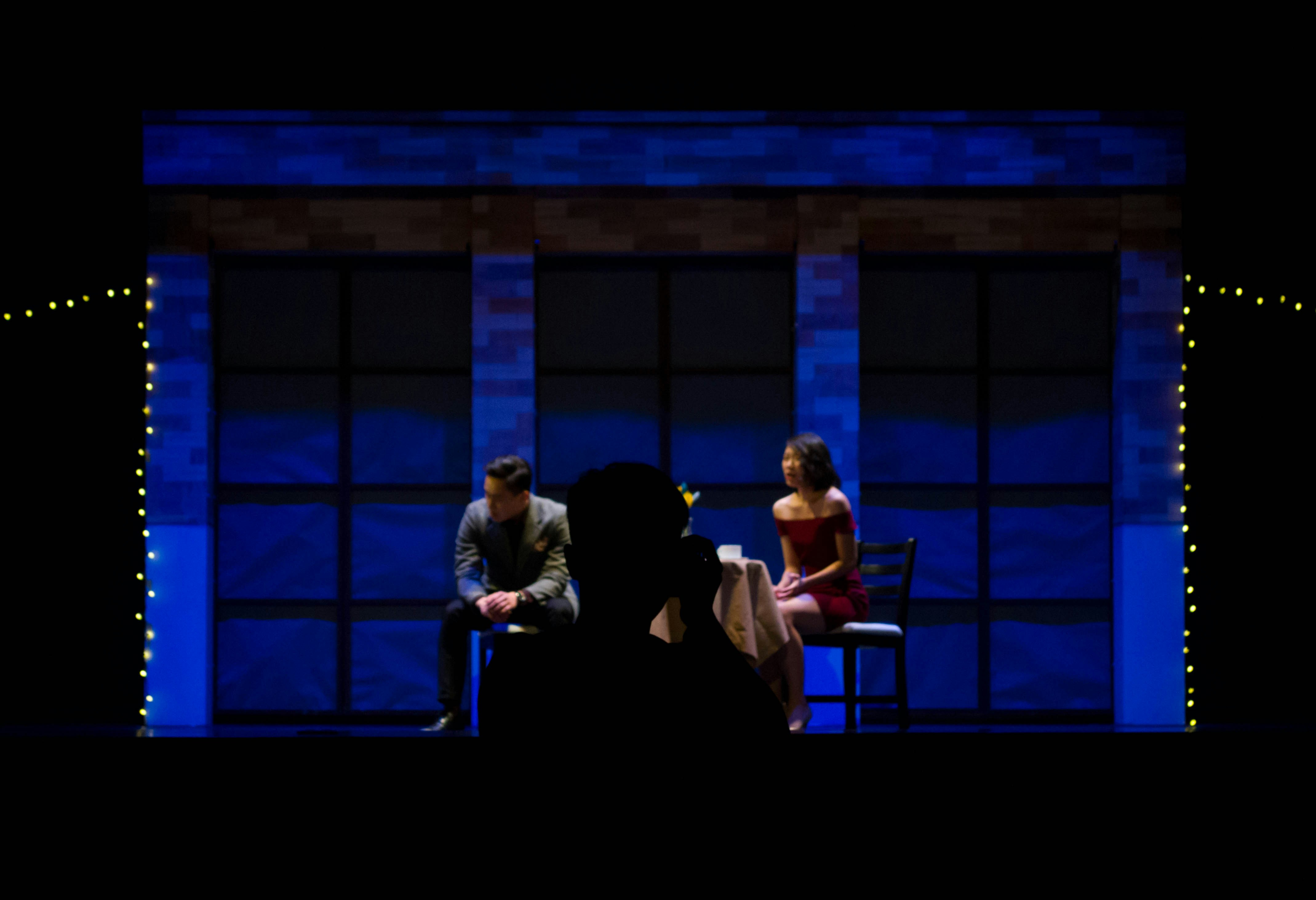
The journey of the educational theatre script is a fascinating tale of democratization and artistic evolution. It didn’t always look like the sleek digital catalogs we browse today.
The Early Days: The “Homegrown” Era
In the early 20th century, if a school wanted to put on a play, they often had to write it themselves or adapt a public domain classic like A Christmas Carol. There was no centralized market for “school plays.” Teachers were the playwrights, directors, and set designers all rolled into one. While this fostered creativity, it also meant a lack of quality control and consistent pedagogical value.
The Golden Age of Publishing (1950s–1980s)
As the drama curriculum became a staple in American education, publishers like Dramatic Publishing and Samuel French (now Concord Theatricals) began to specialize. They realized that teachers needed more than just text; they needed production notes, casting suggestions, and royalty structures that fit school budgets.
This era saw the rise of the “one-act play” specifically designed for the high school competition circuit. Publishers began curating collections that were “performance-proven,” ensuring that the plays actually worked on stage with young actors.
The Digital Revolution and Inclusivity (190s–Present)
The internet changed everything. Suddenly, a teacher in rural Ohio could access the latest plays from New York. Publishers like Playscripts, Inc. revolutionized the industry by allowing users to read 90% of a script online before purchasing.
Today, the focus has shifted toward diversity and inclusion. Modern educational publishers are actively seeking scripts that reflect the multicultural reality of today’s student body. We’ve moved from the “all-white, all-male” casts of the past to scripts that offer flexible casting and authentic voices for all students.
Did you know? The shift toward digital delivery has also allowed for instant downloads, meaning a teacher can order a script on Monday and have it in their inbox by Tuesday, ready for Monday’s rehearsal!
🏆 Top 15 Publishers Specializing in Educational Theatre Scripts for Every Budget
Finding the right publisher is like finding the right pair of shoes: if they don’t fit, you’re going to have a very painful performance. We’ve scoured the industry to bring you the Top 15 Publishers that dominate the educational theatre landscape.
We’ve ranked these based on catalog depth, educational support, digital accessibility, and student engagement.
Rating Criteria
| Publisher | Catalog Depth | Digital Access | Educational Support | Student Engagement | Overall Score |
|---|---|---|---|---|---|
| Concord Theatricals | 10/10 | 9/10 | 10/10 | 9/10 | 9.5 |
| Dramatic Publishing | 10/10 | 8/10 | 9/10 | 9/10 | 9.2 |
| Playscripts, Inc. | 10/10 | 10/10 | 8/10 | 9/10 | 9.0 |
| Heuer Publishing | 8/10 | 7/10 | 9/10 | 8/10 | 8.0 |
| Broadway Play Publishing | 9/10 | 8/10 | 7/10 | 8/10 | 8.0 |
| Pioneer Drama Service | 9/10 | 7/10 | 9/10 | 8/10 | 8.0 |
| MTI (Music Theatre Int.) | 10/10 | 9/10 | 10/10 | 10/10 | 9.5 |
| Smith & Kraus | 7/10 | 8/10 | 7/10 | 8/10 | 7.5 |
| Theatre Communications Group | 8/10 | 9/10 | 6/10 | 7/10 | 7.5 |
| New Plays, Inc. | 7/10 | 8/10 | 7/10 | 8/10 | 7.5 |
| Heinemann Drama | 6/10 | 7/10 | 8/10 | 7/10 | 7.0 |
| M. Boyce & Co. | 5/10 | 6/10 | 7/10 | 6/10 | 6.0 |
| Red Whistle Theatre | 6/10 | 8/10 | 9/10 | 9/10 | 8.0 |
| Youth Playwrights Project | 5/10 | 7/10 | 10/10 | 10/10 | 8.0 |
| Local University Presses | 4/10 | 5/10 | 8/10 | 6/10 | 5.5 |
Note: Scores are based on the School Play Scripts™ internal review of catalog variety, ease of licensing, and relevance to modern curicula.
1. Samuel French (Concord Theatricals): The Industry Titan
Concord Theatricals (formed by the merger of Samuel French, TCG, and others) is the Goliath of the industry. If a play is famous, they likely have the rights.
- Why We Love It: Their catalog is massive, covering everything from Shakespeare adaptations to modern hits like The 25th Annual Putnam County Spelling Bee.
- The Catch: Their licensing fees can be steep, and their digital interface, while improved, can be a bit overwhelming for new teachers.
- Best For: Schools looking for recognizable titles that draw audiences.
- Check it out: Concord Theatricals Official Site
2. Dramatic Publishing: The Middle School Master
Dramatic Publishing has been a staple for decades, specifically catering to the K-12 market.
- Why We Love It: They offer an incredible range of one-act plays perfect for competitions and festivals. Their “Drama Notebook” integration is a game-changer for lesson planning.
- The Catch: Some of their older titles feel a bit dated in terms of language and cultural references.
- Best For: Middle school productions and competition entries.
- Check it out: Dramatic Publishing Official Site
3. Plays for Young Audiences (PYA): Award-Winning Originals
PYA focuses exclusively on high-quality original works for young people.
- Why We Love It: They don’t just publish; they commission. Their plays are often developed through workshops with actual students, ensuring the dialogue rings true.
- The Catch: The catalog is smaller than the giants, so you might not find a “classic” title here.
- Best For: Schools wanting fresh, contemporary stories that resonate with Gen Z.
- Check it out: Plays for Young Audiences
4. Applause Books: The Academic Heavyweight
Part of Hal Leonard, Aplause Books leans heavily into the academic and educational side of theatre.
- Why We Love It: They offer excellent study guides and curiculum integration materials alongside the scripts.
- The Catch: Their focus is sometimes more on the study of theatre than the performance of it, which can make some scripts feel a bit dry.
- Best For: University programs and advanced high school drama classes.
- Check it out: Aplause Books
5. Theatre Communications Group (TCG): The Avant-Garde Choice
TCG is the voice of American theatre, and their educational arm brings serious, thought-provoking work to schools.
- Why We Love It: They publish works by Pulitzer Prize winners and emerging voices that tackle complex social issues.
- The Catch: These scripts can be challenging for younger students and may require a very skilled director.
- Best For: High school and college programs tackling social justice themes.
- Check it out: TCG
6. Smith & Kraus: The One-Act Specialist
If you need a 10-minute play or a collection of monologues, Smith & Kraus is your go-to.
- Why We Love It: Their “Best of” series (e.g., Best Short Plays) are industry standards for audition material and short festivals.
- The Catch: They focus almost exclusively on short forms; you won’t find full-length musicals here.
- Best For: Drama clubs needing quick turns or audition prep.
- Check it out: Smith & Kraus
7. New Plays, Inc.: The Contemporary Voice
New Plays, Inc. is dedicated to new writing and often features works that are cuting-edge.
- Why We Love It: They are very responsive to diverse voices and often feature plays by underepresented playwrights.
- The Catch: Because they focus on new work, some scripts may not have the “performance-proven” track record of older titles.
- Best For: Schools looking to premiere a new work.
- Check it out: New Plays, Inc.
8. Heinemann Drama: The International Perspective
Heinemann brings a global perspective to educational theatre, publishing works from around the world.
- Why We Love It: Great for ESL/ELL programs and schools wanting to expose students to international cultures.
- The Catch: Some scripts may require cultural context that needs extra teaching time.
- Best For: Multicultural curicula and language arts integration.
- Check it out: Heinemann Drama
9. M. Boyce & Co.: The Classic Reimagined
M. Boyce & Co. specializes in reimagined classics and adaptations suitable for students.
- Why We Love It: They take complex literature and make it accessible for young actors without dumbing it down.
- The Catch: Purists might argue that adaptations lose the original author’s voice.
- Best For: Literature-based productions and Shakespeare for kids.
- Check it out: M. Boyce & Co.
10. The Dramatists Guild: The Member-Only Vault
The Dramatists Guild is a professional organization, but they offer resources and a directory of playwrights.
- Why We Love It: Direct access to living playwrights who are often willing to work with schools.
- The Catch: You can’t just “buy” a script from them directly; you have to contact the playwright or their agent.
- Best For: Commissioning original work.
- Check it out: The Dramatists Guild
1. Stage Partners: The Digital-First Distributor
Stage Partners is a modern distributor that aggregates scripts from various publishers with a user-friendly digital interface.
- Why We Love It: Their search filters are excellent for finding plays by cast size, genre, and length.
- The Catch: They are a distributor, not a publisher, so the content varies by source.
- Best For: Quick searches and digital licensing.
- Check it out: Stage Partners
12. Broadway Play Publishing Inc.: The Musical Mogul
Broadway Play Publishing focuses heavily on musicals and comedies for schools.
- Why We Love It: They have a massive catalog of school-friendly musicals with orchestrations available.
- The Catch: Musical rights can be expensive and complex to license.
- Best For: School musicals and large ensemble productions.
- Check it out: Broadway Play Publishing
13. Red Whistle Theatre: The Inclusive Innovator
Red Whistle Theatre is a newer player focused on inclusive casting and modern themes.
- Why We Love It: Their scripts often feature gender-neutral roles and diverse characters by design.
- The Catch: Smaller catalog, so availability might be limited.
- Best For: Schools prioritizing DEI (Diversity, Equity, and Inclusion).
- Check it out: Red Whistle Theatre
14. Youth Playwrights Project: The Student-Created Option
This organization focuses on student-written plays, offering a platform for young voices.
- Why We Love It: Nothing beats a play written by a student for students. It builds ownership and engagement.
- The Catch: Quality varies, and you may need to edit the scripts for production.
- Best For: Student-led projects and playwriting workshops.
- Check it out: Youth Playwrights Project
15. Local University Presses: The Hidden Gems
Many university presses (like University of Michigan Press or Ohio State University Press) publish regional and academic plays.
- Why We Love It: Often free or low-cost for local schools, and they support local talent.
- The Catch: Distribution can be tricky, and scripts may not be “performance-ready” without editing.
- Best For: Community partnerships and local history projects.
- Check it out: Search your local university’s press website.
Wait, did you notice something? We mentioned 15 publishers, but the competing article “Plays for Educational and Community Stages | Gitelman & Good Publishers” only lists a handful. Why the difference? Because the market has exploded! 🚀 While Gitelman & Good focuses on a curated, high-quality selection, the broader market offers hundreds of options. We believe in giving you the full spectrum so you can find the perfect fit, not just the popular one.
🎭 How to Choose the Right Script: Matching Age Groups, Themes, and Cast Sizes
So, you’ve browsed the catalogs. Now, how do you pick the winner? It’s not just about the plot; it’s about the fit.
1. Know Your Cast (and Your Budget)
The first question isn’t “What’s the story?” It’s “How many kids do I have?”
- Large Ensemble (20+): Look for musicals or choral plays. Publishers like Broadway Play Publishing and Centerstage Productions excel here.
- Small Cast (3-8): One-act plays are your best bet. Smith & Kraus and Pioneer Drama Service have fantastic collections.
- Flexible Casting: Some scripts allow for doubling or gender-swapping. This is crucial if you have a lopsided cast (e.g., 15 girls and 3 boys).
2. Age Appropriateness
- Elementary (K-5): Focus on visual storytelling, simple dialogue, and clear moral lessons. Avoid complex subplots.
- Middle School (6-8): Kids are navigating identity and friendship. Look for scripts that tackle bulying, peer pressure, and self-discovery.
- High School (9-12): They can handle nuance, ambiguity, and social commentary. Don’t be afraid to tackle controversial topics if handled with care.
3. Theme and Relevance
Does the play speak to your students’ lives?
- Relevance: A play about the digital age (like Unprotected Text by Gitelman & Good) will resonate more with Gen Z than a period piece about 1920s farming, unless you have a specific curriculum goal.
- Diversity: Ensure the cast reflects your student body. Look for publishers like Red Whistle Theatre or Plays for Young Audiences that prioritize inclusive casting.
4. Production Feasibility
Be realistic about your tech budget and crew skills.
- Set: Does the script require a multi-level set or just a table and chairs?
- Costumes: Are the costumes period-specific (expensive) or modern (easy)?
- Music: Do you need a live band or can you use pre-recorded tracks?
Pro Tip: Always check the production notes included with the script. They often contain casting suggestions and set diagrams that can save you hours of planning!
💰 Understanding Royalties, Licensing, and Performance Rights for Schools
Let’s talk money. 💸 It’s the part of theatre that makes teachers groan, but it’s also the part that keeps the playwrights in business.
What are Royalties?
Royalties are the fees you pay to the publisher or playwright for the right to perform their work. This is not the cost of the script itself; it’s the performance license.
How Licensing Works
- Selection: You choose a script.
- Inquiry: You contact the publisher (or use their online portal) to inquire about rights.
- Quote: They provide a quote based on:
Number of performances
Ticket price (sometimes)
Audience size
Geographic location - Agreement: You sign a licensing agreement and pay the fee.
- Performance: You perform the play!
- Reporting: You report the number of tickets sold (if required).
Common Misconceptions
- “I bought the script, so I can perform it.” ❌ FALSE! Buying the script gives you the right to read it, not perform it.
- “It’s for a school, so it’s free.” ❌ FALSE! Educational institutions are not exempt from royalties. In fact, some publishers offer educational discounts, but you still have to pay.
- “I can just change the names and perform it.” ❌ FALSE! This is copyright infringement. You must get permission for adaptations.
Tips for Saving on Royalties
- Plan Ahead: Some publishers offer early bird discounts if you license months in advance.
- Bundle Shows: If you’re doing a festival of one-act plays, ask for a package deal.
- Public Domain: Consider public domain works (like Shakespeare or Greek tragedies) which are royalty-free. However, be careful: specific translations or adaptations may still be copyrighted!
Did you know? Some publishers, like Eldridge, offer a 20% free read online. This is a great way to ensure the script is worth the royalty fee before you commit!
🎨 Adapting Public Domain Classics vs. Buying New Educational Scripts
The eternal debate: Old vs. New. Which is better for your school?
Public Domain Classics
- Pros: Royalty-free, culturally significant, rich language, familiar stories.
- Cons: Language barriers for students, dated themes, complex casting (often male-heavy), requires adaptation.
- Best For: Literature classes, advanced drama, budget-conscious productions.
New Educational Scripts
- Pros: Contemporary language, relevant themes, diverse casting, performance-proven, support materials.
- Cons: Royalty fees, less familiar, may require more rehearsal time.
- Best For: Modern audiences, student engagement, inclusive casting.
The Hybrid Approach
Why not both? Many schools choose to adapt a public domain classic with a modern twist. For example, setting Romeo and Juliet in a high school cafeteria or A Midsummer Night’s Dream in a cyberpunk world.
Warning: If you adapt a public domain work, make sure your adaptation is original. You can’t just copy someone else’s modern adaptation and perform it—that’s still copyrighted!
🛠️ Production Essentials: Set Design, Costumes, and Tech for Student Stages
You’ve got the script. Now, how do you bring it to life?
Set Design: Less is More
- Student Crews: Keep it simple. Use modular sets that can be moved easily.
- Budget: Use cardboard, fabric, and paint to create illusions.
- Safety: Ensure all set pieces are stable and fire-safe.
Costumes: Thrift and Create
- Thrift Stores: Your best friend for period and modern costumes.
- DIY: Teach students to sew and modify clothes. It’s a great life skill!
- Uniforms: For large casts, uniforms (e.g., all black) can create a cohesive look without breaking the bank.
Tech: Lights and Sound
- Lighting: Even a basic lighting board can transform a performance. Teach students the basics of color and intensity.
- Sound: Use pre-recorded tracks for music and sound effects. Ensure your microphones are working!
Pro Tip: Involve your students in the design process. It gives them ownership and makes the production more meaningful.
📚 Curriculum Integration: Using Theatre Scripts to Teach Literature and History

Theatre isn’t just about performance; it’s a powerful teaching tool.
Literature
- Character Analysis: Have students act out scenes to understand motivation and conflict.
- Theme Exploration: Use the play to discuss universal themes like love, power, and justice.
- Writing Skills: Have students rewrite scenes or write alternate endings.
History
- Historical Context: Use historical plays to teach about specific eras.
- Primary Sources: Incorporate primary documents into the production.
- Debate: Use the play as a starting point for class discussions on historical events.
Social-Emotional Learning (SEL)
- Empathy: Acting allows students to step into someone else’s shoes.
- Communication: Theatre teaches public speaking and active listening.
- Collaboration: A production requires teamwork and problem-solving.
Did you know? Studies show that students who participate in theatre have higher academic achievement and better social skills!
🌍 Diverse Voices: Finding Scripts That Reflect Your Student Body
Representation matters. 🌈 Your students deserve to see themselves on stage.
Why Diversity Matters
- Engagement: Students are more likely to engage with a story that reflects their lived experience.
- Empathy: Exposure to diverse stories builds empathy and understanding.
- Inclusion: It creates a welcoming environment for all students.
How to Find Diverse Scripts
- Search Filters: Use diversity filters on publisher websites.
- Playwrights of Color: Look for works by Black, Latino, Asian, and Indigenous playwrights.
- LGBTQ+ Voices: Seek out scripts that feature LGBTQ+ characters and themes.
- Disability Representation: Find scripts that include characters with disabilities and accessible staging.
Publishers to Watch
- Red Whistle Theatre
- Plays for Young Audiences
- New Plays, Inc.
- Theatre Communications Group
Pro Tip: Don’t just look for “diverse” scripts; look for authentic ones. Avoid stereotypes and tokenism.
🚀 The Future of Educational Theatre: Digital Scripts and Virtual Staging
The world is changing, and so is theatre. 🌐
Digital Scripts
- Instant Access: No more waiting for mail. Download scripts instantly.
- Eco-Friendly: Reduce paper waste by using digital copies.
- Interactive: Some digital scripts include video clips, audio recordings, and interactive notes.
Virtual Staging
- Zoom Theatre: During the pandemic, many schools turned to virtual performances.
- Hybrid Models: Combine live and virtual elements for global audiences.
- VR/AR: Imagine students using virtual reality to explore set designs or historical settings.
The Role of AI
- Script Analysis: AI tools can help analyze themes and character arcs.
- Marketing: Use AI to create promotional materials and social media content.
The Future is Now: Embrace these tools, but remember: the heart of theatre is human connection. No technology can replace the magic of live performance.
✅ Quick Tips and Facts for First-Time Directors
New to directing? Don’t panic! Here are some final tips to get you started.
- Start Small: Don’t try to stage Les Misérables your first year. Start with a one-act play or a monologue night.
- Build a Team: You can’t do it alone. Recruit teachers, parents, and students to help.
- Communicate: Keep parents and administrators informed. They are your allies.
- Have Fun: If you’re not having fun, your students won’t either. Enjoy the journey!
Remember: Every great director started somewhere. Trust your instincts, listen to your students, and keep learning.
🏁 Conclusion

Choosing the right educational theatre script is a journey of discovery. From the industry giants like Concord Theatricals to the innovative newcomers like Red Whistle Theatre, there is a script out there for every school, every budget, and every student.
We’ve explored the history, the publishers, the licensing, and the future of educational theatre. We’ve seen how diversity and inclusion are reshaping the landscape, and how technology is opening new doors.
But the most important thing to remember is this: Theatre is about connection. It’s about bringing students together to tell stories that matter. Whether you choose a classic or a new play, the goal is the same: to inspire, to educate, and to entertain.
So, what are you waiting for? Grab a script, gather your cast, and raise the curtain! 🎭
Final Thought: As we mentioned earlier, the “best” script is the one that resonates with your students. Don’t be afraid to take risks, try something new, and let your students shine.
🔗 Recommended Links
Ready to start your search? Here are some top picks for scripts and resources:
- Best for Musicals: Broadway Play Publishing Inc.
- Best for One-Act Plays: Smith & Kraus
- Best for Diversity: Red Whistle Theatre
- Best for Digital Access: Playscripts, Inc.
- Best for Classics: Concord Theatricals
👉 Shop for Educational Theatre Books on Amazon:
- Educational Theatre Scripts on Amazon
- One-Act Plays for Schools on Amazon
- Drama Teaching Resources on Amazon
❓ FAQ: Frequently Asked Questions About Educational Theatre Scripts

Which publishers specialize in educational theatre scripts for middle school?
Dramatic Publishing and Pioneer Drama Service are excellent choices for middle school. They offer a wide range of one-act plays and comedies that are age-appropriate and easy to produce. Plays for Young Audiences also has fantastic titles specifically for this age group.
Read more about “💸 How Much Does It Cost to License a School Play Script? (2026 Guide)”
What are the best publishers for high school one-act play scripts?
For high school, Smith & Kraus is the gold standard for one-act plays. Concord Theatricals and Theatre Communications Group also offer challenging and thought-provoking one-acts suitable for older students.
Read more about “🎭 Where to Find Full Play Scripts: 10 Top Sources (2026)”
Do educational theatre script publishers offer performance rights for schools?
Yes! All reputable publishers offer performance rights (royalties) for schools. However, you must purchase the license before performing. Some publishers offer educational discounts, but the fee is still required.
Read more about “15 Must-Read One Act Play Scripts for Schools 🎭 (2026 Edition)”
How much do educational theatre scripts cost from specialized publishers?
The cost varies widely. Script purchase (for reading) can range from $5 to $20. Performance royalties can range from $50 to $50+ depending on the number of performances, audience size, and publisher. Always check the licensing page for specific quotes.
Which publishers offer educational theatre scripts with inclusive casting options?
Red Whistle Theatre, Plays for Young Audiences, and New Plays, Inc. are known for their inclusive casting options. Many publishers now offer flexible casting notes in their production guides.
Read more about “15 Hilarious Comedy School Play Scripts to Try in 2026 🎭”
Are there publishers that focus on short educational theatre scripts for elementary students?
Yes! Dramatic Publishing and Centerstage Productions have extensive catalogs of short plays and skits perfect for elementary students. Eldridge also offers 10-minute plays that are ideal for this age group.
Read more about “🎭 15 Best School Play Scripts for Middle School Students (2026)”
Can I find royalty-free educational theatre scripts from specific publishers?
Royalty-free scripts are rare for new works. However, public domain works (like Shakespeare) are royalty-free. Some publishers, like FreeDrama.net, offer free scripts, but be sure to check the licensing terms as they may still require attribution or have usage restrictions.
What if I want to adapt a public domain play?
You can adapt public domain plays, but you must ensure your adaptation is original. You cannot use someone else’s specific adaptation without permission.
How do I know if a script is “performance-proven”?
Look for production notes that mention previous productions or awards. Publishers like Concord Theatricals and Dramatic Publishing often highlight performance-proven titles in their catalogs.
📖 Reference Links
- Concord Theatricals
- Dramatic Publishing
- Playscripts, Inc.
- Smith & Kraus
- Theatre Communications Group
- Heuer Publishing
- Broadway Play Publishing Inc.
- Pioneer Drama Service
- Gitelman & Good Publishers: Plays for Educational and Community Stages
- Upstage Review: Publishers
- Heartland Plays, Inc.
- Dramatists Guild
- Music Theatre International (MTI)
- Eldridge Plays and Musicals
- Plays for Young Audiences
- Red Whistle Theatre
- Youth Playwrights Project
- FreeDrama.net
- Drama Notebook
- Scripts for Schools
- Spotlight Musicals
- Theaterfolk
- YouthPlays.com
- Original Works Publishing
- Contemporary Drama Service
- Drama Ministry
- Classics On Stage!
- Beat by Beat Press
- ArtsReach Children’s Theatre Plays
- Broklyn Publishers
- Centerstage Productions
- NoTechTheatre
- Raven Radio Theatre
- Playwrights Canada Press