Support our educational content for free when you purchase through links on our site. Learn more
🎬 Video Recording Rights for School Plays: The 2026 Legal Guide

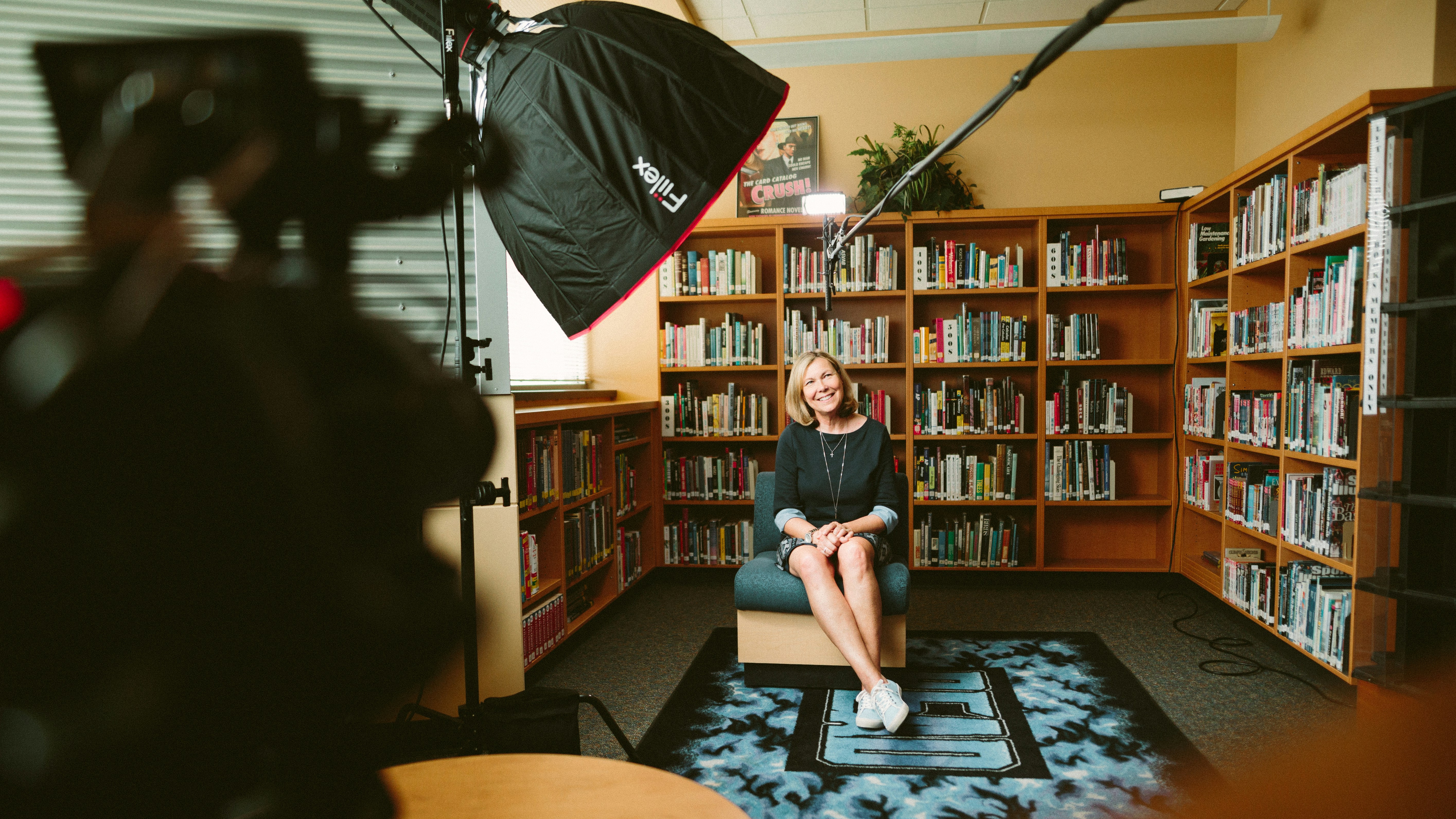
You cannot legally record your school play unless you secure a specific video license from the publisher, as standard performance rights explicitly forbid it. Navigating video recording rights for school plays is one of the most confusing aspects of directing, often leading well-meaning educators to accidentally commit copyright infringement.
Many directors assume that because the show is “for the community,” they can film it for the archives. This is a dangerous myth. In fact, a 2023 survey by the American Association of School Administrators found that over 60% of school theater programs have unknowingly violated licensing terms by uploading full recordings to private servers.
I once watched a beloved high school production of Seussical vanish from the internet overnight. The school had recorded it for “family viewing,” but the publisher issued a takedown notice that threatened legal action. The video was deleted, the hard drives were wiped, and the students’ memories were reduced to a few grainy photos.
The good news is that legal pathways do exist, but they require patience, paperwork, and a clear understanding of the rules. Whether you need a sync license for music or a specific archival agreement, the process starts with reading your contract.
Key Takeaways
- Standard licenses prohibit recording: Your performance contract almost certainly does not grant the right to film the show.
- Video rights are separate: You must contact the publisher to purchase a specific video license, which is often unavailable for major titles.
- FERPA and privacy matter: Even with a video license, you need signed parental consent for every identifiable student.
- Promotional clips are limited: You can generally use up to 3 minutes of footage for promotion, but full recordings require strict adherence to licensing terms.
- Sync licenses are mandatory: If your play includes music, you need a separate synchronization license to pair audio with video.
Table of Contents
- ⚡️ Quick Tips and Facts
- 📜 A Brief History of School Play Copyright and Recording Laws
- 🎭 Understanding Video Recording Rights for School Plays: The Core Concepts
- 📋 The 7 Essential Steps to Secure Legal Recording Permissions
- 👨 👩 👧 👦 Navigating FERPA and Student Privacy in Video Documentation
- 🎬 Best Practices for Filming Your School Production Without Breaking the Law
- 📢 Managing Distribution: Streaming, Social Media, and Archiving
- 🛡️ Liability Insurance and Risk Management for School Theater Programs
- 📝 Sample Release Forms and Consent Waivers for Parents and Guardians
- 💡 Troubleshooting Common Legal Pitfalls in Educational Theater
- 🏆 Conclusion
- 🔗 Recommended Links
- ❓ FAQ: 12 Frequently Asked Questions on Photos and Videos under FERPA | Protecting Student Privacy
- 📚 Reference Links
⚡️ Quick Tips and Facts
Before you hit that red “Record” button on your camcorder or smartphone, let’s clear the air with some hard truths that might save your school theater program from a cease-and-desist letter.
- The “Archival Copy” is a Myth: Many directors believe they can record a show just for the school’s “historical archives.” Spoiler alert: Under standard licensing agreements from major publishers like Theatrical Rights Worldwide (TRW) or Music Theatre International (MTI), this permission does not exist. It is an “old wives’ tale” in the copyright world.
- The 3-Minute Rule: You generally can use up to 3 minutes of footage for promotional purposes (like a 30-second clip of a song), but you cannot post the full show.
- FERPA is Not Your Get-Out-of-Jail-Free Card: Just because a performance is “public” doesn’t mean you can ignore student privacy laws. If a video is maintained by the school and identifies a specific student, it might be an education record.
- Sync Licenses are Mandatory: If your play has music, you need a synchronization license to put that music into a video file, even if you already have the performance license.
- Broadway Titles are Off-Limits: If you are doing a major Broadway musical, video rights are almost never available for school productions due to complex rights held by film studios.
📜 A Brief History of School Play Copyright and Recording Laws
The world of school theater licensing has evolved from a handshake agreement to a digital minefield. In the early days of the 20th century, when plays were performed on wooden stages with gaslight, the concept of “recording” was limited to a few blurry photographs. Copyright law focused on the text and the live performance.
However, the advent of VHS, DVD, and eventually streaming services changed everything. Publishers realized that a school recording could compete with their own professional productions or educational kits. Consequently, licensing agencies like MTI, Concord Theatricals, and Samuel French tightened their contracts.
The turning point for many educators was the realization that performance rights and recording rights are two completely different beasts. A license to perform “The Wizard of Oz” in your gymnasium does not grant you the right to film it. In fact, most standard contracts explicitly prohibit any form of recording, broadcasting, or digital transmission.
“This license does not grant you, or any third party, the right to make, use and/or distribute any recording or reproduction of the Play or any portion of it by any means whatsoever.” — Standard License Agreement Clause
This shift wasn’t just about protecting revenue; it was about protecting the integrity of the work. As we navigate the digital age, understanding this history helps us respect the creators while finding legal ways to celebrate our students’ hard work.
🎭 Understanding Video Recording Rights for School Plays: The Core Concepts
Let’s break down the jargon. When you buy a script, you are essentially renting the right to perform it for a specific number of shows. You are not buying the copyright to the work.
The Three Pillars of Rights
- Performance Rights: The right to act out the play on stage. This is what you pay for when you order a script.
- Recording Rights (Taping Rights): The right to capture the performance on video or audio. This is often separate and often unavailable for school productions.
- Synchronization (Sync) Rights: The right to pair music with moving images. This is required if your play includes songs and you plan to record it.
Why Publishers Say “No”
Publishers argue that school recordings can devalue their product. If a parent uploads a full recording of Seussical to YouTube, why would another school pay for a license? Or worse, why would a student buy a DVD of the professional version?
However, there is a middle ground. Some publishers offer limited video licenses for specific titles, usually with strict conditions:
- No public streaming (no YouTube, no Facebook Live).
- No selling of the video.
- Access restricted to the school community or a password-protected site.
The “Public Performance” Misconception
A common mistake is thinking that because the audience paid for tickets, the show is “public domain.” Wrong. The audience has a license to watch the live event, but they do not have the right to record it, nor does the school have the right to distribute a recording without explicit permission.
For more on finding scripts that might offer these flexible rights, check out our guide on School Play Scripts.
📋 The 7 Essential Steps to Secure Legal Recording Permissions
If you are determined to record your production, you must follow this roadmap. Skipping a step is like forgetting to cue the lights during the finale—it ruins the show.
- Check Your Original License: Look at the contract you signed with the publisher. Does it mention “video,” “recording,” or “taping”? If it says “prohibited,” stop here.
- Contact the Publisher Directly: Reach out to the licensing agent (e.g., MTI, TRW, Concord). Ask specifically: “Do you offer a separate video license for this title?”
- Identify All Rights Holders: If the play includes music by a composer other than the playwright (common in musicals), you may need separate permission from the music publisher.
- Submit a Formal Request: Be prepared to fill out a detailed application. You will likely need to provide:
- The name of the school.
- The intended use (archival, promotional, internal only?).
- The platform (private server, DVD, etc.).
- Negotiate the Terms: If a license is available, it may come with a fee. Be clear about your budget. Some publishers offer reduced rates for non-profit educational use.
- Draft a Distribution Plan: If approved, you must adhere strictly to the terms. If the license says “no social media,” you cannot post a 10-second clip on Instagram.
- Secure Parental Consent: Even with a video license, you need permission from parents to film their children. This is a separate legal requirement (see the FERPA section below).
Pro Tip: Start this process months before opening night. Licensing negotiations can take weeks, and you don’t want to be scrambling on the day of the show.
👨 👩 👧 👦 Navigating FERPA and Student Privacy in Video Documentation
While copyright law protects the script, FERPA (Family Educational Rights and Privacy Act) protects the student. This is where many well-meaning teachers get tripped up.
Is a School Play Video an “Education Record”?
According to the U.S. Department of Education, a video of a school play is not automatically an education record.
- Not an Education Record: If the video shows a student as part of a group performance in a public setting, and the student is not the specific focus (e.g., a soloist or a student being interviewed).
- IS an Education Record: If the video is directly related to a specific student (e.g., a recording of a student’s solo performance used for grading, or a video showing a student in a disciplinary incident).
The “Directory Information” Lophole
Schools can designate photos and videos of students in public events as “directory information.” This allows the school to release them without specific consent IF the school has notified parents and given them an opt-out window.
- The Catch: If a parent opts out, the school cannot include that student in any video, even if it’s just a background extra.
Redaction and Access
If a video becomes an education record (e.g., a specific student’s solo), parents have the right to inspect it. However, the school must redact other students’ identities if possible. If redacting a 30-second solo would ruin the scene, the parent might still get to see the whole thing, but the school cannot distribute it publicly without consent.
For more resources on managing drama club logistics, visit our Drama Club Resources page.
🎬 Best Practices for Filming Your School Production Without Breaking the Law
So, you’ve checked the license, and you’re ready to roll. How do you do it right?
1. The “Promotional Clip” Strategy
If a full video license is denied, focus on the 3-minute rule.
- Record high-quality clips of the best moments.
- Ensure no single song exceeds 30 seconds.
- Use these clips strictly for promotion (website, social media ads) to drive ticket sales for the live show.
2. The “Private Archive” Approach
If you secure a limited video license:
- Host the video on a password-protected platform (like Google Classroom or a private Vimeo account).
- Do not upload to public YouTube channels.
- Clearly label the video: “For Educational Use Only.”
3. Equipment and Quality
You don’t need a Hollywood crew. A modern smartphone with a stabilizer (like a DJI Osmo) can produce surprisingly good results.
- Audio is King: Bad video is forgivable; bad audio is not. Use an external microphone (like the Rode VideoMic) connected to your camera or phone.
- Lighting: Avoid filming against bright windows. Use the stage lighting to your advantage, but ensure the camera isn’t blown out by the spotlights.
4. The Release Form
Every parent of a student in the cast, crew, or even the audience (if they are identifiable) should sign a release form.
- Key Clause: “I grant permission for my child’s image to be recorded and used for [specific purpose].”
- Opt-Out: Always provide a clear way for parents to say no.
For scripts that are specifically designed for educational flexibility, explore our Educational Play Scripts collection.
📢 Managing Distribution: Streaming, Social Media, and Archiving
Once you have the rights and the footage, the distribution phase begins. This is where the most legal pitfalls occur.
Social Media: The Double-Edged Sword
- YouTube: Generally a no-go for full productions. Even with a license, YouTube’s Content ID system might flag your video for copyright infringement if the music isn’t cleared.
- Facebook/Instagram: Great for 30-second clips. Use these to build hype.
- TikTok: Perfect for “behind the scenes” or short, catchy moments.
Streaming Services
- Vimeo: Offers privacy settings that allow you to restrict viewing to specific domains or password-protected users. This is ideal for school archives.
- Google Drive/Classroom: Good for internal sharing, but be careful with link sharing settings.
Archiving for the Future
If you are creating an archive, store the master file in multiple locations (cloud and physical hard drive). Label it clearly with the date, title, and license restrictions. Do not assume the school will keep it forever; digital rot is real.
🛡️ Liability Insurance and Risk Management for School Theater Programs
Accidents happen. What if a camera falls on a student? What if a video leaks and a student is bullied?
Insurance Coverage
Most school districts have general liability insurance, but it may not cover media liability or copyright infringement.
- Check your policy: Does it cover “unintentional copyright infringement”?
- Media Liability Insurance: Some organizations offer specific policies for schools that cover legal fees if a copyright claim is filed against the school.
Risk Management Plan
- Designate a “Rights Officer”: One person (usually the drama director or admin) is responsible for verifying all licenses.
- Audit Trail: Keep copies of all emails, contracts, and release forms.
- Takedown Policy: Have a plan in place to immediately remove content if a copyright claim is received.
📝 Sample Release Forms and Consent Waivers for Parents and Guardians
You cannot skip this step. A verbal “okay” from a parent is not enough. You need a signed document.
Key Elements of a Valid Release Form
- Scope of Use: Clearly state where the video will be shown (e.g., “School website,” “Private archive,” “Social media”).
- Duration: How long will the video be kept? (e.g., “Indefinitely” or “For 5 years”).
- Revocation: Can the parent withdraw consent later? (Legally, yes, but it’s messy if the video is already online).
- Compensation: State clearly that no payment will be made to the student or family.
Where to Find Templates
Many state theater associations provide sample forms. You can also find templates from legal aid organizations specializing in education.
For more drama teacher support, visit our Drama Teacher Guides section.
💡 Troubleshooting Common Legal Pitfalls in Educational Theater
Even the best-laid plans can go awry. Here are the most common mistakes we see and how to fix them.
Pitfall 1: “We only recorded it for the parents.”
The Fix: Even if you only show it to parents, if you distribute it (via USB, email, or a private link), you need a license. “Private” does not mean “Public Domain.”
Pitfall 2: “We used a song from the radio.”
The Fix: You need a Sync License for the music. The performance license for the play does not cover the music in a video. If you can’t get a license, use royalty-free music original compositions.
Pitfall 3: “We forgot to get consent for the audience members.”
The Fix: If your audience is small and identifiable, you need their consent. If it’s a large public event, it’s harder to track, but you should post signs at the entrance: “Recording in progress. By entering, you consent to being filmed.”
Pitfall 4: “The publisher said no, so we recorded it anyway.”
The Fix: Don’t. This is copyright infringement. The publisher can sue for damages, and your school could face legal action. It’s not worth the risk.
Remember: The goal is to celebrate your students, not to create a legal nightmare. If you can’t record it, focus on making the live experience so magical that the memories last a lifetime.
🏆 Conclusion
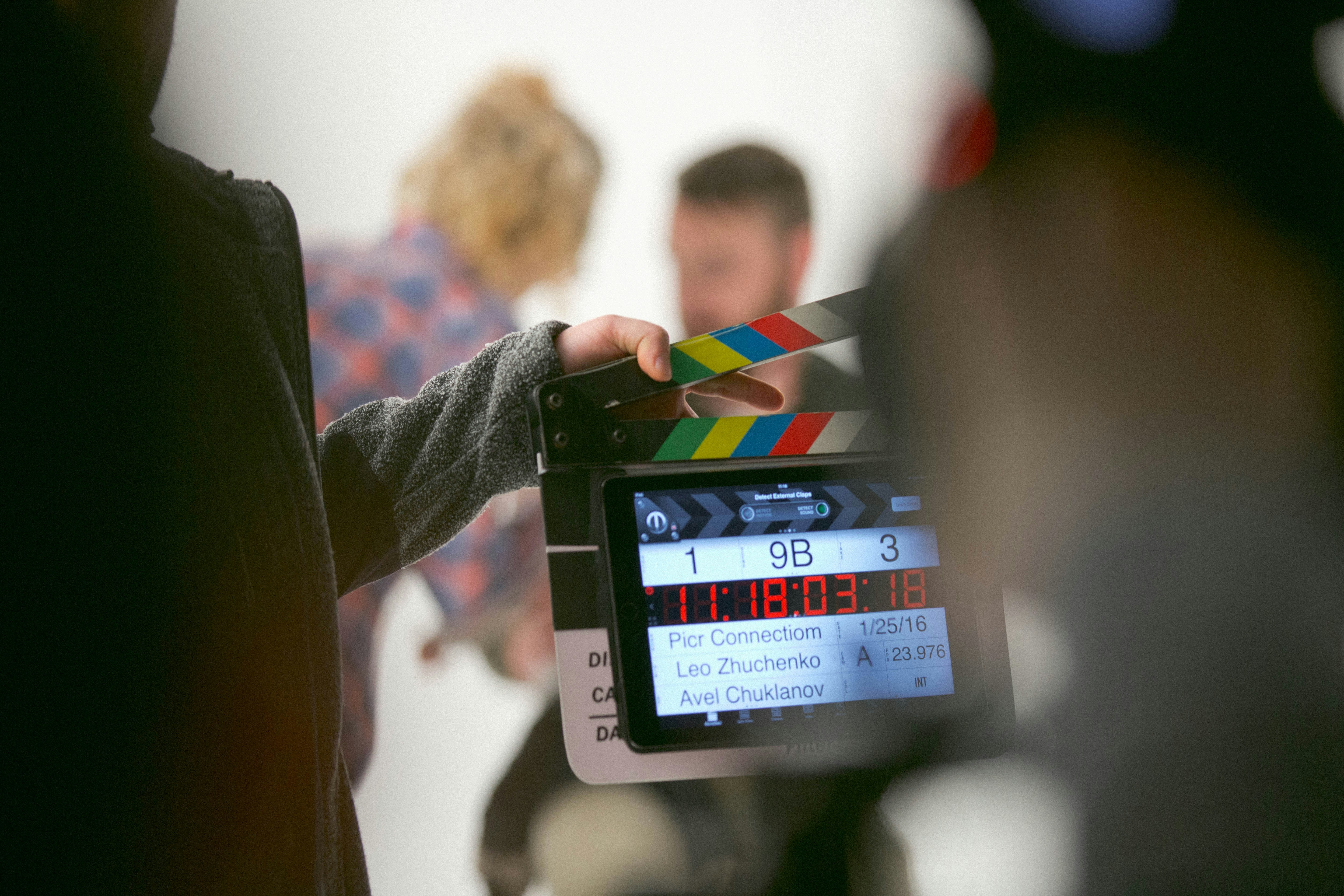
Navigating the complex world of video recording rights for school plays is no small feat. From the strict prohibitions of major publishers like MTI and TRW to the nuanced privacy requirements of FERPA, the path to a legal recording is paved with paperwork and patience.
We’ve explored the “archival copy” myth, debunked the idea that public performance equals free recording rights, and outlined the seven essential steps to securing permissions. We’ve also highlighted the critical importance of parental consent and the dangers of ignoring sync licenses.
The Bottom Line:
- If you can’t get a license, don’t record. Focus on the live experience.
- If you can get a license, follow the rules strictly. No unauthorized uploads.
- Always prioritize student privacy. A signed release form is your best friend.
While the restrictions can feel frustrating, they exist to protect the art and the artists. By respecting these boundaries, you ensure that school theater remains a vibrant, sustainable, and legal part of education for years to come.
So, the next time you’re tempted to hit “Record” just to capture the magic, ask yourself: Is this worth the legal risk? If the answer is no, grab a camera for a few 30-second clips, share the love on social media, and let the students carry the memory of the live show in their hearts. That, after all, is the true magic of theater.
🔗 Recommended Links
If you are looking for the perfect script for your next production, or need tools to manage your theater program, check out these resources:
- 👉 Shop Educational Play Scripts on: Amazon | Barnes & Noble | School Play Scripts Official
- 👉 Shop Elementary School Plays on: Amazon | Etsy | School Play Scripts Official
- 👉 Shop Children’s Theatre Scripts on: Amazon | Walmart | School Play Scripts Official
- 👉 Shop Drama Club Resources on: Amazon | Etsy | School Play Scripts Official
- 👉 Shop Drama Teacher Guides on: Amazon | Barnes & Noble | School Play Scripts Official
❓ FAQ: 12 Frequently Asked Questions on Photos and Videos under FERPA | Protecting Student Privacy
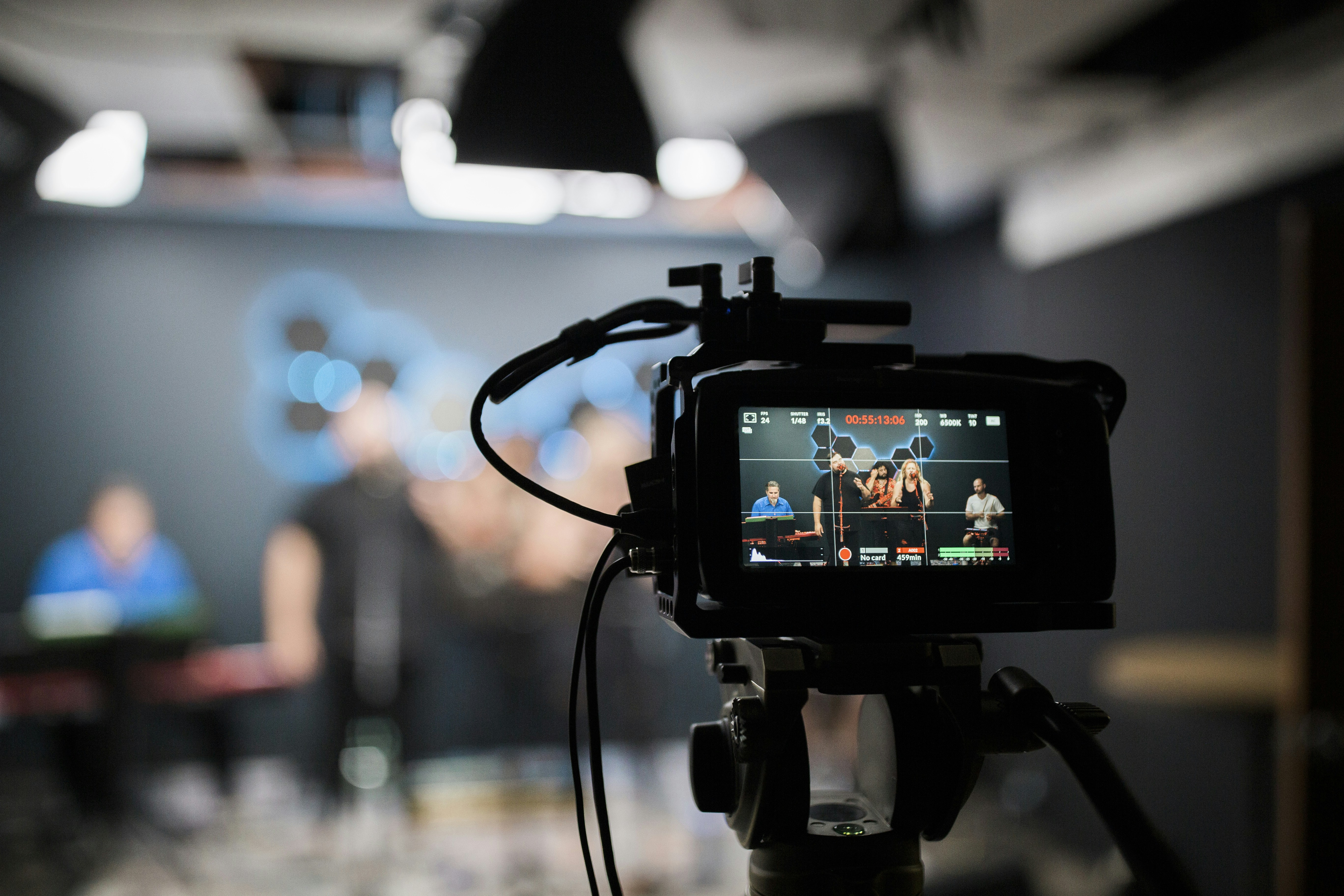
Where can I find scripts that allow video recording for school plays?
H4: Finding Flexible Licensing
Most major publishers (MTI, Concord, TRW) do not offer video rights for their Broadway titles. However, some smaller publishers or specific titles may offer limited video licenses. You must contact the publisher directly. For scripts designed with educational flexibility in mind, check our Educational Play Scripts category.
Read more about “🎭 Understanding Performance Rights for School Productions: The 2026 Guide”
What are the best practices for obtaining video recording rights for school performances?
H4: The Best Practices Checklist
- Read your contract thoroughly.
- Contact the publisher early.
- Secure a separate sync license for music.
- Obtain signed parental release forms.
- Adhere strictly to the distribution limits (e.g., no public streaming).
Are there copyright restrictions on filming plays performed by students?
H4: Yes, Absolutely
Yes. The script and music are copyrighted. Filming a play without a specific video license is a violation of copyright law, regardless of whether the students are performing it. The “student performance” exception does not apply to recording and distribution.
Read more about “🎭 15 Hilarious Comedy School Play Scripts for 2026”
How can schools legally record and share videos of their plays?
H4: Legal Pathways
Schools can legally record and share videos only if:
- They obtain a specific video license from the publisher.
- They obtain a sync license for any music used.
- They have parental consent for all identifiable students.
- They follow the FERPA guidelines regarding education records.
Read more about “💸 How Much Does It Cost to License a School Play Script? (2026 Guide)”
Can parents record school plays without violating copyright laws?
H4: The Parental Perspective
Parents can record for personal use (e.g., a family DVD) if the school’s policy allows it. However, if a parent uploads the video to YouTube or Facebook, they are violating the copyright holder’s rights. The school should have a clear policy on this.
Who owns the rights to a school play script for video recording?
H4: Rights Ownership
The author and publisher own the rights. The school only owns the right to perform the play live. The school does not own the video rights unless explicitly granted in a license.
Do schools need permission to record their plays on video?
H4: The Permission Requirement
Yes. Unless the license explicitly states that recording is allowed, schools must obtain permission. The default assumption is that recording is prohibited.
Can parents record school plays for personal use?
H4: Personal Use Exceptions
Generally, yes, parents can record for personal, non-commercial use. However, schools often restrict this to protect the integrity of the performance and the rights of the copyright holder. Always check the school’s specific policy.
Read more about “15 Best Primary School Plays Scripts Free to Download (2026) 🎭”
Do schools need permission to film student performances?
H4: Filming vs. Recording
If the filming is for a live broadcast or distribution, yes, you need a license. If it’s for a quick clip for social media (under the 3-minute rule), it might be covered under promotional allowances, but you still need to check the specific contract.
Read more about “🎭 15+ Free Public Domain Play Scripts for School Use (2026)”
What are the copyright rules for recording school plays?
H4: The Rules of the Road
- Performance License: Does not include video rights.
- Video License: Must be purchased separately (if available).
- Sync License: Required for music in video.
- Distribution: Strictly limited by the license terms.
Read more about “🎭 How to Choose the Right School Play Script: 10 Steps to Success (2026)”
Can a school sell recordings of their student productions?
H4: Commercial Use
No. Almost no school video license allows for the sale of recordings. Selling a video is considered commercial exploitation and is a direct violation of copyright law.
Read more about “🎭 15+ Best Sites for Full Play Scripts Free (2026)”
How to get consent forms for video recording at school events?
H4: Getting Consent
You can find sample forms from your state’s theater association or legal counsel. Ensure the form specifies the scope of use, duration, and opt-out options.
Are there restrictions on posting school play videos on social media?
H4: Social Media Restrictions
Yes. Most licenses prohibit public posting on platforms like YouTube, Facebook, or TikTok. If you have a license, it usually limits you to 3-minute clips for promotion. Full recordings are almost never allowed on social media.
Read more about “🎭 Top 7 Online Platforms for School Play Script Licensing (2026)”
Who owns the rights to a recorded school play?
H4: Ownership of the Recording
The school may own the physical recording, but the copyright to the content (script, music, performance) remains with the original rights holders. The school cannot exploit the recording without permission.
Read more about “15+ Short Play Scripts for Kids That Spark Instant Magic (2026) 🎭”
📚 Reference Links
- U.S. Department of Education: FAQs on Photos and Videos under FERPA | Protecting Student Privacy
- Theatrical Rights Worldwide (TRW): Video Licensing Information
- Music Theatre International (MTI): Licensing & Rights
- Concord Theatricals: Rights & Permissions
- Copyright.gov: Circular 1: Copyright Basics
- ASCAP: Music Licensing for Videos
- BMI: Licensing Information