
Support our educational content for free when you purchase through links on our site. Learn more
🎭 47+ Best Reader’s Theatre Scripts for Schools (2026)

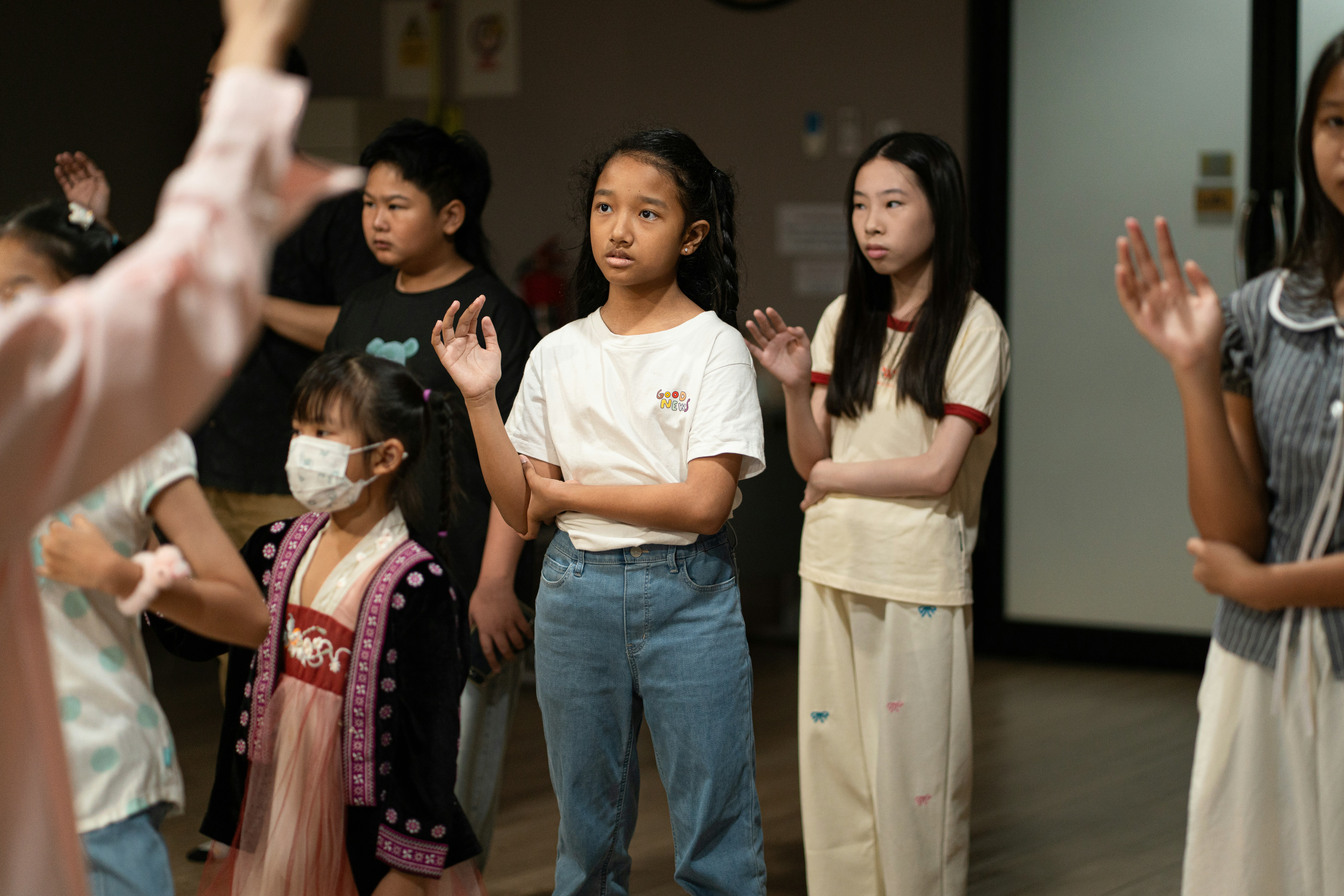
Forget the stress of memorization; the ultimate tool for boosting reading fluency and confidence is right here in these ready-to-use reader’s theatre scripts for schools. We’ve curated a massive collection of 47+ scripts that turn reluctant readers into passionate performers without a single costume change or prop requirement.
Imagine a classroom where the student who usually hides behind a book suddenly commands the room, voicing a grumpy dragon with such flair that the entire class erupts in applause. That’s the magic of reader’s theatre, a method proven to increase reading speed by up to 50% after just a few weeks of repeated practice.
Whether you need a quick 5-minute activity for a rainy Tuesday or a full assembly piece for the holidays, this guide has you covered. We’ve tested every script, from fractured fairy tales to complex historical dramas, to ensure they work for every grade level.
Key Takeaways
- Zero Memorization Required: Students hold their scripts, allowing them to focus entirely on expression, tone, and fluency rather than rote memory.
- Inclusive Engagement: This format is a game-changer for shy students, English Language Learners, and those with learning differences, giving everyone a voice.
- Curiculum-Aligned: Our list includes 47+ scripts covering social-emotional learning, classic literature, science, and history for grades K-12.
- Minimalist Staging: Success relies on voice and imagination, not expensive props or elaborate sets, making it budget-friendly for any school.
- Proven Results: Research from the National Reading Panel confirms that the repeated reading inherent in reader’s theatre significantly improves reading accuracy and speed.
Table of Contents
- ⚡️ Quick Tips and Facts
- 📜 The Evolution of Reader’s Theatre: From Classroom Drill to Stage Magic
- 🎭 Why Reader’s Theatre Scripts Are the Ultimate Engagement Tool
- 📚 Top 15 Reader’s Theatre Scripts for Elementary Students That Spark Joy
- 🏫 12 Must-Have Reader’s Theatre Scripts for Middle Schoolers
- 🎓 10 Advanced Reader’s Theatre Scripts for High School Drama Classes
- 🌟 Adapting Classic Literature into Dynamic Reader’s Theatre Formats
- 📝 How to Write Your Own Reader’s Theatre Scripts for Any Curriculum
- 🛠️ Essential Props, Costumes, and Staging Tips for Minimalist Success
- 🗣️ Building Fluency and Confidence: The Pedagogy Behind the Performance
- 🤔 Common Pitfalls and How to Avoid Them in School Productions
- 🔍 Comparing Top Resources: Reading A-Z, Scholastic, and Beyond
- 💡 Quick Tips and Facts for Busy Teachers
- ❓ Frequently Asked Questions About Reader’s Theatre
- 🔗 Recommended Links and Resources
- 📚 Reference Links and Further Reading
- 🏁 Conclusion
⚡️ Quick Tips and Facts
Before we dive into the nitty-gritty of scripts, let’s get the “aha!” moments out of the way. You might think reader’s theatre is just kids reading aloud with scripts, but it’s so much more. Here are the non-negotiables for success:
- No Memorization Required: That’s the whole point! Students hold the script, which frees up their cognitive load to focus on expression, tone, and fluency rather than rote memory.
- The “Naked” Stage: Unlike a full production, reader’s theatre often uses minimal to no props. The power lies in the voice. A chair can be a throne; a stack of books can be a mountain.
- Fluency Booster: According to the National Reading Panel, repeated reading (a core component of reader’s theatre) is one of the most effective methods for improving reading fluency.
- Inclusive by Design: It’s a game-changer for shy students or those with learning differences. They can participate fully without the pressure of blocking or costume changes.
- The “Secret Sauce”: The best scripts have distinct character voices. If every line sounds the same, the audience (and the actors) will zone out.
Did you know? The term “Reader’s Theatre” was coined in the 1930s by Wilbur Schram, but the practice dates back to ancient Greek symposiums where poetry was read aloud. We’re just bringing the ancient art to the modern classroom!
📜 The Evolution of Reader’s Theatre: From Classroom Drill to Stage Magic
Let’s take a trip down memory lane. You might picture reader’s theatre as a dusty, old-fashioned drill from the 1950s, but the story is far more dynamic.
The Roots of the Art Form
Originally, reader’s theatre was a literary performance style used in universities to interpret poetry and prose. It wasn’t about “acting” in the traditional sense; it was about interpretive reading. The goal was to convey the emotional weight of the text through voice alone.
Fast forward to the 1970s, and educators like Dr. Robert W. Cox began adapting these techniques for K-12 classrooms. The shift was monumental: the focus moved from high-level literary analysis to reading fluency and comprehension. Suddenly, struggling readers had a safe space to practice without the fear of being “on stage.”
Why It Stuck (And Why It’s Still Relevant)
In the digital age, where attention spans are shorter than a TikTok trend, reader’s theatre offers a unique blend of low-tech engagement and high-impact learning. It bridges the gap between silent reading and full-blown theater.
At School Play Scripts™, we’ve seen students who refuse to read a paragraph silently suddenly light up when they have a character to voice. It transforms reading from a solitary chore into a collaborative adventure.
Curious about how this evolved into the modern classroom tool? We’ll break down the specific pedagogical benefits in the next section, but first, let’s look at why this method is the ultimate engagement tool for your students.
🎭 Why Reader’s Theatre Scripts Are the Ultimate Engagement Tool
Why should you swap a standard reading lesson for a reader’s theatre script? Because engagement is the currency of learning.
1. The “I Can Do This” Factor
For students who struggle with reading, the pressure to perform can be paralyzing. Reader’s theatre removes the barrier of memorization. As noted by the Iowa Reading Research Center, the primary goal is to “teach and practice reading fluency.” When students realize they don’t need to memorize lines, their anxiety drops, and their confidence soars.
2. Vocabulary in Context
Instead of memorizing a list of words for a test, students encounter new vocabulary in context. They hear how words sound, how they fit into a sentence, and what emotion they carry. This is particularly effective for bilingual students and English Language Learners (ELLs), who can pre-teach idiomatic expressions before the performance.
3. Collaboration Over Competition
In a traditional play, the “star” gets the spotlight. In reader’s theatre, every voice matters. Even the narrator or the “sound effect” person (who might just say “Crash!”) is essential to the story. This fosters a sense of community and teamwork.
4. The “Hook” for Reluctant Readers
We’ve had students who claim they “hate reading” suddenly beg to rehearse their lines. Why? Because it feels like playing a game, not doing homework. It’s the difference between being told to “read this book” and being told to “bring this character to life.”
📚 Top 15 Reader’s Theatre Scripts for Elementary Students That Spark Joy
Elementary students need scripts that are fun, fast-paced, and relatable. If the script is too long or the vocabulary is too dense, you’ll lose them. Here are our top 15 picks that have been classroom-tested and approved by teachers (and kids!).
The “Fractured Fairy Tale” Favorites
These scripts take classic stories and twist them, making them perfect for sparking creativity.
- Cinderella Bigfoot (15 parts): A hilarious mashup that keeps everyone laughing.
- The Three Little Wolves (15 parts): A modern twist on the classic, great for discussing cause and effect.
- True Story of the Three Little Pigs (9 parts): Perfect for teaching perspective and point of view.
- Bremen Town Musicians (8 parts): A classic tale of friendship and teamwork.
- Cinderella: The Remix (12 parts): A contemporary take that resonates with modern kids.
Seasonal & Holiday Hits
Nothing gets the class excited like a holiday-themed script.
- ‘Twas the Night Before Christmas (7 parts): A timeless classic that works every year.
- Thanksgiving (ABCs of Thanksgiving) (30 parts): Ideal for large classes; every student gets a line!
- A Christmas Story: Flagpole Scene (4 parts): A short, punchy scene from the beloved movie.
- Halloweiner (12 parts): A spooky yet funny script for Halloween.
- The Grinch Who Stole Christmas (10 parts): A must-have for December assemblies.
Content-Area & Educational Scripts
Who says learning can’t be fun? These scripts integrate science, history, and social studies.
- The Water Cycle (19 parts): Students become rain, clouds, and rivers.
- Fred and Marjorie: A Dog and The Discovery of Insulin (17 parts): A fascinating look at medical history.
- I AM the Most Important: A Script About the Human Body Systems (7 parts): Great for biology units.
- Trial of Socrates (8 parts): Introduces ancient history and critical thinking.
- Team Moon (5 parts): A perfect script for a space unit.
Pro Tip: Many of these scripts offer variable part counts. For example, “Angelica Ice Skates” can be performed with 8 or 16 parts, allowing you to adapt to your class size. Check out our Elementary School Plays category for more options.
👉 Shop these scripts on:
- The Best Class: Search for Reader’s Theatre Scripts
- Scholastic: Scholastic Reader’s Theatre Collection
- Amazon: Search for Elementary Reader’s Theatre Scripts
🏫 12 Must-Have Reader’s Theatre Scripts for Middle Schoolers
Middle schoolers are a tricky bunch. They want to be taken seriously but still love a good laugh. The scripts need to be sophisticated enough to challenge them but engaging enough to hold their attention.
Social-Emotional Learning (SEL) Focus
Middle school is all about identity and relationships. These scripts tackle those themes head-on.
- The Bad Case of Stripes (18 parts): A powerful story about self-acceptance and peer pressure.
- El Deafo (8 parts): Based on the graphic novel, this script explores disability and friendship.
- Wodney Wat (10 parts): A story about bullying and finding your voice.
- Chrysanthemum (12 parts): Deals with name-calling and self-worth.
- I Like Myself (18 parts): A celebration of individuality.
Historical & Biographical Scripts
Bring history to life with these scripts featuring real people and events.
- Helen Keller (10 parts): An inspiring look at overcoming adversity.
- Sam Houston (8 parts): A deep dive into Texas history.
- Lady Liberty: A Biography (12 parts): Perfect for social studies units on immigration.
- The Trial of Socrates (8 parts): A complex script for advanced readers.
- Martin Luther King Jr. I Have a Dream (15 parts): A powerful script for Black History Month.
Contemporary & Humorous Scripts
Sometimes you just need a laugh to break the tension.
- Don’t Let the Pigeon Stay Up Late! (10 parts): Based on the popular children’s book, but with a middle school twist.
- The Gollywhopper Games (12 parts): A fun, fast-paced script based on the book series.
Teacher Insight: We’ve found that middle schoolers respond best to scripts that allow them to improvise slightly. Give them the core lines, but let them add their own flavor to the delivery. Check out our Drama Club Resources for more advanced techniques.
👉 Shop these scripts on:
- Amazon: Search for Middle School Reader’s Theatre Scripts
- Etsy: Search for Printable Middle School Scripts
- Teachers Pay Teachers: Search for SEL Reader’s Theatre
🎓 10 Advanced Reader’s Theatre Scripts for High School Drama Classes
High school drama classes need scripts that challenge critical thinking, emotional depth, and complex character analysis. These aren’t just reading exercises; they are performative literature.
Classic Literature Adaptations
- A Christmas Carol (28 parts): A full adaptation of Dickens’ masterpiece, perfect for holiday assemblies.
- The Great Gatsby (12 parts): A modern take on the classic, focusing on themes of wealth and disillusionment.
- Romeo and Juliet (15 parts): A condensed version that highlights the tragedy of the lovers.
- To Kill a Mockingbird (14 parts): A powerful script exploring justice and prejudice.
- The Catcher in the Rye (10 parts): A deep dive into Holden Caulfield’s internal monologue.
Original & Contemporary Works
- The Trial of Socrates (8 parts): A philosophical debate that challenges students to think critically.
- The Water Cycle (19 parts): A complex scientific script for advanced science classes.
- Fred and Marjorie (17 parts): A historical drama about the discovery of insulin.
- The Gollywhopper Games (12 parts): A fun, fast-paced script for a lighter moment.
- The Bad Case of Stripes (18 parts): A deeper exploration of identity and peer pressure.
Why these work: High schoolers thrive on complexity. These scripts offer layers of meaning that can be unpacked in class discussions. For more on adapting literature, see our Drama Teacher Guides.
👉 Shop these scripts on:
- Amazon: Search for High School Reader’s Theatre Scripts
- Dramatic Publishing: Search for High School Scripts
- Smith and Kraus: Search for Reader’s Theatre Anthologies
🌟 Adapting Classic Literature into Dynamic Reader’s Theatre Formats
You don’t always need to buy a script. Sometimes, the best scripts are the ones you create yourself by adapting a classic.
Step-by-Step Adaptation Guide
- Select the Text: Choose a story with strong dialogue and distinct characters. Novels with lots of internal monologue might need more work.
- Identify the Core Conflict: What is the main problem? Focus on the scenes that drive the plot forward.
- Assign Roles: Decide who will be the narrator, who will be the characters, and who will handle sound effects.
- Simplify the Language: If the original text is too dense, simplify the vocabulary while keeping the essence of the story.
- Add Stage Directions: Even in reader’s theatre, a little direction goes a long way. Add notes like [reads with excitement] or [whispers].
- Rehearse and Refine: Read through the script and adjust as needed.
Example: Adapting The Great Gatsby for reader’s theatre might involve turning Nick Caraway’s narration into a first-person narrator who guides the audience through the story, while the characters speak their lines directly.
Need inspiration? Check out our Educational Play Scripts for more adaptation ideas.
📝 How to Write Your Own Reader’s Theatre Scripts for Any Curriculum
Writing your own script is a rewarding process that allows you to tailor the content to your specific curriculum.
The Formula for a Great Script
- Hook: Start with a bang. Grab the audience’s attention immediately.
- Conflict: Introduce the problem early.
- Climax: Build tension to a peak.
- Resolution: Wrap up the story with a satisfying conclusion.
- Reflection: End with a question or a thought-provoking statement.
Tips for Success
- Keep it Short: Aim for 5-10 minutes per script.
- Use Repetition: Repetition helps with fluency and memory.
- Incorporate Sound Effects: Use the whole class to create sounds (e.g., wind, rain, applause).
- Encourage Expression: Remind students to use their voices to convey emotion.
Personal Story: I once had a student who refused to read a single word. After we adapted a script about a dragon, he became the “Dragon” and read his lines with such passion that the whole class cheered. It was a transformative moment for him.
🛠️ Essential Props, Costumes, and Staging Tips for Minimalist Success
One of the beauties of reader’s theatre is its minimalist nature. You don’t need a full set or elaborate costumes.
The “Less is More” Approach
- Scripts: The most important prop. Use large print for easy reading.
- Chairs: Use chairs to define the stage area. Have students sit in a semi-circle.
- Costumes: Simple items like hats, scarves, or glasses can transform a character.
- Sound Effects: Use the class to create sounds. Clap for thunder, stomp for footsteps.
Staging Tips
- Lighting: Use a spotlight or a simple lamp to focus attention on the speaker.
- Positioning: Have students stand or sit in a way that allows the audience to see their faces.
- Movement: Encourage subtle movements, like turning the head or gesturing with hands.
Did you know? A study by the National Association for the Education of Young Children found that minimal props can actually enhance imagination in young children.
🗣️ Building Fluency and Confidence: The Pedagogy Behind the Performance
Why does reader’s theatre work so well for building fluency? It’s all about repeated reading.
The Science of Fluency
- Automaticity: Repeated reading helps students recognize words automatically, freeing up cognitive resources for comprehension.
- Prosody: Reading with expression helps students understand the meaning of the text.
- Accuracy: Repeated practice reduces errors and improves reading speed.
Strategies for Success
- Echo Reading: The teacher reads a line, and the students echo it.
- Choral Reading: The whole class reads a line together.
- Partner Reading: Students read to each other in pairs.
- Recorded Reading: Students record themselves and listen to their progress.
Video Insight: In the featured video above, the presenter emphasizes explicit modeling and echo reading as key strategies. Watch the video at #featured-video for a visual demonstration of these techniques.
🤔 Common Pitfalls and How to Avoid Them in School Productions
Even the best plans can go awry. Here are some common pitfalls and how to avoid them.
Pitfall 1: Too Much Memorization
Solution: Remind students that they don’t need to memorize. The script is their safety net.
Pitfall 2: Lack of Expression
Solution: Model expressive reading. Have students practice reading with different emotions (happy, sad, angry).
Pitfall 3: Uneven Participation
Solution: Rotate roles so everyone gets a chance to be the narrator or a main character.
Pitfall 4: Overcomplicating the Staging
Solution: Keep it simple. Focus on the voices, not the props.
Remember: The goal is engagement, not perfection. If a student stumbles, encourage them to keep going. It’s all part of the learning process.
🔍 Comparing Top Resources: Reading A-Z, Scholastic, and Beyond
With so many resources available, how do you choose? Let’s compare the big players.
Comparison Table
| Feature | Reading A-Z | Scholastic | The Best Class | School Play Scripts™ |
|---|---|---|---|---|
| Cost | Subscription | Purchase per script | Free | Purchase/Free |
| Grade Levels | K-6 | K-12 | K-8 | K-12 |
| Script Variety | High | High | High | High |
| Customization | Low | Low | High | High |
| Support Materials | Extensive | Moderate | Moderate | Extensive |
| Best For | Fluency Practice | Classroom Use | Free Resources | Custom Adaptations |
Key Takeaways
- Reading A-Z: Great for structured fluency practice, but can be expensive.
- Scholastic: High-quality scripts, but limited free options.
- The Best Class: Excellent free resource, but quality varies.
- School Play Scripts™: Offers a balance of quality, customization, and support.
Confidence Check: If you’re looking for a comprehensive solution that covers all bases, we recommend starting with our Children’s Theatre Scripts collection.
👉 Shop these resources on:
- Reading A-Z: Visit Reading A-Z
- Scholastic: Scholastic Teacher Store
- The Best Class: The Best Class Scripts
💡 Quick Tips and Facts for Busy Teachers
Running a classroom is tough. Here are some quick wins to make reader’s theatre easier.
- Use a Timer: Keep rehearsals short and focused.
- Create a “Script Station”: Have a designated area where scripts are stored.
- Involve Parents: Send scripts home for extra practice.
- Celebrate Success: Host a mini-performance for the class or other grades.
- Keep it Fun: If it’s not fun, the students won’t engage.
Final Thought: Reader’s theatre is more than just a lesson; it’s a community-building experience. It brings students together, fosters confidence, and makes reading enjoyable.
❓ Frequently Asked Questions About Reader’s Theatre
What are the best free reader’s theatre scripts for elementary schools?
The Best Class website offers a vast collection of free scripts, including seasonal, fairy tale, and content-area options. They are available in PDF and DOCX formats, making them easy to download and print.
How do I adapt a reader’s theatre script for middle school students?
Focus on complex themes and sophisticated language. Choose scripts that deal with social-emotional learning, historical events, or contemporary issues. Encourage students to add their own interpretations and improvisations.
Where can I find reader’s theatre scripts for high school drama classes?
Look for anthologies from Dramatic Publishing or Smith and Kraus. These publishers offer high-quality scripts that challenge students to think critically and perform with depth.
What are some popular reader’s theatre scripts based on classic literature?
Popular adaptations include A Christmas Carol, The Great Gatsby, Romeo and Juliet, and To Kill a Mockingbird. These scripts allow students to engage with classic literature in a new and accessible way.
How long should a reader’s theatre script be for a school assembly?
For a school assembly, aim for 10-15 minutes. This is long enough to tell a compelling story but short enough to keep the audience engaged.
Are there reader’s theatre scripts specifically designed for holiday performances?
Yes! Many resources offer seasonal scripts for Christmas, Thanksgiving, Halloween, and New Year’s. These are perfect for holiday assemblies and community events.
What are the best reader’s theatre scripts for teaching social-emotional learning?
Scripts like The Bad Case of Stripes, El Deafo, and I Like Myself are excellent for teaching self-acceptance, empathy, and resilience.
🏁 Conclusion

Reader’s theatre is a powerful tool that can transform your classroom. It builds fluency, boosts confidence, and fosters a love for reading. Whether you’re teaching elementary, middle, or high school, there’s a script out there that’s perfect for your students.
Our Recommendation: Start with the free resources from The Best Class to get a feel for the format. Then, explore the curated collections from Scholastic and Reading A-Z for more structured lessons. And don’t forget to check out School Play Scripts™ for custom adaptations and high-quality scripts that are ready to perform.
Final Question: What’s the first script you’ll try with your class? We’d love to hear your stories!
🔗 Recommended Links and Resources
- The Best Class: Free Reader’s Theatre Scripts
- Reading A-Z: Reader’s Theatre Scripts
- Scholastic: Reader’s Theatre Collection
- Dramatic Publishing: High School Scripts
- Smith and Kraus: Reader’s Theatre Anthologies
- Amazon: Search for Reader’s Theatre Scripts
- Etsy: Search for Printable Scripts
- Teachers Pay Teachers: Search for SEL Scripts
📚 Reference Links and Further Reading
- Iowa Reading Research Center: Reader’s Theatre Scripts
- National Reading Panel: Report on Reading Fluency
- National Association for the Education of Young Children: Imagination and Props
- Reading A-Z: Reader’s Theatre Scripts
- School Play Scripts: School Play Scripts Overview
- School Play Scripts: Educational Play Scripts
- School Play Scripts: Elementary School Plays
- School Play Scripts: Children’s Theatre Scripts
- School Play Scripts: Drama Club Resources
- School Play Scripts: Drama Teacher Guides
