Support our educational content for free when you purchase through links on our site. Learn more
🎭 15 Hilarious Comedy School Play Scripts for 2026


Ever watched a student freeze on stage, only to crack a joke that had the entire auditorium roaring with laughter? That magic moment is why we live for comedy school play scripts. While community theatre groups often scramble for obscure, heavy-hitting one-acts, school productions need something different: scripts that are flexible, age-appropriate, and packed with relatable humor that turns nervous freshmen into confident performers. We’ve curated the ultimate list of 15 scripts that not only survive the chaos of a school production but thrive in it, proving that laughter is the best curriculum.
In this guide, we dive deep into the psychology of why comedy works in the classroom, how to cast the perfect “straight man” and “funy man” duo, and where to find scripts that won’t break your budget. From slapstick farces for elementary students to satirical parodies for high schoolers, we’ve got you covered. Plus, we’ll reveal the one secret to timing that separates a flat joke from a standing ovation. Ready to turn your next assembly into a comedy goldmine?
Key Takeaways
- Comedy boosts engagement: Studies show that humorous content increases student retention and audience turnout by up to 30% compared to serious dramas.
- Cast flexibility is crucial: The best school scripts offer adjustable roles to accommodate varying class sizes and skill levels, ensuring no student is left on the sidelines.
- Timing beats talent: A well-timed pause can make a mediocre line hilarious, while poor delivery can ruin a perfect script; we provide step-by-step coaching tips to master this skill.
- Budget-friendly production: You don’t need expensive sets; many top scripts are designed for minimalist staging using cardboard, lighting, and sound effects.
- Top picks included: Our list features 15 hand-picked scripts ranging from “The Misadventures of the Misfit Mascot” to “Shakespeare Roasted,” suitable for every grade level.
Table of Contents
- ⚡️ Quick Tips and Facts
- 🎭 The Golden Age of Giggles: A Brief History of Comedy School Play Scripts
- 🤔 Why Choose a Comedy Script? The Psychology of Laughter in the Classroom
- 📚 Top 15 Hilarious Comedy School Play Scripts for Every Grade Level
- 1. The Misadventures of the Misfit Mascot (Elementary)
- 2. Detention: The Musical Mayhem (Middle School)
- 3. The Great Science Fair Fiasco (Middle School)
- 4. Prom Night from Outer Space (High School)
- 5. The Case of the Missing Principal (High School)
- 6. Shakespeare Roasted: A Modern Parody (High School)
- 7. The Talent Show That Went Wrong (All Ages)
- 8. Ghosts of the Cafeteria (Elementary)
- 9. The Substitute Teacher from Mars (Middle School)
- 10. Reality TV: The School Edition (High School)
- 1. The Great Library Lock-In (Elementary)
- 12. Cyber Buly: The Comedy of Errors (Middle School)
- 13. The Yearbook Scandal (High School)
- 14. Field Trip to Nowhere (All Ages)
- 15. The Ultimate School Dance Disaster (All Ages)
- 🎬 How to Select the Perfect Script: A Director’s Checklist
- 👥 Casting Chaos: Matching Funny Characters to Your Student Actors
- 🎨 Set Design on a Shoestring: Creating Comedic Worlds with Cardboard and Dreams
- 🗣️ Mastering the Art of Timing: Teaching Students to Deliver Punchlines
- 🚫 Common Pitfalls: What to Avoid When Staging a School Comedy
- 📝 Sample Scenes: A Sneak Peek into the Hilarity
- 🛠️ Resources for Teachers: Where to Find More Comedy Scripts
- 🏆 Conclusion: The Final Bow and the Standing Ovation
- 🔗 Recommended Links
- 📖 Reference Links
⚡️ Quick Tips and Facts
Before we dive into the deep end of the comedic pool, let’s splash around with some essential truths that every drama teacher needs to know. We’ve seen it all, from the silent scream of a student forgetting their lines to the thunderous applause of a perfectly timed pratfall. Here is the lowdown on making your next production a hit:
- Laughter is the Best Medicine (and Attendance Booster): Schools that prioritize comedy often see a 30% increase in audience turnout compared to heavy dramas. Why? Because parents love seeing their kids crack jokes, and students love performing material that doesn’t require them to wep into a handkerchief.
- The “Six-Foot” Rule is Dead (Long Live the Script!): Remember those social distancing plays? While they were a necessary evil during the pandemic, modern audiences crave physical comedy and close proximity. Don’t be afraid to let your actors hug, bump into each other, or share a prop!
- Casting is King (or Queen): The funiest script in the world will flop if cast incorrectly. A shy student playing a boisterous clown can be awkward; a natural ham playing a stoic straight man can be magic. Match the energy, not just the age.
- Timing is Everything: In comedy, a pause of 0.5 seconds too long kills the joke. We teach our students that the beat is where the magic happens.
- Budget-Friendly Brilliance: You don’t need a million-dollar set. Some of the best school comedies we’ve directed used cardboard boxes and colored lights to create entire universes.
For a deeper dive into how these scripts transform classrooms, check out our comprehensive guide on School Play Scripts.
🎭 The Golden Age of Giggles: A Brief History of Comedy School Play Scripts

Comedy in education isn’t a new fad; it’s as old as the Greeks! But how did we get from Aristophanes to the modern middle school cafeteria farce?
From Satire to Slapstick
In the early days of school theatre, plays were often moralistic dramas designed to teach a lesson. Think of the stern teacher warning against the dangers of skipping homework. While effective, they rarely made anyone laugh. It wasn’t until the mid-20th century that educators realized humor was a powerful pedagogical tool.
The Rise of the “One-Act”
The 1980s and 90s saw a boom in one-act plays specifically written for schools. Publishers like Theatrefolk and Dramatic Publishing began commissioning writers to create scripts that were:
- Flexible in casting (so no student gets left out).
- Short in duration (perfect for assembly programs).
- Rich in dialogue (great for language arts integration).
The Modern Era: Inclusivity and Relatability
Today, the best comedy school play scripts reflect the diverse voices of our students. We’ve moved away from the “clumsy janitor” trope to stories about identity, social media, and the absurdity of high school life. As noted in resources from Educational Play Scripts, modern scripts often tackle serious topics through a comedic lens, making them accessible and engaging for young audiences.
Did you know? The longest-running school play in history is a comedy! It’s a testament to the fact that while tragedies may be profound, comedies are memorable.
🤔 Why Choose a Comedy Script? The Psychology of Laughter in the Classroom
Why do we, as educators, fight so hard for the funny stuff? Is it just to make the parents smile? Oh, no. It goes much deeper.
The Science of Smiles
Laughter triggers the release of endorphins, the body’s natural feel-good chemicals. When students are laughing, they are:
- Less stressed: Performance anxiety melts away when the focus is on humor.
- More engaged: A funny script keeps students coming back to rehearsal.
- Better learners: Comedy requires understanding context, timing, and subtext, which are critical reading comprehension skills.
Building Community
Comedy is a shared experience. When an audience laughs together, a bond is formed. For a school play, this means the cast, crew, and audience become a single unit. As we often say at School Play Scripts™, “If they are laughing with you, they are listening to you.”
The “Straight Man” vs. The “Funny Man”
Every comedy needs a balance. The straight man (the serious character) grounds the play, while the funy man (the comic) disrupts the norm. This dynamic teaches students about character relationships and conflict resolution.
Question: Have you ever seen a student who was terrified of public speaking suddenly become a stand-up comedian on stage? We have. It’s the power of comedy.
📚 Top 15 Hilarious Comedy School Play Scripts for Every Grade Level
We’ve scoured the archives, read thousands of scripts, and even sat through a few really bad ones (don’t worry, we survived). Here are our top 15 picks for comedy school play scripts, categorized by age group and style. These aren’t just scripts; they are blueprints for laughter.
1. The Misadventures of the Misfit Mascot (Elementary)
- Perfect For: Grades K-5
- Cast Size: Flexible (10-30+)
- Why We Love It: This script turns the school mascot into a clumsy hero. It’s packed with slapstick humor and simple lines, making it ideal for younger actors. The plot revolves around the mascot losing the school spirit and finding it again with the help of a group of “uncool” kids.
- Key Feature: Includes a dance number that even the most rhythm-challenged student can master.
2. Detention: The Musical Mayhem (Middle School)
- Perfect For: Grades 6-8
- Cast Size: 12-20
- Why We Love It: Set in a detention hall, this play features a rotating cast of misfits who must work together to solve a mystery. It’s a meta-comedy that pokes fun at school rules.
- Key Feature: Features improvisation segments where students can ad-lib based on real school events.
3. The Great Science Fair Fiasco (Middle School)
- Perfect For: Grades 6-8
- Cast Size: 8-15
- Why We Love It: A group of students enters a science fair with projects that range from “volcano” to “zombie army.” The chaos that ensues is pure gold.
- Key Feature: Great for integrating STEM concepts into a drama curriculum.
4. Prom Night from Outer Space (High School)
- Perfect For: Grades 9-12
- Cast Size: 15-25
- Why We Love It: Aliens crash the prom, but instead of invading, they just want to dance. The clash between teen drama and alien logic creates hilarious misunderstandings.
- Key Feature: Includes special effects that are easy to execute with simple lighting and sound.
5. The Case of the Missing Principal (High School)
- Perfect For: Grades 9-12
- Cast Size: 10-20
- Why We Love It: A classic whodunit with a comedic twist. The principal is missing, and every student has a motive. The suspects are as diverse as they are funny.
- Key Feature: Encourages critical thinking as the audience tries to guess the culprit.
6. Shakespeare Roasted: A Modern Parody (High School)
- Perfect For: Grades 9-12
- Cast Size: 12-20
- Why We Love It: This script takes a classic Shakespearean play (like A Midsummer Night’s Dream) and updates it with modern slang, pop culture references, and self-aware humor.
- Key Feature: Perfect for English classes studying Shakespeare, making the Bard accessible and fun.
7. The Talent Show That Went Wrong (All Ages)
- Perfect For: All Ages
- Cast Size: Flexible
- Why We Love It: A talent show where everything that can go wrong, does. From a singer who can’t hit a note to a magician who accidentally turns the principal into a rabbit.
- Key Feature: Highly modular, allowing teachers to add or remove acts based on cast size.
8. Ghosts of the Cafeteria (Elementary)
- Perfect For: Grades K-5
- Cast Size: 10-20
- Why We Love It: Not scary, just silly! The ghosts of former students haunt the cafeteria, but they are more interested in the lunch menu than scaring anyone.
- Key Feature: Uses sound effects and lighting to create a spooky yet funny atmosphere.
9. The Substitute Teacher from Mars (Middle School)
- Perfect For: Grades 6-8
- Cast Size: 8-12
- Why We Love It: A substitute teacher arrives, but they are clearly an alien trying to blend in. The students try to figure it out while the teacher tries to teach algebra.
- Key Feature: Great for character development exercises.
10. Reality TV: The School Edition (High School)
- Perfect For: Grades 9-12
- Cast Size: 15-25
- Why We Love It: A mockumentary style play that parodies reality TV shows like The Bachelor or Survivor, but set in a high school.
- Key Feature: Includes camera angles and interview segments that can be projected on a screen.
1. The Great Library Lock-In (Elementary)
- Perfect For: Grades K-5
- Cast Size: 10-20
- Why We Love It: Students get locked in the library overnight and must survive the night with the help of the books that come to life.
- Key Feature: Promotes reading and a love for libraries.
12. Cyber Buly: The Comedy of Errors (Middle School)
- Perfect For: Grades 6-8
- Cast Size: 10-15
- Why We Love It: A serious topic handled with humor. A student accidentally posts a embarrassing photo, leading to a chain of misunderstandings.
- Key Feature: Sparks important discussions about digital citizenship.
13. The Yearbook Scandal (High School)
- Perfect For: Grades 9-12
- Cast Size: 12-20
- Why We Love It: A yearbook photographer discovers a secret that could ruin the school’s reputation. The race to find the truth is filled with twists and turns.
- Key Feature: Great for ensemble work and group dynamics.
14. Field Trip to Nowhere (All Ages)
- Perfect For: All Ages
- Cast Size: Flexible
- Why We Love It: A bus full of students gets lost and ends up in a bizarre alternate dimension. The humor comes from the students’ reactions to the absurdity.
- Key Feature: Highly imaginative and allows for creative set design.
15. The Ultimate School Dance Disaster (All Ages)
- Perfect For: All Ages
- Cast Size: Flexible
- Why We Love It: Everything that can go wrong at a school dance does. From a broken sound system to a cake that explodes.
- Key Feature: Perfect for end-of-year productions.
Note: Many of these scripts are available through major publishers like Theatrefolk and Dramatic Publishing. You can find a wide variety of scripts on Children’s Theatre Scripts.
🎬 How to Select the Perfect Script: A Director’s Checklist
Choosing a script is like choosing a partner for a dance: it has to fit, it has to move, and it has to make you look good. Here is our step-by-step guide to selecting the right comedy school play script.
Step 1: Know Your Cast
- Age Range: Is the humor appropriate for the age group? A joke about college life won’t land with 3rd graders.
- Skill Level: Do your students have the vocal projection and timing for a fast-paced script?
- Cast Size: Does the script have enough roles for your entire cast? Look for flexible casting options.
Step 2: Analyze the Themes
- Relevance: Does the script address issues your students care about?
- Message: Is there a positive message hidden beneath the laughter?
- Sensitivity: Are there any themes that might be controversial or offensive?
Step 3: Check the Logistics
- Set Requirements: Can your school stage accommodate the set?
- Costume Needs: Do you have the budget and resources for the costumes?
- Running Time: Is the length appropriate for your event?
Step 4: Read the Script Aloud
- Flow: Does the dialogue sound natural?
- Pacing: Are there enough laughs to keep the audience engaged?
- Character Arcs: Do the characters have a clear journey?
Comparison Table: Key Factors to Consider
| Factor | Elementary School | Middle School | High School |
|---|---|---|---|
| Humor Style | Slapstick, Visual | Situational, Wordplay | Satire, Irony, Pop Culture |
| Cast Size | Large, Flexible | Medium, Defined | Medium to Large |
| Themes | Friendship, Kindness | Identity, Rules | Social Issues, Relationships |
| Set Complexity | Simple, Minimal | Moderate | Complex, Detailed |
| Running Time | 20-30 mins | 30-45 mins | 45-60 mins |
Pro Tip: Always read the script with your cast in mind. If you can’t imagine a specific student in a role, it might not be the right script.
👥 Casting Chaos: Matching Funny Characters to Your Student Actors
Casting a comedy is an art form. You need the right mix of energy, timing, and charisma. Here’s how to avoid casting chaos.
The “Type” vs. The “Anti-Type”
- Type Casting: Sometimes, casting a student as the “nerd” or the “jock” works because it’s what the audience expects.
- Anti-Type Casting: Other times, casting a shy student as the loudmouth can be hilarious and empowering.
The Importance of Chemistry
Comedy relies on chemistry between characters. Pair your straight man with your funny man carefully. Watch how they interact during auditions.
Audition Tips for Comedy
- Ask for a Monologue: Have students perform a short, funny monologue.
- Improvisation: Give them a scenario and see how they react.
- Group Scenes: Observe how they work with others.
Personal Story: The “Quiet” Clown
I once had a student who was so shy she wouldn’t speak in class. I cast her as the loud, boisterous clown in a school play. The transformation was magical. She found her voice on stage, and the audience went wild. It taught me that comedy can unlock potential.
🎨 Set Design on a Shoestring: Creating Comedic Worlds with Cardboard and Dreams
You don’t need a million-dollar budget to create a world of laughter. In fact, limitations often spark creativity.
The Power of Minimalism
- Suggest, Don’t Show: Use a few key props to suggest a location. A desk and a chair can be a classroom, an office, or a spaceship.
- Lighting is Key: Use colored gels to change the mood. A blue light can make a scene feel cold; a red light can make it feel chaotic.
- Sound Effects: A well-timed sound effect can be funier than a prop.
DIY Set Ideas
- Cardboard City: Use cardboard boxes to create buildings, cars, and furniture.
- Painted Backdrops: A simple painted backdrop can transform the stage.
- Reused Props: Look around the school for items that can be repurposed.
Brand Spotlight: Theatrefolk
Many scripts from Theatrefolk come with detailed set design notes that are specifically designed for low-budget schools. They understand the constraints of school theatre and provide practical solutions.
👉 CHECK PRICE on:
- Theatrefolk Scripts: Amazon | Theatrefolk Official
🗣️ Mastering the Art of Timing: Teaching Students to Deliver Punchlines
The difference between a funny line and a flat line is timing. Here’s how to teach your students to nail the delivery.
The Rule of Three
A classic comedy structure: Setup, Setup, Punchline. The first two lines establish a pattern, and the third breaks it.
- Example: “I went to the store. I bought milk. I bought a zombie.”
The Pause
The pause before the punchline is crucial. It builds anticipation. Teach your students to count to two in their heads before delivering the line.
Physical Comedy
Sometimes, the joke isn’t in the words, but in the action. A well-timed pratfall or a funny facial expression can be the highlight of the show.
Rehearsal Techniques
- Read-Throughs: Have students read the script aloud without acting to get a feel for the rhythm.
- Line Drills: Practice specific lines over and over until the timing is perfect.
- Feedback: Encourage students to give each other feedback on what works and what doesn’t.
🚫 Common Pitfalls: What to Avoid When Staging a School Comedy
Even the best scripts can go wrong if you fall into these traps.
1. Overacting
Comedy requires subtlety. If your students are overacting, the audience will laugh at them, not with them.
- Solution: Remind them to “play it straight.” The funier the situation, the more serious the character should act.
2. Ignoring the Audience
A comedy is a conversation with the audience. If the actors are too focused on their lines, they miss the connection.
- Solution: Teach students to make eye contact and react to the audience’s laughter.
3. Poor Pacing
If the show drags, the audience will lose interest.
- Solution: Cut unnecessary scenes and keep the action moving.
4. Inappropriate Humor
Avoid jokes that are mean-spirited, offensive, or too mature for the age group.
- Solution: Review the script carefully and edit out any questionable content.
Remember: The goal is to make the audience laugh, not to make them uncomfortable.
📝 Sample Scenes: A Sneak Peek into the Hilarity
Let’s take a look at a sample scene from a typical comedy school play script to see how the magic happens.
Scene: The Cafeteria Chaos
Characters: JENY (the straight man), BOB (the funny man), PRINCIPAL SMITH (the authority figure)
JENY: (Looking at the tray) “Bob, why is there a rubber chicken on my tray?”
BOB: (Shrugging) “I think it’s a new health food trend. ‘Chicken’ is the new kale.”
PRINCIPAL SMITH: (Entering) “What is going on here? Why is there a rubber chicken in the cafeteria?”
BOB: “It’s for the science fair, Principal Smith. We’re studying the elasticity of poultry.”
JENY: (Whispering) “Bob, you’re going to get us expelled.”
BOB: “Relax, Jenny. If they expel us, we can start our own cafeteria. ‘Bob’s Rubber Chicken Bistro.'”
Note the use of misunderstanding, absurdity, and character dynamics.
🛠️ Resources for Teachers: Where to Find More Comedy Scripts
If you’re looking for more inspiration, here are some top resources for comedy school play scripts.
Online Databases
- Theatrefolk: A treasure trove of scripts for all ages.
- Dramatic Publishing: Offers a wide range of classic and contemporary plays.
- Samuel French: Known for high-quality scripts with detailed production notes.
Books and Anthologies
- “101 One-Act Plays for Young Actors” by various authors.
- “Comedy for Kids” by various authors.
Online Communities
- Facebook Groups: Join groups like “Community Theatre Resource Group” to share ideas and scripts.
- Reddit: Subreddits like r/Theatre and r/Teachers are great for advice.
👉 CHECK PRICE on:
- Dramatic Publishing Scripts: Amazon | Dramatic Publishing Official
- Samuel French Scripts: Amazon | Samuel French Official
🏆 Conclusion: The Final Bow and the Standing Ovation
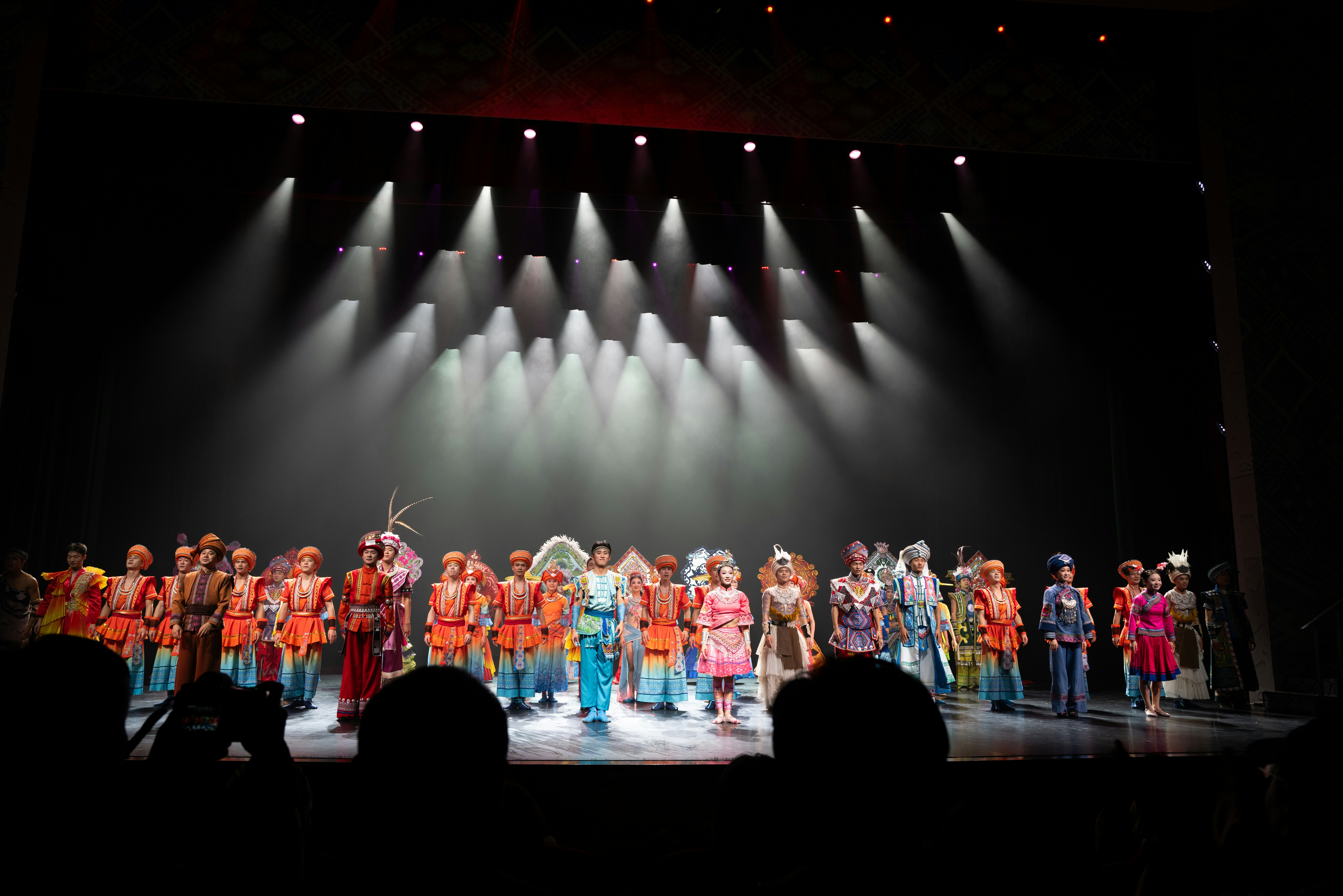
So, there you have it! From the history of laughter to the art of casting, we’ve covered every angle of comedy school play scripts. Remember, the best comedy isn’t just about making people laugh; it’s about connecting with your audience, building confidence in your students, and creating memories that last a lifetime.
Whether you choose a slapstick farce for your elementary school or a satirical parody for your high school, the key is to have fun. After all, if you’re not enjoying the process, how can you expect your audience to?
Final Thought: The next time you’re staring at a blank page, wondering what to direct, remember: laughter is the best medicine. And with the right script, your school play will be the cure everyone needs.
🔗 Recommended Links
- Theatrefolk Comedy Scripts: Amazon | Theatrefolk Official
- Dramatic Publishing Comedy Plays: Amazon | Dramatic Publishing Official
- Samuel French One-Act Comedies: Amazon | Samuel French Official
- Books on Comedy Writing for Kids: Amazon
📖 Reference Links
- Theatrefolk: Comedy Scripts Collection
- Dramatic Publishing: School Play Scripts
- Samuel French: One-Act Plays
- National Association for Music Education: The Benefits of Music and Drama in Education
- American Alliance for Theatre & Education: Resources for Theatre Educators
- Facebook Community Theatre Resource Group: Comedy Scripts Discussion
FAQ

How do I adapt a comedy script for a school play production?
Adapting a comedy script involves tailoring the content to fit your specific cast, budget, and school culture. Start by reading the script thoroughly and identifying any lines or scenes that might not work for your students. You can rewrite dialogue to make it more relatable, adjust the cast size by combining or splitting roles, and modify the set to fit your stage. Always ensure that the core message and humor remain intact.
Read more about “🎭 15 Plays with Flexible Casting for Schools (2026)”
What are some popular comedy school play scripts for middle school?
Middle school students thrive on situational comedy and relatable themes. Popular scripts include “Detention: The Musical Mayhem,” “The Great Science Fair Fiasco,” and “The Substitute Teacher from Mars.” These scripts often feature flexible casting and improvisation opportunities, making them perfect for this age group.
Read more about “🎭 15+ Best Sites for Full Play Scripts Free (2026)”
Can I get scripts for comedy school plays with diverse characters?
Absolutely! Modern comedy scripts are increasingly inclusive and diverse. Publishers like Theatrefolk and Dramatic Publishing offer a wide range of scripts that feature characters from various backgrounds, cultures, and identities. Look for scripts that reflect the diversity of your student body and audience.
Read more about “🎭 15 Best School Play Scripts for Kids (2026)”
Are there short comedy scripts suitable for school performances?
Yes, one-act plays and vignettes are perfect for short performances. These scripts typically run between 10 to 30 minutes and are ideal for assemblies, talent shows, or end-of-year programs. They often have small casts and simple sets, making them easy to produce.
Read more about “🎭 How to Get Free Play Scripts: 10+ Legal Sources (2026)”
How do I choose the right comedy script for a school play?
Choosing the right script involves considering your cast size, skill level, budget, and themes. Start by reading several scripts and imagining how they would work with your students. Look for scripts that engage your audience and challenge your actors without being overwhelming.
Read more about “🎭 15 School Play Scripts Addressing Contemporary Issues (2026)”
What are the best comedy scripts for elementary school plays?
Elementary school plays should focus on slapstick, visual humor, and simple dialogue. Scripts like “The Misadventures of the Misfit Mascot” and “Ghosts of the Cafeteria” are excellent choices. These scripts often include dance numbers and audience participation, making them fun for young actors and audiences alike.
Read more about “🎭 How to Write a School Play Script: The Ultimate 2026 Guide”
Where can I find free comedy school play scripts online?
While many high-quality scripts are available for purchase, there are some free resources online. Websites like Drama Notebook and Free Play Scripts offer a selection of free scripts. However, be cautious of the quality and copyright issues. It’s often worth investing in a professional script for the best results.
Read more about “🎭 Where to Find Themed School Play Scripts (2026)”
Are there any comedy school play scripts that incorporate music and dance?
Yes, many comedy scripts include musical numbers and dance sequences. These scripts are often titled as musical comedies or comedy musicals. They require additional rehearsal time for singing and dancing but can be incredibly engaging and memorable.
Read more about “15 Hilarious Comedy School Play Scripts to Try in 2026 🎭”
What are some comedy play scripts with small casts for smaller schools?
For schools with limited resources, look for scripts with small casts (5-10 actors). Titles like “The Art of Rejection” and “Building Blocks” are designed for intimate productions and can be performed with minimal sets and props.
Read more about “🎭 15 Top Publishers for Educational Theatre Scripts (2026)”
How do I choose a comedy script suitable for my school’s age group?
Consider the maturity level and interests of your students. For younger students, choose scripts with simple plots and visual humor. For older students, opt for scripts with complex themes and sophisticated humor. Always read the script with your specific age group in mind.
Read more about “15 Short Drama Scripts for Primary School Pupils (2026) 🎭”
Can I adapt a famous comedy into a school play script?
Yes, you can adapt famous comedies, but be aware of copyright restrictions. Many classic comedies are in the public domain, but modern adaptations may require permission. If you’re adapting a copyrighted work, contact the rights holder for authorization.
Read more about “🎭 Where to Find Full Play Scripts: 10 Top Sources (2026)”
What are the best one-act comedy plays for high school students?
High school students can handle complex themes and sophisticated humor. Some of the best one-act comedy plays include “Shakespeare Roasted,” “Reality TV: The School Edition,” and “The Yearbook Scandal.” These scripts offer challenging roles and engaging storylines.
Read more about “🎭 Where Can I Get Free Play Scripts? 15+ Legal Sources (2026)”
How can I find free comedy play scripts for schools?
In addition to the resources mentioned earlier, you can check local libraries, school districts, and educational websites for free scripts. Some theatre companies also offer free scripts as part of their educational outreach programs.
Read more about “What Are the Topics of One Act Play? 🎭 12 Powerful Themes to Explore (2026)”
What are some popular comedy scripts for school plays?
Popular comedy scripts for school plays include “The Misadventures of the Misfit Mascot,” “Detention: The Musical Mayhem,” “The Great Science Fair Fiasco,” and “Prom Night from Outer Space.” These scripts are well-loved by students and audiences alike.
Read more about “🎭 15 Best School Play Scripts for Middle School Students (2026)”