Support our educational content for free when you purchase through links on our site. Learn more
🎭 Where to Find Short Plays for Small School Casts

For short drama scripts with a small cast, start with established publishers such as Dramatic Publishing, Playscripts, and Concord Theatricals, then check each script’s cast breakdown, runtime, school suitability, and performance rights. If you’re asking, “Where can I find short drama scripts with a small cast for my school’s theater club?” these catalogs offer a practical first stop, while teacher-focused collections and student-written plays can widen your options.
The trick is that “short” and “small cast” aren’t guarantees of an easy production. A five-actor play may require rapid character changes, while a three-actor drama can carry demanding roles—so the best script is the one that fits your students, rehearsal schedule, and stage.
We’ve seen promising productions start with one simple question: “How many students can we actually count on?” Answer that first, and the search becomes less like rummaging through a costume closet and more like finding the right role for the right ensemble.
Key Takeaways
- Search established script publishers first: Try Dramatic Publishing, Playscripts, and Concord Theatricals.
- Check the full details: Confirm cast size, runtime, themes, technical needs, and school suitability before deciding.
- Verify performance rights: Reading or downloading a script doesn’t automatically give your club permission to stage, record, or stream it.
- Consider flexible alternatives: Doubling, themed scene showcases, and student-written plays can work when a published script doesn’t quite fit.
- Match the script to your real resources: A strong small-cast play gives students meaningful roles and suits your schedule, space, and experience.
Table of Contents
- ⚡️ Quick Tips and Facts for Finding Short Plays with Small Casts
- 🎭 Why Small-Cast Drama Scripts Work for School Theater Clubs
- 📚 Where to Find Short Drama Scripts for Student Actors
- 1. School Play Scripts™: Plays for Student Casts and Classrooms
- 2. Playscripts: Contemporary Plays and One-Act Scripts
- 3. Dramatic Publishing: One-Act Plays and Small-Cast Licensing
- 4. Concord Theatricals: School-Friendly Plays and Performance Rights
- 5. Dramatists Play Service: Short Plays for Teen Performers
- 6. New Play Exchange: Scripts by Emerging Playwrights
- 7. Local Playwrights, Arts Organizations, and Theater Networks
- 8. Teacher Communities and High School Theater Groups
- 9. Public-Domain Plays and Adaptations
- 10. Student-Written Scripts and Original Short Plays
- 🔎 How to Choose the Right Short Play for Your Cast
- Cast Size, Doubling, and Flexible Roles
- Runtime, Reading Level, and Rehearsal Schedule
- Themes, Age Suitability, and Content Notes
- Simple Sets, Props, Costumes, and Technical Needs
- 📝 Short Play Formats: One-Act Plays, Skits, and Dramatic Scenes
- 🌟 Small-Cast Script Ideas and Standout Examples
- “Just Another High School Play”: Finding Relatable School Comedy
- “Marvelous Squad” by Dean O’Caroll: Superhero Fun for Student Actors
- How to Find More Plays Like These
- ✅ Copyright, Performance Rights, and Script Licensing for Schools
- When a School Needs a Performance License
- How to Request Permission and Confirm Royalty Terms
- Why Online Availability Does Not Automatically Mean Free to Perform
- 🎬 From Script Search to Opening Night
- Auditions and Casting a Small Ensemble
- Rehearsing a Short Play on a School Schedule
- Staging a Memorable Show on a Small Budget
- 💡 Quick Tips for Directors and Theater Club Advisors
- 🏫 How Drama Teachers Can Connect with Theater Communities
- 🎟️ Alternatives When You Can’t Find the Perfect Script
- Conclusion
- Recommended Links
- FAQ
- Reference Links
⚡️ Quick Tips and Facts for Finding Short Plays with Small Casts
Looking for a short drama script for a school theater club? Start with our guide to short drama scripts for students, then search reputable play publishers using filters for cast size, runtime, age suitability, and licensing.
| What to check | Why it matters | Quick tip |
|---|---|---|
| Cast size | A “small cast” can mean two actors or a dozen, depending on the publisher. | Check the full cast breakdown, not just the headline. |
| Runtime | A 10-minute scene and a 45-minute one-act suit different events. | Look for an estimated running time and confirm whether it includes an intermission. |
| Doubling | One performer may play multiple characters. | Ask whether quick changes and distinct character switches are manageable for your students. |
| Performance rights | Buying or downloading a script does not necessarily grant performance permission. | Read the publisher’s licensing terms before announcing your title. |
| School suitability | Themes and language vary widely, including within “teen” or “young adult” categories. | Review the script and content information yourself before selecting it. |
| Technical demands | A tiny cast does not automatically mean a simple production. | Check for scene changes, sound cues, special effects, and set requirements. |
A strong first search: Try the Dramatic Publishing one-act play catalog, Playscripts, or Concord Theatricals and filter or search by cast, length, and audience. For classroom-ready options, browse Educational Play Scripts and Drama Club Resources.
✅ Best shortcut: Make a one-page “must-have” list before browsing: maximum cast, target runtime, student age range, rehearsal time, content boundaries, and technical limits. It keeps a promising title from turning into a production headache.
🎭 Why Small-Cast Drama Scripts Work for School Theater Clubs
A small-cast play can make a school theater club feel less like a waiting room and more like an ensemble. Students get more stage time, roles are easier to distribute when membership is limited, and rehearsal can focus on listening, character work, and storytelling rather than coordinating a crowd.
But “small cast” isn’t automatically “easy.” Two actors carrying a full-length emotional drama may need more rehearsal discipline than a ten-person comic ensemble. The right script matches the students, schedule, space, and production capacity you actually have.
| Potential benefit | What it can mean for students | Watch out for |
|---|---|---|
| More substantial roles | Actors may have more lines and character development. | A demanding lead role can create pressure; plan support and understudy options where possible. |
| Easier scheduling | Fewer performers can simplify calendars and attendance coordination. | One absence may affect a large portion of the show. |
| Flexible staging | Some small-cast plays work with a minimal set or a single location. | Check the script before assuming the staging is simple. |
| Ensemble focus | Students can build close working relationships and sharpen scene skills. | Make sure every actor has meaningful work, especially in flexible-cast pieces. |
| Strong fit for clubs | A smaller production can be practical for a new or developing program. | Make the artistic goal ambitious, not merely the logistics small. |
In our experience as educators, cast size works best as a starting filter—not the deciding factor. One club may need a two-actor play that fits a classroom; another may have eight enthusiastic students and want a flexible ensemble piece. Both can find a good match, but they shouldn’t search the same way.
For younger performers, compare scripts with School Play Scripts™ collections of Elementary School Plays and Children’s Theatre Scripts. For teen actors, read the script rather than relying on an age label alone.
📚 Where to Find Short Drama Scripts for Student Actors
The most useful script sources are usually publisher catalogs and licensing agencies, because their listings often include the cast breakdown, synopsis, runtime, and performance-rights contact. Playwright platforms, local arts groups, teacher networks, and public-domain collections can widen your search, but each requires a different level of rights and content checking.
1. School Play Scripts™: Plays for Student Casts and Classrooms
Begin with School Play Scripts™’ Educational Play Scripts, Children’s Theatre Scripts, and Drama Club Resources. These collections are useful when your club needs a script connected to student performers, school settings, or classroom use.
Why look here:
- Browse by educational or youth-theater relevance.
- Find ideas for class performances, drama clubs, and school productions.
- Use the drama teacher guides for planning and teaching support.
Before choosing a script: Confirm its cast needs, intended age range, runtime, and whether your planned public or ticketed performance requires separate permission. A classroom reading and a public performance are not necessarily covered by the same rights.
2. Playscripts: Contemporary Plays and One-Act Scripts
Playscripts is a well-known publisher and licensing source for contemporary scripts. Search for one-act plays, short plays, and small-cast plays, then examine the individual title listing for character count, recommended age or audience, and licensing information.
Useful for: Clubs seeking contemporary comedy, drama, student-friendly material, and a range of production formats.
Potential drawback: A title that sounds ideal from its synopsis may still have a cast or content detail that doesn’t suit your students. Read the available script materials and verify permissions with the publisher.
3. Dramatic Publishing: One-Act Plays and Small-Cast Licensing
Dramatic Publishing’s one-act catalog offers a searchable starting point for school theater clubs. Listings can include runtime, cast breakdown, recommended producing groups, and licensing options. The details vary by title, so check each page carefully.
Here are several examples from its catalog, with very different cast and rehearsal profiles:
| Title | Listed runtime | Cast details in listing | Why it may interest a school club |
|---|---|---|---|
|
Hungry Ghosts |
45 minutes | 3 actors of any gender | A tightly focused drama recommended for middle school, high school, and other groups. Review its subject matter and suitability carefully. |
|
Dulce |
45 minutes | 1 male, 3 female | Magical realism and slapstick provide a distinctive mix; the listing identifies themes including grief, cultural identity, and family. |
|
Around the World in 80 Days |
40 minutes | 4 male, 1 female; expandable | A five-actor core portrays many characters, with the option to expand the cast—useful for clubs with changing enrollment. |
|
Tovik Tomte and the Trolls |
45 minutes | 5–15 actors of any gender | A flexible-cast folktale option for a group that needs room to include more students. |
A catalog listing may state that streaming or recording rights are available, but that does not mean they are automatically included in a standard performance license. Confirm the exact rights you need—live performance, recording, livestreaming, or a combination—with the publisher.
4. Concord Theatricals: School-Friendly Plays and Performance Rights
Concord Theatricals represents a broad range of plays and rights. Search its catalog using terms such as one act, short play, small cast, or your preferred theme, then check the title page for cast size and licensing details.
Why it’s worth checking: A large catalog can help when you have a particular genre or playwright in mind.
What to verify: Production rights, any restrictions on adaptation or recording, and whether the edition or licensing arrangement fits your school’s planned performance.
5. Dramatists Play Service: Short Plays for Teen Performers
Dramatists Play Service is another source for scripts and performance-rights information. Search by playwright, title, genre, or play length, and verify the cast breakdown and available permissions on the relevant listing or through its rights channels.
It can be especially useful when your club is seeking a particular kind of contemporary drama. As always, a teen-relevant subject is not the same thing as automatic school suitability—read the script and consider your audience.
6. New Play Exchange: Scripts by Emerging Playwrights
New Play Exchange is a digital platform for discovering new plays by playwrights. It can be valuable for educators and directors looking for fresh material that may not appear in familiar publisher catalogs.
Before choosing a script:
- Check the platform’s current access and use terms.
- Contact the playwright or rights holder for production permission.
- Confirm whether the script is complete and ready for production.
- Discuss revisions, student readings, or educational use directly with the rights holder.
A script being available to read online does not automatically make it free to stage.
7. Local Playwrights, Arts Organizations, and Theater Networks
Local theater groups, university theater departments, arts organizations, and playwright festivals may know of new scripts or local writers whose work fits a small student cast. These connections can also lead to readings, workshops, or a conversation with the playwright.
Try contacting:
- A nearby community theater or youth theater company.
- Your local arts council or regional theater organization.
- A college or university theater department.
- A playwright group or new-play festival.
Ask for a script recommendation and rights contact, not merely a PDF. If a playwright offers a script directly, get permission and any agreed terms in writing.
8. Teacher Communities and High School Theater Groups
Theater educators and school directors can be excellent sources of practical advice: they may know which plays rehearse well, which listings have accurate cast information, and which publishers respond clearly to schools.
However, social posts don’t always provide dependable or publicly verifiable details. The two Facebook group posts supplied for this topic display login prompts rather than readable recommendations, so we can’t confirm a particular title or quote from them. Treat peer suggestions as leads to investigate, then verify the script and rights with the publisher or playwright.
The included featured video captures the nervy, funny chaos of students waiting for a cast list and a teacher turning auditions into theatrical mayhem. Its “Hamilton casting rules for this show” joke is a reminder that casting can feel like a high-stakes spectacle—but your script search should be calmer, fairer, and based on transparent criteria.
9. Public-Domain Plays and Adaptations
A public-domain play may be a low-cost source of performance material, but public-domain status is specific to a work and jurisdiction. A modern translation, edited edition, adaptation, introduction, or musical arrangement may have separate copyright protection.
The U.S. Copyright Office explains key copyright concepts in its copyright basics guidance. For a public-domain production, check:
- Whether the underlying text is actually in the public domain in your country.
- Whether the edition or translation you plan to use has separate rights.
- Whether your adaptation adds protected material.
- Whether your school’s particular use involves additional permissions.
When in doubt, use a reliable legal or institutional resource and ask the rights holder. “I found it online” is not a legal clearance strategy.
10. Student-Written Scripts and Original Short Plays
Writing an original short play can be a terrific option when available scripts don’t match your students, cast, or event. Students can write about a school issue, build a comic sketch, or create a short scene around a theme from class.
For a productive student-writing process:
- Set clear boundaries: Decide the target runtime, cast size, tone, and content rules.
- Build the premise: Give the scene a conflict, a goal, and a reason the characters cannot simply walk away.
- Keep the production practical: Use a small number of locations, props, and technical cues.
- Read it aloud: Students hear awkward dialogue much faster than they spot it on a page.
- Agree on authorship and permissions: Clarify who owns the script and how it may be performed, revised, or shared.
For more classroom and club support, see Drama Teacher Guides and Drama Club Resources.
🔎 How to Choose the Right Short Play for Your Cast
The best script is not necessarily the shortest, funniest, or most popular one. It’s the play your students can perform with care, within your resources, for an audience that fits the material.
Cast Size, Doubling, and Flexible Roles
First, count available performers, then compare that number with the full cast breakdown. Pay attention to role balance, gender requirements where specified, and whether doubling is allowed or encouraged.
| Script feature | Good fit when… | Double-check… |
|---|---|---|
| Fixed small cast | You have a reliable group of the exact listed size. | Absence coverage and whether any role has unusually heavy stage time. |
| Flexible cast | Enrollment may change, or you want to include more students. | Whether added actors receive useful lines or stage business. |
| Doubling encouraged | You have fewer students than characters. | Costume changes, entrances, and whether the script permits doubling. |
| Expandable ensemble | You want a small core cast with optional group roles. | Whether extra roles are genuinely optional or essential to the story. |
Dramatic Publishing’s Around the World in 80 Days listing is an example of an expandable setup: it describes a five-actor core portraying more than 20 characters, with the possibility of adding performers. That’s a clever structural solution—but make sure your actors are comfortable with quick changes and fast character shifts.
Runtime, Reading Level, and Rehearsal Schedule
A publisher’s runtime is an estimate, not a stopwatch guarantee. Student delivery, transitions, laughter, pauses, and scene changes can all change the final length.
Use this step-by-step check:
- Choose a target: Is this a 10-minute showcase piece, a 30-minute festival play, or a 45-minute one-act?
- Read aloud: Time the script with student performers or a realistic reading pace.
- Add transitions: Include entrances, exits, scene changes, and any audience interaction.
- Estimate rehearsal needs: Consider memorization, movement, accents, music, and technical cues.
- Check the venue schedule: Leave time for setup, audience seating, and strike.
A readable script with clear action often serves student performers better than a dense script chosen only because it is short. If you want an educational angle, browse Educational Play Scripts.
Themes, Age Suitability, and Content Notes
A publisher’s audience recommendation is a helpful signal, not a substitute for reviewing the play. Consider language, violence, grief, substance use, identity themes, emotional intensity, and your school’s policies.
A balanced review should include more than “Is it appropriate?” Ask:
- Does the subject matter suit the age and experience of your cast?
- Can students approach it respectfully and safely?
- Is the material appropriate for your intended audience and school context?
- Do you need to share content information with families or administrators?
- Is the play’s tone consistent with your educational goals?
For younger actors, start with Elementary School Plays or Children’s Theatre Scripts, then review the actual script.
Simple Sets, Props, Costumes, and Technical Needs
A small cast doesn’t guarantee a small technical footprint. A three-actor play can still call for complex sound, multiple locations, or rapid costume changes.
Make a quick production inventory:
| Production need | Questions to ask before selecting |
|---|---|
| Set | How many locations are required? Can the setting be suggested rather than built? |
| Props | Are any items unusual, fragile, or difficult to source safely? |
| Costumes | Do actors need quick changes or period-specific clothing? |
| Sound | Are there timed cues, music rights, or effects that need rehearsal? |
| Lighting | Does the play depend on specialized equipment or precise transitions? |
| Space | Can it be staged in your auditorium, classroom, or a flexible black-box room? |
Teacher tip: Build a simple “production footprint” beside your script shortlist. A play that needs one chair, two doors, and a sound cue may be a better fit than a seemingly simple story with a dozen offstage effects.
📝 Short Play Formats: One-Act Plays, Skits, and Dramatic Scenes
“Short play” can refer to several formats. Knowing the difference helps you avoid finding a delightful script that runs three times longer than your showcase slot.
| Format | Typical use | What to check |
|---|---|---|
| Short scene | Class exercise, audition, or showcase | Whether it stands alone or depends on context from a larger play. |
| Skit | Assembly, club event, or comedy night | Whether the humor suits your students and audience. |
| Short play | Festival, classroom production, or themed event | Runtime, cast size, and whether rights cover public performance. |
| One-act play | A complete dramatic work, often without an intermission | Actual running time and the publisher’s format label. |
| Monologue | Audition or solo showcase | Whether it is licensed separately or excerpted from a larger work. |
Publishers may categorize work differently, so trust the individual script listing over a broad search label. Dramatic Publishing’s one-act catalog is a useful place to compare format and listed runtime.
🌟 Small-Cast Script Ideas and Standout Examples
A useful shortlist includes a mix of tones and production needs. One drama might give three actors a concentrated, serious story; a comic ensemble piece might let five performers play a crowd of characters. Compare the script descriptions with your club’s strengths rather than choosing by title alone.
“Just Another High School Play”: Finding Relatable School Comedy
A title like Just Another High School Play naturally catches a school club’s eye: it promises familiar territory, and students often enjoy comedy that pokes fun at rehearsal-room nerves, auditions, and theatrical egos.
Still, don’t choose a script on the title alone. Search publisher catalogs for the exact title, then confirm the author, current availability, cast size, running time, school suitability, and licensing contact. Similar or alternate titles can appear in search results, and a title may be unavailable or listed by a different rights holder.
The supplied Facebook group summaries show login prompts, not visible script recommendations or quotes. We therefore can’t validate a particular social-media endorsement. A teacher’s recommendation can be a helpful lead, but the official play listing is the source to trust for production details.
“Marvelous Squad” by Dean O’Caroll: Superhero Fun for Student Actors
A superhero premise can invite energetic physical comedy, clear character types, and playful ensemble work. Marvelous Squad by Dean O’Caroll is a title to investigate if your students enjoy comic-book-style action and larger-than-life characters.
Before adding it to your shortlist, verify the current publisher listing and rights information. Check whether the script’s cast needs match your club, how the action is staged safely, and whether the tone and humor fit the age group. We don’t recommend relying on an unverified catalog snippet for production details—confirm every key fact with the rights holder.
How to Find More Plays Like These
Use specific search phrases instead of typing only “school play” into a search box:
- “short play for high school students small cast”
- “one-act comedy flexible cast school”
- “10-minute play teen actors”
- “two-person drama for student performers”
- “small-cast play with doubling”
- “middle school one-act play cast of five”
Then compare candidate scripts with a simple scorecard:
| Criterion | Suggested priority |
|---|---|
| Cast size and flexibility | Essential |
| Runtime | Essential |
| Student suitability | Essential |
| Rights and licensing clarity | Essential |
| Rehearsal demands | High |
| Set and technical needs | High |
| Theme and tone | High |
| Expansion or doubling options | Helpful |
The best match is often the script that checks the practical boxes and makes your students eager to read the first page.
✅ Copyright, Performance Rights, and Script Licensing for Schools
A script is protected creative work unless its status says otherwise. Buying a script, borrowing one, reading a sample, or finding a copy online doesn’t automatically grant permission to perform it publicly.
The U.S. Copyright Office explains the basics of copyright and protected works. For a school production, the relevant permission depends on the work, the rights holder, the performance, and any recording or streaming plans.
When a School Needs a Performance License
You may need permission when staging a copyrighted play for an audience, even if the event is school-related, noncommercial, or free to attend. Requirements depend on the work and circumstances; ask the publisher or rights holder rather than guessing.
Tell the licensing contact:
- Your school organization.
- The title and author.
- The number of performances and dates.
- The venue and expected audience.
- Whether admission is charged.
- Whether you plan to record, livestream, or share clips online.
A live-performance license may not include recording or streaming rights. Dramatic Publishing’s catalog, for example, may identify separate livestream or record-and-stream availability on specific titles. Confirm what your license actually permits.
How to Request Permission and Confirm Royalty Terms
Use this practical sequence:
- Identify the rights holder. Use the publisher’s official title page or contact information.
- Provide accurate production details. Include dates, venue, number of performances, and audience information.
- Ask about the exact rights. Clarify live performance, school showcase, recording, livestreaming, and any planned excerpts.
- Review the written terms. Check restrictions, payment obligations, reporting requirements, and deadlines.
- Keep the confirmation. Save the license and correspondence with the production records.
- Do not change the script without permission. Cuts, adaptations, translations, and character changes may require approval.
Royalty and licensing terms vary, so we’re not listing specific prices. The publisher’s current quote and written agreement are what count.
Why Online Availability Does Not Automatically Mean Free to Perform
A free-to-read script may still be copyrighted. A PDF online could be a reading copy, an excerpt, an unauthorized upload, or a work whose rights remain controlled by an author or publisher.
✅ Safer: Confirm the rights status through a publisher, playwright, or reliable legal source.
❌ Risky: Assume that “free download,” “educational use,” or “not-for-profit” means performance permission is included.
Public-domain works can be an option, but check the underlying work and the particular edition or adaptation. Copyright guidance from the U.S. Copyright Office is a sound starting point for general information.
🎬 From Script Search to Opening Night
Once you’ve found a promising script, the next challenge is turning the PDF into a confident, well-prepared production. A modest show can still feel polished when casting, rehearsals, and technical planning are organized.
Auditions and Casting a Small Ensemble
In a small cast, every role matters. That can make auditions feel intense—especially when students are waiting for a cast list. The featured video plays that moment for laughs: nervous actors, a dramatically mysterious teacher, absurd audition challenges, and a cast list delayed by one more staff “initial.” It’s “gorgeous, sweet chaos” as comedy, not a model for real casting.
For a fair and welcoming process:
- Share the script’s tone, role requirements, and audition expectations in advance.
- Choose audition exercises that reflect the play’s real demands.
- Give every student a clear, reasonable opportunity to audition.
- Use consistent criteria, such as vocal clarity, listening, movement, and availability.
- Explain casting decisions respectfully without promising a role in advance.
- Consider ensemble assignments, understudy plans, or a second short piece if the script allows.
A small club benefits from transparent expectations and kind communication as much as from a strong cast list.
Rehearsing a Short Play on a School Schedule
A short play still needs structured rehearsal. Use a schedule that gives students time to understand the story before polishing details.
| Rehearsal phase | Main focus |
|---|---|
| Table read | Story, character relationships, unfamiliar words, and questions |
| Blocking | Entrances, exits, movement, sightlines, and stage geography |
| Scene work | Objectives, listening, pacing, and emotional transitions |
| Memorization | Lines, cues, and consistent actions |
| Technical rehearsal | Lighting, sound, props, costumes, and transitions |
| Run-throughs | Stamina, timing, continuity, and performance confidence |
Teacher tip: Set a clear goal for each rehearsal and finish with a short reflection: one success, one question, one next step. Students remember progress better when it’s visible.
For more planning support, browse Drama Teacher Guides and Drama Club Resources.
Staging a Memorable Show on a Small Budget
A small budget can encourage theatrical imagination. Use a carefully chosen chair, a shared costume color, a sign, or a sound cue to establish a world without building a complicated set.
Try these practical choices:
- Choose a flexible playing space: A classroom or black-box layout may serve the script better than a traditional proscenium.
- Make props intentional: Keep a labeled prop table and assign a student to check it before each performance.
- Use costume signals: A hat, jacket, or scarf can help distinguish doubled characters.
- Rehearse transitions: Clean transitions make modest staging feel confident.
- Prioritize safe movement: Especially for physical comedy, falls, mock combat, or rapid entrances.
- Keep sound and visuals original or properly licensed: Don’t assume a song or video clip is free to use just because it appears online.
The audience doesn’t need an enormous set. It needs a clear story, focused performances, and enough visual information to follow along.
💡 Quick Tips for Directors and Theater Club Advisors
- Read the whole play before choosing it. A synopsis can’t reveal every content or staging issue.
- Check cast breakdown and runtime on the individual title page.
- Ask about rights before announcing the production.
- Keep a backup title in case availability, cast needs, or licensing terms don’t work.
- Ask students what they’re excited to perform, then balance that enthusiasm with practical requirements.
- Make roles meaningful. If the play has flexible casting, ensure added students have purposeful stage work.
- Keep auditions consistent and welcoming. High drama belongs on stage, not in the casting process.
- Create a rehearsal calendar before the first read-through.
- Plan for absences, understudies, props, and technical cues early.
- Use school and youth-focused script collections: Educational Play Scripts, Elementary School Plays, and Children’s Theatre Scripts.
🏫 How Drama Teachers Can Connect with Theater Communities
Teachers don’t have to search alone. Local and online theater communities can suggest scripts, share rehearsal strategies, and connect schools with playwrights or licensing contacts.
A useful outreach message includes:
- The approximate number and ages of your performers.
- Your target runtime and event type.
- Your available rehearsal period and performance space.
- Any content or technical limitations.
- Whether you need a licensed published play or are open to new work.
Consider contacting community theaters, youth theater organizations, college theater departments, local arts councils, and playwright groups. Ask for recommendations you can verify and request the official publisher or playwright page for any suggested script.
Peer communities are valuable for experience, but recommendations can be incomplete or behind a login. The Facebook summaries supplied for this topic show only login prompts, so they don’t offer publicly verifiable script details. Confirm cast, runtime, content, and rights through the official source.
🎟️ Alternatives When You Can’t Find the Perfect Script
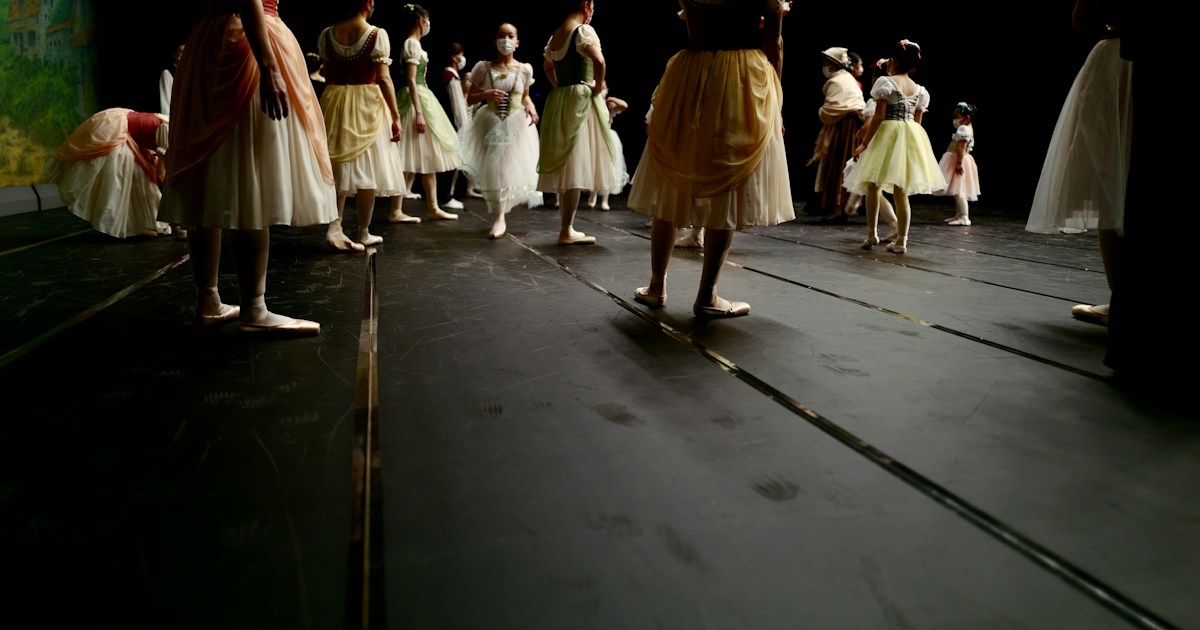
Sometimes the available scripts almost fit. Instead of forcing a poor match, adjust the search or production plan:
- Choose a flexible-cast play: Especially useful if the club’s enrollment changes.
- Use a set of short scenes: A themed showcase can give more students opportunities without requiring one large cast.
- Ask about doubling: A smaller group may play more characters if the script and rights allow it.
- Invite a local playwright: A commissioned or collaboratively developed short play may fit your students particularly well.
- Create a student-written piece: Set clear authorship, revision, and performance-permission expectations.
- Search a different format: A short scene or monologue showcase may fit your event better than a one-act.
- Reconsider the runtime: A 35–45 minute one-act may work for an evening, while a short showcase slot may call for several brief pieces.
If your club includes younger performers, explore Children’s Theatre Scripts and Elementary School Plays. For ideas on planning the production, use Drama Club Resources.