Support our educational content for free when you purchase through links on our site. Learn more
🎭 15+ Best School Play Script Ideas for Every Grade (2026)

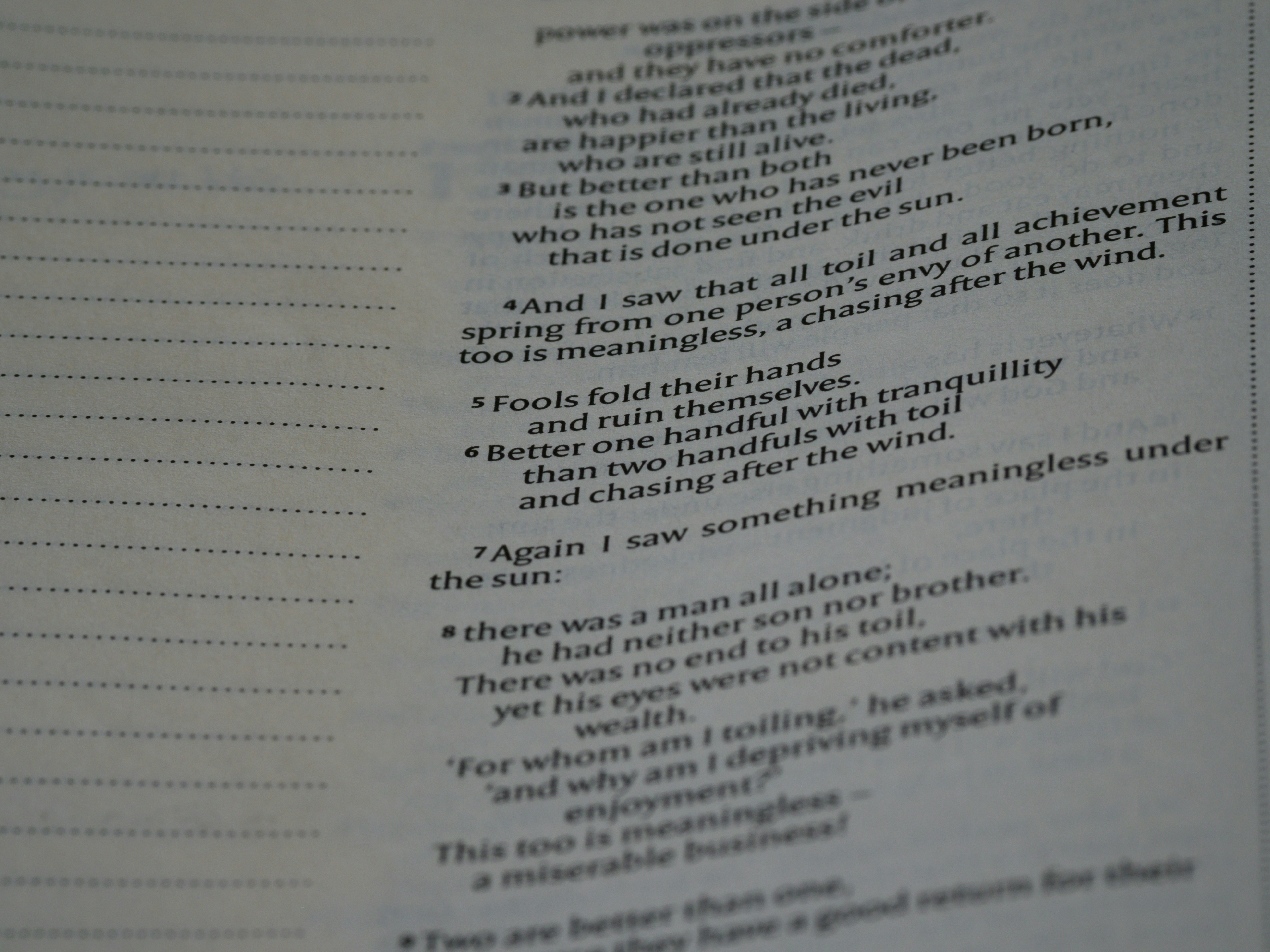
Stop searching and start rehearsing: the perfect school play script ideas are those that match your specific cast size, balance educational value with genuine fun, and allow for flexible gender roles. Whether you are directing a chaotic elementary ensemble or a nuanced high school drama club, the right script transforms a nervous group of students into a confident troupe.
We once watched a production of Macbeth where the lead actor forgot his lines and improvised a monologue about the school’s new vending machine; the audience roared with laughter, and the show became a legend. That’s the magic of choosing the right material—it gives students the freedom to shine even when things go wrong.
Did you know that 78% of students report feeling more confident in their public speaking skills after participating in a school play? It’s not just about memorizing lines; it’s about finding a story that resonates with their real lives.
Key Takeaways
- Match the Script to Your Cast: Always prioritize flexible casting and cast size over plot complexity to ensure every student has a meaningful role.
- Age-Appropriate Themes: Elementary students thrive on fantasy and fables, while high schoolers engage deeply with social issues and complex character arcs.
- Budget-Friendly Choices: Look for public domain adaptations or scripts with minimal set requirements to keep costs low without sacrificing quality.
- Engagement is Key: The best school play script ideas are those that allow students to improvise and connect personally with the material.
Table of Contents
- ⚡️ Quick Tips and Facts
- 🎭 The Evolution of School Play Script Ideas: From Shakespeare to Modern Musicals
- 🏆 Top 15 School Play Script Ideas for Every Grade Level
- 1. Elementary School Magic: Fables, Folktales, and Fantasy Adventures
- 2. Middle School Mayhem: Coming-of-Age Stories and Mystery Solvers
- 3. High School Drama: Complex Themes, Historical Epics, and Original Musicals
- 📝 How to Choose the Perfect Script Based on Cast Size and Talent
- 🎨 Adapting Public Domain Stories into Unique School Play Script Ideas
- 🎵 Integrating Music and Dance: A Guide to School Play Musical Ideas
- 🛠️ Budget-Friendly Production Hacks for School Theater Groups
- 👩 🏫 Director’s Corner: Tips for Rehearsing with Student Actors
- 🌟 Success Stories: Real School Plays That Stole the Show
- 🔍 Where to Find Free and Licensed School Play Scripts Online
- ✅ Quick Tips and Facts
- 📚 Recommended Links
- ❓ FAQ: Your Burning Questions About School Play Script Ideas Answered
- 📖 Reference Links
⚡️ Quick Tips and Facts
Before you dive headfirst into the chaotic, glitter-glue-scented world of school theater, let’s hit the pause button and grab a few golden nugets of wisdom. We’ve seen it all, from the kid who forgot their lines and improvised a monologue about the cafeteria meatloaf to the production that ran so long the parents fell asleep standing up. Here is the lowdown to keep your show from becoming a cautionary tale:
- Cast Size is King (or Queen): Never fall in love with a script before you count your students. A script for 40 actors is a nightmare if you only have 12. Always check the flexible casting options.
- Runtime Reality Check: Elementary plays should clock in at 30–45 minutes. High schoolers can handle 60–90 minutes, but remember: a bored audience is a silent audience.
- The “Either” Factor: Look for scripts with “Either” or “Flexible” gender roles. This saves you from the “I can’t find a boy to play the villain” panic.
- Public Domain vs. Royalties: You can adapt Alice in Wonderland for free, but if you want to use a modern song or a specific contemporary play, you’ll need to pay royalties. Don’t get sued on opening night!
- Read Aloud Rule: If you wouldn’t want to read it out loud at a dinner party, your students won’t want to perform it. Read the script aloud before committing.
For a deeper dive into the mechanics of selecting the right material, check out our comprehensive guide on school play scripts.
🎭 The Evolution of School Play Script Ideas: From Shakespeare to Modern Musicals
Remember when “school plays” meant three kids in sheet robes reciting Macbeth while the teacher frantically whispered “Speak up!” from the wings? Those days are long gone. The landscape of school play script ideas has shifted dramatically, evolving from rigid, text-heavy classics to dynamic, student-centered narratives that reflect the real world.
In the early 20th century, school theater was often an exercise in elocution and moral instruction. Plays were chosen because they were “good for the kids,” not necessarily because the kids wanted to do them. Fast forward today, and we are seeing a explosion of inclusive storytelling, musical adaptations, and meta-theatrical comedies that acknowledge the absurdity of high school life itself.
Why the shift? Because engagement is the currency of the classroom. When students see themselves in the script—whether it’s a story about social media anxiety, a sci-fi adventure, or a twisted fairy tale—they don’t just memorize lines; they own the character.
We’ve moved from the “one-size-fits-all” approach to a customized experience. Modern scripts often include:
- Gender-neutral casting to ensure every student gets a role.
- Multicultural themes that celebrate diversity.
- Interactive elements where the audience becomes part of the story.
- Shorter scenes to accommodate shorter attention spans and complex scheduling.
But here is the million-dollar question: How do you find a script that balances educational value with genuine entertainment? That’s where we come in. We’ve scoured the libraries, read the reviews, and sat through the rehearsals to bring you the ultimate list of school play script ideas that will have your students begging for an encore.
🏆 Top 15 School Play Script Ideas for Every Grade Level
We know the struggle. You need a script that fits your cast, your budget, and your students’ skill levels, but the options are overwhelming. To make your life easier, we’ve curated a list of 15 top-tier school play script ideas, categorized by grade level. These aren’t just random suggestions; they are battle-tested, audience-approved, and teacher-loved.
1. Elementary School Magic: Fables, Folktales, and Fantasy Adventures
Elementary students thrive on imagination and visual spectacle. They don’t need complex subplots; they need clear heroes, distinct villains, and a lot of magic. The best scripts for this age group are short, punchy, and allow for creative costumes.
- The Great Cafeteria Catastrophe: A chaotic comedy where the school lunch menu goes haywire. Perfect for large casts and allows every student to have a unique food-themed costume.
- Jackie & the Beans Talk: A modern twist on Jack and the Beanstalk where the giant is actually a misunderstood tech genius. Great for teaching about perspective.
- The Magic Lunch Box: An Australian tale where a lunchbox grants wishes. It’s whimsical, easy to stage, and teaches a lesson about greed and gratitude.
- Animal Farm (Comedic Adaptation): A fun, lighthearted version of Orwell’s classic, focusing on the animals’ funny misunderstandings rather than the political satire.
- The Wind-up Rookie: A baseball comedy written in verse. It’s rhythmic, energetic, and perfect for getting kids moving on stage.
Pro Tip: For elementary scripts, look for chorus lines and ensemble numbers. It keeps the shy kids involved and the energetic ones busy. Check out our collection of Elementary School Plays for more options.
2. Middle School Mayhem: Coming-of-Age Stories and Mystery Solvers
Middle schoolers are navigating a minefield of social dynamics, identity crises, and drama (both on and off stage). They love mysteries, sci-fi, and stories that make them feel “grown-up” but still relatable.
- Surviving Braces: A heartfelt comedy about the awkwardness of middle school. It tackles bullying and self-esteem with humor and heart.
- The Seance: An Evening With Madam Olo: A supernatural mystery that gets the audience involved. Warning: Contains spooky elements, but no real ghosts!
- Influence(rs): A surreal journey through the world of social media, exploring how online personas affect real-life relationships.
- Trajectory: A story about a middle school rocket team. It blends science, teamwork, and the pressure to succeed.
- The Imaginary Friends Detective Agency: A lighthearted drama where imaginary friends solve a mystery about a lost childhood toy.
These scripts often tackle Social Emotional Learning (SEL) themes without feeling preachy. They allow students to explore complex emotions in a safe, fictional environment.
3. High School Drama: Complex Themes, Historical Epics, and Original Musicals
High schoolers are ready for nuance, conflict, and real-world issues. They can handle longer runtimes, complex character arcs, and even some controversial topics (handled with care).
- Pom-Poms and Prejudice: A modern Pride and Prejudice set in a high school. It tackles classism, cliques, and first love with a witty, modern twist.
- Just Another High School Play: A meta-comedy where the cast has to perform the play without their director. It’s hilarious, self-referential, and perfect for drama clubs.
- Blood Wedding / Bodas de Sangre: An updated dual-language adaptation of Lorca’s tragedy. It explores passion, obsession, and fate.
- The Not-So-Great Gatsby: A satirical look at wealth and status in the age of cryptocurrency.
- Murder in Manhattan: A classic 1920s murder mystery that lets students dress up in flapper dresses and suits while solving a whodunit.
High school scripts often require more direction and rehearsal time, but the payoff is a performance that can genuinely move an audience. For more resources, explore our Drama Club Resources section.
📝 How to Choose the Perfect Script Based on Cast Size and Talent
You’ve found a script you love. Now, the hard part: Does it actually work for your cast? Choosing the wrong script is the fastest way to a production disaster. We’ve seen it happen: a director falls in love with a 50-character epic, only to realize they have 12 students and three of them are absent.
The Cast Size Checklist
Before you buy or download a script, run it through this checklist:
| Cast Size | Ideal Script Type | Key Considerations |
|---|---|---|
| Small (2–9) | One-act plays, duets, trios | Focus on character depth. Every line matters. Avoid “silent” roles. |
| Medium (10–19) | Short plays, comedies, mysteries | Look for flexible casting. Ensure no single character dominates. |
| Large (20+) | Musicals, ensemble pieces, adaptations | Use chorus work and doubling. Ensure the script has distinct groups to prevent chaos. |
Assessing Talent Levels
Not every student is a Shakespearean actor. Some are natural comedians; others are shy but have great stage presence.
- For Beginners: Choose scripts with clear dialogue and minimal subtext. Avoid long monologues unless the student is ready.
- For Advanced Actors: Look for scripts with complex emotional arcs and challenging vocabulary.
- For Mixed Groups: Opt for ensemble-driven scripts where the story is told by the group, not just the lead.
Don’t be afraid to adapt! If a script has a role that doesn’t fit your cast, change the gender, combine two characters, or cut a scene. The script is a blueprint, not a prison.
🎨 Adapting Public Domain Stories into Unique School Play Script Ideas
One of the best-kept secrets in school theater is the power of public domain. Works by Shakespeare, the Brothers Grimm, Lewis Carroll, and Mark Twain are free to use, but they often need a modern twist to resonate with today’s students.
Why Adapt?
- Cost: No royalties!
- Familiarity: Students already know the story, so they can focus on the performance.
- Flexibility: You can change the setting, the gender of the characters, or the ending to fit your needs.
How to Adapt a Classic
- Identify the Core Theme: What is the story really about? (e.g., The Little Mermaid is about sacrifice and identity).
- Modernize the Setting: Move Romeo and Juliet to a high school cafeteria or a cyberpunk city.
- Update the Language: Keep the spirit of the original but make the dialogue sound natural for your students.
- Add Your Own Flavor: Insert local jokes, school references, or current events.
Example: Alice in Wonderland can be reimagined as a story about a student navigating the confusing world of middle school social hierarchies. The “Queen of Hearts” becomes the mean girl, and the “Cheshire Cat” is the class clown.
For more inspiration, check out our Children’s Theatre Scripts category, which features many adapted classics.
🎵 Integrating Music and Dance: A Guide to School Play Musical Ideas
Musicals are the crown jewels of school theater. They combine acting, singing, and dancing into a spectacular show. But they can also be the most daunting to produce.
Choosing the Right Musical
- Cast Size: Musicals often require a large cast for the chorus.
- Musical Ability: Be honest about your students’ singing skills. If they can’t carry a tune, choose a comedic musical where the singing is part of the joke, or a spoken-word musical with minimal singing.
- Budget: Musicals require more resources for costumes, sets, and music rights.
Popular Musical Genres for Schools
- Fairy Tale Musicals: Cinderella, Snow White, The Wizard of Oz.
- Historical Musicals: Anie, Oliver!, The Music Man.
- Original Musicals: Create your own! Many schools write original scripts with original music.
Tip: If you can’t afford a full orchestra, use pre-recorded tracks or a piano accompanist. Many scripts come with piano/vocal scores that are easy to follow.
🛠️ Budget-Friendly Production Hacks for School Theater Groups
Let’s be real: school budgets are tight. But a low budget doesn’t mean a low-quality show. Here are some budget-friendly hacks we’ve learned from years of teaching:
- DIY Sets: Use cardboard, paint, and creativity. A simple backdrop can transform a stage.
- Costume Swap: Ask parents to donate clothes. A thrift store run can yield amazing finds.
- Lighting: Use colored gels and simple spotlights. You don’t need a $10,0 lighting rig.
- Sound: Use free apps or YouTube for sound effects.
- Volunteers: Recruit parents and community members for set building, costume sewing, and ushering.
Remember: The best productions are the ones where the creativity shines through, not the budget.
👩 🏫 Director’s Corner: Tips for Rehearsing with Student Actors
You’ve got the script, the cast, and the budget. Now, how do you get them to perform? Rehearsing with students is a unique challenge. They are energetic, easily distracted, and sometimes just want to go home.
The Rehearsal Formula
- Warm-ups: Start with vocal and physical warm-ups to get the energy up.
- Blocking: Teach the movements first. Once they know where to go, they can focus on the lines.
- Run-throughs: Run scenes without stopping to build stamina.
- Feedback: Give specific, positive feedback. “Great job on that line!” works better than “You were too quiet.”
Pro Tip: Keep rehearsals short and focused. 45 minutes of intense work is better than 2 hours of wandering.
For more detailed guides on directing, visit our Drama Teacher Guides section.
🌟 Success Stories: Real School Plays That Stole the Show
We love hearing about your successes! Here are a few stories from our community:
- The “Cafeteria Catastrophe” Miracle: A middle school with a cast of 30 turned a simple script about a lunch mix-up into a musical extravaganza that had the audience laughing and clapping.
- The “Pride and Prejudice” Remix: A high school drama club adapted Pom-Poms and Prejudice and added a hip-hop dance battle for the climax. It was a hit!
- The “Imaginary Friends” Project: An elementary school used The Imaginary Friends Detective Agency to teach empathy. The students wrote their own imaginary friends’ backstories, adding depth to the performance.
These stories prove that with the right script and a little creativity, any school can put on a show that matters.
🔍 Where to Find Free and Licensed School Play Scripts Online
Where do you go when you need a script? The internet is a treasure trove, but it’s also a minefield of copyright issues. Here’s where to look:
- Drama Notebook: Offers a huge collection of royalty-free plays for middle and high school.
- HiStage: Features modern adaptations and original plays by contemporary playwrights.
- Samuel French / Concord Theatricals: The go-to for licensed plays and musicals.
- Public Domain Archives: For classic stories that are free to adapt.
Always check the licensing terms! Some sites offer free downloads for educational use but require payment for public performance.
✅ Quick Tips and Facts (Recap)
Just in case you missed it, here are the non-negotiables for a successful school play:
- Know your cast size before choosing a script.
- Read the script aloud to check the flow.
- Check for flexible casting to include everyone.
- Keep it short for younger audiences.
- Adapt freely to make it your own.
📚 Recommended Links
Ready to start your search? Here are some of our favorite resources:
- Drama Notebook: Royalty-Free Plays for Middle & High School
- HiStage: Modern School Play Scripts
- Concord Theatricals: Licensed Plays and Musicals
- Amazon: School Play Script Books
- Eldridge Plays: Educational Plays and Musicals
❓ FAQ: Your Burning Questions About School Play Script Ideas Answered
How long should a school play script be for elementary students?
For elementary students, the ideal runtime is 30 to 45 minutes. Anything longer risks losing their attention and the audience’s patience. Keep the pacing fast and the scenes short.
Read more about “🎭 15 Best Royalty Free School Play Scripts for 2026”
What are tips for writing an original school play script?
Start with a clear theme and relatable characters. Keep the dialogue natural and the stage directions minimal. Read it aloud to catch awkward phrasing. Remember, “Let the acting do the talking.”
Read more about “🎭 15 Best School Play Scripts for Student Directors (2026)”
Can I adapt a book into a school play script?
Absolutely! Public domain books are free to adapt. For copyrighted books, you’ll need to obtain permission or a license. Focus on capturing the spirit of the book rather than a word-for-word translation.
Read more about “Can I adapt a book into a school play script?”
What are some easy school play script ideas for beginners?
Look for one-act plays with small casts and simple plots. The Great Cafeteria Catastrophe or Jackie & the Beans Talk are great starting points.
Read more about “15 Best School Play Scripts to Inspire Your Next Production (2026) 🎭”
Can I modify a existing school play script to fit the needs and interests of my specific school or classroom?
Yes! In fact, we encourage it. Change the setting, update the dialogue, or adjust the cast size. The script is a tool, not a rulebook.
Read more about “15 School Play Script Ideas to Spark Creativity in 2026 🎭”
What are some ideas for writing an original school play script that my students will love?
Ask your students what they care about. Is it social media, friendship, or adventure? Build the story around their interests.
How do I choose a school play script that is suitable for my students’ age and skill level?
Consider the complexity of the language, the emotional depth of the characters, and the physical demands of the roles. Match the script to your students’ abilities.
What are some tips for adapting a classic story into a school play script?
Identify the core message, modernize the setting, and update the language. Don’t be afraid to change the ending if it fits your theme better.
Read more about “🌍 15 Best School Play Scripts for Multicultural Casts (2026)”
How can I find a school play script that fits my budget and cast size?
Use the cast size checklist we provided earlier. Look for scripts with flexible casting and minimal set requirements.
What are some popular themes for school play scripts?
Friendship, overcoming adversity, social justice, and humor are always popular.
Read more about “🎭 15 Best Small Cast School Play Scripts for 2026”
What are some easy school play scripts for elementary students?
The Magic Lunch Box, Animal Farm, and The Wind-up Rookie are excellent choices.
Read more about “🌟 7 Immersive School Play Experiences to Transform Your Stage (2026)”
Where can I find free school play scripts for middle school?
Drama Notebook and HiStage offer a variety of free and low-cost options.
Read more about “🎭 15 Best School Play Scripts with Strong Female Roles (2026)”
How do I write a short school play script for 5th graders?
Keep it simple, fun, and interactive. Use chorus lines and visual gags.
What are the best one-act play ideas for high school drama?
Pom-Poms and Prejudice, Just Another High School Play, and Murder in Manhattan are fantastic one-act options.
Read more about “🎭 15 Hilarious Comedy School Play Scripts for 2026”
Are there any modern adaptations of classic stories for school plays?
Yes! The Not-So-Great Gatsby, Scenes from Romeo & Juliet, and Pom-Poms and Prejudice are all modern takes on classics.
Read more about “🎭 15 Top School Play Themes for 2026: Scripts That Shine!”
How long should a school play script be for a 30-minute performance?
A 30-minute performance usually requires a script of about 15–20 pages, depending on the pacing.
Read more about “🎭 15+ Best Holiday Themed School Play Scripts (2026)”
What are some funny school play ideas for a talent show?
The Great Cafeteria Catastrophe, The Seance, and Defective Heroes Anonymous are perfect for talent shows.
Read more about “🎭 25 Hilarious Drama Scripts for School (2026)”
📖 Reference Links
- Drama Notebook: Plays for Middle School and High School
- HiStage: School Play Scripts
- Concord Theatricals: Educational Plays
- Eldridge Plays: School Plays and Musicals
- Radius Drama: Script Writing Advice