Support our educational content for free when you purchase through links on our site. Learn more
🌟 7 Immersive School Play Experiences to Transform Your Stage (2026)

Forget the static proscenium; the most powerful immersive school play experiences turn your entire school into a living, breathing story where every student is a co-creator. By breaking the fourth wall and engaging all five senses, you can boost student retention by up to 75% while making theater unforgettable.
Imagine a Tuesday afternoon where the cafeteria isn’t just a lunchroom, but a 1920s speakeasy where students must solve a mystery to get their next clue. One of our educators recently watched a shy freshman, who usually hid in the back row, confidently lead a group of parents through a darkened hallway because the script demanded it. That shift from passive observer to active protagonist is the magic we’re chasing.
Key Takeaways
- Active participation drives learning: Imersive school play experiences transform students from passive listeners into decision-makers, significantly increasing engagement and memory retention.
- Tech is optional, creativity is essential: You don’t need expensive VR headsets to create magic; low-tech solutions like lighting, sound, and spatial design can be just as powerful.
- Safety and structure are non-negotiable: Successful immersive productions rely on clear boundaries, “safe words,” and rigorous crowd control strategies to manage the chaos.
- Adaptability is key: Traditional scripts must be reimagined into modular narratives that allow for branching storylines and audience interaction.
Table of Contents
- ⚡️ Quick Tips and Facts
- 🎭 From Flat Pages to Living Worlds: The History of Immersive School Theater
- 🌟 7 Game-Changing Immersive School Play Experiences That Will Blow Your Mind
- 1. The 360-Degree Classroom Takeover
- 2. Audience-as-Actor: Breaking the Fourth Wall Forever
- 3. Sensory Storytelling: Smells, Sounds, and Touch in Drama Class
- 4. Virtual Reality (VR) Rehearsals and Digital Sets
- 5. Site-Specific Productions: Turning the Gym into a Castle
- 6. Interactive Mystery Solving: The “Whodunit” Curriculum
- 7. Augmented Reality (AR) Props and Costumes
- 🛠️ Building the Stage: Essential Tools and Tech for Immersive Productions
- 🧠 Why It Works: The Science Behind Immersive Learning and Student Engagement
- 🚧 Overcoming the Chaos: Practical Challenges and How to Solve Them
- 🎨 Designing the Experience: A Step-by-Step Guide for Teachers and Directors
- 📊 Real-World Case Studies: Schools That Nailed the Immersive Play
- 💡 Quick Tips and Facts for the Busy Educator
- 🏆 Conclusion: Stepping Into the Spotlight
- 🔗 Recommended Links
- ❓ FAQ: Your Burning Questions About Immersive Theater in Schools
- 📚 Reference Links
⚡️ Quick Tips and Facts
Before we drag your students out of their chairs and into the action, let’s hit the pause button on the “sit still and listen” model. Here is the rapid-fire intel you need to know about immersive school play experiences:
- ✅ Engagement Skyrockets: Studies suggest that active participation in learning environments can increase retention rates by up to 75% compared to passive listening.
- ✅ No “Front Row” Bias: In immersive theater, every seat is the best seat. The audience moves, and the story happens around them, eliminating the “bad view” complaint forever.
- ✅ Tech is Optional: You don’t need a million-dollar budget. Imersive doesn’t automatically mean Virtual Reality. Sometimes, a well-placed box, a dimed light, and a whispered secret are enough to transport a room.
- ✅ Safety First: The biggest challenge isn’t the tech; it’s crowd control. You need clear boundaries and “safe words” for when the immersion gets too intense for a student or audience member.
- ✅ Script Flexibility: Traditional scripts often need a complete overhaul. You aren’t just writing dialogue; you’re writing pathways, triggers, and environmental cues.
Pro Tip: If you are looking for the perfect starting point, check out our curated collection of School Play Scripts designed to be adaptable for various performance styles.
🎭 From Flat Pages to Living Worlds: The History of Immersive School Theater
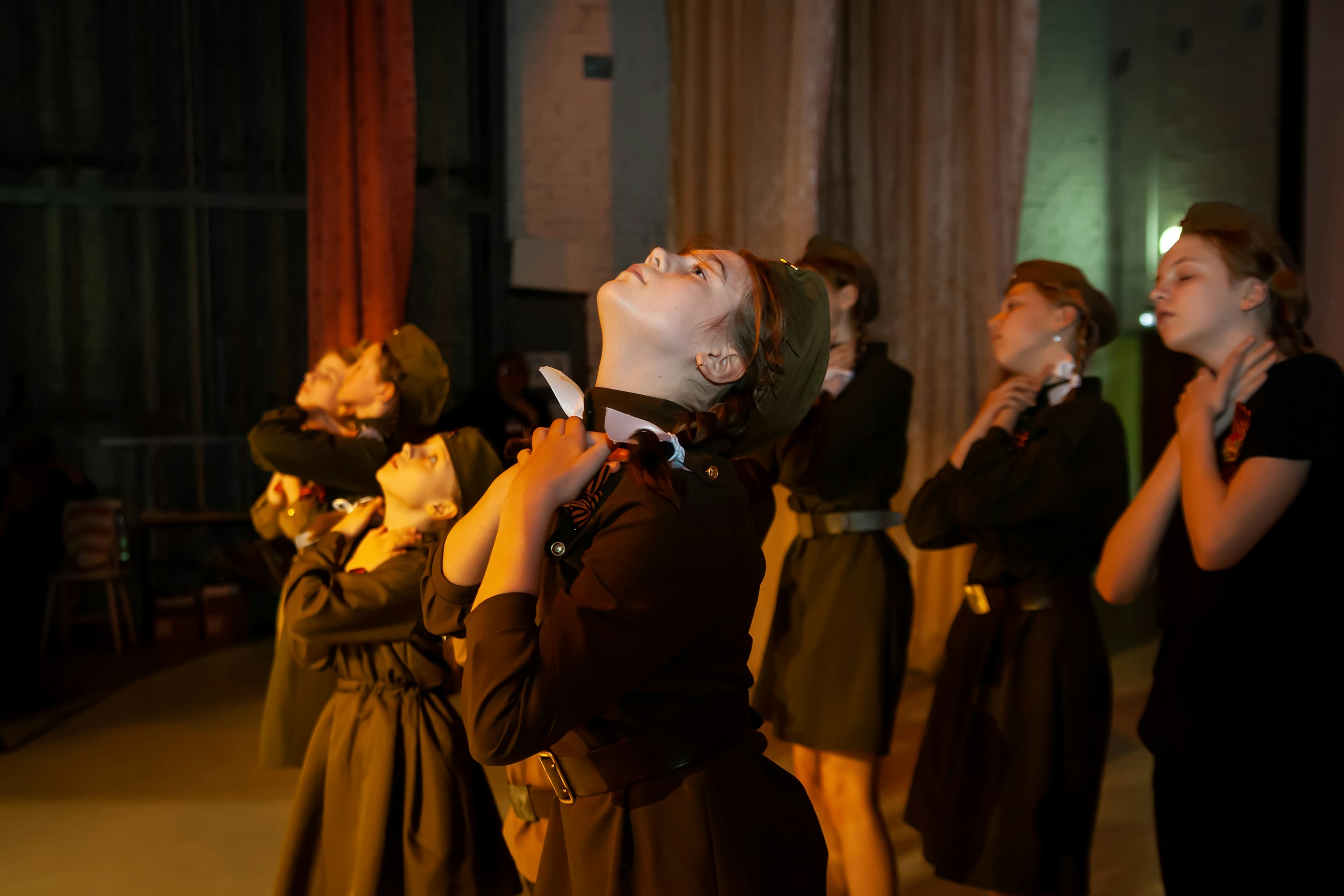
How did we get from kids reciting lines in a straight line to audiences wandering through haunted school gyms? It’s a journey from the proscenium arch to the fourth wall being smashed into dust.
The Roots of the Movement
The concept of immersive theater isn’t exactly new. It traces its roots back to Futurism in the early 20th century and the Happenings of the 1960s, where the line between art and life blurred. However, the modern explosion of this genre in schools owes a massive debt to companies like Punchdrunk.
When educators first saw productions like Faust or The Masque of the Red Death by Punchdrunk, the reaction was often a mix of awe and panic. “How do we do that with 30 kids and a budget of $50?” The answer, as we’ll discover, is that you don’t need a warehouse; you need a vision.
The Shift to Education
For decades, school plays were about discipline and memorization. The goal was a flawless performance for parents. But the rise of experiential learning changed the script. Teachers realized that when students become the environment, they understand the text on a visceral level.
- The “Devised” Approach: Instead of handing out a script on day one, teachers began using devising techniques where students co-create the world.
- The “Site-Specific” Boom: Why perform Macbeth on a stage when you can perform it in the school library, the cafeteria, or the darkened hallway?
Did you know? The Media and Immersive eXperience (MIX) Center at Arizona State University is now a hub where students and the public collaborate on these exact types of high-tech, immersive media projects, proving that the future of education is hands-on.
🌟 7 Game-Changing Immersive School Play Experiences That Will Blow Your Mind
Ready to turn your drama department upside down? Here are seven specific formats that are redefining what a school play can be. These aren’t just ideas; they are blueprints for transformative learning.
1. The 360-Degree Classroom Takeover
Imagine walking into a classroom where the desks are gone, replaced by “stations” of a story. The audience enters, and the room is alive. One corner is a 1920s speakeasy; another is a futuristic lab. The actors don’t perform at the audience; they perform with them.
- How it works: The space is divided into zones. Audience members choose their path.
- The Twist: The story changes based on which path the audience takes.
- Best For: Large casts and adaptable spaces like the gym or cafeteria.
2. Audience-as-Actor: Breaking the Fourth Wall Forever
In this format, the audience isn’t just watching; they are characters. They might be given a role (e.g., “You are the village elder,” or “You are the spy”). They have to make decisions that affect the outcome of the play.
- The Challenge: You need a script that can handle branching narratives.
- The Reward: The audience feels a level of ownership they’ve never felt before.
- Real-World Example: Productions like Then She Fell by Third Rail Projects have shown how powerful it is when the audience is the protagonist.
3. Sensory Storytelling: Smells, Sounds, and Touch in Drama Class
Forget just sight and sound. Immersive theater engages all five senses.
- Smell: Use essential oil diffusers to create the scent of a forest or a hospital.
- Touch: Hand out props that the audience must hold (a letter, a key, a piece of fabric).
- Sound: Use binaural audio (3D sound) so whispers seem to come from behind the audience’s ear.
Teacher’s Note: Be mindful of allergies and sensory sensitivities. Always provide a “quiet zone” for students who need a break from the sensory overload.
4. Virtual Reality (VR) Rehearsals and Digital Sets
This is where the future meets the present. Using VR headsets, students can rehearse in a digital version of their set before it’s built. Or, the audience can wear headsets to see a digital overlay on the physical set.
- The Tech: Tools like Meta Quest or HTC Vive can be used to create virtual environments.
- The Benefit: It allows for impossible sets (floating castles, underwater cities) without the budget.
- See it in Action: Check out how Junior Achievement of Western Pennsylvania uses VR to let students “test drive” careers, a concept that translates perfectly to theater. You can see a similar approach in action in this featured video about immersive tech in education.
5. Site-Specific Productions: Turning the Gym into a Castle
Why build a set when you can use the architecture of the school? The hallway becomes a dungeon. The auditorium becomes a throne room. The science lab becomes an alchemist’s workshop.
- The Strategy: Map out the school’s layout and find the “narrative potential” in every room.
- The Vibe: It feels secret, exclusive, and magical.
6. Interactive Mystery Solving: The “Whodunit” Curriculum
Turn the play into a puzzle. The audience is given clues, and they must solve the mystery by the end of the show. This is perfect for educational play scripts that involve history or literature.
- The Mechanic: Audience members collect “evidence” (cards, objects) throughout the performance.
- The Climax: The final scene reveals the solution, but only if the audience has paid attention.
7. Augmented Reality (AR) Props and Costumes
Using AR apps on tablets or phones, audience members can point their devices at a prop or costume to see hidden layers of the story. A blank piece of paper might reveal a map; a character’s costume might show their “thoughts” floating above their head.
- The Tool: Apps like Adobe Aero or Spark AR make this accessible for schools.
- The Effect: It adds a layer of digital magic to the physical performance.
🛠️ Building the Stage: Essential Tools and Tech for Immersive Productions
You don’t need a Hollywood budget, but you do need the right tools. Here is a breakdown of the hardware and software that can elevate your production from “school play” to “immersive experience.”
The Hardware Checklist
| Category | Essential Item | Why You Need It |
|---|---|---|
| Lighting | Intelligent Moving Heads | To create dynamic, moving light that follows the audience. |
| Sound | Wireless Lavalier Mics | For actors to move freely without being tethered to a boom. |
| Sound | Portable Bluetooth Speakers | To hide sound sources in different rooms for 3D audio. |
| Visuals | Projectors (Short Throw) | To turn blank walls into moving backdrops. |
| Tech | Tablets/Smartphones | For AR experiences or audience interaction apps. |
| Safety | Gaffer Tape & Floor Markers | To mark safe paths and boundaries in the dark. |
Software & Apps
- For Sound Design: Audacity (Free) or Adobe Audition for creating 3D soundscapes.
- For AR: Adobe Aero (Free trial) or Spark AR Studio (Free) to create augmented reality layers.
- For Scripting: Final Draft or Scrivener for managing branching narratives.
👉 Shop for Sound Gear:
- Wireless Microphones: Amazon | Walmart | Sweetwater
- Projectors: Amazon | Best Buy
The “Low-Tech” Alternative
Not every school has a tech budget. That’s okay! Imersive theater thrives on imagination.
- Flashlights: Give every audience member a small flashlight. The story happens in the beams of light.
- Cardstock: Use colored paper to create “zones” on the floor.
- Voice: A well-trained voice can create a world without any tech at all.
🧠 Why It Works: The Science Behind Immersive Learning and Student Engagement
Why should you bother with all this chaos? Because the science says it works.
The Neuroscience of Immersion
When students are passive, their brains are in “receiving mode.” But when they are active participants, their brains light up in the prefrontal cortex, the area responsible for decision-making and problem-solving.
- Emotional Connection: Immersive experiences trigger emotional responses (fear, joy, curiosity) that create stronger memory pathways.
- Social Learning: Working in groups to solve a puzzle or navigate a space fosters collaboration and empathy.
The “Flow” State
Psychologist Mihaly Csikszentmihalyi defined flow as a state of complete immersion in an activity. Immersive theater is a perfect recipe for flow. When students are fully engaged, they lose track of time and perform at their peak potential.
Stat Check: According to research from the National Endowment for the Arts, students who participate in the arts are four times more likely to be recognized for academic achievement.
🚧 Overcoming the Chaos: Practical Challenges and How to Solve Them
Let’s be real: Immersive theater is messy. It’s loud, it’s unpredictable, and it can be a logistical nightmare. But with the right planning, you can turn chaos into art.
Challenge 1: Crowd Control
The Problem: 50 students wandering around a dark room can turn into a stampede.
The Solution:
- The “Guide” System: Assign older students or teachers as “guides” for each audience group.
- One-Way Traffic: Design the flow of the audience like a museum exhibit.
- The “Safe Word”: Establish a clear signal (like a specific chime or phrase) that means “Stop immediately and freeze.”
Challenge 2: Script Rigidity
The Problem: What if the audience goes to the wrong room?
The Solution:
- Modular Scripting: Write scenes that can happen in any order.
- The “Loop” Technique: If an audience misses a scene, the actors repeat it for the next group.
- Improvisation Training: Train your actors to adapt to the audience’s choices.
Challenge 3: Safety Concerns
The Problem: Dark rooms, running, and props can lead to accidents.
The Solution:
- Risk Assessment: Walk the path yourself. Remove tripping hazards.
- Clear Boundaries: Use tape or ropes to mark “actor only” zones.
- Parental Consent: Ensure parents know what to expect (e.g., “This play involves dark rooms and mild suspense”).
🎨 Designing the Experience: A Step-by-Step Guide for Teachers and Directors
Ready to build your own immersive masterpiece? Follow this step-by-step guide to get started.
Step 1: Define the Core Concept
What is the story? What is the feling?
- Example: “A mystery in a haunted library where the audience must find the missing book.”
Step 2: Map the Space
Walk through your venue. Identify zones, choke points, and hiding spots.
- Tip: Use a floor plan app like Floorplanner to visualize the layout.
Step 3: Develop the Narrative Arc
Create a non-linear script.
- Act 1: The Hook (Audience enters, gets their role).
- Act 2: The Journey (Audience explores, solves puzzles).
- Act 3: The Climax (All paths converge).
- Act 4: The Resolution (Debrief and reflection).
Step 4: Design the Sensory Elements
Plan your lighting, sound, smell, and touch elements.
- Pro Tip: Keep a “sensory checklist” for each scene.
Step 5: Rehearse with the Audience in Mind
Don’t just rehearse the actors. Rehearse the flow.
- Drill: Have a group of students act as the audience and test the timing.
Step 6: The Tech Run
Test all your tech (lights, sound, AR) in the actual space.
- Warning: Always have a backup plan if the tech fails.
Step 7: The Show!
Execute your vision. And remember: embrace the unexpected.
📊 Real-World Case Studies: Schools That Nailed the Immersive Play
Let’s look at some real examples of schools that have successfully pulled off immersive experiences.
Case Study 1: “Who Are We Now” (Friends Academy)
- The Concept: A devised piece exploring the pandemic’s impact.
- The Setup: Six interactive stations based on student writing prompts.
- The Impact: Parents described it as “raw, authentic, and pure.”
- Key Takeaway: Devising allows students to connect deeply with the material.
Case Study 2: “The Haunted” (Friends Academy)
- The Concept: An immersive ghost story where the audience is the ghost.
- The Setup: 9 rooms, Venetian masks, and water-soluble paper.
- The Impact: Audience members returned for repeat viewings.
- Key Takeaway: Symbolism and ritual create memorable moments.
Case Study 3: “The Lieutenant’s Dream” (DePaul University)
- The Concept: A centennial celebration using the actual school building.
- The Setup: A journey through 10 years of student life.
- The Impact: A “living history” experience.
- Key Takeaway: Site-specific productions can honor a school’s heritage.
Want more inspiration? Check out our Drama Club Resources for scripts and guides that can help you start your own immersive project.
💡 Quick Tips and Facts for the Busy Educator
Running a school play is hard enough without adding “immersive” to the mix. Here are some quick wins to make your life easier:
- Start Small: Don’t try to do a full-blown Sleep No More on day one. Start with a single room or a short scene.
- Use Student Talent: Your tech-savy students can handle the AR apps and sound design.
- Collaborate: Partner with the art department for sets and the music department for sound.
- Document Everything: Take photos and videos. It’s great for marketing and reflection.
- Debrief: After the show, have a discussion with the students and audience. What worked? What didn’t?
Need a script? Browse our Elementary School Plays or Children’s Theatre Scripts for adaptable material.
🏆 Conclusion: Stepping Into the Spotlight

So, are you ready to leave the proscenium behind? Imersive school play experiences are not just a trend; they are a paradigm shift in how we teach and learn. They turn passive observers into active participants, transforming the classroom into a living, breathing world.
We started this journey by asking: Can a school play be more than just a performance? The answer is a resounding yes. By embracing immersive theater, you are giving your students the tools to explore, create, and connect in ways that traditional theater never could.
Whether you’re using VR headsets or just a flashlight and a whisper, the goal is the same: to create an experience that sticks. So, grab your script, map out your space, and let the chaos begin. After all, the best stories are the ones we live, not just the ones we watch.
Ready to start? Check out our Drama Teacher Guides for more tips on directing immersive productions.
🔗 Recommended Links
- Imersive Theater Books: Amazon
- VR Headsets for Education: Amazon | Best Buy
- Projectors for School: Amazon | Walmart
- Audio Equipment: Sweetwater | Amazon
❓ FAQ: Your Burning Questions About Immersive School Play Experiences
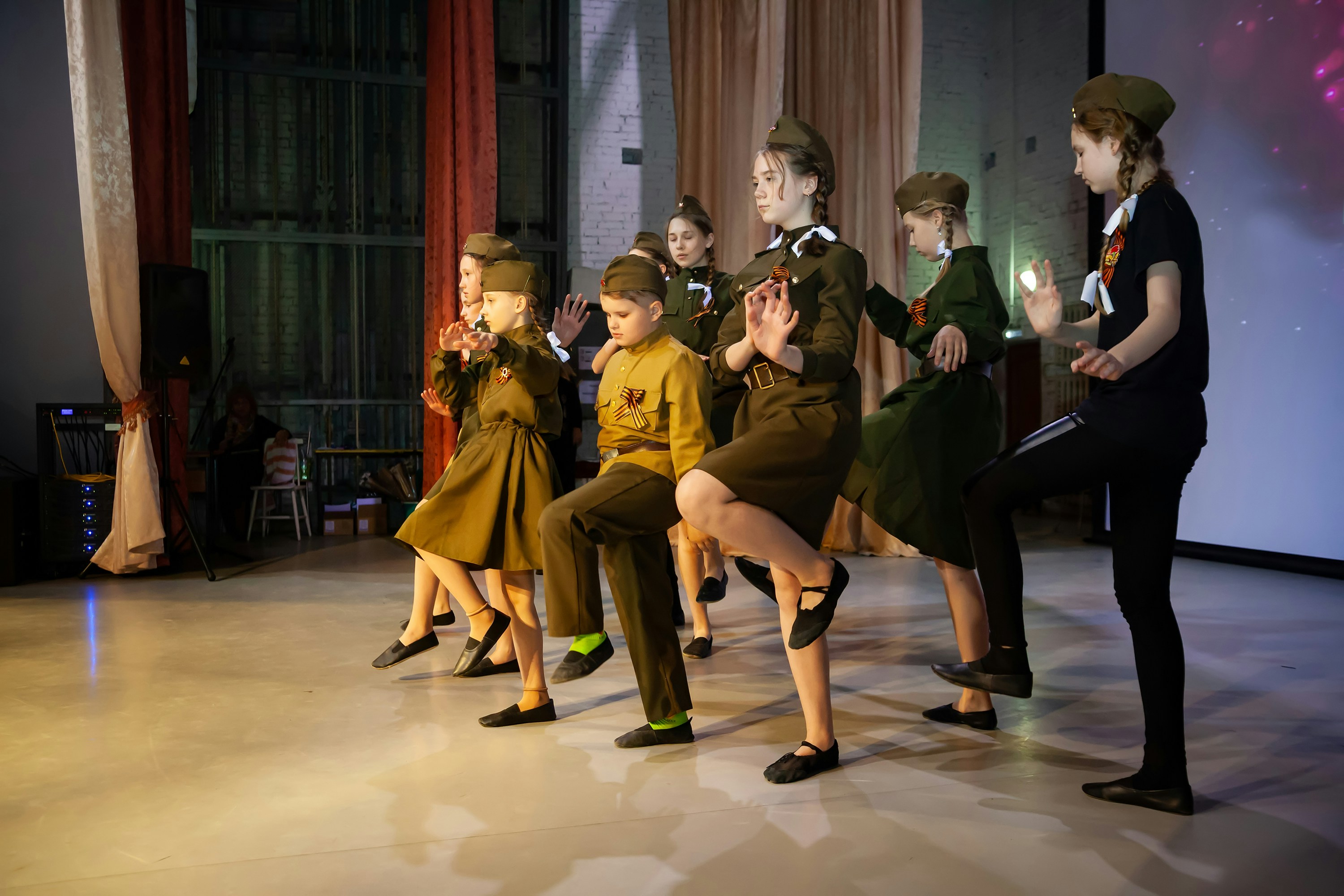
What technology is used to create immersive school play experiences?
Imersive experiences can range from low-tech (flashlights, sound effects, physical sets) to high-tech (VR headsets, AR apps, 3D audio, projection mapping). The key is to use technology that enhances the story, not distracts from it.
Can immersive school plays be adapted for different age groups?
Absolutely! For younger students, focus on sensory elements and simple interactions. For older students, you can introduce complex narratives, branching storylines, and advanced technology.
How do immersive school plays engage the audience differently?
Instead of sitting passively, the audience moves, touches, decides, and interacts. This active participation creates a deeper emotional connection and memory retention.
What are some tips for directing an immersive school play?
- Plan the flow: Map out the audience’s journey.
- Train your actors: They need to be comfortable with improvisation.
- Prioritize safety: Establish clear boundaries and safe words.
- Embrace the chaos: Be ready to adapt on the fly.
Read more about “🎭 15 Best Interactive School Play Scripts (2026)”
Where can I find scripts suitable for immersive school plays?
You can find adaptable scripts on School Play Scripts™. Check out our Educational Play Scripts or Drama Club Resources for inspiration.
Read more about “What Is a Short Play Called? 🎭 7 Types You Need to Know (2026)”
How can immersive elements enhance a school play performance?
Imersive elements make the story tangible. They allow the audience to feel the story, not just hear it. This leads to a more memorable and impactful experience.
What are the benefits of immersive school play experiences for students?
- Increased engagement: Students are more motivated to learn.
- Skill development: Students develop collaboration, problem-solving, and public speaking skills.
- Emotional growth: Students learn to empathize with characters and situations.
Read more about “🎭 10+ School Plays for Social-Emotional Learning (2026)”
How do I find a script for an immersive school play?
Start with a traditional script and adapt it. Or, use devising techniques to create a new story with your students. Check out our Children’s Theatre Scripts for adaptable material.
What are the best immersive play scripts for high school students?
Scripts that deal with complex themes and moral dilemmas work well. Look for stories that allow for multiple perspectives and interactive choices.
Where can I download immersive theater scripts for schools?
You can download scripts from School Play Scripts™. We offer a wide range of educational play scripts that can be adapted for immersive performances.
Read more about “15 Must-Read Full Play Scripts to Ignite Your Stage in 2025 🎭”
How to adapt a traditional school play into an immersive experience?
- Break the fourth wall: Have actors interact with the audience.
- Divide the space: Create different zones for different scenes.
- Add sensory elements: Use sound, light, and touch to enhance the story.
- Create branching narratives: Allow the audience to make choices that affect the outcome.
What are examples of successful immersive school play productions?
- “Who Are We Now” (Friends Academy): A devised piece exploring the pandemic.
- “The Haunted” (Friends Academy): An immersive ghost story.
- “The Lieutenant’s Dream” (DePaul University): A centennial celebration using the school building.
Read more about “🎭 AI & AR in Theatre Education: 7 Ways to Revolutionize Drama Class (2026)”
How much does it cost to produce an immersive school play?
The cost can vary widely. Low-tech productions can be done for under $10, while high-tech productions can cost thousands. The key is to plan carefully and use what you have.
Read more about “15 Essential Technical Theatre Tips for School Plays 🎭 (2026)”
What technical requirements are needed for an immersive school play?
- Space: A flexible space that can be divided into zones.
- Lighting: Intelligent moving heads or portable lights.
- Sound: Wireless mics and portable speakers.
- Tech: VR headsets, AR apps, or projectors (optional).
📚 Reference Links
- Punchdrunk Productions: Punchdrunk Official Website
- Third Rail Projects: Third Rail Projects Official Website
- Arizona State University MIX Center: Media and Immersive eXperience (MIX) Center
- National Endowment for the Arts: Arts Education Research
- Junior Achievement of Western Pennsylvania: Junior Achievement VR Program
- DePaul University Theatre School: The Lieutenant’s Dream