Support our educational content for free when you purchase through links on our site. Learn more
🎭 10+ School Plays for Social-Emotional Learning (2026)

What if the secret to raising empathetic, resilient, and confident students wasn’t found in a textbook, but hidden behind a velvet curtain? At School Play Scripts™, we’ve watched shy children transform into bold leaders and cliques dissolve into collaborative ensembles, all through the magic of a single script. While studies confirm that social-emotional learning (SEL) boosts academic performance and reduces anxiety, the real breakthrough happens when students don’t just learn about empathy—they live it by stepping into someone else’s shoes. From the ancient Greeks to modern classrooms, theater has always been the ultimate training ground for the human heart, and in 2026, it’s more vital than ever.
In this comprehensive guide, we’re not just listing plays; we’re curating a stage-ready toolkit for emotional growth. We’ll dive into the CASEL framework, explore 10+ top-rated scripts for every age group, and reveal how to turn a simple rehearsal into a profound lesson in conflict resolution and self-awareness. Ready to discover which play will spark the next generation of emotional intelligence? Keep reading to find the perfect script that turns your classroom into a sanctuary for social growth.
Key Takeaways
- Drama is a Proven SEL Engine: Engaging in school plays naturally cultivates the five core SEL competencies (self-awareness, self-management, social awareness, relationship skills, and responsible decision-making) more effectively than traditional classroom instruction alone.
- Evidence-Based Impact: Research from the Learning Policy Institute and CASEL confirms that students involved in SEL-focused drama programs show improved academic outcomes, reduced stress, and stronger peer relationships.
- Curated Script Selection: We’ve identified 10+ top-rated school plays, one-acts, and musicals specifically chosen for their ability to address critical themes like bullying, empathy, identity, and civic engagement.
- Practical Implementation: Learn how to create a psychologically safe rehearsal space, use improvisation games for real-time skill building, and assess student growth without traditional grading.
- Ready-to-Use Resources: Access direct links to Dramatic Publishing, MTI, and Playscripts to find the perfect script for your specific grade level and SEL goals.
Table of Contents
- ⚡️ Quick Tips and Facts
- 🎭 The Stage of Growth: A Brief History of SEL in Theater
- 🧠 What Does the Research Say? Evidence for Social and Emotional Learning in Schools
- 🏛️ What is the CASEL SEL Framework?
- 🤝 How SEL Connects to Empathy and Perspective-Taking
- 🗣️ How SEL Connects to Communication and Active Listening
- 🧩 How SEL Connects to Conflict Resolution and Collaboration
- 🌱 How SEL Connects to Self-Awareness and Identity Formation
- 🚀 How SEL Connects to Responsible Decision-Making
- 🛡️ Safety First: Creating a Psychologically Safe Rehearsal Space
- 🧘 Mental Health Benefits: Stress Relief and Emotional Regulation
- 🌍 Civic Learning: Drama as a Tool for Community Engagement
- 💼 Workforce Preparation: Soft Skills for the Future Stage
- 🎬 Top 10 School Plays for Social-Emotional Learning
- 🎭 Top 10 One-Act Plays for SEL Themes
- 🎭 Top 10 Musical Scripts for SEL Integration
- 🎭 Top 10 Improvisation Games for Classroom SEL
- 🎭 Top 10 Role-Playing Scenarios for SEL Workshops
- 🎭 Top 10 Puppet Shows for Early Childhood SEL
- 🎭 Top 10 Reader’s Theater Scripts for SEL
- 🎭 Top 10 Monologues for Individual SEL Reflection
- 🎭 Top 10 Group Projects for Collaborative SEL
- 🎭 Top 10 Assessment Tools for SEL in Drama
- 🌐 CASEL Websites and Resources
- 📚 Recommended Links
- ❓ FAQ
- 📖 Reference Links
⚡️ Quick Tips and Facts
Hello, fellow educators and drama enthusiasts! We’re the team from School Play Scripts™, and we’re absolutely thrilled you
‘re here to explore the incredible synergy between school plays and social-emotional learning (SEL). Think of us as your backstage crew, ready to illuminate the spotlight on how drama can transform your students’ lives, both on and off the stage.
Here are some quick, engaging tips and fascinating facts to get your creative juices flowing:
- Drama is a natural SEL incubator! ✅ From character development to collaborative scene work, every aspect of putting on a play inherently builds crucial
social and emotional skills. It’s not just about memorizing lines; it’s about understanding human experience. - SEL improves academic performance. Research consistently shows that strong SEL skills lead to better academic outcomes. So, while your students are rehearsing, they’re also boosting their brainpower for math and science!
- Empathy is the star of the show! 🌟 When students step into a
character’s shoes, they’re actively practicing empathy and perspective-taking, vital components of social awareness. - It’s not just for the stage-struck! Even students who prefer behind-the-scenes
roles – stage managers, set designers, costume creators – develop collaboration, problem-solving, and responsible decision-making skills. - SEL reduces stress and anxiety. Engaging in creative activities like drama can be
a powerful antidote to the pressures of school life, fostering emotional regulation and self-management. - No “one-size-fits-all” approach. While the benefits are universal
, how you integrate SEL into your drama program can be tailored to your students’ unique needs and your school’s culture. That’s where our diverse range of Educational Play Scripts comes in handy! - The “SAFE” way to implement SEL. High-quality SEL programs are Sequenced, Active, Focused,
and Explicit. Drama naturally ticks all these boxes!
🎭 The Stage of Growth: A Brief History of SEL in Theater
Have you ever wondered if the ancient Greeks, with their grand tragedies and comedies, were inadvertently practicing social-emotional learning? Well, perhaps not by name, but the essence
was certainly there! From the earliest forms of storytelling and ritualistic performance, theater has always been a powerful mirror reflecting human emotions, conflicts, and societal norms. It’s a place where we collectively explore what it means to be human,
to connect, and to understand.
For centuries, drama has been recognized as more than just entertainment. Think of Shakespeare’s profound explorations of ambition, jealousy, and love – these weren’t just stories; they were lessons in human
psychology and social dynamics. In the 19th and early 20th centuries, pioneers like Maria Montessori and Rudolf Steiner recognized the holistic benefits of creative expression, including dramatic play, in child development. They intuitively understood that engaging the
imagination and body could foster emotional intelligence and social skills long before “social-emotional learning” became a formal educational term.
Fast forward to the late 20th century, and with the rise of educational psychology, the explicit link between arts
education and personal development became clearer. We at School Play Scripts™ have seen this evolution firsthand. Our own journey began with a passion for bringing captivating stories to young audiences, but we quickly realized the profound impact these stories had on the students performing
them. It wasn’t just about putting on a show; it was about building confidence, fostering teamwork, and helping young people navigate complex emotions. The formalization of SEL frameworks, particularly by organizations like CASEL (Collaborative for Academic, Social, and Emotional Learning), simply gave a name and a structured approach to what drama educators have instinctively known for generations: theater is a crucible for social and emotional growth. It’s a beautiful dance between ancient tradition and modern pedagogical
understanding!
🧠 What Does the Research Say? Evidence for Social and
Emotional Learning in Schools
Alright, let’s get down to brass tacks: does all this talk about drama and feelings actually have scientific backing? Absolutely! The evidence for social-emotional learning in schools isn’t just compelling; it’s
overwhelming. As educators, we often feel the pressure to justify creative subjects, but when it comes to SEL, the data speaks for itself.
The Collaborative for Academic, Social, and Emotional Learning (CASEL) defines SEL as “the process through which
young people and adults acquire and apply the knowledge, skills, and attitudes to develop healthy identities, manage emotions and achieve personal and collective goals, feel and show empathy for others, establish and maintain supportive relationships, and make responsible and caring decisions”. Sounds a lot like what we do in a drama club, doesn’t it?
A comprehensive brief by the Learning Policy Institute (LPI), Evidence for Social and Emotional Learning in Schools, reviewed 12 independent
meta-analyses covering hundreds of school-based SEL programs across PreK–12th grade. And the verdict? SEL programs demonstrate medium to large effect sizes on social, emotional, behavioral, and academic
outcomes. This isn’t just a hunch; it’s robust, global research! The effects are consistent across gender, ethnicity, race, and income levels, proving that SEL is a universal benefit.
Here’s what the research consistently highlights:
- Improved Academic Performance: SEL leads to better academic outcomes. Students who can manage their emotions, collaborate, and focus are simply
better learners. It’s the “missing piece” in education, as CASEL aptly puts it. - Enhanced Well-being: SEL results in decreases in stress and anxiety. In today’s high-pressure world, providing students with tools for emotional regulation is more critical than ever.
- Safer School Environments: Evidence-based SEL practices can reduce bullying and isolation, promote belonging
and engagement, and even curb future violence. Imagine a school where every student feels seen, heard, and valued – that’s the power of SEL. - Long-Term Success: “Social and emotional competencies
are essential to learning; positive development; and success in school, careers, and life,” states the LPI brief. These aren’t just feel-good skills; they’re foundational for thriving in the 21st
century.
We’ve observed this firsthand. A few years ago, we worked with a middle school drama club struggling with internal conflicts. After implementing a script focused on understanding different perspectives, not only did their performance shine, but the students
reported a significant improvement in how they handled disagreements in their daily lives. It was a beautiful testament to the power of applied SEL.
The research also emphasizes the importance of high-quality implementation. Programs must be Sequenced,
Active, Focused, and Explicit (SAFE). Drama, with its structured rehearsals, active participation, clear learning objectives, and explicit character work, is a perfect fit for
the SAFE criteria. It’s why we at School Play Scripts™ are so passionate about providing resources that naturally integrate these principles.
As CASEL champions, “SEL can be a powerful lever for creating caring, just, inclusive, and healthy schools that
support all young people”. And what better lever than the magic of the stage?
🏛️ What
is the CASEL SEL Framework?
If you’re diving into the world of social-emotional learning, you’ll inevitably encounter CASEL – the Collaborative for Academic, Social, and Emotional Learning. Think of them as the architects of the
SEL landscape, providing a widely recognized and incredibly helpful framework that guides educators, schools, and communities. Their “CASEL Wheel” is practically iconic, and for good reason!
The CASEL framework isn’t just a theoretical construct; it’s
a practical guide that helps us understand and implement SEL effectively. It’s built around two main components:
The Five Core Social and Emotional Competencies 🧠❤️
At the heart of the CASEL Wheel are **five interconnected competencies
** that represent the fundamental skills young people and adults need to thrive. We see these competencies come alive in every single play rehearsal!
- Self-Awareness:
- What it is: The ability to understand one
‘s own emotions, thoughts, and values, and how they influence behavior. It includes recognizing strengths and challenges. - In Drama: When an actor truly delves into a character, they’re often reflecting on their own
emotional landscape to find authenticity. Understanding their character’s motivations, strengths, and weaknesses helps them build their own self-awareness. “Why does my character feel this way? Have I ever felt something similar?” These are powerful questions!
Example: A student playing a shy character might explore their own feelings of vulnerability, leading to a deeper understanding of themselves.
- Self-Management:
- What it is: The ability to manage one
‘s emotions, thoughts, and behaviors effectively in different situations and to achieve goals and aspirations. This includes self-discipline, motivation, and stress management. - In Drama: From memorizing lines and blocking to managing stage fright and
staying focused during long rehearsals, self-management is paramount. Actors learn to control their impulses, regulate their emotions (even when their character is having a meltdown!), and persevere towards opening night. - Example: A student who
struggles with impulsivity learns to pause and think before reacting during an improv exercise, mirroring the self-control needed for their character.
- Social Awareness:
- What it is: The ability to understand the
perspectives of others, including those from diverse backgrounds and cultures, and to empathize with them. It also involves recognizing social cues and norms. - In Drama: This is where plays truly shine! Stepping into a character’s shoes
is the ultimate exercise in perspective-taking. Students learn to read non-verbal cues, understand different motivations, and appreciate diverse experiences. - Example: Performing a scene about a historical event or a character from a different culture broad
ens students’ understanding of the world and fosters empathy for experiences outside their own.
- Relationship Skills:
- What it is: The ability to establish and maintain healthy and supportive relationships and to navigate diverse social settings
effectively. This includes communicating clearly, listening actively, cooperating, and resolving conflicts constructively. - In Drama: Theater is inherently collaborative! From scene partners to the entire ensemble, students learn to listen, respond, compromise, and build
trust. Conflict resolution often happens both on stage (as part of the script) and off stage (as part of the rehearsal process). - Example: Two students disagree on how to play a scene; through discussion and compromise
, they find a solution that strengthens both their performance and their working relationship.
- Responsible Decision-Making:
- What it is: The ability to make caring and constructive choices about personal behavior and social interactions across
diverse situations. This involves considering ethical standards, safety concerns, and the well-being of self and others. - In Drama: Characters in plays constantly face dilemmas, and analyzing their choices helps students think critically about consequences. Behind
the scenes, students make countless decisions – from prop choices to lighting cues – that impact the overall production and the safety of their peers. - Example: A student designing the set must consider not only aesthetics but also safety regulations
and the practical needs of the actors, making responsible choices for the entire team.
The Four Key Settings 🏫👨 👩 👧 👦🏘️
The outer ring of the CASEL Wheel emphasizes that SEL doesn’t happen
in a vacuum. It’s most effective when integrated across various contexts where students live and grow:
- School: This includes classrooms, hallways, and the broader school climate. Our drama programs are a prime example of how SEL
can be woven into the fabric of school life. - Family: The home environment plays a crucial role in reinforcing SEL skills.
- Community: After-school programs, youth groups, and community organizations all contribute to a
student’s SEL development. - Classroom: Specific lessons and daily interactions within the classroom setting.
CASEL stresses that school-family-community partnerships are essential for coordinating practices and ensuring equitable learning environments. When we involve parents in our school play productions, or invite community members to performances, we’re strengthening these vital partnerships and extending the reach of SEL beyond the school walls.
The CASEL framework provides a powerful lens through which we
can view and amplify the inherent SEL benefits of school plays. It helps us articulate why what we do is so important, and how it contributes to the holistic development of every student. You can explore more about their framework and resources on
the CASEL Official Website.
🤝 How SEL
Connects to Empathy and Perspective-Taking
Ah, empathy! It’s the secret sauce of human connection, isn’t it? And in the world of school plays, it’s not just a nice-to-have; it
‘s absolutely fundamental. As teachers and educators at School Play Scripts™, we’ve witnessed countless times how the stage becomes a powerful training ground for empathy and perspective-taking.
Think about it: when a student takes on a role,
they’re not just reciting lines. They’re literally stepping into another person’s skin, trying to understand their character’s motivations, fears, joys, and struggles. This isn’t passive learning; it’s an active, immersive
experience in what it feels like to be someone else.
- Walking a Mile in Their Shoes (Literally!): When a student portrays a character from a different background, era, or social standing, they must research
, imagine, and embody that perspective. They ask questions like, “Why does my character make this choice?” or “How would I feel if I were in their situation?” This process naturally cultivates social awareness and a deeper understanding of human
diversity. For instance, performing a play like “The Diary of Anne Frank” (available from Dramatists Play Service, Inc.) requires immense empathy to convey the historical context and emotional depth of the characters. - Beyond the Script: Our
team often encourages students to go beyond the written lines. We ask them to improvise scenes from their character’s past, write journal entries from their character’s point of view, or even imagine what their character would do in a modern
scenario. These exercises are fantastic for deepening perspective-taking skills. - Understanding Nuance: Life isn’t black and white, and neither are compelling characters. Students learn to appreciate the complexities of human behavior, understanding
that even “villains” often have understandable (if misguided) motivations. This nuanced understanding is a cornerstone of true empathy. - Audience Empathy: It’s not just the actors who benefit! When an audience watches
a powerful performance, they too are invited to empathize with the characters and their journeys. A well-chosen play can spark important conversations and foster a more empathetic school community.
One of our favorite anecdotes involves a particularly boisterous student
who struggled with understanding quieter classmates. We cast him as a thoughtful, somewhat introverted character in an Elementary School Play. Through the process, he had
to consciously slow down, listen more, and express emotions subtly. By opening night, he wasn’t just a better actor; he was a more observant and understanding friend. It was a beautiful transformation, all thanks to the magic of walking
in someone else’s theatrical shoes!
🗣️ How SEL Connects to Communication and Active Listening
Ever tried
to have a conversation with someone who’s just waiting for their turn to speak? Frustrating, right? Effective communication isn’t just about talking; it’s about truly connecting. And guess what? School plays are a
masterclass in both verbal and non-verbal communication, as well as the often-overlooked art of active listening.
In the drama world, every word, every gesture, every pause carries meaning. Students quickly learn that their performance isn’t just
about their own lines; it’s about how they interact with their scene partners, how they react to what’s being said, and how they convey emotion without uttering a single word.
- Verbal Virtuosity: Actors
learn to project their voices, articulate clearly, and vary their tone, pace, and volume to convey specific emotions and intentions. This directly translates to public speaking skills and confident self-expression in everyday life. - The Power of the
Unspoken: Non-verbal communication – body language, facial expressions, gestures – is paramount on stage. Students become acutely aware of how their physical presence communicates messages, often more powerfully than words. This enhances their ability to “read the room” and understand
others’ unspoken cues. - Active Listening: The Unsung Hero: This is where the real magic happens in a scene! An actor isn’t just waiting for their cue; they’re actively listening to their scene partner, processing
their words and emotions, and allowing that to inform their own response. This genuine engagement makes a scene believable and powerful. We often tell our students, “Don’t just hear the lines; listen to the character.” This practice
builds crucial relationship skills. - “I Can Follow the Rules”: A Lesson in Listening: Speaking of listening, have you seen the fantastic read-aloud of “I Can Follow the Rules” by Molly Smith? This children’s book, highlighted in our featured video, emphasizes the importance of classroom rules for safety and a fun learning environment, focusing on concepts like using an “inside voice,” “walking feet,” and, crucially, “listening ears”
. The book’s accompanying guidance for educators recommends discussions on the purpose of rules and connecting the story to children’s own experiences. It’s a perfect example of how foundational listening skills are for
both safety and learning, echoing the discipline and attentiveness required in a rehearsal space. You can watch the full video here for more insights! - Workforce Wisdom: It’s no surprise that communication
is consistently ranked as a top skill by employers. CASEL itself highlights that skills like “motivation, communication, curiosity, collaboration” are foundational for academic success, fulfilling careers, and healthy relationships. In fact, ”
Leadership and social influence” are among the top skills identified for the workforce, closely followed by “Creative thinking” and “Motivation and self-awareness”. Drama cultivates all of these!
We’ve seen students
, initially shy and hesitant, blossom into confident communicators through their drama experiences. One student, who used to mumble, found their voice quite literally playing a boisterous merchant in a Children’s Theatre Script. The transformation was astounding, proving that the stage isn’t just for acting; it’s for finding your voice and learning to truly connect.
<
a id=”how-sel-connects-to-conflict-resolution-and-collaboration”>
🧩 How SEL Connects to Conflict Resolution and Collaboration
Let’s be honest, life is full of conflicts –
from minor disagreements with friends to global challenges. Learning how to navigate these bumps in the road is a critical life skill, and guess what? The drama classroom is a fantastic, low-stakes laboratory for conflict resolution and collaboration.
Putting on a school play is, by its very nature, a massive collaborative effort. It’s like building a complex machine where every single cog, no matter how small, is essential. From the director’s vision to the actors
‘ performances, the stage crew’s precision, and the costume designer’s creativity, everyone has a role to play. And where there are many people, there are inevitably different ideas, perspectives, and sometimes, even disagreements.
Ensemble Work: The Ultimate Team Sport: Unlike individual sports, a play cannot succeed without every member of the ensemble pulling in the same direction. Students learn to compromise, listen to different viewpoints, and work towards a shared artistic vision
. This builds strong relationship skills and a sense of collective responsibility.
-
Resolving On-Stage Conflicts: Many plays, especially those designed for Drama Club Resources, feature characters grappling with conflicts. Students analyze these conflicts, understand the different sides, and explore how characters attempt to resolve them (or fail to!). This provides a safe space to discuss and learn about various conflict resolution strategies.
-
Behind-the-Scenes Diplomacy: It’s not always smooth sailing backstage! Disagreements about set pieces, costume changes, or even line delivery can arise. Our teachers actively guide students through these real-world conflicts,
teaching them to express their needs respectfully, listen to others, and find mutually agreeable solutions. This is practical, applied SEL in action! -
Shared Goals, Shared Success: The ultimate goal – a successful performance – motivates students to overcome
personal differences and work together. There’s nothing quite like the collective pride of a cast and crew after a fantastic show, knowing they achieved it together. This fosters a powerful sense of belonging and engagement, which CASEL highlights
as outcomes of effective SEL.
We remember a particularly challenging production where two lead actors had very different ideas about their characters’ relationship. It caused tension during rehearsals. Instead of letting it fester, we facilitated a discussion where they
had to articulate their perspectives and actively listen to each other. They eventually found a compromise that not only resolved the conflict but also enriched their performances, making their on-stage relationship far more dynamic and believable. It was a powerful lesson in how collaboration
isn’t just about avoiding conflict, but about leveraging different viewpoints to create something stronger.
🌱 How SEL Connects
to Self-Awareness and Identity Formation
The journey of self-discovery is a lifelong one, but for young people, it’s particularly intense. Who am I? What do I believe? Where do I fit in? These are big questions,
and the drama classroom, surprisingly enough, offers a unique and incredibly supportive space for self-awareness and identity formation.
When students engage in drama, they’re not just pretending; they’re exploring different facets of themselves and
the human experience. It’s like trying on different hats, seeing which ones fit, and understanding how they feel.
- Character Study as Self-Reflection: To truly embody a character, students must delve deep into their motivations
, emotions, and backstories. This often requires them to draw parallels with their own experiences or to imagine themselves in vastly different circumstances. This introspection is a direct path to enhanced self-awareness – understanding one’s own feelings, strengths, and
areas for growth. - Safe Space for Exploration: The stage provides a psychologically safe environment to experiment with different identities and behaviors. A shy student might discover a hidden confidence playing a bold character, while an overly assertive student might learn the
power of vulnerability. It’s a place where they can “try on” new ways of being without real-world consequences. - Understanding Emotions: Drama requires actors to express a wide range of emotions authentically. This practice helps students identify
, label, and understand their own emotional landscape, improving their self-management skills. They learn that it’s okay to feel angry, sad, or joyful, and they develop healthy ways to express these feelings. - Finding
Your Voice: For many students, drama is where they truly find their voice, both literally and figuratively. The confidence gained from performing, from being seen and heard, can be transformative for their developing identity. This is particularly true for students in
English Learning Drama Scripts, where they gain confidence in a new language through expressive performance. - Motivation and Self-Awareness for
Success: CASEL highlights “Motivation and self-awareness” as ranking fifth among the top skills employers are looking for. Drama directly cultivates these by encouraging students to set goals (mastering a role), persevere through challenges, and
reflect on their progress.
We once had a student who struggled with severe anxiety and a very quiet demeanor. We cast her in a non-speaking but pivotal role that required a lot of physical expression. Through the process, she began to understand the power
of her own body language and how she could convey emotion without words. By the end of the production, she was still quiet, but her self-confidence had soared, and she carried herself with a newfound sense of self-possession. It was
a beautiful testament to how drama can help shape and affirm a positive identity.
🚀 How SEL Connects to Responsible Decision-Making
Life is a series of choices, big and small. Learning to make thoughtful, ethical, and responsible decisions is a cornerstone of growing up, and guess what? School plays offer a fantastic, dynamic platform for students to explore and practice responsible
decision-making.
It’s not just about the choices characters make on stage; it’s also about the countless decisions made behind the scenes that bring a production to life.
- Character’s Choices, Real-World Lessons
: Every play is essentially a narrative driven by characters’ decisions and their consequences. Students analyze these choices: “Why did Hamlet delay?” “What were the repercussions of Romeo and Juliet’s impulsive love?” By dissecting these fictional dilemmas, students develop
critical thinking skills and learn to consider the potential outcomes of their own actions. This directly feeds into their responsible decision-making competency. - Ethical Dilemmas on Stage: Many scripts present clear ethical challenges. Should the hero
lie to save a friend? Is revenge ever justified? Exploring these questions in a theatrical context allows students to grapple with complex moral issues in a safe, reflective space, fostering their own ethical compass. - Behind-the-Scenes Logistics
: The production of a play is a masterclass in project management and practical decision-making. - Budgeting: “Can we afford that elaborate prop, or should we get creative with what we have?”
Safety:** “Is this set piece stable? Are the exits clear?” (More on safety in the next section!)
- Time Management: “Do we have enough rehearsal time to perfect this scene, or do we need to prioritize
?” - Collaboration: “How do we decide on the best lighting design that serves the play’s mood and the technical capabilities?”
These are all real-world decisions with real consequences for the success and safety of the production
. - Considering the Well-being of Others: Whether it’s ensuring a scene partner feels comfortable with a physical action or making sure the stage crew has proper safety gear, students learn to consider the well-being of the
entire team in their decision-making. This aligns perfectly with CASEL’s definition of responsible decision-making, which includes “considering ethical standards, safety concerns, and the well-being of self and others”.
We once had a group of students designing the set for a play that required a multi-level structure. They were initially focused solely on aesthetics. We challenged them: “What about the actors’ safety? How will they get up and down in
the dark? What materials are strong enough?” This led to a fascinating discussion about engineering, safety regulations, and the ethical responsibility of a designer. Their final design was not only beautiful but also incredibly safe and functional – a testament to their growth
in responsible decision-making.
🛡️ Safety First: Creating a Psychologically Safe Rehearsal
Space
When we talk about “safety” in theater, often the first thing that comes to mind is physical safety: making sure the stage lights are secure, props aren’t tripping hazards, and everyone knows the fire exits. And yes
, physical safety is absolutely paramount! But just as crucial, and perhaps even more foundational for effective SEL, is creating a psychologically safe rehearsal space.
What do we mean by psychological safety? It’s an environment where students feel comfortable
being themselves, taking risks, making mistakes, and expressing their ideas and emotions without fear of judgment, ridicule, or punishment. It’s about fostering a culture of trust and respect. CASEL emphasizes that SEL “advances educational equity by establishing trusting relationships
“. This couldn’t be more true in a drama setting.
Here’s how we prioritize psychological safety at School Play Scripts™:
- Setting the Stage with Clear Expectations: From day one, we establish
ground rules for respectful interaction, active listening, and constructive feedback. We emphasize that the rehearsal room is a brave space, not a perfect space. - ✅ Encourage “Yes, And…”: A core improv principle,
“Yes, And…” fosters acceptance and builds on others’ ideas, rather than shutting them down. - ❌ No “No, But…”: We discourage negativity and criticism that isn’t framed constructively.
Emphasize Process Over Product (Initially): While a great performance is the goal, we spend significant time focusing on the process of discovery and learning. This takes the pressure off perfection and encourages experimentation. Mistakes are ref
ramed as learning opportunities.
-
Confidentiality and Trust: Students often explore vulnerable emotions in character. We ensure they understand that the emotional work done in rehearsal is respected and kept confidential within the group, building trusting relationships.
-
“Check-Ins” and “Check-Outs”: We often start and end rehearsals with brief check-ins, allowing students to share how they’re feeling or what they hope to achieve. This simple practice
builds community and allows us to gauge the emotional temperature of the room. -
Addressing Conflict Constructively: When disagreements arise (and they will!), we use them as opportunities to model and practice conflict resolution and relationship skills.
Instead of ignoring tension, we facilitate open, respectful dialogue. -
Zero Tolerance for Bullying: CASEL research shows that evidence-based SEL practices can “reduce bullying and isolation”. In our drama programs, we
actively cultivate an inclusive environment where every student feels they belong, and any form of bullying or exclusion is swiftly and firmly addressed. Every voice matters, whether they’re the lead actor or part of the ensemble.
Creating this kind of safe space isn
‘t just about being “nice”; it’s about creating the optimal conditions for deep learning, emotional growth, and genuine connection. When students feel safe, they are more willing to take the creative risks necessary for powerful performances and profound personal growth
. It’s the bedrock upon which all other SEL benefits are built.
🧘 Mental Health Benefits: Stress Relief and Emotional Regulation
Let’s face it, being a student today can be incredibly stressful. Academic pressure, social anxieties, future uncertainties – it’s a lot to juggle! That’s why the mental health benefits of engaging in school plays and social-emotional learning
are so incredibly valuable. For many students, the drama classroom isn’t just a place to rehearse; it’s a sanctuary, a creative outlet, and a powerful tool for stress relief and emotional regulation.
CASEL’s research clearly
indicates that SEL leads to decreases in stress and anxiety. And from our experience at School Play Scripts™, drama amplifies these benefits in unique and profound ways:
-
A Healthy Outlet for Emotions:
Theater provides a legitimate, constructive space for students to explore and express a wide spectrum of emotions – joy, anger, sadness, fear, frustration. When playing a character, they can safely “try on” intense feelings, which can be incredibly cathartic and
help them understand and process their own emotional landscape. It’s like a pressure valve for the soul! -
Mindfulness in Motion: The demands of performance require actors to be fully present in the moment. Focusing on lines, blocking, character
motivations, and scene partners is a form of active mindfulness. This intense focus can divert attention from worries and anxieties, offering a much-needed mental break. -
Building Resilience: Rehearsals aren’t always easy. There are forgotten
lines, missed cues, and moments of creative frustration. Learning to push through these challenges, to accept feedback, and to keep going builds incredible resilience and self-management skills. The triumph of opening night, after weeks
of hard work, is a powerful lesson in perseverance. -
The Power of Play: Sometimes, we forget that “play” is essential for all ages. Drama allows students to engage in imaginative play, which is a natural stress reducer
. It taps into a primal human need for storytelling and creative expression, offering a joyful escape from daily pressures. -
Teacher Well-being Matters Too! It’s not just students who benefit! The Learning Policy Institute highlights
that training teachers in their own SEL (emotional awareness, stress management, mindfulness) reduces teacher stress and improves classroom instruction. When educators are equipped with these skills, they create even more supportive environments for their students. -
Connection and Belonging: Feeling connected to a group, working towards a shared goal, and experiencing the camaraderie of a cast and crew can combat feelings of loneliness and isolation. The sense of belonging fostered in a drama club is a powerful protective
factor for mental health.
We’ve seen students arrive at rehearsals visibly stressed from exams or social pressures, only to transform as they immerse themselves in their roles. The focus, the laughter, the shared purpose – it all contributes to a palpable
shift in their demeanor. One student, who struggled with panic attacks, found that the structured environment of rehearsals, combined with the emotional outlet of acting, significantly helped her manage her anxiety. She learned to breathe deeply, focus on the present,
and channel her nervous energy into her performance. It was a profound journey of emotional regulation through the art of theater.
🌍 Civic Learning: Drama as a Tool for Community Engagement
When we think of “civic learning,” our minds often jump to history textbooks and government classes. But what if we told you that school plays offer a vibrant
, dynamic, and incredibly effective avenue for fostering active citizenship and community engagement? At School Play Scripts™, we firmly believe that the stage isn’t just a platform for entertainment; it’s a powerful forum for civic learning.
CASE
L’s vision for SEL includes helping individuals “contribute to a caring, just world”. Drama provides a unique lens through which students can explore societal issues, understand diverse perspectives, and even inspire action within their own communities.
- Exploring Social Issues: Many plays, particularly those categorized as Educational Play Scripts, delve into complex social, historical, and ethical issues
. From plays about civil rights to environmental concerns, students are challenged to research, discuss, and embody different viewpoints. This deepens their understanding of civic responsibility and the challenges facing society. - Giving Voice to the Voiceless: Theater
has a long history of being a platform for marginalized voices. By performing plays that highlight different cultures, experiences, or social injustices, students can bring important narratives to their community, fostering social awareness and empathy among their audience.
Community Partnerships in Action: A school play often involves the wider community. Parents volunteer, local businesses sponsor, and community members attend performances. This collaborative effort teaches students about the power of collective action and how different parts of a community can come
together for a shared goal.
- Inspiring Dialogue and Action: A powerful play can spark conversations long after the curtain falls. We’ve seen productions lead to student-led initiatives, debates in classrooms, and even local fundraising
efforts for causes highlighted in the play. This moves beyond passive learning to active civic engagement and responsible decision-making. - Understanding Democracy Through Dialogue: In a play, characters often debate, persuade, and negotiate
. Students learn the art of rhetoric, the importance of listening to opposing viewpoints, and the value of compromise – all essential skills for participating in a democratic society. The LPI brief notes that SEL helps develop “active citizenship in a democracy”.
We once produced a play about a local historical event that involved a significant community dispute. The students not only researched the history but also interviewed local elders who had lived through it. Their performance brought the history to life for the
entire town, fostering intergenerational dialogue and a deeper understanding of their shared past. It was a powerful example of how drama can bridge divides and strengthen community bonds. It wasn’t just a play; it was a living history lesson that fostered
profound civic learning.
💼 Workforce Preparation: Soft Skills for the Future Stage
In today’s rapidly evolving job market, technical
skills are important, but soft skills are increasingly becoming the true differentiators. Employers aren’t just looking for what you know; they’re looking for how you interact, adapt, and innovate. And guess what? The drama classroom is a
powerhouse for cultivating these essential workforce preparation skills!
CASEL’s research highlights that SEL skills like “motivation, communication, curiosity, collaboration” set individuals up for “academic success, fulfilling careers, and healthy relationships”. They even cite a report identifying “Analytical thinking,” “Resilience, flexibility, and agility,” “Leadership and social influence,” “Creative thinking,” and “Motivation and self-awareness” as top skills for employers. Sound familiar? These are precisely the skills honed through the rigorous, collaborative, and creative process of putting on a school play!
Let’s break down how drama prepares students for the future workforce:
- Communication Mastery: As we discussed
earlier, drama refines both verbal and non-verbal communication. From projecting your voice to active listening and conveying complex emotions, these are skills vital for presentations, team meetings, and client interactions. - Collaboration and Teamwork: No
play succeeds with a solo effort. Students learn to work effectively in an ensemble, respecting different roles (actors, crew, designers), compromising on creative choices, and supporting each other to achieve a shared goal. This is the essence of effective teamwork in
any professional setting. - Problem-Solving and Adaptability: Rehearsals are a constant exercise in problem-solving. A prop breaks, an actor is sick, a scene isn’t working – students learn to think on their feet,
adapt to unforeseen challenges, and find creative solutions. This builds resilience, flexibility, and agility. - Creative Thinking and Innovation: Theater is inherently creative. Students are constantly encouraged to think outside
the box, interpret characters in new ways, and contribute innovative ideas to set design, costumes, and staging. This fosters the creative thinking employers crave. - Leadership and Initiative: Whether it’s a
student stage manager coordinating schedules, a lead actor inspiring their castmates, or a student director taking charge, drama provides numerous opportunities to develop leadership and social influence. Taking initiative and owning a role are core lessons
. - Time Management and Discipline: Meeting deadlines for line memorization, costume fittings, and set construction teaches invaluable time management and self-discipline. The pressure of opening night instills a strong work ethic.
- Empathy
and Emotional Intelligence: Understanding diverse perspectives and managing one’s own emotions are critical for navigating complex workplace dynamics, building strong professional relationships, and leading with compassion.
Consider the journey of a student who starts in a Drama Club Resources program. They might begin shy, but through character work, collaborative projects, and the shared experience of performance, they develop confidence, communication skills, and the
ability to work effectively under pressure. These aren’t just “nice” skills; they are the foundational competencies that will help them succeed in any career path they choose. The stage truly is a training ground for the future workforce!
🎬 Top 10 School Plays for Social-Emotional Learning
Choosing the right play can make all the difference in maximizing
SEL benefits. We’ve curated a list of our top 10 school plays that consistently offer rich opportunities for students to explore emotions, build relationships, and make responsible choices. These aren’t just entertaining; they’re deeply enriching
!
Our Top Picks for SEL-Rich School Plays:
- “The Miraculous Journey of Edward Tulane” by Dwayne Hartford (Dramatic Publishing)
- SEL Focus: Empathy, resilience, self-awareness
, relationship skills, understanding loss and love. This play follows a china rabbit’s journey, teaching profound lessons about connection. - Why we love it: It’s a beautiful, poignant story that resonates deeply, encouraging students to consider
different forms of love and the importance of connection. - 👉 Shop Dramatic Publishing: Dramatic Publishing Official Website
- “Charlotte’s Web” by Joseph Robinette (Dramatic Publishing)
- SEL Focus: Friendship, loyalty, empathy for others (human and animal), dealing with loss, problem
-solving, celebrating life. - Why we love it: A timeless classic that gently introduces complex themes of life and death, friendship, and the power of words. Perfect for Elementary School Plays.
- 👉 Shop Dramatic Publishing: Dramatic Publishing Official Website
- “The Bully Plays” by Various Playwrights (Playscripts, Inc.)
- SEL Focus: Social awareness, empathy, conflict resolution, responsible decision-making, standing up for oneself
and others. A collection of short plays addressing bullying from multiple perspectives. - Why we love it: Provides diverse scenarios and characters, allowing students to explore the nuances of bullying and its impact, fostering important discussions.
👉 Shop Playscripts: Playscripts, Inc. Official Website
- “Our Town” by Thornton Wilder (Samuel French / Concord Theatricals)
- SEL Focus: Self-awareness, appreciation for life, understanding community, reflection on human existence, connection to others.
- Why we love it: A profound exploration of life,
love, and death in a small town, encouraging deep introspection and appreciation for everyday moments. Ideal for older students. - 👉 Shop Concord Theatricals: Concord Theatricals Official Website
- “The Giver” by Eric Coble (Dramatic Publishing)
- SEL Focus: Critical thinking, empathy, responsible decision-making
, understanding societal structures, the importance of memory and emotion. - Why we love it: Challenges students to think about conformity versus individuality and the value of human experience, even when painful.
- 👉 Shop Dramatic
Publishing: Dramatic Publishing Official Website
- “Alice in Wonderland” adapted by various (e.g., Playscripts, Inc., Dramatic Publishing)
- SEL Focus: Self-awareness, navigating confusing situations, problem-solving, adapting to change, understanding different perspectives (through quirky characters).
- Why we love it: A fantastical journey that allows
for creative character work and explores themes of identity and logic in a playful way. Great for Children’s Theatre Scripts.
👉 Shop Playscripts: Playscripts, Inc. Official Website | 👉 Shop Dramatic Publishing: Dramatic Publishing Official Website
- “A Wrinkle in Time” by James Sie (Dramatic Publishing)
- SEL Focus: Courage, self-acceptance, family
relationships, problem-solving, understanding good vs. evil, resilience in the face of adversity. - Why we love it: A beloved sci-fi adventure that emphasizes the power of love and individuality in overcoming darkness.
👉 Shop Dramatic Publishing: Dramatic Publishing Official Website
- “The Lion, the Witch and the
Wardrobe” by Joseph Robinette (Dramatic Publishing)
- SEL Focus: Loyalty, sacrifice, courage, good vs. evil, forgiveness, self-management (resisting temptation), leadership.
- Why we
love it: A classic tale of bravery and moral choices that offers clear character arcs and powerful lessons. - 👉 Shop Dramatic Publishing: Dramatic Publishing Official Website
- “The Insanity of Mary Girard” by Lanie Robertson (Dramatists Play Service, Inc.)
- SEL Focus
: Social awareness, empathy for historical injustice, understanding mental health stigma, perspective-taking (through the “furies”). - Why we love it: A powerful and challenging play for older students that explores historical treatment of women and mental
illness, prompting deep discussion. - 👉 Shop Dramatists Play Service: Dramatists Play Service Official Website
- “Everyman” (various adaptations)
- SEL Focus: Self-awareness, responsible decision-making, reflection on life’s purpose, understanding mortality
, personal values. - Why we love it: A classic morality play that, even in modern adaptations, forces students to confront fundamental questions about their choices and legacy.
- 👉 Shop Amazon (for various adaptations): Amazon search for “Everyman play script”
## 🎭 Top 10 One-Act Plays for SEL Themes
Sometimes, a full-length production isn’t feasible, but that doesn’t mean you have to skip the SEL benefits! One-act plays are fantastic
for focused exploration of specific themes, perfect for shorter rehearsal periods, class projects, or Drama Club Resources. Here are our top 10 one-act
plays that pack a powerful SEL punch:
- “Paper or Plastic” by Werner Trieschmann (Dramatic Publishing)
- SEL Focus: Responsible decision-making, environmental awareness, communication, understanding consequences
. A comedic look at a simple choice with unexpected ramifications. - Why we love it: Engages students with humor while subtly teaching about environmental impact and personal responsibility.
- 👉 Shop Dramatic Publishing: Dramatic Publishing Official Website
- “Lockdown” by Douglas Craven (Playscripts, Inc.)
- SEL Focus:
Self-management (in crisis), empathy, fear, courage, relationship skills under pressure, responsible decision-making. - Why we love it: A powerful and timely play that explores how students react during a school lockdown, prompting important
discussions about safety, fear, and community. - 👉 Shop Playscripts: Playscripts, Inc. Official Website
- **
“Poof!” by Lynn Nottage (Dramatists Play Service, Inc.)**
- SEL Focus: Self-awareness, emotional regulation, relationship dynamics, empowerment, understanding domestic issues. A dark comedy about a woman
whose abusive husband spontaneously combusts. - Why we love it: A short, sharp play that allows for intense emotional exploration and discussions about power dynamics and personal liberation. (For mature high school students).
Shop Dramatists Play Service:** Dramatists Play Service Official Website
- “Exposure” by Vis
hesh Abeyratne (YouthPLAYS)
- SEL Focus: Social awareness, responsible decision-making, cyberbullying, consequences of online actions, empathy.
- Why we love it: A very relevant play
for today’s students, dealing with the impact of social media and the importance of digital citizenship. - 👉 Shop YouthPLAYS: YouthPLAYS Official Website
- “The American Crisis” by Ned Lauver (Dramatic Publishing)
- SEL Focus: Civic learning, social awareness, understanding different perspectives on national issues, communication, critical thinking.
Why we love it:** A flexible play that can be adapted to current events, encouraging students to engage with contemporary issues and articulate their viewpoints.
- 👉 Shop Dramatic Publishing: Dramatic Publishing Official Website
- “Antigone Now” by Melissa Cooper (Dramatic Publishing)
-
SEL Focus: Responsible decision-making, ethical dilemmas, standing up for beliefs
, consequences of choices, civic learning. A modern take on the classic Greek tragedy. -
Why we love it: Brings a timeless story of moral courage into a contemporary context, making it accessible and relevant for today’s students.
-
👉 Shop Dramatic Publishing: Dramatic Publishing Official Website
- “Tracks” by Peter Tarsi (Playscripts, Inc.)
- SEL Focus: Self-awareness, understanding mortality, empathy, relationship skills, reflection on life choices. Eight strangers find themselves in a mysterious train station.
- Why we love it: A
thought-provoking play that encourages deep character work and discussions about life, death, and what truly matters. - 👉 Shop Playscripts: Playscripts, Inc. Official Website
- “The Losers’ Club” by Jonathan Turner Smith (YouthPLAYS)
-
SEL Focus: Self-acceptance, social awareness, empathy, friendship, overcoming stereotypes, celebrating individuality.
-
Why we love it: A heartwarming and humorous play that tackles themes of fitting in and finding your tribe, perfect for middle schoolers.
-
👉 Shop YouthPLAYS: YouthPLAYS Official Website
- “Exposure” by Brian Guehring (Pioneer Drama Service)
- SEL Focus: Self-awareness, self-management, responsible decision-making,
impact of social media, reputation, peer pressure. (Note: different from the YouthPLAYS “Exposure” above). - Why we love it: Addresses the challenges of social media and reputation in a relatable way for teens, prompting discussions
about online behavior. - 👉 Shop Pioneer Drama Service: Pioneer Drama Service Official Website
- “The Monologue Show” by Don
Zolidis (Playscripts, Inc.)
- SEL Focus: Self-awareness, emotional expression, public speaking, empathy (through listening to others’ stories), confidence.
- Why we love it: A
hilarious and flexible play that allows many students to shine with individual monologues, while still being part of an ensemble. Great for building individual confidence. - 👉 Shop Playscripts: Playscripts, Inc. Official Website
🎭 Top 10 Musical Scripts for SEL Integration
Who
doesn’t love a good musical? The combination of story, song, and dance creates an incredibly potent experience for both performers and audiences. Musicals are fantastic for SEL because they often amplify emotions through music, making character journeys even more impactful
. Here are our top 10 musical scripts that are perfect for SEL integration:
- “Annie Jr.” (Music Theatre International – MTI)
- SEL Focus: Resilience, optimism, hope
, family relationships (chosen family), empathy for others, social awareness (poverty). - Why we love it: Annie’s unwavering optimism in the face of adversity is a powerful lesson in resilience. The themes of hope and finding
family resonate deeply. - 👉 Shop MTI: Music Theatre International Official Website
- “The Lion King Jr.” (Music Theatre International – MTI)
- SEL Focus: Self-awareness, responsibility, grief, friendship, courage, finding your place in the world, leadership.
- Why we love it: Simba’s journey of
self-discovery, overcoming guilt, and embracing his destiny is a rich source for SEL discussions. The ensemble work is also fantastic. - 👉 Shop MTI: Music Theatre International Official Website
- “Seussical Jr.” (Music Theatre International – MTI)
- SEL Focus: Empathy, social awareness (“a person’s a person, no matter how small”), imagination, self-acceptance, friendship, standing up for what’s right.
- Why we love it: A vibrant, imaginative musical that teaches powerful lessons about valuing every individual and the importance
of imagination. - 👉 Shop MTI: Music Theatre International Official Website
- “Once on This Island Jr.” (Music Theatre International – MTI)
- SEL Focus: Love, loss, prejudice, social awareness (class/race), resilience, courage, finding strength in community.
- Why we love it: A beautiful,
moving story that explores themes of social division and the power of love to transcend barriers. Great for diverse casts. - 👉 Shop MTI: Music Theatre International Official Website
- “Matilda the Musical Jr.” (Music Theatre International – MTI)
- SEL Focus: Courage, justice, self-advocacy, standing
up to bullies, love of learning, finding your voice, resilience. - Why we love it: Matilda is an inspiring character who uses her intelligence and courage to overcome adversity, making it a fantastic show for empowerment.
👉 Shop MTI: Music Theatre International Official Website
- “Frozen Jr.” (Music Theatre International – MTI)
- SEL Focus: Sisterhood, self-acceptance, emotional regulation (Elsa’s powers), fear, love, communication, breaking down barriers.
- Why we love it: Explores complex sibling relationships and the importance
of embracing who you are, even your perceived flaws. - 👉 Shop MTI: Music Theatre International Official Website
- “W
illy Wonka Jr.” (Music Theatre International – MTI)
- SEL Focus: Responsible decision-making, consequences of actions, self-management (resisting temptation), honesty, humility, imagination.
- Why we
love it: A fun musical that offers clear moral lessons through the contrasting behaviors of the golden ticket winners. - 👉 Shop MTI: Music Theatre International Official Website
- “Descendants: The Musical” (Music Theatre International – MTI)
- SEL Focus: Identity formation, self-acceptance, breaking
stereotypes, friendship, good vs. evil, responsible decision-making, empathy. - Why we love it: Explores what it means to choose your own path and not be defined by your parents’ past, highly relatable
for teens. - 👉 Shop MTI: Music Theatre International Official Website
- “High School Musical Jr.”
(Music Theatre International – MTI)
- SEL Focus: Self-acceptance, breaking stereotypes, friendship, teamwork, pursuing passions, communication, overcoming peer pressure.
- Why we love it: A popular
choice that tackles the pressure to conform and the courage to try new things, with catchy songs and energetic choreography. - 👉 Shop MTI: Music Theatre International Official Website
- “The 25th Annual Putnam County Spelling Bee” (Music Theatre International – MTI)
- SEL Focus: Self-management (dealing with pressure, winning/losing), empathy, social awareness (understanding different backgrounds), self-acceptance, resilience.
- Why we love it: A hilarious and surprisingly poignant musical that reveals the inner lives of a diverse group of middle
school spellers, perfect for exploring individual anxieties and triumphs. (For mature high school students). - 👉 Shop MTI: Music Theatre International Official Website
🎭 Top 10 Improvis
ation Games for Classroom SEL
Improvisation isn’t just for laughs (though it’s great for that too!). It’s a spontaneous, low-stakes way to practice crucial SEL skills in real-time. Our team at School Play
Scripts™ uses these games constantly to build confidence, foster collaboration, and enhance emotional intelligence. No scripts needed, just imagination and a willingness to play!
- “Yes, And…”
- SEL Focus
: Relationship skills (active listening, acceptance, building on ideas), collaboration, creative thinking. - How to Play: Two or more students create a scene. The rule is that each new statement must begin with “Yes,
and…” and build upon what the previous person said. - Tip: Start with simple scenarios like planning a party or going on an adventure.
- “Emotional Rollercoaster”
SEL Focus:** Self-awareness (identifying emotions), emotional regulation, empathy, non-verbal communication.
- How to Play: Students act out a simple scene (e.g., waiting for a bus), but they must cycle
through a series of emotions (e.g., happy, sad, angry, surprised) on cue from the teacher. - Tip: Encourage exaggerated expressions at first, then refine to more subtle shifts.
- “Gib
berish Translator”
- SEL Focus: Non-verbal communication, social awareness (reading body language), empathy, active listening.
- How to Play: One student speaks in gibberish, conveying a
clear emotion or message through tone and body language. Another student “translates” what they think the gibberish speaker is trying to say. - Tip: Emphasize that the translator isn’t guessing
words, but interpreting feelings and intentions.
- “Freeze Tag”
-
SEL Focus: Adaptability, quick thinking, observation, collaboration, self-management (waiting for your turn).
-
How
to Play: Two students start a scene. At any point, another student can yell “Freeze!” and tap one of the actors. The tapped actor freezes, and the new student takes their exact pose, then starts a new scene based on that pose. -
Tip: Encourage students to think creatively about what the frozen pose could represent in a new context.
- “Story Spine”
- SEL Focus: Responsible decision-making (plot progression), collaboration, self-management (following structure), creative thinking.
- How to Play: Students collaboratively build a story using a set structure: “Once upon a time there was ___. Every day, ___. One
day, ___. Because of that, ___. Because of that, ___. Until finally, ___. And ever since then, ___.” - Tip: This is great for teaching narrative structure and how choices impact the story
‘s direction.
- “Character Interview”
- SEL Focus: Empathy, perspective-taking, self-awareness (imagining a different self), communication.
- How to
Play: One student adopts a character (e.g., a grumpy old wizard, a nervous new student). Other students “interview” them, asking questions about their life, feelings, and experiences. - Tip: Encourage
open-ended questions that require more than a “yes” or “no” answer.
- “What Are You Doing?”
- SEL Focus: Observation, non-verbal communication, quick thinking, collaboration
. - How to Play: One student mimes an action. Another student asks, “What are you doing?” The first student responds with an unrelated action. The second student then mimes the *stated
- action. (e.g., A mimes brushing teeth. B asks, “What are you doing?” A says, “I’m riding a bicycle.” B then mimes riding a bicycle. A asks B, “What are you doing?” B says, “I’m baking a cake.” A then mimes baking a cake, and so on.)
- Tip: This game is hilarious and forces students to quickly shift their focus and adapt.
“One Word Story”
- SEL Focus: Active listening, collaboration, focus, creative thinking, self-management (taking turns).
- How to Play: A group of students tells a story, with
each person contributing only one word at a time. - Tip: Emphasize listening to the flow of the story and trying to build a coherent narrative, even with limited input.
- **”Bus Stop”
**
-
SEL Focus: Social awareness, non-verbal communication, relationship skills (reacting to others), empathy.
-
How to Play: Several students are waiting at a bus stop. Each student has a secret
objective or emotion (e.g., “I’m late for an important meeting,” “I just won the lottery,” “I’m afraid of pigeons”). They interact without dialogue, letting their body language and reactions tell the story. -
Tip: This is excellent for teaching subtle character work and how to convey internal states externally.
- “Expert Panel”
- SEL Focus: Communication, critical thinking, responsible decision-making (defending a viewpoint), collaboration (as a panel), self-management (staying in character).
- How to Play: Three or four students are “experts” on a ridiculous topic (e.g., “the migratory patterns of garden gnomes,” “the science of perfect toast”). They must answer audience questions, always agreeing with and supporting each other’s “facts.”
- Tip: The humor comes from their serious commitment to the
absurd topic, fostering quick thinking and collaborative storytelling.
🎭 Top 10 Role-Playing Scenarios for
SEL Workshops
Role-playing scenarios are a fantastic way to apply SEL skills in simulated, safe environments. They allow students to practice navigating challenging social situations, experiment with different responses, and reflect on outcomes without real-world consequences. Our team at School Play
Scripts™ often uses these in workshops to target specific competencies.
Here are 10 effective role-playing scenarios for your SEL workshops:
- The Group Project Gone Wrong
- Scenario: A group of
students is working on a major project, but one member isn’t pulling their weight, and the deadline is looming. - SEL Focus: Conflict resolution, communication, collaboration, responsible decision-making, self-management (managing frustration).
- Discussion Prompts: How do you approach the student? What are fair expectations? How do you ensure the project still gets done?
- The Misunderstanding on Social Media
Scenario:** A student posts something online that is misinterpreted by a friend, leading to hurt feelings and a public argument in the comments.
- SEL Focus: Social awareness (digital etiquette), communication (clarifying intent), empathy, responsible decision-
making (online behavior), conflict resolution. - Discussion Prompts: How can you de-escalate the situation? What are the responsibilities of posting online? How do you apologize effectively?
- Peer
Pressure to Do Something You’re Uncomfortable With
- Scenario: A group of friends wants to do something (e.g., skip class, try something risky) that one student feels uncomfortable doing.
SEL Focus: Self-awareness (recognizing personal boundaries), self-management (assertiveness), responsible decision-making, relationship skills (maintaining friendships while saying no).
- Discussion Prompts: What are different
ways to say no? How can you stand firm without alienating your friends? What are the potential consequences of giving in?
- Welcoming a New Student
- Scenario: A new student arrives mid
-year and seems shy or isolated. - SEL Focus: Social awareness, empathy, relationship skills (initiating friendships, inclusion), responsible decision-making (being kind).
- Discussion Prompts: What are
some welcoming gestures? How can you make someone feel included? What if the new student doesn’t respond as expected?
- Dealing with a Frustrating Customer/Client (Future Workforce Prep)
- Scenario:
A student is working a part-time job, and a customer is being rude or making unreasonable demands. - SEL Focus: Self-management (emotional regulation, patience), communication, problem-solving, empathy (trying to understand the customer’s frustration).
- Discussion Prompts: How do you remain professional? What are appropriate boundaries? When should you seek help from a supervisor?
- Resolving a Friendship Conflict
- Scenario
: Two close friends have had a falling out over a perceived slight or disagreement. - SEL Focus: Conflict resolution, communication (active listening, expressing feelings), empathy, relationship skills (repairing trust), self-awareness (owning your part).
- Discussion Prompts: What steps can be taken to reconcile? How do you apologize sincerely? What if one person isn’t ready to forgive?
- Advocating for Yourself with
an Adult
- Scenario: A student feels unfairly treated by a teacher or another adult (e.g., a grade dispute, a misunderstanding).
- SEL Focus: Self-management (assertiveness, emotional regulation), communication (clear articulation), responsible decision-making (choosing the right time/place), self-awareness (understanding your rights).
- Discussion Prompts: How do you approach the adult respectfully? What evidence
do you need? What’s the goal of the conversation?
- Responding to a Microaggression
- Scenario: A student overhears or experiences a subtle, unintentional (or intentional) comment that is
insensitive or prejudiced. - SEL Focus: Social awareness, self-awareness (recognizing impact), responsible decision-making (how to respond), communication (addressing the comment).
- Discussion Prompts: What are
different ways to respond? When is it best to speak up, and when to disengage? How can you support someone who has experienced this?
- Making a Difficult Ethical Choice
-
Scenario: A student finds
a lost wallet with money in it, and no one else is around. -
SEL Focus: Responsible decision-making, self-awareness (personal values), self-management (resisting temptation), civic learning (honesty).
-
Discussion Prompts: What are the options? What are the short-term and long-term consequences of each? What does your conscience tell you?
- Supporting a Friend in Distress
- Scenario:
A friend seems withdrawn, sad, or is struggling with something difficult (e.g., family issues, anxiety). - SEL Focus: Empathy, relationship skills (offering support, active listening), social awareness (recognizing signs of distress), responsible decision-making (knowing when to seek adult help).
- Discussion Prompts: How do you approach your friend? What can you say to show support? When is it important to involve a trusted adult?
🎭 Top 10 Puppet Shows for Early Childhood SEL
Puppet shows are absolutely magical for young children
! They create a safe, engaging, and often humorous way to introduce complex social-emotional concepts. For our youngest learners, puppets can model behaviors, express emotions, and navigate dilemmas in a way that feels less intimidating and more relatable. Our team at School
Play Scripts™ loves using puppets for early childhood SEL.
Here are 10 puppet show ideas and themes perfect for fostering SEL in preschoolers and early elementary students:
- “Sharing is Caring with Pip and Squeak”
- SEL Focus: Relationship skills (sharing, turn-taking), self-management (impulse control), empathy.
- Scenario: Pip wants to play with Squeak’s new toy, but S
queak doesn’t want to share. They learn to take turns and play together. - Tip: Use two distinct puppets with clear personalities.
- “Feeling My Feelings with Freddie the Frog”
- SEL Focus: Self-awareness (identifying emotions), emotional regulation.
- Scenario: Freddie the Frog experiences different emotions throughout his day (happy, sad, angry, scared) and learns healthy ways to express them
. - Tip: Use emotion cards or facial expressions for the puppet to clearly show each feeling.
- “Buddy Bear Learns to Listen”
- SEL Focus: Relationship skills (active listening), communication, social awareness.
- Scenario: Buddy Bear keeps interrupting his friends. He learns how important it is to listen when others are talking.
- Tip: Have other puppets model good listening behavior
.
- “Molly’s Magnificent Mistakes”
- SEL Focus: Self-awareness (recognizing mistakes), self-management (resilience, problem-solving), self-acceptance.
Scenario:** Molly the Mouse makes several mistakes while trying to build a tower, but she learns that it’s okay to try again and learn from them.
- Tip: Emphasize the positive outcome of trying again.
- “The Grumpy Gnome and the Friendly Fox”
- SEL Focus: Empathy, social awareness (understanding different moods), relationship skills (kindness, making friends).
- Scenario
: A grumpy gnome always pushes others away until a friendly fox shows him kindness and patience. - Tip: Show how the fox’s consistent kindness slowly changes the gnome’s demeanor.
- “Penny
Penguin’s Problem-Solving Adventure”
- SEL Focus: Responsible decision-making, problem-solving, collaboration.
- Scenario: Penny Penguin wants to cross a river but can’t. She tries
different solutions and eventually asks for help from her friends. - Tip: Engage the audience by asking them for ideas to help Penny.
- “The Power of ‘Please’ and ‘Thank You’ with Polly
Parrot”
-
SEL Focus: Relationship skills (manners, respect), social awareness.
-
Scenario: Polly Parrot learns that using polite words makes her friends happy and helps her get what she needs.
-
Tip: Make it interactive, having the audience say “please” and “thank you” with Polly.
- “When I Feel Angry with Arthur the Alligator”
SEL Focus:** Emotional regulation, self-management (calming strategies).
- Scenario: Arthur the Alligator gets angry easily. He learns different ways to calm down, like taking deep breaths or counting to ten.
Tip:** Demonstrate simple calming techniques with Arthur.
- “The Brave Little Bear”
- SEL Focus: Courage, self-management (overcoming fears), self-awareness (recognizing bravery).
Scenario: A little bear is scared of the dark but learns to be brave with the help of his wise owl friend.
- Tip: Use a gentle tone and reassuring message.
- “Building
Bridges with Barney the Beaver”
- SEL Focus: Collaboration, relationship skills, social awareness (working together for a common goal).
- Scenario: Barney the Beaver needs help building a dam, and his animal
friends learn to work together, combining their unique strengths. - Tip: Show how each animal contributes something different to the project.
For ready-made puppet show scripts or ideas, consider exploring resources from publishers like Kids
Plays or searching on platforms like Teachers Pay Teachers for downloadable content.
- 👉 Shop KidsPlays: KidsPlays Official Website
- 👉 Shop Teachers Pay Teachers: Teachers Pay Teachers search for “puppet show scripts SEL”
🎭 Top 10 Reader’s Theater Scripts for SEL
Reader’s Theater is a fantastic, low-prep way to engage students with scripts
and foster SEL. There are no costumes, sets, or elaborate blocking – just students reading expressive dialogue. This format is excellent for building reading fluency, comprehension, and, crucially, social-emotional skills through character voice and interpretation. Our team at School Play
Scripts™ highly recommends Reader’s Theater for classroom integration.
Here are 10 Reader’s Theater scripts or themes perfect for focusing on SEL:
- “The Little Engine That Could” (various adaptations)
- SEL Focus: Resilience, self-management (perseverance, optimism), self-awareness (belief in oneself).
- Why it works: The classic story of determination teaches students about the power of a
positive attitude and never giving up. - 👉 Shop Amazon: Amazon search for “Little Engine That Could Reader’s Theater”
- “Stone Soup” (various adaptations)
- SEL Focus: Collaboration, relationship skills (sharing, community building), social awareness (generosity).
Why it works: A wonderful fable about how working together and sharing resources can create something wonderful for everyone.
- 👉 Shop Amazon: Amazon search for “Stone Soup Reader’s Theater”
- “The Zax” by Dr. Seuss (from The Sneetches and Other Stories)
SEL Focus: Conflict resolution, responsible decision-making (stubbornness vs. compromise), social awareness (understanding different perspectives).
- Why it works: A humorous yet poignant tale about two stubborn creatures who refuse to bud
ge, leading to a stalemate. Great for discussing compromise. - 👉 Shop Amazon (book with story): The Sneetches and Other Stories | 👉 Shop Teachers Pay Teachers (for RT script): Teachers Pay Teachers search for “The Zax Reader’s Theater”
- “The Empty Pot” by Demi (various adaptations)
SEL Focus:** Honesty, integrity, courage, self-awareness (personal values), responsible decision-making.
- Why it works: A beautiful story about a boy who is rewarded for his honesty, even when it seems like
a failure. - 👉 Shop Amazon (book with story): The Empty Pot | Shop
Teachers Pay Teachers (for RT script): Teachers Pay Teachers search for “The Empty Pot Reader’s Theater”
- “The Recess Queen” by Alexis O’Neill (various adaptations)
- SEL Focus: Social awareness (bullying), empathy, conflict
resolution, relationship skills (friendship, inclusion). - Why it works: A fun story about a new student who befriends the school bully, teaching lessons about kindness and breaking cycles of negative behavior.
- Shop
Amazon (book with story): The Recess Queen | 👉 Shop Teachers Pay Teachers
(for RT script): Teachers Pay Teachers search for “Recess Queen Reader’s Theater”
- “Ruby Bridges Goes to School” (various adaptations)
- SEL Focus: Courage, resilience, social awareness (historical injustice, civil rights), empathy, self-management (dealing with adversity).
- Why it works: A powerful true story that introduces young students to themes of bravery, prejudice, and the fight for equality.
- 👉 Shop Amazon (book with story): Ruby Bridges Goes to School | 👉 Shop Teachers Pay Teachers (for RT script): Teachers Pay Teachers search for “Ruby Bridges Reader’s Theater”
- “The True Story of the Three Little Pigs” by Jon Scieszka (various adaptations)
- SEL Focus: Perspective-taking, critical thinking, social awareness (understanding different sides of a story),
communication. - Why it works: A humorous retelling from the wolf’s perspective, challenging students to consider bias and different viewpoints.
- 👉 Shop Amazon (book with story): The True Story of the Three Little Pigs | 👉 Shop Teachers Pay Teachers (for RT script): Teachers Pay Teachers search for “True Story Three Little Pigs Reader’s Theater”
- “The Giving Tree” by Shel Silverstein (various adaptations)
- SEL Focus: Empathy, relationship skills (giving and taking), self-awareness (understanding needs), responsible decision-making (generosity vs. self-care).
- Why it works: A poignant story that can spark deep discussions about relationships, sacrifice, and unconditional love.
- 👉 Shop Amazon (book with story): The Giving Tree | 👉 **Shop Teachers Pay Teachers (for RT script):
** Teachers Pay Teachers search for “Giving Tree Reader’s Theater”
- “The Day the Crayons Quit” by Drew Daywalt (various adaptations)
- SEL Focus: Empathy, communication (expressing needs), conflict resolution, social awareness (fairness, inclusion).
Why it works: A creative story where crayons write letters complaining about their usage, leading to discussions about fairness and listening to others’ needs.
- 👉 Shop Amazon (book with story): The Day the Crayons Quit | 👉 Shop Teachers Pay Teachers (for RT script): Teachers Pay Teachers search for “Day the Crayons Quit Reader’s Theater”
- “How Full Is Your Bucket? For Kids” by Tom Rath and Mary Reckmeyer (various adaptations)
- SEL Focus: Empathy, relationship
skills (kindness, positive interactions), self-awareness (impact of actions), social awareness. - Why it works: Introduces the concept of “bucket filling” through kindness and positive actions, illustrating how our interactions affect others’
emotional well-being. - 👉 Shop Amazon (book with story): How Full Is Your Bucket? For Kids | 👉 Shop Teachers Pay Teachers (for RT script): Teachers Pay Teachers search for “How Full Is Your Bucket Reader’s Theater”
🎭 Top 10 Monologues for Individual SEL Reflection
Monologues are powerful tools for individual SEL reflection. They allow students to delve deep into a single character’s emotional world, practice
expressing complex feelings, and develop a strong sense of self-awareness and emotional regulation. For students who might be shy about group work, a monologue can be a fantastic entry point into dramatic expression. Our School Play Scripts™ team
often uses monologues to encourage personal growth and vocal confidence.
Here are 10 monologues or monologue sources that are excellent for individual SEL reflection:
- “The Girl Who Was Asked to Turn Blue” from The Ins
anity of Mary Girard by Lanie Robertson (Dramatists Play Service, Inc.)
- SEL Focus: Emotional expression (fear, despair), self-awareness (impact of societal judgment), empathy for historical figures
. - Why it works: A haunting and powerful monologue that allows for intense emotional exploration and understanding of mental health stigma. (For mature high school students).
- 👉 Shop Dramatists Play Service: Dramatists Play Service Official Website
- “The Boy Who
Was Afraid of Everything” (from various monologue collections)
- SEL Focus: Self-awareness (identifying fear), self-management (courage, overcoming anxiety), emotional expression.
- Why it works
: A relatable monologue for many students, exploring the universal experience of fear and the journey to bravery. - 👉 Shop Amazon (for monologue books): Amazon search for “monologues for teens fear”
- “I’m Not Crazy” from Lockdown by Douglas Craven (Playscripts, Inc.)
SEL Focus: Emotional expression (anxiety, frustration), self-management (coping under pressure), empathy (understanding mental states in crisis).
- Why it works: A monologue that captures the intense emotions of a student during
a crisis, allowing for exploration of fear and resilience. - 👉 Shop Playscripts: Playscripts, Inc. Official Website
- **
Monologues from The Bully Plays (Playscripts, Inc.)**
-
SEL Focus: Perspective-taking (bully, victim, bystander), empathy, self-awareness (impact of actions), responsible decision-making.
-
Why it works: Offers diverse viewpoints on bullying, allowing students to explore the complex emotions and motivations involved.
-
👉 Shop Playscripts: Playscripts, Inc. Official Website
- “The Weight of the World” (from various monologue collections for teens)
- SEL Focus: Self-awareness (recognizing stress), emotional expression
(overwhelm, sadness), self-management (seeking support). - Why it works: A monologue that can help students articulate feelings of being overwhelmed by responsibilities or expectations.
- 👉 Shop Amazon (for monologue books): Amazon search for “teen monologues stress”
- “The Day I Found My Voice” (original creation or from collections)
- SEL Focus: Self-awareness (personal growth), self-management (confidence, assertiveness), identity formation.
- Why it works: A monologue about a character who overcomes sh
yness or insecurity to speak up, perfect for students exploring their own journey of finding confidence. - 👉 Shop Teachers Pay Teachers (for original monologues): Teachers Pay Teachers search for “monologues finding voice”
- “The Apology” (from various monologue collections)
- SEL Focus: Responsible decision-making (owning mistakes), relationship skills (repairing trust), self-awareness (impact on others).
- Why it works: Focuses on the difficult but crucial act of apologizing sincerely and understanding the hurt caused.
- Shop
Amazon (for monologue books): Amazon search for “monologues apology”
- “My Secret” (from various monologue collections for middle school)
- SEL Focus: Self-awareness (vulnerability), emotional expression (fear of judgment), self-management (courage to share).
- Why it works: Explores the weight of keeping a
secret and the relief or fear of revealing it, relatable for many young people. - 👉 Shop Amazon (for monologue books): Amazon search for “middle school monologues secrets”
- “The New Kid” (from various monologue collections)
- SEL Focus: Empathy (for those feeling isolated), social awareness (challenges of fitting in), self-awareness (personal feelings of being new).
- Why it works: Allows students to explore the anxieties and hopes of being new in an environment, fostering compassion.
- 👉 **Shop Amazon (for monologue books):
** Amazon search for “monologues new kid”
- “The Choice” (from various monologue collections)
SEL Focus:** Responsible decision-making, self-awareness (values), emotional expression (dilemma, regret, hope).
- Why it works: A monologue that presents a character grappling with a significant decision, allowing students
to explore the internal conflict and consequences. - 👉 Shop Amazon (for monologue books): Amazon search for “monologues difficult choice”
For a wider selection of monologues, we highly recommend exploring collections from publishers like Dramatists Play Service, Inc., Samuel French (Concord Theatricals), and Playscripts, Inc. They offer
extensive libraries for various age groups and themes.
- 👉 Shop Dramatists Play Service: Dramatists Play Service Official Website
- 👉 Shop Concord Theatricals: Concord Theatricals Monologues
- 👉 Shop Playscripts: Playscripts, Inc. Monologues
🎭 Top 1
0 Group Projects for Collaborative SEL
While individual reflection is vital, many SEL skills truly blossom in a collaborative environment. Group projects in drama are perfect for fostering relationship skills, social awareness, and responsible decision-making as students work together
towards a shared creative goal. Our School Play Scripts™ team thrives on these kinds of projects!
Here are 10 engaging group projects that are fantastic for collaborative SEL:
- Devised Theater Piece
Project: Students collaboratively create an original short play from scratch, based on a theme (e.g., “What does community mean?”, “Overcoming challenges”).
- SEL Focus: Collaboration, communication, creative thinking,
conflict resolution (negotiating ideas), self-awareness (contributing unique strengths). - Tip: Start with brainstorming sessions, then move to improvisation to generate material, and finally, structure and refine.
- ”
Tableau Vivant” Challenge (Living Pictures)
- Project: Groups choose a historical event, a famous painting, or a social issue and create a frozen “living picture” that conveys a powerful message or emotion.
SEL Focus: Collaboration, non-verbal communication, social awareness (interpreting themes), empathy (conveying emotion), responsible decision-making (choosing impactful imagery).
- Tip: Encourage groups to explain their tableau
and the message they intended to convey.
- Character Backstory Development
- Project: Assign each group a minor character from a play (or create new ones) and have them develop a detailed backstory, including their
motivations, fears, and relationships, presenting it to the class. - SEL Focus: Empathy, perspective-taking, collaboration, creative thinking, communication.
- Tip: Provide guiding questions to ensure depth,
such as “What is their biggest secret?” or “What do they want most in the world?”
- “Scene Remake” Challenge
- Project: Groups take a well-known scene from a play
or movie and re-imagine it in a completely different style or setting (e.g., a dramatic scene as a comedy, a modern scene in a historical setting). - SEL Focus: Creative thinking, collaboration, adaptability, communication
, responsible decision-making (justifying creative choices). - Tip: Encourage groups to explain why they made their specific choices and how it changes the audience’s perception.
- Puppet Show Creation (Advanced)
- Project: Groups design, build, write, and perform a short puppet show on an SEL theme (e.g., “Dealing with disappointment,” “Helping a friend”).
- SEL Focus: Collaboration,
responsible decision-making (design, script choices), communication, creative thinking, empathy (through character development). - Tip: This is a multi-faceted project that integrates many skills, from artistic design to storytelling.
“Commercial for a Value”
- Project: Groups create a short commercial promoting an SEL value (e.g., kindness, honesty, perseverance).
- SEL Focus: Creative thinking, collaboration
, communication, social awareness (understanding the value’s importance), responsible decision-making (crafting a message). - Tip: Encourage humor and clear messaging. They can even use simple props or costumes.
“Podcast Play” (Audio Drama)
- Project: Groups write and record a short audio drama, focusing on vocal performance, sound effects, and storytelling without visuals.
- SEL Focus: Active listening, communication (vocal expression), collaboration, creative thinking (imagining soundscapes), self-management (timing, pacing).
- Tip: Emphasize the importance of clear character voices and descriptive sound effects.
- “Problem
/Solution Skits”
- Project: Groups are given a common school-related problem (e.g., someone cheating, a rumor spreading) and must devise two short skits: one showing the problem escalating, and one showing
a constructive solution. - SEL Focus: Conflict resolution, responsible decision-making, communication, social awareness, empathy.
- Tip: Focus on realistic scenarios and practical solutions.
- “Character
Statues”
-
Project: Groups are given a scenario or emotion. They must create a series of “statues” (frozen poses) that tell a story or convey different aspects of the emotion, transitioning smoothly between them.
-
SEL Focus: Non-verbal communication, collaboration, creative thinking, empathy, self-awareness (body language).
-
Tip: Encourage groups to think about levels, focus, and how each body part contributes to the
overall message.
- “The Empathy Machine”
- Project: Groups design and “demonstrate” a fictional “empathy machine” that helps people understand each other better. They must explain how it works and
show a short scene demonstrating its effect. - SEL Focus: Empathy, creative thinking, communication (explaining complex ideas), collaboration, social awareness (identifying barriers to understanding).
- Tip: This is
a fun, imaginative project that directly targets the core of SEL.
🎭 Top 10 Assessment Tools for SEL in Drama
Assessing social-emotional learning in a drama context might seem a bit abstract, but it’s absolutely possible and incredibly valuable! It’s not about grading emotions, but rather observing and evaluating the application of SEL skills in a
creative, collaborative environment. Our School Play Scripts™ team uses a variety of methods to track student growth beyond just their performance lines.
Here are 10 effective assessment tools for SEL in drama:
- Observation Checklists/
Rubrics:
- Tool: Create a checklist or rubric with specific SEL behaviors (e.g., “actively listens to scene partner,” “offers constructive feedback,” “resolves conflict respectfully”).
- How to
Use: During rehearsals and group work, discreetly observe students and check off behaviors or rate them on a scale. - SEL Focus: All competencies, depending on the behaviors listed.
- Self-Reflection Journals/
Prompts:
- Tool: Provide students with journal prompts after rehearsals or specific activities (e.g., “How did you feel when your character faced a challenge?”, “What was difficult about collaborating today?”, “What did you learn about yourself?”).
- How to Use: Students write or draw their responses.
- SEL Focus: Self-awareness, emotional regulation, responsible decision-making.
- Peer Feedback Forms
:
- Tool: Design forms where students provide constructive feedback to their peers on both performance and collaborative skills (e.g., “One thing [Name] did well in collaboration was…”, “I noticed [Name] showed good listening skills when…”).
- How to Use: Ensure clear guidelines for respectful and specific feedback.
- SEL Focus: Relationship skills, social awareness, communication.
- Character Analysis Essays
/Presentations:
- Tool: Students write an essay or give a presentation analyzing their character’s motivations, emotional journey, and decision-making process.
- How to Use: Evaluate their depth of understanding of
the character’s internal world. - SEL Focus: Empathy, perspective-taking, self-awareness (through comparison to self), responsible decision-making.
- Role-Play Scenario Debriefs:
-
Tool: After a role-playing exercise, lead a structured discussion using questions like “What happened?”, “How did you feel?”, “What did you do?”, “What were the consequences?”, “What would you do differently next time?”.
-
How to Use: Observe participation and the quality of reflection.
-
SEL Focus: All competencies, especially responsible decision-making and conflict resolution.
- Group Project Reflection (Written or Oral):
- Tool: After a collaborative project (like devised theater), have groups reflect on their process: “How did we make decisions?”, “How did we handle disagreements?”, “What were our individual contributions?”.
How to Use: Assess their understanding of teamwork dynamics and their role within it.
- SEL Focus: Collaboration, relationship skills, communication, self-management.
- “Exit Tickets” for SEL:
- Tool: At the end of a session, ask students to quickly write down one thing they learned about themselves or others, or one SEL skill they practiced today.
- How to Use: A quick, informal check
for understanding and reflection. - SEL Focus: Self-awareness, social awareness.
- Teacher-Student Conferences:
- Tool: Schedule brief one-on-one conversations with students to discuss
their progress, challenges, and goals related to SEL in the drama context. - How to Use: Provides personalized feedback and allows students to articulate their growth.
- SEL Focus: All competencies, particularly self-awareness and
self-management.
- Portfolio of SEL Evidence:
- Tool: Students collect artifacts that demonstrate their SEL growth, such as journal entries, peer feedback, photos of collaborative work, or short video clips of their performances
. - How to Use: Students curate and reflect on their collected evidence.
- SEL Focus: Self-awareness, self-management (goal setting), reflection on growth.
- “Em
pathy Meter” (Informal Assessment):
- Tool: After a scene or play, ask students to rate on a scale (e.g., 1-5) how much they understood or empathized with a
specific character, and why. - How to Use: A quick way to gauge perspective-taking and social awareness.
- SEL Focus: Empathy, social awareness, critical thinking.
By using a
combination of these tools, you can gain a comprehensive understanding of your students’ SEL development through the dynamic and engaging world of drama. It’s about looking beyond the lines and seeing the profound growth happening within each student.
🌐 CASEL Websites and Resources
The Collaborative for Academic, Social, and Emotional Learning (CASEL) is the leading organization in the field of SEL, providing invaluable
research, frameworks, and resources for educators, schools, and communities. Their work is foundational to understanding and implementing effective SEL programs. Our team at School Play Scripts™ frequently consults their materials to ensure our approaches are evidence-based and aligned
with best practices.
Here are some essential CASEL websites and resources you should explore:
-
CASEL Official Website: This is your primary hub for all things SEL. You’ll find their core definition, research findings, and
advocacy efforts. It’s a treasure trove of information! -
Fundamentals of SEL: Dive deeper into the core concepts of SEL, including the
famous CASEL Wheel and the five core competencies. This page is excellent for understanding the “what” and “why” of SEL. -
CASEL’s Guide to Schoolwide SEL: If you’re looking to implement SEL comprehensively across your school, this guide provides practical steps and considerations. It emphasizes the importance of systemic
support. -
Research & Practice: Explore
the extensive research base supporting SEL, including meta-analyses and studies on its impact on academic achievement, mental health, and positive behavior. This is where you’ll find the compelling data to support your SEL initiatives. -
Cultivating Adult Social and Emotional Learning (Self-Paced Learning Series): CASEL offers a self-paced learning series specifically
for educators, titled “Cultivating Adult Social and Emotional Learning”. This six-part course strengthens understanding of the 5 core competencies and how they interconnect in daily work, aiming to cultivate environments with high levels of communication, collaboration
, and trust. Investing in your own SEL is a powerful way to enhance your ability to foster it in your students. -
Policy & Practice: Stay informed about policy initiatives and best practices for integrating SEL into educational systems. This section helps you understand the broader landscape of SEL implementation.
https://casel.org/systemic-implementation/sel-policy-at-the-federal-level/
By regularly engaging with CASEL’s resources, you’ll be well-equipped to advocate for, design
, and implement robust SEL programs, including those wonderfully integrated through the performing arts. They are truly dedicated to making evidence-based SEL an integral part of education from preschool through high school.
🎭 Conclusion: The Final Bow for Social-Emotional Growth
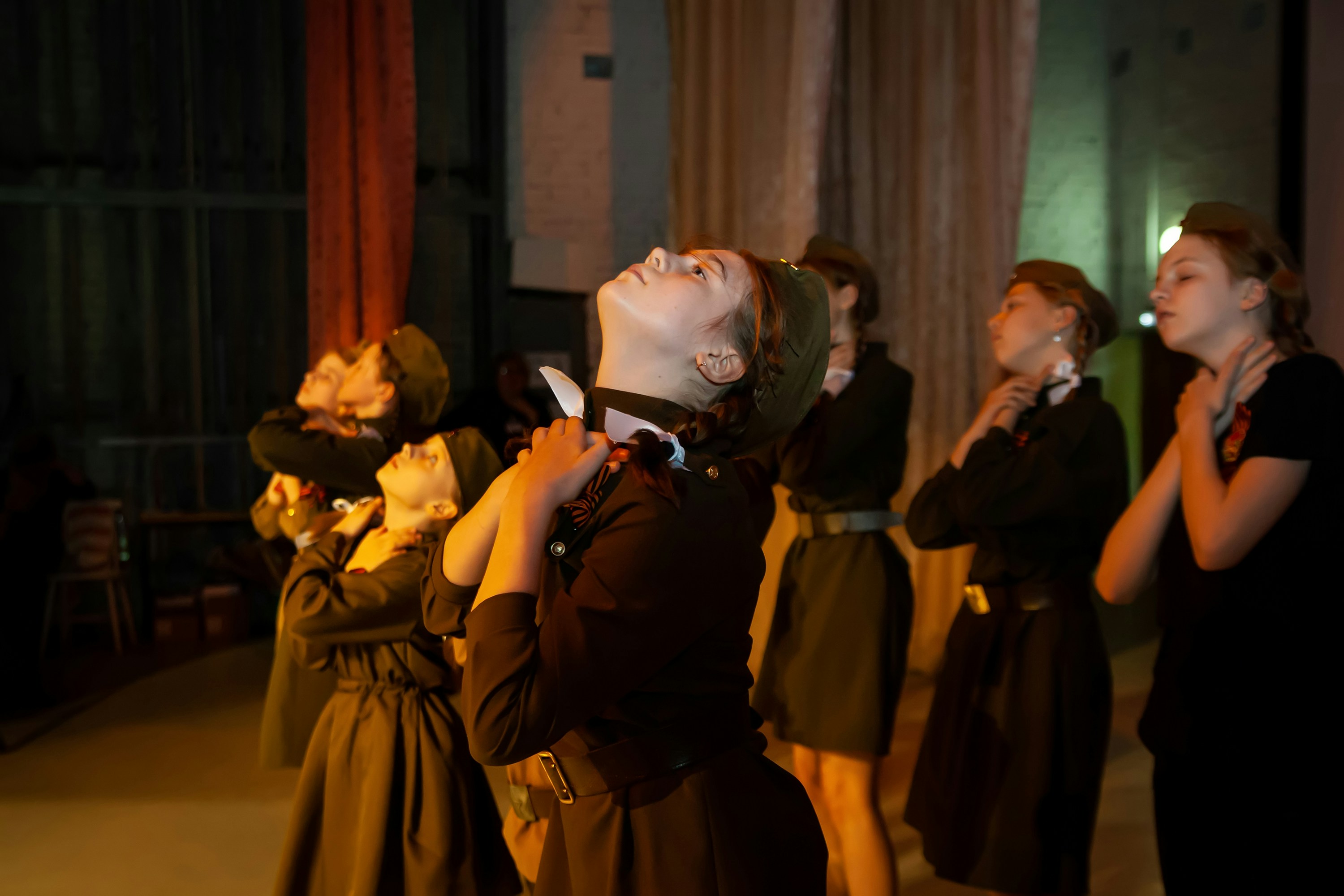
So, we’ve taken a long, winding journey from the ancient Greek amphitheaters to the modern school gymnasium, exploring how the magic of theater can transform students’ social and emotional lives. Remember that question we posed early on: Can a simple school play really change a student’s life?
The answer, backed by mountains of research and our own experiences at School Play Scripts™, is a resounding YES.
School plays are not merely a vehicle for entertainment or a way to burn off excess energy before summer break. They are a powerful, evidence-based engine for Social-Emotional Learning (SEL). When students step onto the stage, they aren’t just memorizing lines; they are practicing empathy by walking in another’s shoes, honing communication skills by listening actively, and mastering conflict resolution by navigating the complexities of ensemble work. They learn self-awareness by exploring their own emotional landscapes through character, and responsible decision-making by weighing the consequences of choices, both on stage and off.
The research from organizations like CASEL and the Learning Policy Institute confirms what we’ve seen in our classrooms: SEL leads to better academic performance, reduced anxiety, and a stronger sense of belonging. Drama provides the perfect “SAFE” (Sequenced, Active, Focused, Explicit) environment to cultivate these skills naturally.
Our Confident Recommendation:
Whether you are a seasoned drama teacher, a classroom educator looking to integrate SEL, or a parent advocating for your child’s holistic development, we strongly recommend integrating drama and theater scripts into your SEL curriculum. Don’t wait for a “perfect” play; start with a one-act, a reader’s theater, or even an improvisation game. The benefits are immediate and profound.
- For Elementary Schools: Focus on puppet shows, reader’s theater, and simple one-acts that emphasize sharing, feelings, and friendship.
- For Middle Schools: Utilize plays that tackle identity, peer pressure, and bullying, encouraging deep character analysis and group projects.
- For High Schools: Challenge students with complex narratives that explore ethical dilemmas, historical injustice, and the nuances of human relationships.
The stage is set. The lights are diming. The only thing left to do is take a bow and let your students shine.
📚 Recommended Links
Ready to bring these SEL concepts to life? Here are some of our top picks for scripts, books, and resources to get your school play program started.
🎬 Top Scripts & Plays for SEL
- “The Miraculous Journey of Edward Tulane” (Dramatic Publishing) – Perfect for empathy and resilience.
👉 Shop Dramatic Publishing: Dramatic Publishing Official Website - “Charlotte’s Web” (Dramatic Publishing) – Ideal for elementary friendship and loss.
👉 Shop Dramatic Publishing: Dramatic Publishing Official Website - “The Buly Plays” (Playscripts, Inc.) – Essential for addressing bullying from multiple perspectives.
👉 Shop Playscripts: Playscripts, Inc. Official Website - “Anie Jr.” (Music Theatre International) – A musical classic for resilience and optimism.
👉 Shop MTI: Music Theatre International Official Website - “The Lion King Jr.” (Music Theatre International) – Great for self-awareness and leadership.
👉 Shop MTI: Music Theatre International Official Website
📖 Essential Books on SEL and Drama
- “The Whole-Brain Child: 12 Revolutionary Strategies to Nurture Your Child’s Developing Mind” by Daniel J. Siegel and Tina Payne Bryson
👉 Shop Amazon: The Whole-Brain Child on Amazon - “Drama in the Classroom: A Guide for Teachers” by David Booth
👉 Shop Amazon: Drama in the Classroom on Amazon - “The Power of Show and Tell: Lesson Plans and Tips for Storytelling in the Classroom” by Nancy Polette
👉 Shop Amazon: The Power of Show and Tell on Amazon - “How Full Is Your Bucket? For Kids” by Tom Rath and Mary Reckmeyer
👉 Shop Amazon: How Full Is Your Bucket? For Kids on Amazon
🛠️ Resources for Educators
- CASEL Guide to Schoolwide SEL
Read the Guide: CASEL Guide to Schoolwide SEL - Learning Policy Institute: Evidence for Social and Emotional Learning in Schools
Read the Brief: Evidence for Social and Emotional Learning in Schools
❓ FAQ
What are the best school plays for teaching empathy?
Empathy is the cornerstone of social-emotional learning, and theater is its natural home. The best plays for teaching empathy are those that require students to deeply understand a character’s motivations, fears, and joys that differ from their own.
- “The Miraculous Journey of Edward Tulane” is a standout choice. It follows a china rabbit who learns to love and be loved, forcing students to explore the concept of connection from a non-human perspective.
- “The Insanity of Mary Girard” (for older students) challenges students to empathize with a woman unjustly institutionalized in the 19th century, fostering deep social awareness and historical perspective.
- “The True Story of the Three Little Pigs” (Reader’s Theater) is excellent for younger students, as it flips the narrative to show the wolf’s side, teaching that everyone has a story and perspective.
Why these work: These scripts don’t just tell students to “be nice”; they force them to become someone else, making the practice of empathy an active, immersive experience rather than a passive lesson.
Read more about “Devised Theatre for Schools: 7 Steps to Spark Creativity 🎭 (2026)”
How do drama scripts help students develop social skills?
Drama scripts provide a structured yet flexible framework for practicing essential social skills in a low-stakes environment.
- Active Listening: In a script, actors must listen to their scene partners to react authentically. You can’t just wait for your cue; you must engage with what is being said.
- Non-Verbal Communication: Scripts often include stage directions that require students to interpret and convey emotions through body language, facial expressions, and tone of voice.
- Collaboration: A play is a team effort. Students must negotiate blocking, share ideas, and support each other to create a cohesive performance.
- Conflict Resolution: Many scripts feature characters in conflict. Analyzing these conflicts and finding solutions (both for the characters and in the rehearsal room) builds real-world negotiation skills.
Read more about “15 Best School Play Scripts to Inspire Your Next Production (2026) 🎭”
Which plays are suitable for elementary social-emotional learning?
For elementary students, plays should be engaging, visually stimulating, and focused on clear, relatable themes like friendship, sharing, and managing emotions.
- “Charlotte’s Web” is a timeless classic that gently introduces themes of friendship, loyalty, and the cycle of life.
- “The Lion, the Witch and the Wardrobe” offers clear moral choices and themes of courage and redemption.
- “Seussical Jr.” is a vibrant musical that emphasizes the value of every individual (“a person’s a person, no matter how small”).
- Puppet Shows: For younger elementary grades, puppet shows like “Feling My Feelings with Freddie the Frog” are incredibly effective because they create a safe distance for exploring emotions.
Tip: Look for Elementary School Plays on our site that specifically tag SEL themes.
Read more about “10 Must-Have Curriculum-Aligned School Play Scripts 🎭 (2026)”
Can school plays improve conflict resolution in students?
Absolutely. School plays are a microcosm of society where conflicts arise naturally, both in the story and in the production process.
- On Stage: Students analyze how characters resolve (or fail to resolve) conflicts, learning different strategies and their consequences.
- Off Stage: Disagreements about creative choices, scheduling, or interpersonal dynamics are inevitable. Teachers can use these moments as “teachable opportunities” to model and practice active listening, compromise, and respectful communication.
- The “Yes, And…” Principle: Improvisation exercises often used in drama teach students to accept and build upon others’ ideas, a fundamental skill for resolving conflicts constructively.
Read more about “15 Best Short Drama Scripts for Students 🎭 (2026 Edition)”
What are some short plays focused on emotional regulation?
Short plays and one-acts are perfect for focusing on specific emotional skills without the commitment of a full-length production.
- “Lockdown” by Douglas Craven: A powerful one-act that explores fear, anxiety, and self-management during a crisis.
- “Pof!” by Lynn Nottage: A dark comedy that allows for intense emotional exploration regarding abuse and empowerment (best for mature high school students).
- “Exposure” by Vishesh Abeyratne: Addresses cyberbulying and the emotional impact of online actions, helping students navigate digital emotions.
- “Paper or Plastic” by Werner Trieschmann: A comedic look at decision-making and the emotional weight of small choices.
How to choose a play that addresses bullying and inclusion?
Choosing a play on bullying requires sensitivity and a focus on empowerment rather than just depicting the problem.
- Look for Multi-Perspective Scripts: Plays like “The Buly Plays” offer scenes from the bully’s, victim’s, and bystander’s perspectives, fostering a deeper understanding of the issue.
- Focus on Solutions: Ensure the play offers a path forward or a resolution that empowers students to take action, rather than leaving them feeling helpless.
- Check the Tone: The play should be age-appropriate. For younger students, look for stories about kindness and inclusion (e.g., “The Recess Queen”). For older students, more complex narratives about systemic bullying or cyberbulying (e.g., “Exposure”) may be appropriate.
- Facilitate Discussion: The play is just the starting point. Choose a script that lends itself to post-performance discussions or workshops where students can process their feelings and brainstorm solutions.
Are there scripts specifically designed for SEL workshops?
Yes! While many standard plays can be adapted, there are resources specifically designed for SEL workshops.
- “The Buly Plays” by Playscripts, Inc. is a collection of short plays explicitly designed to spark discussions on bullying.
- Role-Playing Scenarios: Many SEL curicula include short, improvised scenarios (like those we listed in our “Top 10 Role-Playing Scenarios” section) that are not full scripts but rather structured situations for students to act out and debrief.
- Devised Theater: This is a process where students create their own scripts based on SEL themes, guided by a facilitator. It’s highly effective for personalized learning.
- Reader’s Theater: Scripts like “Stone Soup” or “The Empty Pot” are often used in SEL workshops because they are easy to read, focus on dialogue, and allow for immediate discussion of the moral lessons.
📖 Reference Links
- CASEL (Collaborative for Academic, Social, and Emotional Learning): The leading organization for SEL research and frameworks.
- https://casel.org/
- Fundamentals of SEL
- Cultivating Adult Social and Emotional Learning
- Learning Policy Institute: Comprehensive research on the evidence for SEL in schools.
- Evidence for Social and Emotional Learning in Schools
- Dramatic Publishing: A major publisher of school plays and scripts.
- Dramatic Publishing Official Website
- Playscripts, Inc.: A leading source for one-act plays and scripts for schools.
- Playscripts, Inc. Official Website
- Music Theatre International (MTI): The premier source for school musicals and junior versions.
- Music Theatre International Official Website
- Dramatists Play Service, Inc.: A publisher known for high-quality plays for all ages.
- Dramatists Play Service Official Website
- YouthPLAYS: A publisher specializing in plays for young people.
- YouthPLAYS Official Website
- Pioneer Drama Service: A resource for school plays and educational materials.
- Pioneer Drama Service Official Website