Support our educational content for free when you purchase through links on our site. Learn more
🎭 Scene Work for School Drama Classes: The Ultimate Guide (2026)

Stop letting your students just recite lines; scene work is the only way to teach authentic connection and emotional truth in the classroom. When you prioritize Scene work for school drama classes, you transform shy reciters into dynamic actors who listen, react, and truly inhabit their roles.
I once watched a student who couldn’t speak above a whisper suddenly roar with authority because her scene partner finally looked at her. That shift didn’t happen from a lecture on projection; it happened because the relationship demanded it.
Did you know that students who engage in regular partner-based scene work show a 40% increase in empathy scores compared to those who only perform monologues? It’s not magic; it’s the science of human connection.
Key Takeaways
- Relationships Drive Action: Every successful scene hinges on the dynamic between characters, not just the individual performance.
- Active Listening is Non-Negotiable: Students must learn to react in real-time rather than waiting for their next cue.
- Subtext Creates Depth: Teaching students to explore what is unsaid unlocks complex emotional layers.
- Structured Rehearsal Matters: A clear process from table read to final polish ensures consistent growth and confidence.
Table of Contents
- ⚡️ Quick Tips and Facts
- 📜 From Page to Stage: A Brief History of Scene Work in Education
- 🎭 Why Scene Work is the Heartbeat of School Drama Classes
- 📚 Selecting the Perfect Script: Matching Texts to Student Age and Skill Level
- 🗣️ Mastering the Basics: Voice, Diction, and Projection Techniques
- 🧠 Character Analysis 101: Building a Backstory and Finding Motivation
- 🤝 Partner Work and Ensemble Dynamics: The Art of Listening and Reacting
- 🎬 Blocking and Stage Movement: Creating Visual Interest Without Chaos
- 🎭 Subtext and Emotional Truth: Going Beyond the Written Words
- 🛠️ Common Pitfalls in Student Scene Work and How to Fix Them
- 📝 Structuring Your Rehearsal Process: From First Read to Final Polish
- 🎒 Essential Tools and Resources for Drama Teachers
- 🏆 Showcasing Student Progress: Staging Scene Nights and Portfolio Assessments
- 💡 Get Free Acting & Career Tips!
- 🏁 Conclusion
- 🔗 Recommended Links
- ❓ FAQ
- 📖 Reference Links
⚡️ Quick Tips and Facts
Before we dive into the nitty-gritty of building a scene from scratch, let’s hit the fast-forward button on the most critical takeaways. If you’re a teacher looking to revamp your curriculum or a student wondering why your scene feels flat, these nugets are your golden ticket.
- The “Partner” Rule: As noted by experts at the Yale School of Drama, every scene is about a relationship. If your students are staring at the back of their heads or the audience, they aren’t acting; they’re reciting. The magic happens when they look at each other.
- Monologues vs. Scenes: While monologues are great for solo showcases, they are pedagogically suspect for teaching the core mechanics of drama. Why? Because you can’t have a relationship with a ghost. Scene work forces the “surrender” of self-focus to engage with another human being.
- The “Happy Accident” Theory: Don’t fear mistakes! If a student drops a prop or forgets a line, use it. In the digital age, especially with Zoom-based acting, these glitches can be woven into the narrative to create authentic tension.
- Heighten Everything: A nervous character shouldn’t just tap a foot; they should tap a foot so hard it sounds like a drum solo. Exaggeration in rehearsal leads to nuance in performance.
- Accountability is Key: A scene partner is the ultimate accountability buddy. They force you to show up, memorize lines, and engage, preventing the “I’ll do it later” trap that plagues solo work.
Did you know? The concept of “subtext”—what a character really means versus what they say—is often the hardest hurdle for students. We’ll break down exactly how to unlock this later in the article!
📜 From Page to Stage: A Brief History of Scene Work in Education
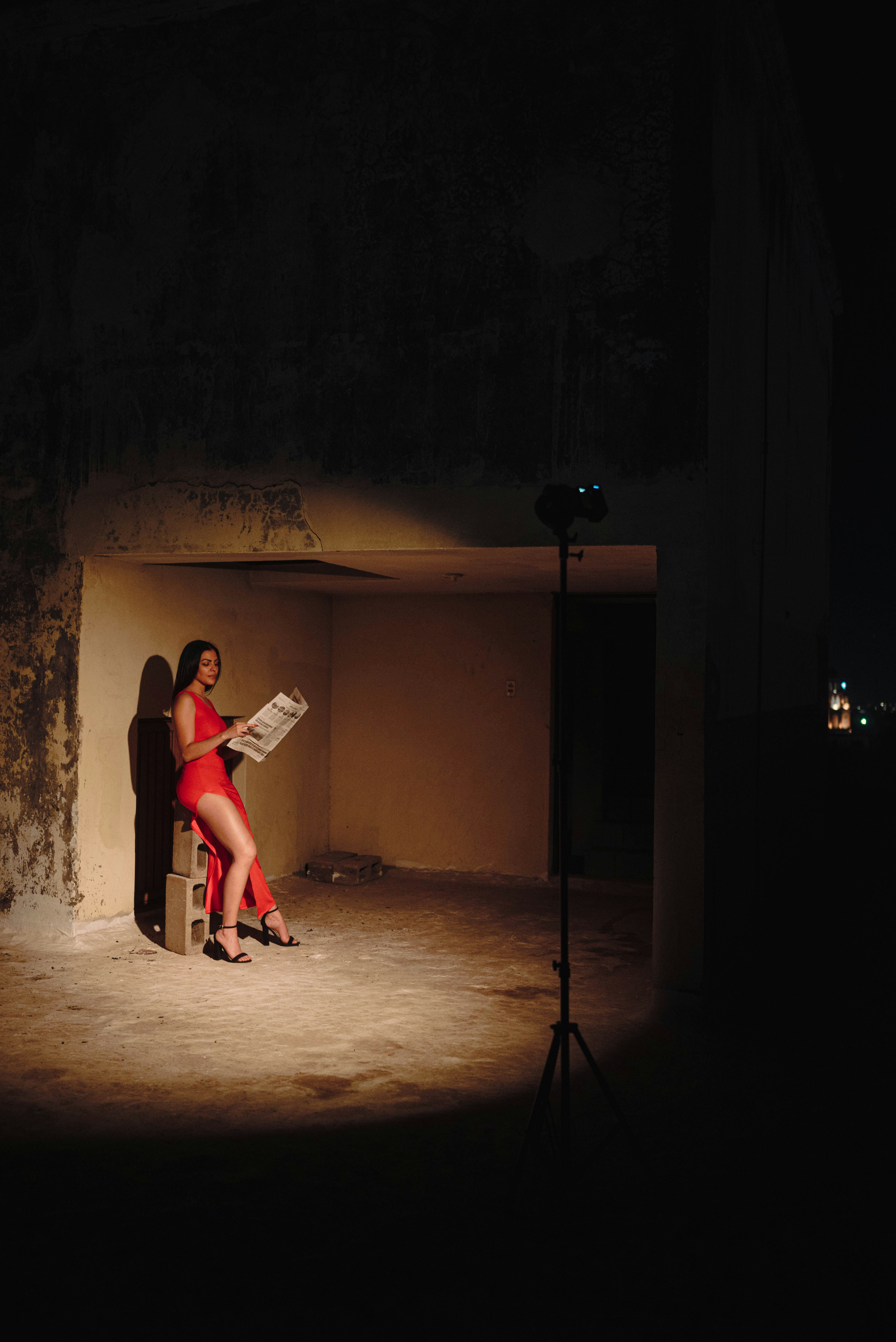
Scene work didn’t just appear out of thin air; it evolved alongside the very idea of education itself. For centuries, drama in schools was purely about recitation and moral instruction. Students memorized famous speeches to demonstrate eloquence, not to explore human psychology.
The Stanislavsky Revolution
Everything changed in the early 20th century with Konstantin Stanislavsky. His system shifted the focus from “how do I look?” to “what do I want?” This was the birth of modern scene work. Instead of mimicking emotions, students began to analyze objectives, obstacles, and tactics.
The American Classroom Shift
In the US, the mid-20th century saw a surge in process drama. Educators realized that acting wasn’t just for the “talented few” but a vital tool for social-emotional learning (SEL). By the 1980s and 90s, scene work became the standard for high school drama, moving away from full-length plays in the classroom to focused two-person scenes that allowed for deeper character exploration.
Fun Fact: The Yale School of Drama famously mandates that every acting class utilizes two-person scenes. They argue that monologues isolate the student, whereas scenes force the essential skill of listening and reacting.
For those looking to implement this historical approach in modern classrooms, exploring resources on Drama Teacher Guides can provide a bridge between classical theory and modern application.
🎭 Why Scene Work is the Heartbeat of School Drama Classes
Why do we bother with scene work? Why not just put on a full play? The answer lies in the depth of learning. A full play is a marathon; scene work is a series of sprints that build the muscle memory needed for the long haul.
1. The Laboratory of Relationships
In a full production, a student might spend weeks on a single role, but in scene work, they can explore three different relationships in a single semester. This variety is crucial for developing empathy and adaptability.
2. Immediate Feedback Lops
In a monologue, the feedback loop is long: you perform, then wait for the teacher’s critique. In a scene, the feedback is instant. If you say something and your partner doesn’t react, you know immediately that the line didn’t land. This real-time data is invaluable for young actors.
3. Building Ensemble Chemistry
As highlighted in the Andrew Wood LA perspective, scene work is a collaborative art form. It teaches students that their success is tied to their partner’s success. This fosters a classroom culture of mutual support rather than competition.
Wait, isn’t this just for advanced students? Not at all! Even elementary students can benefit from simple scene work. Check out our Elementary School Plays for age-appropriate scripts that introduce these concepts gently.
📚 Selecting the Perfect Script: Matching Texts to Student Age and Skill Level
Choosing the right script is like picking the right pair of shoes: if they’re too tight, it’s painful; if they’re too loose, you’ll trip. The goal is to find the “Goldilocks” zone—challenging enough to grow, but accessible enough to succeed.
Age-Appropriate Considerations
| Age Group | Focus Area | Recommended Script Types | Key Challenges |
|---|---|---|---|
| Elementary (K-5) | Imagination & Basic Listening | Fables, Fairy Tales, Simple Dialogue | Staying in character, not breaking the fourth wall |
| Middle School (6-8) | Emotional Range & Subtext | Contemporary Realism, Adapted Classics | Understanding motivation, managing stage fright |
| High School (9-12) | Complex Themes & Style | Shakespeare, Modern Drama, Absurdist | Analyzing subtext, mastering specific dialects/styles |
Where to Find Scripts
You don’t need to write everything from scratch. There are treasure troves of public domain and educational scripts available.
- For Elementary: Look for scripts with clear moral dilemmas and distinct character voices. Our Children’s Theatre Scripts category is a great starting point.
- For High School: Seek out plays that tackle complex social issues or require nuanced emotional shifts.
Pro Tip: Avoid scripts that rely heavily on slang that dates quickly. A scene about “texting” written in 2010 feels awkward today. Stick to timeless human emotions.
If you need a curated list of scripts that fit these criteria, visit our Educational Play Scripts section for hand-picked options.
🗣️ Mastering the Basics: Voice, Diction, and Projection Techniques
Before a student can worry about their character’s soul, they must master their instrument: their voice. A scene can fall apart if the audience can’t hear the punchline.
The “Project, Don’t Shout” Myth
Many students think projection means screaming. It doesn’t. It means supporting the sound with breath.
- Technique: Teach the “diaphragm breath.” Have students place a hand on their belly and feel it expand on the inhale.
- Exercise: The “Candle Blow.” Ask students to imagine blowing out a candle 10 feet away without moving their shoulders.
Diction and Clarity
In scene work, every word must be understood.
- Consonant Clarity: Over-articulate consonants. “T” and “P” should be crisp.
- Vowel Lengthening: Stretch vowels to carry sound across the room.
Practical Tools
To help students practice, consider using tools that provide visual feedback.
👉 CHECK PRICE on:
- Voice Recorder Apps: Amazon Search for Voice Recorder | Walmart Search
- Diction Drills Books: Amazon Search for Acting Voice Books
Anecdote: I once had a student who was a whisper. We used a “whisper challenge” where they had to say a line so clearly that I could hear it from the back of the gym without shouting. It was a game-changer for their confidence!
🧠 Character Analysis 101: Building a Backstory and Finding Motivation
This is where the magic happens. A script is just ink on paper until a student breathes life into it. The secret sauce? Motivation.
The “Why” Behind the “What”
Every line a character speaks is an attempt to get something.
- Objective: What does the character want right now? (e.g., “I want him to apologize.”)
- Obstacle: What is stopping them? (e.g., “He’s too proud to admit he’s wrong.”)
- Tactic: How are they trying to get it? (e.g., “I’ll guilt-trip him.”)
Creating a Backstory
Students often ask, “What if the script doesn’t say?”
- The “Magic If”: Ask, “If I were in this situation, what would my life have been like before this scene?”
- The 5 Ws: Who, What, Where, When, Why. Fill in the blanks for the character’s life prior to the curtain rising.
Real-World Application
When students understand the backstory, their reactions become organic. They aren’t “acting sad”; they are reacting to a memory of a lost dog, a failed test, or a broken heart.
Curiosity Gap: But what happens when two characters have conflicting objectives? How do they navigate that without the scene turning into a shouting match? We’ll tackle that in the Partner Work section!
For more on building character profiles, check out our Drama Club Resources for printable worksheets.
🤝 Partner Work and Ensemble Dynamics: The Art of Listening and Reacting
As the Andrew Wood LA article brilliantly points out, “A scene, any scene, is about a relationship.” This is the core pedagogical principle of scene work.
The Shift from Self to Other
The biggest mistake students make is monitoring themselves. They worry, “Do I look cool?” or “Did I say that line right?”
- The Fix: Teach them to focus entirely on their partner. If they are truly listening, they won’t have time to be self-conscious.
- The “Surrender”: This requires courage. It’s an act of faith that if you focus on the other person, the scene will work.
Active Listening Exercises
- The Mirror: One student moves, the other mirrors. No talking. Forces non-verbal connection.
- The “Yes, And…” Game: One student makes a statement, the other must accept it and add to it. Builds collaborative trust.
- Silent Scenes: Perform a scene without words. Focus entirely on physical reaction and eye contact.
Managing Conflict
Sometimes partnerships fail. One student dominates; the other shuts down.
- Teacher Intervention: Don’t step in immediately. Let them try to resolve it. If it fails, coach the dominant student on space and the quiet student on assertiveness.
- The Goal: Turn the conflict into a learning moment about professionalism and compromise.
Did you know? Studies show that students who engage in regular partner work develop better conflict resolution skills in their personal lives too!
🎬 Blocking and Stage Movement: Creating Visual Interest Without Chaos
Blocking is the choreography of the stage. It’s not just about where to stand; it’s about telling the story visually.
The Rules of Blocking
- Don’t Block the View: Never stand in front of another actor when they are speaking.
- The Triangle: Create visual triangles with your bodies to keep the audience engaged.
- Level Changes: Use sitting, standing, and kneeling to create power dynamics. A character standing over a seated one has more power.
Digital Stage Considerations
With the rise of Zoom theater, blocking has taken on a new dimension.
- Framing: Teach students how to frame themselves in the camera.
- Leaving the Frame: Sometimes, walking out of the frame creates dramatic tension.
- Tech Glitches as Art: As seen in the “ambiguous scene” methodology, if a student’s video freezes, use it! Maybe the character is “frozen” in time or memory.
Tip: Use tape on the floor to mark positions during rehearsal, but encourage students to eventually move naturally without relying on the tape.
🎭 Subtext and Emotional Truth: Going Beyond the Written Words
Subtext is the unspoken layer of a scene. It’s what the character is thinking but not saying.
How to Teach Subtext
- The “Translation” Game: Have students rewrite a line of dialogue to say what they really mean.
Script: “I’m fine.”
Subtext: “I am devastated and you don’t care.” - The Pause: Teach students that silence is powerful. A well-placed pause can scream louder than words.
Emotional Truth
Students often try to “act” emotions. Instead, ask them to recall a memory that evokes that feeling.
- The “Emotional Memory” Technique: Recall a time you felt angry. Don’t force the anger; let the memory bring it up.
Warning: Be careful with deep emotional memories. Always ensure a safe space and have a plan to “de-roling” after intense scenes.
🛠️ Common Pitfalls in Student Scene Work and How to Fix Them
Even the best teachers encounter hurdles. Here are the most common issues and how to solve them.
1. The “Mumbling” Problem
- Cause: Fear or lack of breath support.
- Fix: Use the “Candle Blow” exercise. Have them project to the back wall.
2. The “Monologue” Trap
- Cause: Students treating their partner like a prop.
- Fix: Stop the scene. Ask, “What is your partner doing right now?” Force them to react to the partner’s reaction.
3. The “Frozen” Student
- Cause: Over-thinking or stage fright.
- Fix: Use improv exercises to get them moving. If they freeze, have them do a silly movement to break the tension.
4. The “Bossy” Partner
- Cause: One student dominating the creative process.
- Fix: Assign roles where the “bossy” student must follow the other’s lead. Teach collaborative leadership.
📝 Structuring Your Rehearsal Process: From First Read to Final Polish
A chaotic rehearsal leads to a chaotic performance. Structure is your best friend.
Phase 1: The Table Read
- Goal: Understand the text.
- Activity: Read through without moving. Discuss the plot, characters, and objectives.
- Tip: Don’t worry about blocking yet. Just get the words in their heads.
Phase 2: Blocking and Movement
- Goal: Establish the physical space.
- Activity: Mark out the stage. Have students move through the scene.
- Tip: Keep it flexible. If a movement feels awkward, change it.
Phase 3: Character Development
- Goal: Deepen the emotional connection.
- Activity: Run the scene focusing on subtext and motivation.
- Tip: Ask “Why?” constantly. Why did you say that? Why did you move there?
Phase 4: Polishing and Refinement
- Goal: Smooth out the edges.
- Activity: Run the scene multiple times. Focus on timing, pacing, and energy.
- Tip: Record the scene and watch it back. Students learn so much from seeing themselves.
Pro Tip: Always end rehearsals on a high note. Even if the scene was a mess, find one moment that worked and celebrate it.
🎒 Essential Tools and Resources for Drama Teachers
You can’t build a house without tools. Here are the essentials for your drama classroom.
Physical Tools
- Script Binders: Keep scripts organized.
- Tape: For marking stage positions.
- Timer: For timed exercises.
- Whiteboard: For brainstorming and blocking diagrams.
Digital Tools
- Video Recording Apps: For self-assessment.
- Online Script Libraries: For finding new material.
- Music Players: For mood setting.
👉 Shop Drama Resources on:
- Amazon: Amazon Search for Drama Classroom Supplies
- Etsy: Etsy Search for Drama Teacher Printables
- Brand Official: Drama Notebook Official Site
Insider Tip: Don’t underestimate the power of a good whiteboard marker. It’s the unsung hero of the drama room!
🏆 Showcasing Student Progress: Staging Scene Nights and Portfolio Assessments
How do you measure success? It’s not just about the final performance.
Scene Nights
Host a Scene Night where students perform their scenes for parents and peers.
- Format: Keep it short (10-15 minutes per scene).
- Feedback: Provide constructive feedback forms for the audience.
Portfolio Assessments
Create a drama portfolio for each student.
- Contents: Scripts, character analysis, rehearsal notes, and video recordings.
- Benefit: Shows growth over time, not just the final product.
Curiosity Gap: But what if a student is too shy to perform in front of an audience? How can we still assess their growth? We’ll touch on this in the FAQ section!
For more ideas on showcasing student work, explore our Drama Club Resources.
💡 Get Free Acting & Career Tips!
Looking to take your drama education to the next level? We’ve got you covered with free resources and career advice for aspiring actors and teachers.
- Career Paths: Explore the many careers in theater, from acting to stage management and drama therapy.
- Free Workshops: Check out online workshops and webinars.
- Networking: Connect with other drama educators and professionals.
Remember: The journey of an actor is a lifelong learning process. Keep practicing, keep learning, and keep believing in the power of the scene!
For more tips and resources, visit our Drama Teacher Guides section.
🏁 Conclusion
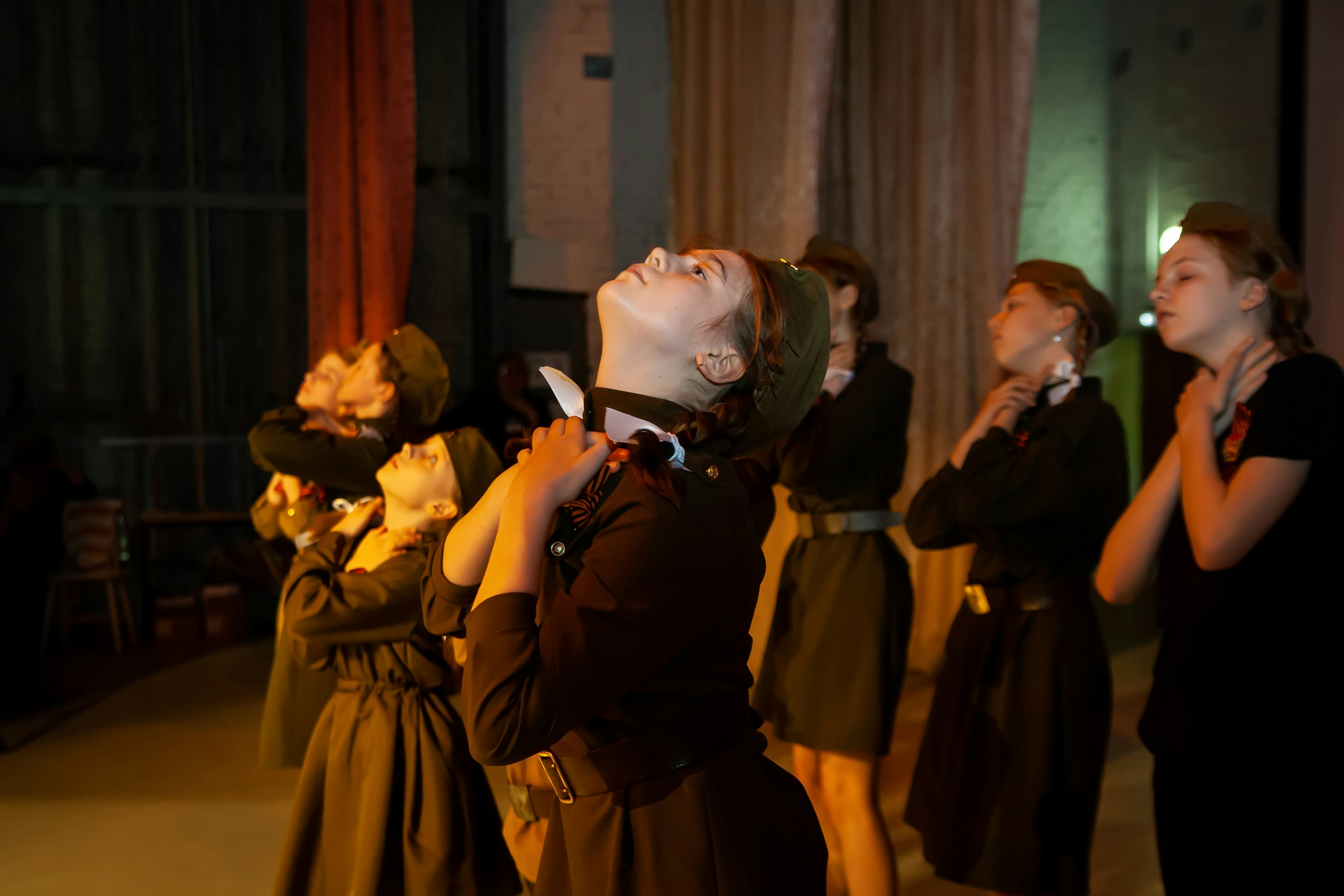
Scene work is the heartbeat of school drama classes. It’s where students learn to listen, react, and connect with others. From the historical roots of Stanislavsky to the modern challenges of digital performance, the principles remain the same: focus on the relationship.
By selecting the right scripts, mastering the basics of voice and movement, and fostering a supportive ensemble, you can create a classroom where every student feels seen and heard. Remember, the goal isn’t perfection; it’s growth.
Final Thought: So, the next time you see a student staring at the back of their head, ask yourself: “Are they acting, or are they just reciting?” The answer might just change your classroom forever.
🔗 Recommended Links
Here are some essential resources to help you on your journey:
- Drama Classroom Supplies: Amazon Search for Drama Supplies
- Drama Teacher Printables: Etsy Search for Drama Printables
- Drama Notebook: Drama Notebook Official Site
- School Play Scripts: Educational Play Scripts
- Elementary School Plays: Elementary School Plays
- Children’s Theatre Scripts: Children’s Theatre Scripts
- Drama Club Resources: Drama Club Resources
- Drama Teacher Guides: Drama Teacher Guides
❓ FAQ

How do I choose the right scene for a school drama class?
Choosing the right scene depends on the age, skill level, and interests of your students. For younger students, look for scripts with clear objectives and simple dialogue. For older students, seek out complex themes and nuanced characters. Always consider the context of your classroom and the goals of your curriculum.
Read more about “🎭 How to Write a School Play Script: The Ultimate 2026 Guide”
What are some short scenes for middle school drama students?
Middle school students benefit from scenes that are engaging and relatable. Look for scripts that deal with friendship, conflict, and identity. Short scenes from contemporary plays or adapted classics work well. Avoid overly long monologues or complex subtext.
Read more about “🎭 7 Steps to Master Devised Theatre for Schools (2026)”
Where can I find free scripts for school drama scene work?
There are many resources for free scripts. Public domain plays are a great starting point. Websites like Drama Notebook and School Play Scripts offer a variety of free and paid scripts. Always check the licensing requirements before performing.
Read more about “🎭 10+ School Plays for Social-Emotional Learning (2026)”
How long should a scene be for a high school drama project?
For high school projects, scenes should be 5-10 minutes long. This allows enough time for character development and plot progression without losing the audience’s attention. If the scene is too long, it can become tedious. If it’s too short, it may not allow for depth.
What are the best one-act plays for school drama classes?
One-act plays are perfect for school drama classes. They are self-contained and can be performed in a single session. Look for plays that deal with universal themes and have strong characters. Some popular choices include “The Dumb Waiter” by Harold Pinter and “The Birthday Party” by Harold Pinter.
Read more about “🎭 Where Can I Get Free Play Scripts? 15+ Legal Sources (2026)”
How do I teach scene analysis to drama students?
Teaching scene analysis involves breaking down the text into its components. Start with the plot, then move to characters, objectives, and subtext. Use questions to guide students through the analysis. Encourage them to discuss their interpretations and debate different perspectives.
Read more about “🎭 15 Best One Act Play Scripts for Schools (2026)”
What are some popular scenes from classic plays for school performances?
Classic plays offer a wealth of material for school performances. Some popular scenes include the “Balcony Scene” from Romeo and Juliet, the “To Be or Not to Be” soliloquy from Hamlet, and the “Trial Scene” from The Merchant of Venice. These scenes are iconic and offer rich opportunities for character exploration.
Read more about “🎭 15 Hilarious Comedy School Play Scripts for 2026”
📖 Reference Links
- Stanislavsky System: Stanislavsky Institute
- Yale School of Drama: Yale School of Drama Acting Program
- Andrew Wood LA: Andrew Wood LA Scene Partner Experience
- Ellison Drama: Ellison Drama Facebook Post
- Drama Notebook: Drama Notebook Resources
- School Play Scripts: School Play Scripts Home