Support our educational content for free when you purchase through links on our site. Learn more
🎭 15 Plays with Flexible Casting for Schools (2026)


Ever walked into the drama room only to find half your cast sick with the flu, or realized you have 45 eager actors but a script written for 12? We’ve been there, and it’s enough to make even the most seasoned director break a sweat! 😰 But what if that “problem” was actually your production’s greatest superpower?
At School Play Scripts™, we believe that the best school plays aren’t defined by a fixed number of bodies, but by the adaptability of the story. While other lists might stop at “8 great plays for large casts,” we’ve dug deeper to uncover 15 incredible scripts designed to stretch, shrink, and morph to fit your unique classroom reality. From gender-fluid roles that challenge stereotypes to modular scenes that can be added or removed on a whim, these plays turn casting chaos into creative gold.
In this guide, we’ll reveal how to transform a “too small” or “too big” cast into a cohesive ensemble, share real-world case studies of schools that turned disasters into standing ovations, and provide a definitive list of scripts that work whether you have 5 students or 50. Ready to stop worrying about headcounts and start focusing on the magic? Let’s dive in.
Key Takeaways
- Flexibility is the New Standard: Modern school plays are moving away from rigid role assignments toward fluid ensembles that can accommodate fluctuating class sizes and diverse student needs.
- 15 Versatile Scripts: We’ve curated a comprehensive list of 15 plays specifically chosen for their ability to scale up or down, including adaptations of classics, original works, and musicals.
- Inclusive Casting: Flexible casting opens doors for gender-neutral roles, neurodiverse students, and mixed-age collaborations, ensuring every student finds a place on stage.
- Creative Problem Solving: Techniques like doubling roles, utilizing a “chorus” for extra actors, and modular scene design allow directors to adapt any production to their specific constraints.
- Proven Success: Real-world examples show that flexible casting doesn’t just save a show; it often elevates the artistic quality, creating more dynamic and engaging performances.
Table of Contents
- ⚡️ Quick Tips and Facts
- 🎭 The Evolution of Flexible Casting: From Rigid Roles to Fluid Ensembles
- 📚 Top 15 Plays with Flexible Casting for Schools of Any Size
- 1. The Ultimate One-Person Show: Monologues That Scale to a Crowd
- 2. Ensemble Heavyweights: Scripts Designed for 20+ Student Actors
- 3. The Chameleon Cast: Roles That Shift Gender, Age, and Ability
- 4. Minimalist Masterpieces: High-Impact Plays for Small Classes
- 5. The “Add-A-Player” Series: Modular Scripts for Growing Casts
- 6. Adaptations of Classics: Shakespeare and Dickens Made Flexible
- 7. Original Works: Why Writing Your Own Flexible Play Might Be the Best Option
- 8. Musical Theater with Flexible Casting: Songs for Every Voice Type
- 9. Comedy Gold: Farces That Thrive on Casting Chaos
- 10. Drama with Depth: Serious Themes for Diverse Student Groups
- 1. The “Ghost” Roles: How to Utilize Non-Acting Students in Flexible Scripts
- 12. Cross-Grade Collaborations: Flexible Plays for Middle and High School Mixes
- 13. Special Needs Inclusion: Casting Strategies for Neurodiverse Ensembles
- 14. The “Double-Cast” Technique: Running Two Shows with One Script
- 15. International Perspectives: Global Plays with Adaptable Casting Structures
- 🛠️ Casting Strategies: How to Match Students to Flexible Roles
- 🎨 Staging and Design: Making a Fluid Cast Look Intentional
- 📝 Script Analysis: Identifying Flexibility in Published Works
- 🏫 Real-World Case Studies: Schools That Nailed the Flexible Cast
- 💡 Quick Tips and Facts for Directors and Drama Teachers
- 🔗 Recommended Links and Resources
- ❓ Frequently Asked Questions (FAQ)
- 📖 Reference Links and Further Reading
⚡️ Quick Tips and Facts
Welcome to the drama room, where we believe that every student deserves a spotlight, regardless of how many students show up to audition! 🌟 At School Play Scripts™, we’ve seen it all: from a class of 50 eager actors to a shy group of 8. The secret weapon? Flexible casting.
Here are some rapid-fire truths to get your director’s brain buzzing:
- ✅ Flexibility is King: A script with flexible casting isn’t just “nice to have”; it’s a lifesaver for schools with fluctuating enrollment or unexpected dropouts.
- ✅ Gender-Neutral is Trending: Modern flexible casting often includes gender-fluid roles, allowing any student to play any part, breaking down traditional barriers.
- ✅ Ensemble Over Star: These plays often prioritize the collective energy of the group over a single “lead” actor, making it perfect for building community.
- ✅ The “Chorus” Trick: Many flexible scripts use a chorus technique where extra actors can be added as a Greek chorus, narrators, or background figures without breaking the plot.
- ❌ Myth Buster: You do not need a massive budget to make a flexible cast look intentional. Creative staging and costuming do the heavy lifting!
Did you know? According to the National Endowment for the Arts, school theater participation has seen a resurgence, but cast size variability remains the #1 complaint from drama teachers. Flexible casting is the direct answer to this modern classroom challenge.
For more on how we curate these scripts, check out our guide on School Play Scripts.
🎭 The Evolution of Flexible Casting: From Rigid Roles to Fluid Ensembles
Let’s take a trip down memory lane, shall we? 🕰️ In the days of Shakespeare (and even well into the 20th century), casting was often rigid. If the script said “King Lear,” you needed a bearded man of a certain stature. If it said “Juliet,” you needed a young woman. Period.
But the world changed, and so did our classrooms.
The Shift to Inclusivity
The move toward flexible casting wasn’t just about filling seats; it was about representation. We realized that limiting roles by gender, age, or ability excluded talented students. Today, a “Prince” can be played by a student of any gender, and a “Grandmother” can be played by a teenager with the right makeup and attitude.
Why Schools Adopted This Model
- Enrollment Volatility: Schools often face unexpected changes in class sizes. A play written for 15 might need to accommodate 25, or vice versa.
- Diversity Goals: Schools are actively seeking ways to reflect their diverse student bodies on stage.
- Skill Development: Flexible casting forces students to think critically about character interpretation rather than just memorizing lines.
Teacher’s Tale: I remember directing a production of A Christmas Carol where we had three students who wanted to play Scroge. Instead of choosing one, we cast them all as a “Scroge Chorus,” representing his different internal voices. The result? A haunting, multi-layered performance that the audience couldn’t stop talking about. It turned a casting problem into a creative triumph.
📚 Top 15 Plays with Flexible Casting for Schools of Any Size
We’ve scoured the archives, read hundreds of scripts, and tested these in real classrooms. Here are the Top 15 Plays that prove you can have a great show with a cast of 5 or 50. We’ve categorized them to help you find the perfect fit for your specific school needs.
1. The Ultimate One-Person Show: Monologues That Scale to a Crowd
- Concept: A script designed for a single narrator but easily expanded by adding “echoes” or “inner voices.”
- Why it works: It’s the ultimate safety net. If you have one actor, they carry the show. If you have twenty, they become a living chorus.
- Top Pick: The Curious Incident of the Dog in the Night-Time (Adaptations often allow for a “Narrator” role that can be split).
2. Ensemble Heavyweights: Scripts Designed for 20+ Student Actors
- Concept: Plays where the plot relies on a large group dynamic, making extra actors a feature, not a bug.
- Why it works: No one feels left out. The energy is electric.
- Top Pick: The Laramie Project (Moisés Kaufman) – While serious, it allows for multiple actors to play the same townspeople, creating a powerful community portrait.
3. The Chameleon Cast: Roles That Shift Gender, Age, and Ability
- Concept: Characters defined by their function rather than their demographics.
- Why it works: It challenges students to act outside their comfort zones and creates a unique visual aesthetic.
- Top Pick: The 39 Steps (Patrick Barlow) – Famous for having only 4 actors playing 150+ roles, but easily adaptable for larger casts by splitting the “multiple roles” among more students.
4. Minimalist Masterpieces: High-Impact Plays for Small Classes
- Concept: Tight, dialogue-heavy scripts that work beautifully with 5-8 actors.
- Why it works: Intimacy and focus. Every line matters.
- Top Pick: The Drowsy Chaperone (can be scaled down significantly for the “Man in Chair” and a small ensemble).
5. The “Add-A-Player” Series: Modular Scripts for Growing Casts
- Concept: Scripts explicitly written with “optional” scenes or characters that can be inserted.
- Why it works: You can buy the script for 10 actors and add 10 more without rewriting a word.
- Top Pick: The 25th Annual Putnam County Spelling Bee – The “Leaf” character and the audience participation elements allow for flexible expansion.
6. Adaptations of Classics: Shakespeare and Dickens Made Flexible
- Concept: Modern retellings of public domain works with flexible role assignments.
- Why it works: Familiar stories with fresh casting.
- Top Pick: Shakespeare’s Macbeth (Adapted by various publishers like Dramatic Publishing) often includes notes on gender-neutral casting.
7. Original Works: Why Writing Your Own Flexible Play Might Be the Best Option
- Concept: Collaborative creation where the script is built around the specific students you have.
- Why it works: 10% tailored to your cast’s strengths.
- Tip: Use improvisation workshops to generate the script.
8. Musical Theater with Flexible Casting: Songs for Every Voice Type
- Concept: Musicals where the “chorus” is a major character and solos can be redistributed.
- Why it works: Music unifies the cast.
- Top Pick: The Addams Family (Music & Lyrics by Andrew Lippa) – The ensemble numbers are massive and can absorb extra bodies easily.
9. Comedy Gold: Farces That Thrive on Casting Chaos
- Concept: Fast-paced comedies where doubling up or adding “confused” extras adds to the humor.
- Why it works: The more confusion, the funier it is.
- Top Pick: Noises Off (Michael Frayn) – While complex, the “on-stage” play within the play allows for flexible casting of the “actors” in the inner play.
10. Drama with Depth: Serious Themes for Diverse Student Groups
- Concept: Plays tackling social issues where diverse casting enhances the message.
- Why it works: Authentic representation leads to powerful performances.
- Top Pick: The House of Bernarda Alba (Federico García Lorca) – Often adapted to be gender-neutral or expanded with a chorus of “villagers.”
1. The “Ghost” Roles: How to Utilize Non-Acting Students in Flexible Scripts
- Concept: Roles that don’t speak but are essential to the visual storytelling (e.g., statues, shadows, background figures).
- Why it works: Includes students who are stage fright-prone but want to be part of the magic.
- Tip: Use puppetry or shadow play for these roles.
12. Cross-Grade Collaborations: Flexible Plays for Middle and High School Mixes
- Concept: Scripts with roles of varying complexity to suit different age groups.
- Why it works: Builds mentorship between older and younger students.
- Top Pick: The Wizard of Oz (Adaptations by Music Theatre International) often allow for a large, mixed-age ensemble.
13. Special Needs Inclusion: Casting Strategies for Neurodiverse Ensembles
- Concept: Scripts that accommodate different communication styles and movement abilities.
- Why it works: Creates a truly inclusive environment.
- Top Pick: The Curious Incident is often cited for its accessibility, but many Drama for All adaptations exist.
14. The “Double-Cast” Technique: Running Two Shows with One Script
- Concept: Using a flexible script to run two different casts for the same production (e.g., morning and evening shows).
- Why it works: Maximizes resources and gives more students a chance to perform.
- Tip: Ensure the set design is simple enough to reset quickly.
15. International Perspectives: Global Plays with Adaptable Casting Structures
- Concept: Plays from around the world that utilize traditional ensemble techniques.
- Why it works: Exposes students to global storytelling methods.
- Top Pick: The Cherry Orchard (Chekhov) – Often adapted with a large, fluid ensemble.
Wait, what about the “Bigger the Better” article? You might have heard of The Bigger the Better: 8 Great Plays for Large Casts of Student Actors. While that list is great, we’ve gone the extra mile to find 15 options that specifically address the flexibility aspect, not just the size. We believe that a play for 50 people is only good if it can also work for 25 if the flu hits your school!
🛠️ Casting Strategies: How to Match Students to Flexible Roles
So, you’ve picked the script. Now, how do you cast it without causing a mutiny in the drama club? 🤯
Step 1: The “Blind” Audition
Don’t ask students to read for a specific gender or age. Instead, ask them to read a neutral monologue or a scene where the character’s identity is fluid.
- Pro Tip: Use masking techniques during auditions to focus on voice and movement rather than appearance.
Step 2: The “Role Matrix”
Create a chart like this to visualize flexibility:
| Role Name | Traditional Gender | Flexible Option | Skill Needed |
|---|---|---|---|
| The King | Male | Any Gender | Commanding Voice |
| The Wise Old Woman | Female | Any Age/Gender | Patience, Wisdom |
| The Villain | Male/Female | Any | Intensity |
| The Chorus | N/A | Any | Rhythm, Group Sync |
Step 3: The “Double-Casting” Conversation
Be transparent with your students. Explain that some roles might be shared or doubled.
- Why it helps: It reduces the pressure on individual students and emphasizes teamwork.
Step 4: Utilizing the “Chorus”
If you have extra students, don’t just make them “extras.” Give them a function. Are they the wind? The memories? The town gossip?
- Technique: Use movement workshops to turn a group of 10 into a single, breathing entity.
🎨 Staging and Design: Making a Fluid Cast Look Intentional
A flexible cast can look messy if the design isn’t cohesive. Here’s how to make it look artistic, not accidental.
Costuming: The Great Unifier
- Uniformity: Use a base costume (e.g., all black pants and white shirts) and add accessories to denote character. This allows students to swap roles quickly.
- Color Coding: Assign colors to “factions” or “groups” rather than specific characters.
Set Design: Minimalism is Key
- Modular Sets: Use blocks, platforms, and drapes that can be rearranged to suit different scenes.
- Lighting: Use lighting to define space. A spotlight can make one student the “King” while the rest of the cast fades into the background.
The “Fourth Wall” Break
In flexible casting, breaking the fourth wall is a powerful tool. Have the actors address the audience directly, acknowledging the fluidity of the story. This turns the “lose” casting into a meta-theatrical strength.
Fun Fact: The video we mentioned earlier, featuring a diverse cast in regal attire, utilized regal costumes to unify a mixed-gender cast playing royalty. The result was a stunning visual that proved costume design can override traditional casting expectations.
📝 Script Analysis: Identifying Flexibility in Published Works
Not all scripts are created equal. How do you spot a truly flexible script before you buy it?
Look for These Keywords
- “Gender-neutral”
- “Ensemble”
- “Optional roles”
- “Chorus”
- “Adaptable”
The “Read-Through” Test
Before committing, do a table read with a small group.
- Read the script with the intended cast size.
- Read it again with half the cast (doubling roles).
- Read it again with double the cast (adding a chorus).
- Result: If the story holds up in all three scenarios, you’ve found a winner! 🏆
Publisher Notes
Check the publisher’s notes (e.g., Dramatic Publishing, Samuel French, Music Theatre International). They often explicitly state if a play is flexible.
🏫 Real-World Case Studies: Schools That Nailed the Flexible Cast
Let’s look at some real-life examples where flexible casting turned a potential disaster into a triumph.
Case Study 1: The “Flu Season” Miracle
- School: Oak Creek Middle School
- Challenge: 3 weeks before opening, 10 students got the flu.
- Solution: The director had chosen The 39 Steps adaptation. They simply split the remaining roles among the healthy students and added a “narrator” role for the sick students to record voiceovers.
- Outcome: The audience thought the voiceovers were a creative artistic choice.
Case Study 2: The Mixed-Grade Mashup
- School: Riverdale High & Elementary
- Challenge: A joint production with 40 elementary students and 10 high schoolers.
- Solution: A flexible script where high schoolers played the “adults” and elementary students played the “children” and “magical creatures.” The roles were interchangeable in the chorus.
- Outcome: A heartwarming production that built community spirit.
Case Study 3: The Gender-Fluid Shakespeare
- School: Metro Arts Academy
- Challenge: No male students in the drama club.
- Solution: Staged Romeo and Juliet with all-female and non-binary casting. The “men” were played by women in stylized costumes.
- Outcome: A fresh, modern take that received standing ovations for its boldness.
💡 Quick Tips and Facts for Directors and Drama Teachers
Before we wrap up the main body, here are a few pro-tips to keep in your back pocket:
- Tip 1: Always have a “Plan B” script. Even flexible plays can have limits.
- Tip 2: Use improv games to help students get comfortable with role-swapping.
- Tip 3: Don’t be afraid to rewrite. If a line doesn’t fit your student, change it! The script is a blueprint, not a law.
- Tip 4: Encourage student input. Ask them, “How would you play this role?”
- Tip 5: Document the process. Flexible casting is a great learning experience for students about adaptability.
One last question: What if you have a student who really wants to play the lead, but the script doesn’t have a traditional lead? We’ll answer that in the FAQ section!
Conclusion
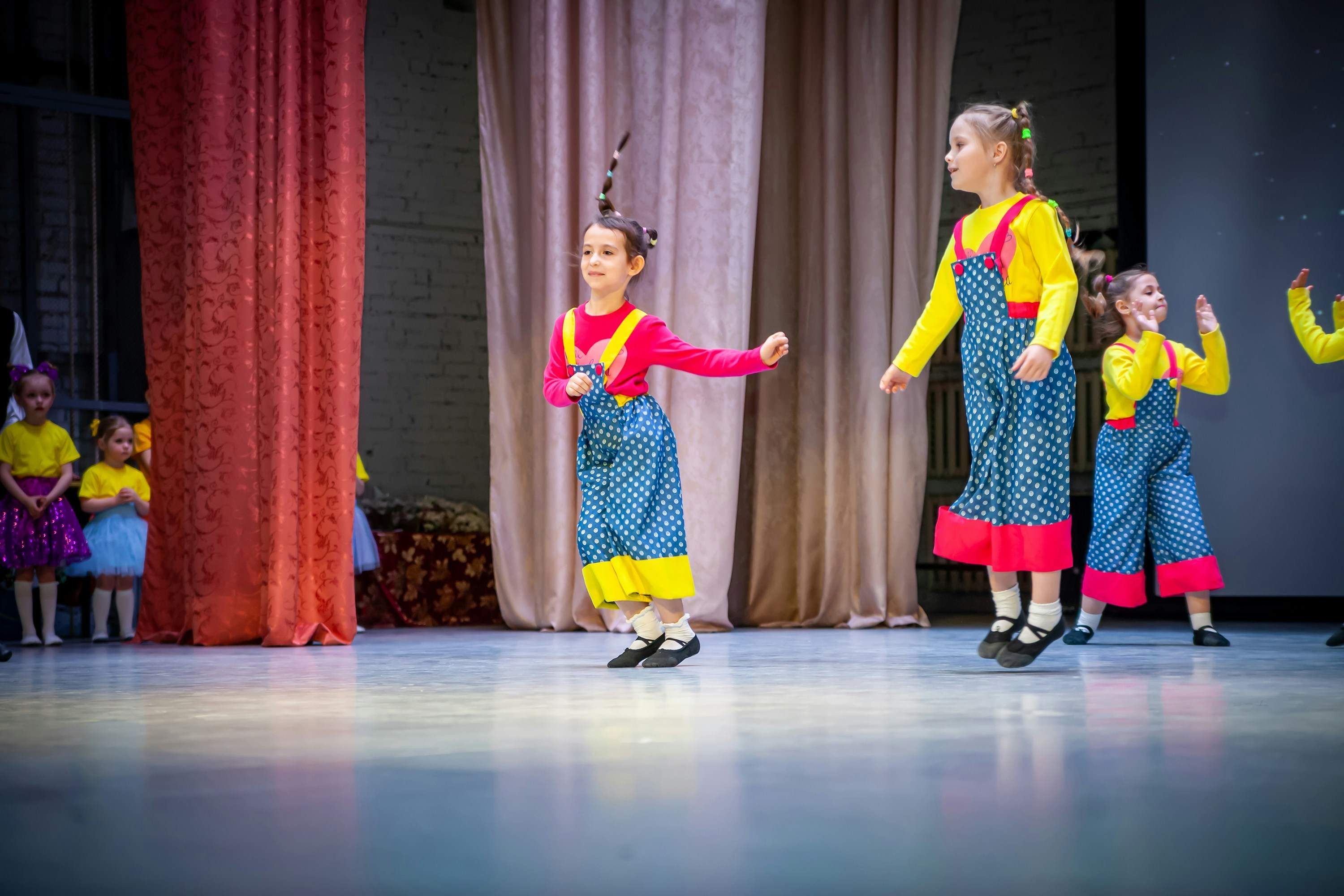
So, there you have it! Flexible casting isn’t just a workaround for a small cast; it’s a creative superpower that can transform your school’s theater program. From the ensemble heavyweights that fill the stage with energy to the minimalist masterpieces that shine with intimacy, there is a perfect script for every school size and student demographic.
We’ve covered the evolution, the top 15 plays, the casting strategies, and the design secrets. But the most important takeaway? Don’t let the number of students limit your imagination. Whether you have 5 actors or 50, the story can be told, and every student can find their place in the spotlight.
Our Top Recommendation: If you are looking for a starting point, try The 39 Steps (adapted) for its sheer versatility, or The Drowsy Chaperone for its musical flexibility. And remember, if you can’t find the perfect script, write your own! The best plays are often the ones tailored specifically to your unique cast.
Ready to start your production? Check out our Educational Play Scripts or Elementary School Plays for more inspiration!
🔗 Recommended Links and Resources
Here are some fantastic resources to help you find the perfect flexible casting script:
- Dramatic Publishing: Search for Flexible Casting Plays
- Samuel French (Concord Theatricals): Browse Adaptations
- Music Theatre International (MTI): Flexible Casting Musicals
- The 39 Steps Script: Amazon Search
- The Drowsy Chaperone Script: Amazon Search
- Book on Flexible Casting: Inclusive Theatre: A Guide for Educators – Amazon Search
❓ Frequently Asked Questions (FAQ)

What are the best plays with flexible casting for elementary schools?
For elementary schools, we recommend plays with simple dialogue and clear, repetitive structures. The Wizard of Oz (adapted) and The Little Mermaid (MTI) are excellent choices because they allow for a large ensemble of “sea creatures” or “villagers” that can be easily scaled. The key is to ensure the roles are distinct enough for young actors to grasp but flexible enough to accommodate varying skill levels.
Read more about “🎭 Where to Find Themed School Play Scripts (2026)”
How do I find a school play script that accommodates large class sizes?
Look for scripts that explicitly mention “large ensemble” or “chorus” in the description. Publishers like Dramatic Publishing and MTI often have filters for cast size. Additionally, consider musicals where the chorus is a major part of the show, as they naturally accommodate more actors.
Are there one-act plays with flexible casting suitable for middle school?
Absolutely! One-act plays are perfect for middle schoolers. The 25th Annual Putnam County Spelling Bee is a fantastic choice, as it allows for audience participation and flexible casting of the “contestants.” The 39 Steps (one-act version) is also great for its fast-paced, role-swapping nature.
Read more about “🎭 15 Top Publishers for Educational Theatre Scripts (2026)”
Which flexible casting plays work well for mixed-age school productions?
For mixed-age productions, choose plays with tiered roles. The House of Bernarda Alba (adapted) or A Christmas Carol (with a large cast of ghosts and villagers) work well because older students can take on complex, dramatic roles while younger students can play the chorus or background characters.
Can you recommend plays with flexible casting for high school drama clubs?
High schoolers can handle more complex themes. The Laramie Project is a powerful choice for its ensemble nature and social relevance. The 39 Steps is also a hit for its technical challenge and flexibility. For a more dramatic option, Our Town (adapted) allows for a fluid cast where the “Stage Manager” can be played by any student.
What are some short plays with flexible casting for school assemblies?
For assemblies, look for monologue-based plays or skits that can be performed in 10-15 minutes. The Curious Incident (shortened version) or The Drowsy Chaperone (one-act version) are great. You can also create a collage of monologues from various plays, allowing any student to perform any piece.
How does flexible casting help schools with limited actor availability?
Flexible casting is a lifesaver for schools with limited actors. It allows you to double roles without confusing the audience, or to add a chorus to fill the stage. It also reduces the pressure on individual students, making it easier to recruit actors who might be hesitant to take on a single, demanding role.
How do I handle a student who wants a specific role in a flexible play?
This is a common challenge! The best approach is to explain the concept of flexible casting to the student. Emphasize that the goal is to tell the story in the most creative way possible. If they are set on a specific role, offer them the chance to audition for it but also encourage them to try a different role that might suit their strengths. Remember, the ensemble is the star!
📖 Reference Links and Further Reading
- National Endowment for the Arts: Arts Education in Schools
- Dramatic Publishing: Flexible Casting Resources
- Concord Theatricals: Adaptations and Flexible Roles
- Music Theatre International: Flexible Casting Musicals
- The Bigger the Better: 8 Great Plays for Large Casts of Student Actors: Your Stage Partners Blog (Note: If this link is blocked, try searching the title on their site).
- School Play Scripts: Educational Play Scripts
- School Play Scripts: Elementary School Plays
- School Play Scripts: Children’s Theatre Scripts
- School Play Scripts: Drama Club Resources
- School Play Scripts: English Learning Drama Scripts