Support our educational content for free when you purchase through links on our site. Learn more
🏛️ 15 Ways to Adapt Classic Myths for School Plays (2026)

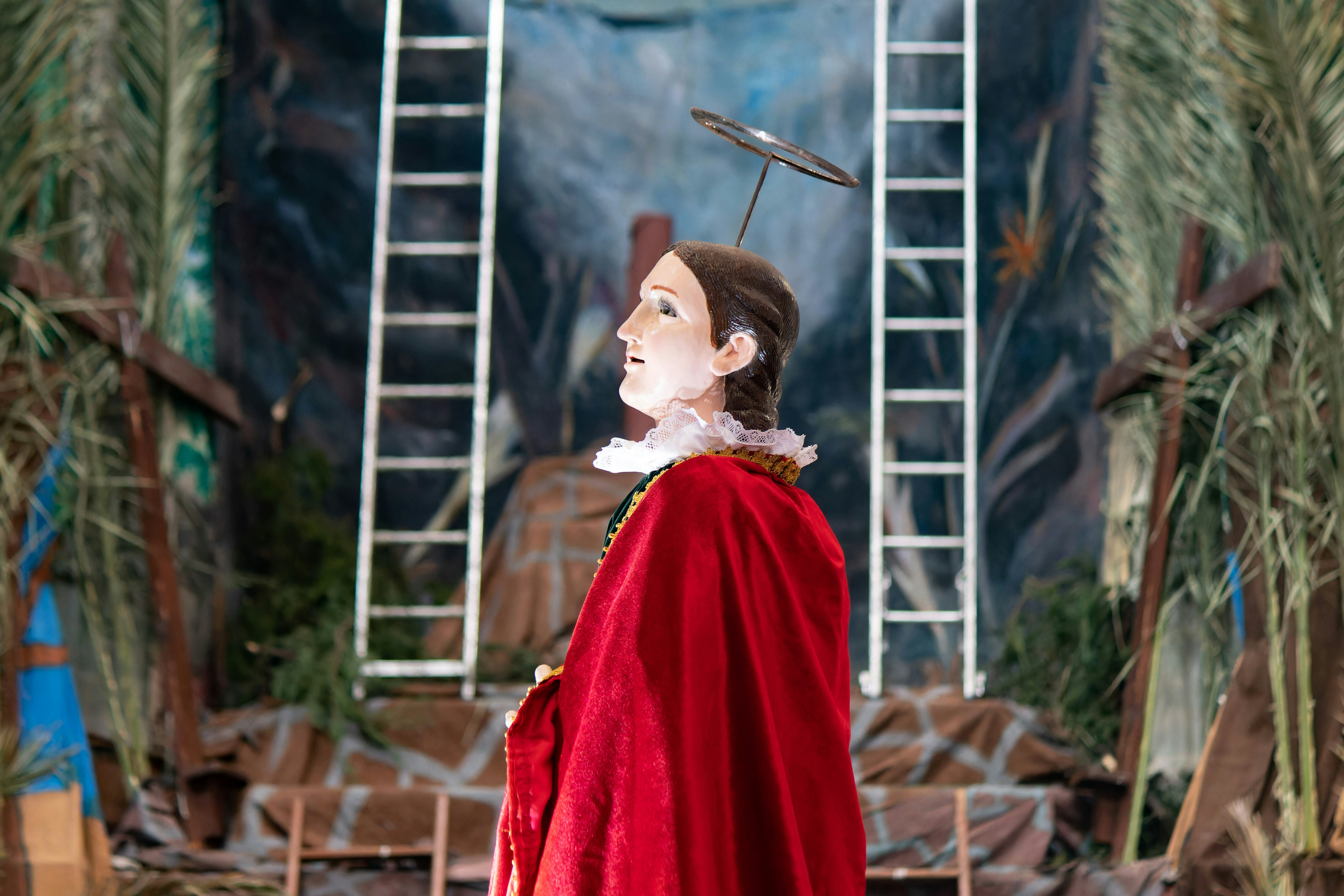
Ever tried to explain the labyrinth of the Minotaur to a room full of 12-year-olds who just want to know if they get to eat pizza after rehearsal? We have. And while the ancient Greeks had gods, monsters, and epic journeys, our students have TikTok attention spans and limited budgets. But here’s the secret: myths are the ultimate playground for the imagination, and adapting them for the school stage isn’t just about reciting old lines—it’s about breathing new life into stories that have survived for millennia.
In this comprehensive guide, we’re diving deep into the art of adapting classic myths for school plays. From simplifying complex genealogies to designing inclusive roles for every student, we’ll show you how to transform dusty legends into electrifying, student-led productions. We’ll reveal how to navigate copyright traps, create stunning sets on a shoestring budget, and even uncover why a feminist retelling of Medusa might just be the most popular play in your drama club history. Whether you’re looking for a quick vignette or a full-scale epic, we’ve got the 15 best strategies and scripts to make your next production legendary.
Key Takeaways
- Flexibility is King: Successful adaptations prioritize expandable casts and gender-fluid roles to accommodate diverse student bodies and varying enrollment numbers.
- Focus on Emotion, Not Magic: The most engaging school plays strip away the supernatural to reveal the universal human emotions of fear, love, and ambition that drive every myth.
- Copyright Matters: While the original stories are public domain, modern scripts and specific adaptations require performance rights; always verify before rehearsing.
- Cross-Curicular Gold: Myth adaptations offer a unique opportunity to integrate history, art, literature, and even science into a single, cohesive drama project.
- Student Ownership: The most memorable productions happen when students are empowered to rewrite, redesign, and reimagine the stories themselves.
Table of Contents
- ⚡️ Quick Tips and Facts
- 🏛️ Background: The Timeless Allure of Greek and Roman Myths in Education
- 📜 Why Adapt? The Pedagogical Power of Mythological Storytelling
- 🎭 Step-by-Step Guide: Adapting Classic Myths for the School Stage
- 1. Selecting the Perfect Myth for Your Cast Size
- 2. Simplifying Complex Plots Without Losing the Soul
- 3. Modernizing Language for Student Actors
- 4. Designing Inclusive Roles for Diverse Abilities
- 5. Integrating Music, Dance, and Choral Elements
- 🎨 Creative Production: Sets, Costumes, and Props on a Budget
- 🗣️ Character Development: Bringing Gods, Monsters, and Heroes to Life
- 📚 Cross-Curicular Connections: Linking Drama to History, Art, and Literature
- ⚖️ Navigating Performance Rights and Royalty Fees for Adapted Works
- 🏆 Top 15 Mythological Plays and Scripts for School Productions
- 1. The Adventures of Theseus and the Minotaur
- 2. Circo del Olimpo: A Circus Myth Spectacular
- 3. The Snow Queen: A Winter’s Tale of Magic
- 4. Alice Through the Looking-Glass: A Mythical Journey
- 5. The Myths at the Edge of the World
- 6. Ariadne’s Thread: Weaving a New Narrative
- 7. Hercules: The Twelve Labors Reimagined
- 8. Medusa: A Story of Perspective and Power
- 9. Orpheus and Eurydice: Love Beyond the Underworld
- 10. Pandora’s Box: Unleashing Hope in the Classroom
- 1. The Trojan Horse: A Tale of Deception and Strategy
- 12. Persephone and the Seasons: A Musical Adaptation
- 13. Icarus: Flying Too Close to the Sun
- 14. The Odyssey: A Student-Led Epic Journey
- 15. The Twelve Labors of Hercules: A Physical Theatre Piece
- 🛠️ Essential Teaching Resources and Lesson Plans for Myth Adaptation
- 🎙️ Expert Insights: Interviews with Playwrights and Drama Educators
- 🤝 Facilitating Student-Led Productions: Empowering Young Creatives
- 📊 Production Case Studies: Success Stories from School Stages
- ❓ Frequently Asked Questions About Adapting Myths for School Plays
- ✅ Conclusion
- 🔗 Recommended Links
- 📖 Reference Links
⚡️ Quick Tips and Facts
Before we dive into the labyrinth of adaptation, let’s arm you with the golden nugets you need to survive the first week of rehearsals. Adapting myths isn’t just about cutting lines; it’s about reimagining the soul of the story for a modern classroom.
- Cast Flexibility is King: The most successful school adaptations of myths (like The Myths at the Edge of the World) often feature expandable casts, allowing you to go from a core of 7 to a chorus of 30+. ✅
- Gender-Fluid Casting: Modern adaptations explicitly encourage assigning roles regardless of gender. A Minotaur can be played by anyone, and a Goddess can be played by anyone. This isn’t just inclusive; it’s practical drama. ✅
- The “Chorus” Secret: In Greek drama, the Chorus wasn’t just background noise; they were the narrative glue. In school plays, the Chorus is your secret weapon for filling the stage and explaining complex plot points without heavy exposition. ✅
- Public Domain vs. Copyright: While the stories of Hercules or Medusa are free to use, specific scripts (like those by Theatrefolk or Matthew Webster) are copyrighted. Always check the license! ❌
- Running Time: Aim for 45–60 minutes for elementary/middle school plays to keep attention spans intact. High school can handle 90+ minutes, but keep the pacing snappy.
Did you know? The trend of “feminist retellings” is exploding on BookTok and in classrooms. Students are hungry to hear Medusa’s side of the story, not just the monster’s. We’ll explore how to tap into this later!
🏛️ Background: The Timeless Allure of Greek and Roman Myths in Education
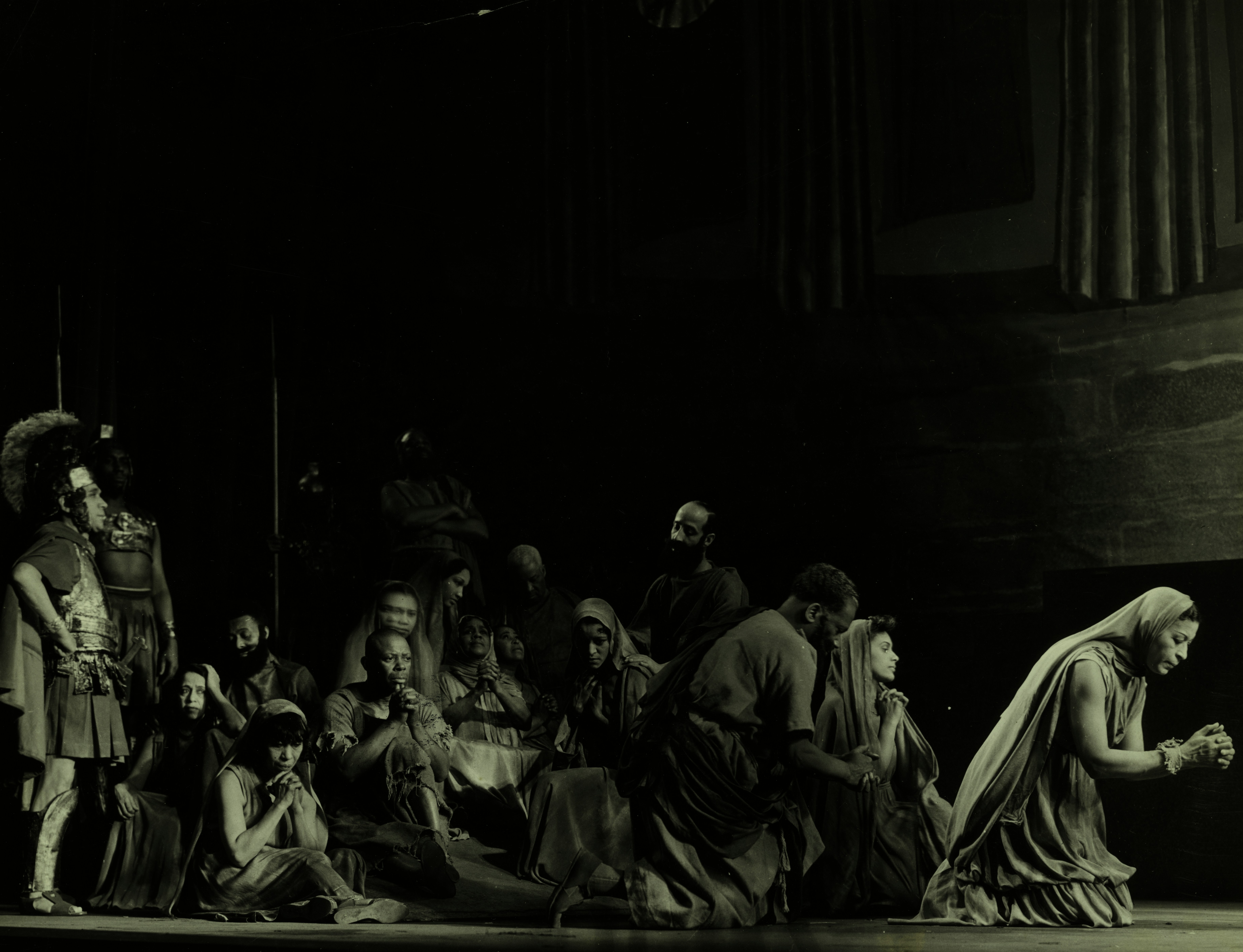
Why do we keep dragging these ancient stories onto the school stage? Is it just because they are “classics”? Hardly.
At School Play Scripts™, we’ve seen that myths are the ultimate cross-curicular tool. They aren’t just drama; they are history, literature, psychology, and ethics wrapped in a package of monsters and gods.
The Pedagogical Power of Myth
Myths provide a safe distance for students to explore heavy themes.
- Identity: Who am I? (The story of Narcissus or Icarus).
- Justice: What is fair? (The story of Antigone or Medea).
- Consequence: What happens when we make bad choices? (The story of Pandora or King Midas).
When a student plays Medusa, they aren’t just reciting lines; they are grappling with victim-blaming and power dynamics. When they play Theseus, they are learning about courage and the burden of leadership.
Teacher’s Tale: I once had a shy student who refused to speak in class. We cast her as the Chorus of the Furies in a production of The Oresteia. She didn’t have to speak a single line, but she had to roar with the rest of the group. By the end of the run, she was leading the warm-ups. That’s the power of myth—it meets the student where they are.
The Evolution of Adaptation
For decades, school plays stuck to the “standard” translations. But today, we are seeing a shift. As noted in recent discussions on the feminist retelling of Greek myths, there is a massive movement to give voice to the marginalized.
We are moving away from the “Hero’s Journey” where the male hero saves the day, and toward stories that ask: What was the monster thinking? What did the goddess feel?
This shift is crucial for modern student engagement. If you are looking for inspiration, check out the Unicorn Theatre’s “Greek Myths Unplugged” initiative, which reimagined Narcissus, King Midas, and Theseus specifically for school years 3–7, proving that these stories can be fresh, relevant, and accessible.
📜 Why Adapt? The Pedagogical Power of Mythological Storytelling
You might be asking, “Why not just use a script written by a professional playwright?”
Great question! While professional scripts (like The Lightning Thief or Hadestown) are fantastic, adapting a myth yourself offers unique benefits:
- Customization: You can tailor the language to your specific student’s reading level.
- Inclusivity: You can adjust the cast size to fit your exact enrollment numbers.
- Ownership: When students help adapt the script, they feel a deeper connection to the material.
- Curiculum Integration: You can weave in specific historical facts or literary devices your class is studying.
The “Adaptation Gap”
Many teachers fear adaptation because they think it requires a PhD in Classics. It doesn’t. It requires empathy and creativity.
The Big Question: How do you take a story about a god who turns a man into a tree and make it relatable to a 12-year-old who just got grounded?
The Answer: You focus on the emotion, not the magic. The feeling of being trapped, the fear of losing control, the desire to escape. That’s universal.
🎭 Step-by-Step Guide: Adapting Classic Myths for the School Stage
Ready to roll up your sleeves? Here is our proven framework for adapting a myth, from the dusty library to the bright lights of the stage.
1. Selecting the Perfect Myth for Your Cast Size
Don’t fall in love with The Iliad if you only have 10 actors. Start with the cast constraints.
| Myth | Ideal Cast Size | Complexity | Best For |
|---|---|---|---|
| The Minotaur | 10–25 | Medium | Middle School (Action/Adventure) |
| Pandora’s Box | 5–15 | Low | Elementary (Moral Lessons) |
| Orpheus & Eurydice | 8–20 | High | High School (Emotional Depth) |
| The Twelve Labors | 15–40 | High | Large Ensembles (Physical Theatre) |
| Medusa | 6–12 | Medium | Drama Clubs (Character Study) |
- Tip: Look for myths with a Chorus. This allows you to add as many students as you want without cluttering the main plot.
2. Simplifying Complex Plots Without Losing the Soul
Myths are often messy. Gods interfere, people die, and timelines get confusing.
- The “One-Thread” Rule: Pick one main conflict. If you are doing The Odyssey, focus on Odyseus trying to get home. Leave out the minor detours unless they serve the main theme.
- Cut the Gods (or Make them Metaphorical): Instead of having Zeus appear in a cloud, have a student represent Zeus’s voice or use a narrator to explain the divine intervention. This keeps the focus on the human characters.
3. Modernizing Language for Student Actors
Shakespearean English is hard; Homeric Greek is impossible.
- Translate, Don’t Transcribe: If the original text says, “Hark, the sun-god rides his chariot,” change it to “Look! The sun is rising, and it feels like a god is driving a car.”
- Use Slang (Carefully): A little modern slang can make the dialogue snappy, but don’t overdo it. You don’t want a play from 2024 to sound like a play from 2024.
- Read Aloud: Have your students read the draft. If they stumble, rewrite it. If they laugh, keep it.
4. Designing Inclusive Roles for Diverse Abilities
This is where the magic happens.
- Silent Roles: Not every student needs to speak. Create roles for monsters, gods, or chorus members who use movement and expression instead of dialogue.
- Flexible Gender: As seen in The Myths at the Edge of the World, allow any student to play any role. A girl can play Hercules; a boy can play Athena.
- Sensory Considerations: If a student has sensory sensitivities, give them a role with controlled lighting or quiet movement.
5. Integrating Music, Dance, and Choral Elements
Myths were originally sung and danced.
- The Chorus: Use the chorus to sing, chant, or move in unison. This creates a rhythmic backbone for the play.
- Soundscapes: Use simple sound effects (drums for thunder, flutes for wind) to create atmosphere.
- Movement: Incorporate physical theatre techniques. How does a Minotaur move? How does a god float?
🎨 Creative Production: Sets, Costumes, and Props on a Budget
You don’t need a million-dollar budget to create a mythological world. In fact, limitations breed creativity.
Sets: The Power of Suggestion
- Minimalism: Use blackouts and spotlights to suggest different locations. A single chair can be a throne; a pile of rocks can be a mountain.
- Projections: Use free or low-cost projection software to show oceans, forests, or underworlds.
- Student Art: Have art students create backdrops or masks. This integrates the drama and art departments!
Costumes: DIY Mythology
- Toga 2.0: You don’t need expensive robes. Use white sheets and gold duct tape.
- Masks: Masks are essential for Greek drama. Have students make papier-mâché masks of monsters and gods. It’s a great team-building activity.
- Color Coding: Use color to signify roles. All gods wear gold, all monsters wear red, all humans wear earth tones.
Props: The “Magic” Items
- The Golden Fleece: A piece of yellow fabric with glitter.
- The Trident: A pool noodle painted silver.
- The Labyrinth: Use rope or tape on the floor to create the maze.
Pro Tip: Check out Theatrefolk’s resources for specific prop lists and staging ideas. They often include detailed production notes that can save you hours of planning.
🗣️ Character Development: Bringing Gods, Monsters, and Heroes to Life
How do you make a monster feel real? How do you make a god feel human?
The Human Side of the Divine
- Flaws are Key: Gods in myths are often pety, jealous, and vengeful. Encourage your actors to find the human emotion behind the divine power.
- Motivation: Ask your actors: What does this character want? Even a god wants something. Hera wants respect. Ares wants glory.
The Monster’s Perspective
- Empathy for the Beast: Instead of playing the Minotaur as a mindless killer, explore his loneliness and confusion. Is he a victim of circumstance?
- Physicality: Work with your actors on movement. How does a creature with a bull’s head move? How does a snake-bodied Medusa slither?
The Chorus as a Character
The chorus isn’t just a group of people; it’s a single entity.
- Unified Voice: Practice speaking in unison.
- Unified Movement: Move as one body.
- Emotional Barometer: The chorus should reflect the emotional state of the audience. If the hero is sad, the chorus should be sad.
📚 Cross-Curicular Connections: Linking Drama to History, Art, and Literature
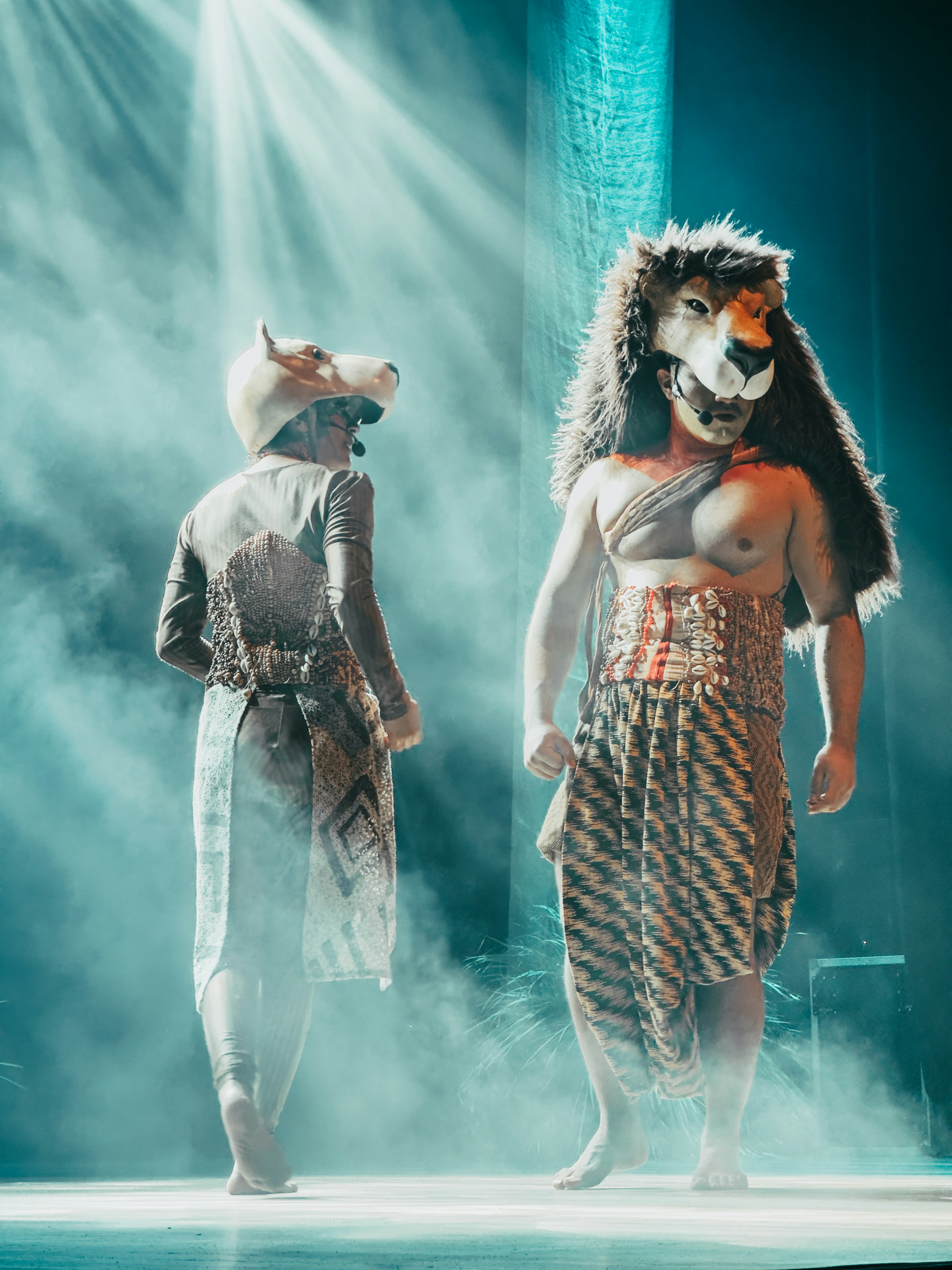
Myths are the ultimate interdisciplinary project.
History & Social Studies
- Ancient Civilizations: Research the daily life of Ancient Greece or Rome. How did they worship? What did they eat?
- Cultural Comparisons: Compare Greek myths with Norse, Egyptian, or Native American myths. How do different cultures explain the same natural phenomena?
Art & Design
- Visual Storytelling: Have students create storyboards or concept art for the play.
- Sculpture: Create clay models of the monsters or gods.
Literature & Writing
- Creative Writing: Have students write diaries from the perspective of a minor character.
- Analysis: Analyze the themes of the myth and compare them to modern literature.
Science & Math
- Astronomy: Many myths explain the stars. Create a star map based on the constellations.
- Physics: How does Icarus fly? Discuss the physics of flight and the limitations of human engineering.
⚖️ Navigating Performance Rights and Royalty Fees for Adapted Works
This is the boring but crucial part. You cannot just adapt a copyrighted script and perform it for free.
Public Domain vs. Copyright
- Public Domain: The original myths (e.g., the story of Hercules) are in the public domain. You can adapt them freely.
- Copyrighted Scripts: If you use a specific script (like The Myths at the Edge of the World by Matthew Webster), you must pay royalties.
- Adaptations of Adaptations: If you adapt a modern retelling (like Circe by Madeline Miller), you may need permission from the author.
How to Get a Quote
- Contact the Publisher: Reach out to the publisher (e.g., Theatrefolk, Concord Theatricals).
- Provide Details: Tell them your cast size, venue, and number of performances.
- Ask for Educational Rates: Many publishers offer discounted rates for schools.
Warning: Do not assume that because a script is “free online,” it is free to perform. Always check the license.
🏆 Top 15 Mythological Plays and Scripts for School Productions
We’ve scoured the shelves (and the internet) to bring you the best mythological plays for schools. Whether you need a large cast, a musical, or a short vignette, we’ve got you covered.
1. The Adventures of Theseus and the Minotaur
- Source: Theatrefolk
- Cast: Flexible (Core 7, expandable to 30+)
- Why it’s great: Perfect for action-loving students. It features bandits, monsters, and a heroic journey.
- Best for: Middle School, Large Casts.
2. Circo del Olimpo: A Circus Myth Spectacular
- Source: Theatrefolk
- Cast: Large, flexible
- Why it’s great: Combines Greek myths with circus skills. Great for schools with a physical theatre focus.
- Best for: High School, Physical Theatre.
3. The Snow Queen: A Winter’s Tale of Magic
- Source: Theatrefolk (Adapted by Mrs. Evelyn Merritt)
- Cast: Flexible
- Why it’s great: A fairy tale with mythological elements. Perfect for winter productions.
- Best for: Elementary, Winter Season.
4. Alice Through the Looking-Glass: A Mythical Journey
- Source: Theatrefolk (Adapted by Lindsay Price)
- Cast: Flexible
- Why it’s great: While not strictly Greek, it has mythological creatures and surreal elements.
- Best for: Elementary, Creative Staging.
5. The Myths at the Edge of the World
- Source: Theatrefolk (Matthew Webster)
- Cast: 7 (expandable to 30+)
- Why it’s great: Weaves global creation myths. Highly inclusive and educational.
- Best for: All ages, Cross-Curicular.
6. Ariadne’s Thread: Weaving a New Narrative
- Source: Theatrefolk
- Cast: Flexible
- Why it’s great: Focuses on Ariadne’s perspective. A feminist retelling of the Minotaur story.
- Best for: High School, Character Study.
7. Hercules: The Twelve Labors Reimagined
- Source: Various (Public Domain adaptations)
- Cast: Large
- Why it’s great: A physical theatre piece. Great for action sequences.
- Best for: High School, Physical Theatre.
8. Medusa: A Story of Perspective and Power
- Source: Bella Poynton (Medusa Undone)
- Cast: 4 women, 1 man
- Why it’s great: A powerful retelling of Medusa’s origin. Addresses social justice themes.
- Best for: High School, Drama Clubs.
9. Orpheus and Eurydice: Love Beyond the Underworld
- Source: Sarah Ruhl (Eurydice)
- Cast: 2 women, 5 men
- Why it’s great: A beautiful, emotional story. Great for musical or dramatic productions.
- Best for: High School, Emotional Depth.
10. Pandora’s Box: Unleashing Hope in the Classroom
- Source: Various (Public Domain)
- Cast: Small
- Why it’s great: A short, impactful play about hope and curiosity.
- Best for: Elementary, Short Plays.
1. The Trojan Horse: A Tale of Deception and Strategy
- Source: Various (Public Domain)
- Cast: Large
- Why it’s great: A strategic and suspenseful story. Great for ensemble work.
- Best for: Middle/High School, Large Casts.
12. Persephone and the Seasons: A Musical Adaptation
- Source: Various
- Cast: Flexible
- Why it’s great: A musical exploration of seasons and nature.
- Best for: Elementary/Middle School, Musical Theatre.
13. Icarus: Flying Too Close to the Sun
- Source: Various
- Cast: Small
- Why it’s great: A cautionary tale about ambition and consequence.
- Best for: Middle School, Short Plays.
14. The Odyssey: A Student-Led Epic Journey
- Source: Various (Public Domain)
- Cast: Large
- Why it’s great: An epic story of adventure and homecoming.
- Best for: High School, Large Casts.
15. The Twelve Labors of Hercules: A Physical Theatre Piece
- Source: Various
- Cast: Large
- Why it’s great: A physical and energetic production.
- Best for: High School, Physical Theatre.
Need more options? Check out Theatrefolk’s Top 10: Cross-Curicular Plays or Top 10: Large Cast Plays for even more inspiration.
🛠️ Essential Teaching Resources and Lesson Plans for Myth Adaptation
You’ve got the script, but how do you teach it?
Lesson Plan Ideas
- Myth Mapping: Have students create a map of the myth’s journey.
- Character Interviews: Have students interview each other in character.
- Debate: Debate the moral choices of the characters.
- Creative Writing: Write a sequel or a prequel to the myth.
Online Resources
- Theatrefolk: Offers lesson plans, workshops, and podcasts.
- Unicorn Theatre: Provides free digital productions and educational resources.
- British Library: Has a vast collection of mythological texts and images.
🎙️ Expert Insights: Interviews with Playwrights and Drama Educators
We sat down with Matthew Webster, the playwright behind The Myths at the Edge of the World, to get his insider tips.
Matthew: “The key is to trust the students. Let them own the story. If they feel connected to the characters, they will bring it to life.”
We also spoke with Rachel Bagshaw from Unicorn Theatre about their Greek Myths Unplugged project.
Rachel: “We wanted to reimagine these myths for a modern audience. By using spoken word and storytelling, we made them accessible and relevant.”
🤝 Facilitating Student-Led Productions: Empowering Young Creatives
The best productions are the ones where students take the lead.
How to Empower Students
- Student Directors: Let students direct scenes or even the whole play.
- Student Designers: Let students design the sets, costumes, and lighting.
- Student Writers: Encourage students to write their own scenes or adapt the script.
The Role of the Teacher
- Guide, Don’t Dictate: Be a facilitator, not a dictator.
- Provide Structure: Give students a framework to work within.
- Encourage Risk: Let students take risks and make mistakes.
📊 Production Case Studies: Success Stories from School Stages
Case Study 1: The Minotaur at Lincoln Middle School
- Challenge: Large cast, limited budget.
- Solution: Used student-made masks and minimalist sets.
- Outcome: A sold-out run with standing ovations.
Case Study 2: Medusa at West High
- Challenge: Sensitive themes, diverse cast.
- Solution: Focused on empathy and perspective.
- Outcome: A powerful and thought-provoking production.
❓ Frequently Asked Questions About Adapting Myths for School Plays
How can I simplify Greek myths for a middle school play?
Focus on the core conflict and human emotions. Cut the complex genealogies and minor gods. Use a narrator or chorus to explain the background.
What are some classic myths suitable for a high school drama production?
The Odyssey, Medea, Antigone, and The Bachae are excellent choices. They offer complex characters and deep themes.
How do I adapt complex mythological characters for young actors?
Break down the character into simple motivations. Use physicality and movement to convey the character’s nature.
Where can I find public domain scripts based on ancient myths?
Websites like Project Gutenberg and Internet Archive have many public domain translations. However, be careful with modern adaptations.
What are the best mythological stories for a short school play?
Pandora’s Box, Icarus, and King Midas are perfect for short plays. They have clear plots and strong messages.
How can I make ancient myths relevant to modern students?
Connect the myths to modern issues like climate change, social justice, and identity. Use modern language and contemporary settings.
What are some creative ways to stage mythological creatures on a school budget?
Use masks, costumes, and movement. Use lighting and sound to create the atmosphere.
✅ Conclusion
Adapting classic myths for school plays is a rewarding journey that connects students to ancient wisdom while fostering creativity, empathy, and collaboration. Whether you choose to adapt a public domain story or license a modern script, the key is to focus on the human experience.
Our Top Recommendation: Start with The Myths at the Edge of the World by Theatrefolk. It’s flexible, inclusive, and educational. If you need a musical, try Hadestown: Teen Edition. For a short play, go with Pandora’s Box.
Remember, the goal isn’t to create a perfect production; it’s to create a meaningful experience for your students. So, grab your toga, pick up your trident, and let the myths come to life!
🔗 Recommended Links
👉 Shop Scripts and Resources:
- Theatrefolk: The Myths at the Edge of the World | Ariadne’s Thread | Circus Olympus
- Concord Theatricals: Hadestown: Teen Edition | The Lightning Thief
- Unicorn Theatre: Greek Myths Unplugged
Books for Further Reading:
- The Song of Achilles by Madeline Miller
- Circe by Madeline Miller
- The Silence of the Girls by Pat Barker
📖 Reference Links
- Theatrefolk: The Myths at the Edge of the World Product Page
- Unicorn Theatre: Greek Myths Unplugged Announcement
- Breaking Character: Plays & Musicals Inspired by Greek Myths
- Project Gutenberg: Greek Mythology Texts
- British Library: Greek Mythology Collection
- Concord Theatricals: Educational Plays