Support our educational content for free when you purchase through links on our site. Learn more
15 Powerful School Play Scripts with Social Justice Themes (2026) 🎭

Imagine a school play that doesn’t just entertain but transforms minds and hearts. That’s the magic of social justice-themed scripts — stories that challenge students to explore real-world issues like inequality, identity, and empathy, all while honing their theatrical skills. From mental health awareness to racial justice, these plays give young performers a voice and audiences a mirror to society’s most pressing challenges.
Did you know that schools staging social justice plays often see a measurable boost in student empathy and community engagement? 🎉 In this article, we’ll unveil 15 standout scripts that have captivated schools nationwide, share insider tips on selecting and producing these plays, and reveal how to turn your next production into a powerful catalyst for change. Plus, we’ll dive into resources and strategies to help you navigate sensitive topics with care and creativity.
Ready to discover scripts that inspire, educate, and entertain? Keep reading — your next unforgettable school play awaits!
Key Takeaways
- Social justice plays foster empathy, critical thinking, and student empowerment by addressing timely issues like mental health, racial equity, and identity.
- Selecting the right script involves balancing age-appropriateness, cast diversity, and educational support to maximize impact.
- Our curated list of 15 powerful scripts includes award-winning works and flexible options for all school levels.
- Community partnerships and post-show discussions amplify the educational value and help create inclusive school cultures.
- Adapting classic plays and using multimedia can creatively enhance social justice themes for modern audiences.
Ready to bring social justice stories to your stage? Scroll down for expert tips, script recommendations, and trusted resources to make your production a meaningful success.
Table of Contents
- ⚡️ Quick Tips and Facts About School Play Scripts with Social Justice Themes
- 🌍 The Evolution of Social Justice Themes in School Plays: A Historical Perspective
- 🎭 Why Choose Social Justice Themes for School Play Scripts? Benefits and Impact
- 🔍 How to Select the Perfect Social Justice Play Script for Your School
- 1️⃣ Top 15 School Play Scripts with Powerful Social Justice Messages
- 2️⃣ Spotlight on Contemporary Social Justice Dramas for High School Students
- 3️⃣ Inclusive and Diverse Scripts: Highlighting Underrepresented Voices
- 🎬 Tips for Directing and Producing Social Justice-Themed School Plays
- 📚 Educational Resources and Lesson Plans to Complement Social Justice Plays
- 🤝 Engaging Students and Communities Through Social Justice Theatre
- 💡 Creative Ways to Adapt Classic Plays with Social Justice Themes
- 🛠️ Troubleshooting Common Challenges in Social Justice School Productions
- 📈 Measuring the Impact: How Social Justice Plays Influence School Culture
- 🛒 Where to Find and Purchase Quality Social Justice School Play Scripts
- 📞 Connect with Experts: Support and Consultation for Social Justice Theatre
- 🔐 Privacy, Terms, and Ethical Considerations in Social Justice Theatre
- 🔚 Conclusion: Empowering Change Through School Play Scripts with Social Justice Themes
- 🔗 Recommended Links for Further Exploration
- ❓ Frequently Asked Questions About Social Justice School Play Scripts
- 📖 Reference Links and Credible Sources
⚡️ Quick Tips and Facts About School Play Scripts with Social Justice Themes
Welcome to the vibrant crossroads where school theatre meets social justice! As educators and theatre enthusiasts at School Play Scripts™, we’ve seen firsthand how choosing the right script can spark empathy, ignite conversations, and empower young voices. If you’re hunting for the perfect social justice-themed play, here are some quick tips and facts to get you started:
Quick Tips for Selecting Social Justice School Plays
- ✅ Choose age-appropriate themes: Some social justice topics, like mental health or systemic racism, require sensitive handling. For elementary schools, look for scripts with accessible language and hopeful messages. High school scripts can tackle more complex issues like immigration, gender identity, or economic inequality.
- ✅ Consider cast size and diversity: Social justice plays often thrive on ensemble casts representing diverse perspectives. Make sure the script offers roles that reflect your student body and allows for inclusive casting.
- ✅ Look for educational support: Scripts with accompanying lesson plans, discussion guides, or community engagement ideas add tremendous value. They help teachers extend the impact beyond the stage.
- ✅ Balance entertainment with message: The best social justice plays weave compelling stories with meaningful themes — not preachy or didactic, but engaging and thought-provoking.
- ✅ Check rights and availability: Popular scripts like The Locker Next 2 Mine by Jonathan Dorf or America in One Room by Jason Odell Williams are available through reputable publishers like Playscripts, YouthPlays, or Dramatists Play Service. Always verify licensing options for school productions.
Fascinating Facts About Social Justice Theatre in Schools
| Fact | Source/Insight |
|---|---|
| Social justice plays can improve student empathy and reduce bullying. | Edutopia |
| The Locker Next 2 Mine has been used in partnership with youth mental health groups like Aevidum. | YouthPlays |
| Project-based learning (PBL) with social justice themes boosts student engagement and interdisciplinary skills. | Edutopia |
| Contemporary social justice plays often include flexible casting to accommodate diverse student populations. | School Theatre Community Forum |
Why This Matters
Social justice school plays aren’t just performances — they’re catalysts for change. They give students a platform to explore tough issues, develop critical thinking, and practice empathy in a safe, creative environment. Ready to dive deeper? Let’s explore the rich history and evolving landscape of these powerful plays!
🌍 The Evolution of Social Justice Themes in School Plays: A Historical Perspective
Social justice themes in school theatre didn’t just appear overnight. They evolved alongside societal shifts and educational philosophies, reflecting the growing awareness of equity and inclusion in schools.
Early Roots: Theatre as Moral Instruction
In the early 20th century, school plays often served as moral lessons with clear-cut heroes and villains, emphasizing virtues like honesty and kindness. However, social justice as a theme was mostly absent or simplified.
Civil Rights Movement and Theatre
The 1960s and 70s saw a surge in plays addressing racial inequality, civil rights, and social upheaval. Schools began staging works that challenged segregation and discrimination, inspired by playwrights like Lorraine Hansberry (A Raisin in the Sun) and August Wilson.
Modern Era: Intersectionality and Diverse Voices
Today, social justice school plays embrace intersectionality, exploring how race, gender, class, sexuality, and ability intersect. They also highlight underrepresented voices, including LGBTQ+ youth, immigrants, and people with disabilities.
The Role of Project-Based Learning (PBL)
As noted by Edutopia, integrating social justice themes into PBL frameworks helps students connect academic content with real-world issues, making theatre a dynamic learning tool.
Why This History Matters to You
Understanding this evolution helps educators select plays that are not only relevant but respectful of the communities they serve. It also highlights the importance of theatre as a mirror and a window — reflecting students’ experiences and opening them to others’.
🎭 Why Choose Social Justice Themes for School Play Scripts? Benefits and Impact
You might wonder: Why should my school invest time and resources into social justice plays? Here’s the scoop from our team and research-backed insights.
Benefits for Students
- Empathy Development: Acting out diverse experiences fosters deeper understanding and compassion.
- Critical Thinking: Students analyze complex social issues and consider multiple perspectives.
- Communication Skills: Social justice plays encourage dialogue, debate, and respectful discourse.
- Empowerment: Students feel their voices matter, especially when scripts address issues they care about.
Benefits for Schools and Communities
- Inclusive Culture: Plays promote diversity and inclusion, helping reduce bullying and discrimination.
- Community Engagement: Productions can partner with local organizations, like Aevidum’s collaboration on The Locker Next 2 Mine, to extend impact beyond the school.
- Curriculum Integration: Social justice themes align with social studies, language arts, and civics standards.
Drawbacks and Challenges
- ❌ Sensitive Topics: Some themes may be controversial or trigger strong emotions. Requires careful facilitation.
- ❌ Resource Intensive: May need additional training for staff and support for students.
- ❌ Balancing Act: Risk of message overshadowing storytelling if not well-crafted.
Our Takeaway
The rewards outweigh the challenges when schools commit to thoughtful selection and production. Social justice plays are powerful tools for education, empathy, and empowerment.
🔍 How to Select the Perfect Social Justice Play Script for Your School
Picking the right script can feel like searching for a needle in a haystack. Here’s a step-by-step guide to help you find a gem that fits your school’s unique needs.
Step 1: Define Your Goals
- What social justice issues resonate with your students and community?
- Are you aiming to raise awareness, spark dialogue, or inspire action?
- What age group and skill level are you working with?
Step 2: Assess Your Resources
- Cast size and diversity
- Rehearsal time and production budget
- Staff expertise and support
- Availability of rights and licensing
Step 3: Research and Shortlist
- Use trusted publishers like Playscripts, YouthPlays, and Dramatists Play Service
- Read synopses and sample scripts
- Check reviews and production histories
- Look for scripts with educational materials or community engagement guides
Step 4: Read and Evaluate
- Does the script balance message and entertainment?
- Are characters well-developed and relatable?
- Is the language accessible?
- Does it offer opportunities for diverse casting?
Step 5: Pilot and Get Feedback
- Consider a staged reading or workshop with students
- Gather input from cast, crew, and educators
- Adjust or adapt as needed
Step 6: Secure Rights and Prepare
- Obtain performance rights early
- Plan for any necessary training or support
- Engage community partners if relevant
1️⃣ Top 15 School Play Scripts with Powerful Social Justice Messages
Ready for the showstopper list? Here are 15 standout scripts that have made waves in schools for their thought-provoking social justice themes. We’ve included a brief overview and where to find them.
| Play Title | Theme | Cast Size | Publisher | Notes |
|---|---|---|---|---|
| The Locker Next 2 Mine by Jonathan Dorf | Teen suicide, mental health | Flexible | YouthPlays | Full-length and one-act versions; partnered with Aevidum |
| America in One Room by Jason Odell Williams | Political polarization, empathy | 9 | Playscripts | Focus on relationships over debate |
| Sweat by Lynn Nottage | Economic inequality, labor | 9-10 | Dramatists Play Service | Pulitzer Prize winner |
| Girlhood by Dani Stoller | Identity, bullying, sexuality | Flexible | Available pre-publication | Vignettes, frank content |
| Feeble-Minded White Trash by Susan Middaugh | Eugenics, race, class | 20 (doubling possible) | Playscripts | Historical social justice issues |
| Techies by Mark Rigney | Peer conflict, harassment | Flexible | Independent | Comedy-drama, flexible casting |
| Water by the Spoonful by Quiara Alegría Hudes | Addiction, recovery | 7 | Dramatists Play Service | Pulitzer Prize winner |
| Dance Nation by Clare Barron | Adolescence, gender | 6-8 | Playscripts | Contemporary, edgy |
| She Kills Monsters by Qui Nguyen | LGBTQ+ themes, fantasy | 8-10 | Playscripts | Popular with youth |
| Pride’s Crossing by Tina Howe | Aging, gender roles | 7 | Dramatists Play Service | Historical and social themes |
| The Laramie Project by Moisés Kaufman | Hate crimes, LGBTQ+ rights | 15+ | Dramatists Play Service | Documentary theatre style |
| The Wolves by Sarah DeLappe | Female adolescence, sports | 9 | Dramatists Play Service | Ensemble-driven |
| Pipeline by Dominique Morisseau | Education, systemic racism | 6 | Dramatists Play Service | Contemporary issues |
| Clybourne Park by Bruce Norris | Race, gentrification | 10 | Dramatists Play Service | Pulitzer Prize winner |
| The Children by Lucy Kirkwood | Climate change, responsibility | 6 | Dramatists Play Service | Thought-provoking |
Why These Scripts?
Each offers rich characters, relevant themes, and opportunities for meaningful student engagement. They’ve been tested in schools and community theatres, with positive feedback from educators and audiences alike.
2️⃣ Spotlight on Contemporary Social Justice Dramas for High School Students
High school is a prime time for tackling complex social justice issues through theatre. Here are some contemporary dramas that resonate deeply with teens:
America in One Room by Jason Odell Williams
- Theme: Political and social polarization in America
- Why it works: Focuses on humanizing opposing views rather than polemics, encouraging empathy and dialogue.
- Casting: 5 women, 4 men — diverse roles reflecting real-world perspectives.
- Source: Playscripts
Sweat by Lynn Nottage
- Theme: Economic hardship, labor struggles, racial tensions
- Why it works: Pulitzer Prize-winning play that portrays the human cost of deindustrialization.
- Casting: 9-10 actors, with strong female roles.
- Source: Dramatists Play Service
Girlhood by Dani Stoller
- Theme: Teenage identity, bullying, sexual assault
- Why it works: Vignette-style, candid and raw, giving voice to adolescent girls’ experiences.
- Casting: Flexible; early production available.
- Source: [Contact Dani Stoller’s publisher or YouthPlays]
Techies by Mark Rigney
- Theme: Peer conflict, harassment, teamwork behind the scenes
- Why it works: Mixes humor with serious themes, flexible casting including non-binary roles.
- Casting: Flexible, mostly female roles.
- Source: Independent; check Mark Rigney’s website
3️⃣ Inclusive and Diverse Scripts: Highlighting Underrepresented Voices
Social justice theatre shines brightest when it amplifies marginalized voices. Here’s how to find and use scripts that celebrate diversity:
What to Look For
- Authentic representation: Characters whose identities and experiences reflect real communities.
- Culturally sensitive language: Avoid stereotypes or tokenism.
- Opportunities for diverse casting: Roles that can be adapted or expanded to include all students.
- Themes of intersectionality: Exploring how multiple identities overlap and affect experiences.
Recommended Scripts with Diverse Voices
- The Wolves by Sarah DeLappe — all-female soccer team navigating adolescence.
- Pipeline by Dominique Morisseau — focuses on African American mother-son dynamics and systemic racism.
- She Kills Monsters by Qui Nguyen — LGBTQ+ themes with fantasy elements.
- Feeble-Minded White Trash by Susan Middaugh — historical look at eugenics and classism.
Tips from Our Educators
- Involve students in script selection to ensure relevance and respect.
- Consult community members or cultural experts when adapting scripts.
- Use talkbacks and post-show discussions to deepen understanding.
🎬 Tips for Directing and Producing Social Justice-Themed School Plays
Directing a social justice play is a rewarding challenge. Here are some insider tips from our School Play Scripts™ team:
Pre-Production Planning
- Hold sensitivity readings: Identify potentially triggering content and prepare support.
- Engage community partners: Mental health organizations, cultural groups, or advocacy organizations can provide resources and credibility.
- Train your cast and crew: Workshops on topics like implicit bias, respectful communication, and historical context.
Rehearsal Strategies
- Encourage open dialogue: Create a safe space for students to express feelings and questions.
- Balance message with artistry: Focus on storytelling, character development, and emotional truth.
- Use role doubling thoughtfully: To maximize participation and highlight thematic connections.
Performance and Beyond
- Facilitate post-show discussions: Invite audience members to share reflections and ask questions.
- Incorporate multimedia or community art projects: To extend the impact.
- Document and share: Use video or social media to amplify your message.
📚 Educational Resources and Lesson Plans to Complement Social Justice Plays
Pairing your production with educational materials can transform a play into a full learning experience.
Where to Find Resources
- Publisher websites: Playscripts and YouthPlays often provide study guides and discussion questions.
- Nonprofits and advocacy groups: Aevidum (mental health), Teaching Tolerance (racial justice), GLSEN (LGBTQ+ issues).
- Online platforms: Edutopia, Teaching Theatre, and Drama Resource offer lesson plans and activities.
Sample Lesson Plan Elements
- Pre-show activities: Contextual readings, vocabulary building, and historical background.
- During rehearsal: Reflection journals, character analysis, and theme exploration.
- Post-show: Community forums, creative writing prompts, and service projects.
Benefits
- Enhances student comprehension and empathy.
- Connects theatre to curriculum standards.
- Encourages active citizenship and social responsibility.
🤝 Engaging Students and Communities Through Social Justice Theatre
Social justice plays are a bridge between schools and communities. Here’s how to build that bridge:
Student Engagement
- Empower student voice: Involve students in script selection, direction, and production decisions.
- Create leadership roles: Peer facilitators for discussions, social media ambassadors, or outreach coordinators.
- Offer workshops: On social justice topics, theatre skills, or community organizing.
Community Partnerships
- Collaborate with local organizations: Like Aevidum’s partnership with The Locker Next 2 Mine production.
- Host community talkbacks: Invite parents, local leaders, and activists to participate.
- Use performances as fundraisers or awareness events: Support relevant causes.
Impact Stories
One of our educators recalls a production of The Locker Next 2 Mine that brought together students from diverse backgrounds, including first-time performers from a Life Skills class. The post-show discussion led to the formation of a school kindness club, demonstrating theatre’s power to spark real-world change.
💡 Creative Ways to Adapt Classic Plays with Social Justice Themes
Not every social justice play has to be brand new. Classic plays can be reimagined to highlight contemporary social justice issues.
Examples of Adaptations
- A Christmas Carol as a lens on economic inequality and systemic poverty (see Edutopia’s PBL approach).
- The Crucible to explore themes of mass hysteria and social scapegoating in modern contexts.
- Romeo and Juliet reinterpreted to address racial or cultural divides.
Tips for Adaptation
- Update language and setting to resonate with today’s audiences.
- Incorporate multimedia or modern music to enhance relevance.
- Engage students in the adaptation process to foster ownership and creativity.
🛠️ Troubleshooting Common Challenges in Social Justice School Productions
Producing social justice plays can come with hurdles. Here’s how to tackle them:
| Challenge | Solution |
|---|---|
| Sensitive or triggering content | Provide trigger warnings; have counselors available; create safe spaces for discussion. |
| Resistance from parents or administration | Communicate educational goals clearly; involve stakeholders early; offer alternative activities if needed. |
| Limited rehearsal time | Use efficient rehearsal techniques; prioritize key scenes; consider staged readings. |
| Casting difficulties | Use flexible casting; double roles; create ensemble-driven scenes. |
| Balancing message and entertainment | Work closely with playwrights or dramaturgs; focus on character-driven storytelling. |
📈 Measuring the Impact: How Social Justice Plays Influence School Culture
How do you know your social justice play made a difference? Here are some metrics and methods to evaluate impact:
Qualitative Measures
- Student reflections: Journals, interviews, or focus groups revealing changes in attitudes or empathy.
- Audience feedback: Surveys or talkback sessions capturing community response.
- Behavioral changes: Reports of reduced bullying, increased inclusivity, or new student initiatives.
Quantitative Measures
- Attendance and participation rates in rehearsals and performances.
- Number of community partnerships formed or events hosted.
- Fundraising totals for social justice causes.
Case Study: The Locker Next 2 Mine
Partnering with Aevidum, the production led to the creation of a youth-led kindness club and increased mental health awareness campaigns at the school, demonstrating tangible cultural shifts.
🛒 Where to Find and Purchase Quality Social Justice School Play Scripts
Ready to shop? Here’s a curated list of trusted sources for social justice-themed school play scripts:
| Publisher/Platform | Website | Features |
|---|---|---|
| Playscripts | playscripts.com | Large catalog, educational resources, flexible licensing |
| YouthPlays | youthplays.com | Focus on youth theatre, social justice themes, community partnerships |
| Dramatists Play Service | dramatists.com | Award-winning contemporary plays, classic adaptations |
| Samuel French (Concord Theatricals) | concordtheatricals.com | Diverse catalog, educational discounts |
| Independent Authors & Websites | Varies | Emerging voices, flexible rights |
Tips for Purchasing
- Always verify performance rights and licensing terms for school use.
- Consider digital scripts for quick access and cost savings.
- Look for bundled educational materials to enhance learning.
👉 CHECK PRICE on:
- Playscripts: Amazon | Playscripts Official Website
- YouthPlays: Amazon | YouthPlays Official Website
- Dramatists Play Service: Amazon | Dramatists Official Website
📞 Connect with Experts: Support and Consultation for Social Justice Theatre
Feeling overwhelmed? You’re not alone. Here’s how to get expert help:
Professional Organizations
- Educational Theatre Association (EdTA): Offers resources and networking for educators.
- National Association for Drama Therapy: For mental health-informed productions.
- Local theatre companies: Many offer workshops or consulting for schools.
School Play Scripts™ Support
Our team specializes in helping schools find and adapt scripts that fit their unique social justice goals. Reach out for:
- Script recommendations tailored to your student body
- Licensing and rights guidance
- Production support and educational resource curation
Community Resources
- Partner with nonprofits like Aevidum or local advocacy groups for workshops and post-show discussions.
- Engage university theatre departments for mentorship or guest artists.
🔐 Privacy, Terms, and Ethical Considerations in Social Justice Theatre
Producing social justice plays involves ethical responsibilities and privacy considerations:
Ethical Considerations
- Respect for lived experiences: Avoid exploitation or misrepresentation of marginalized groups.
- Consent and confidentiality: Especially when plays involve real stories or sensitive topics.
- Cultural sensitivity: Engage with communities to ensure authenticity.
Privacy and Permissions
- Obtain performance rights and respect copyright laws.
- Protect student privacy when documenting or sharing performances online.
- Be transparent with parents and guardians about content and goals.
Our Commitment
At School Play Scripts™, we uphold ethical standards and encourage schools to do the same, fostering safe, respectful, and impactful theatre experiences.
Curious about how theatre companies are innovating social justice conversations with youth? Don’t miss the perspective of the Curious Theatre Company’s program, which uses young writers and facilitated discussions to open dialogue on racial equity and social justice.
🔚 Conclusion: Empowering Change Through School Play Scripts with Social Justice Themes
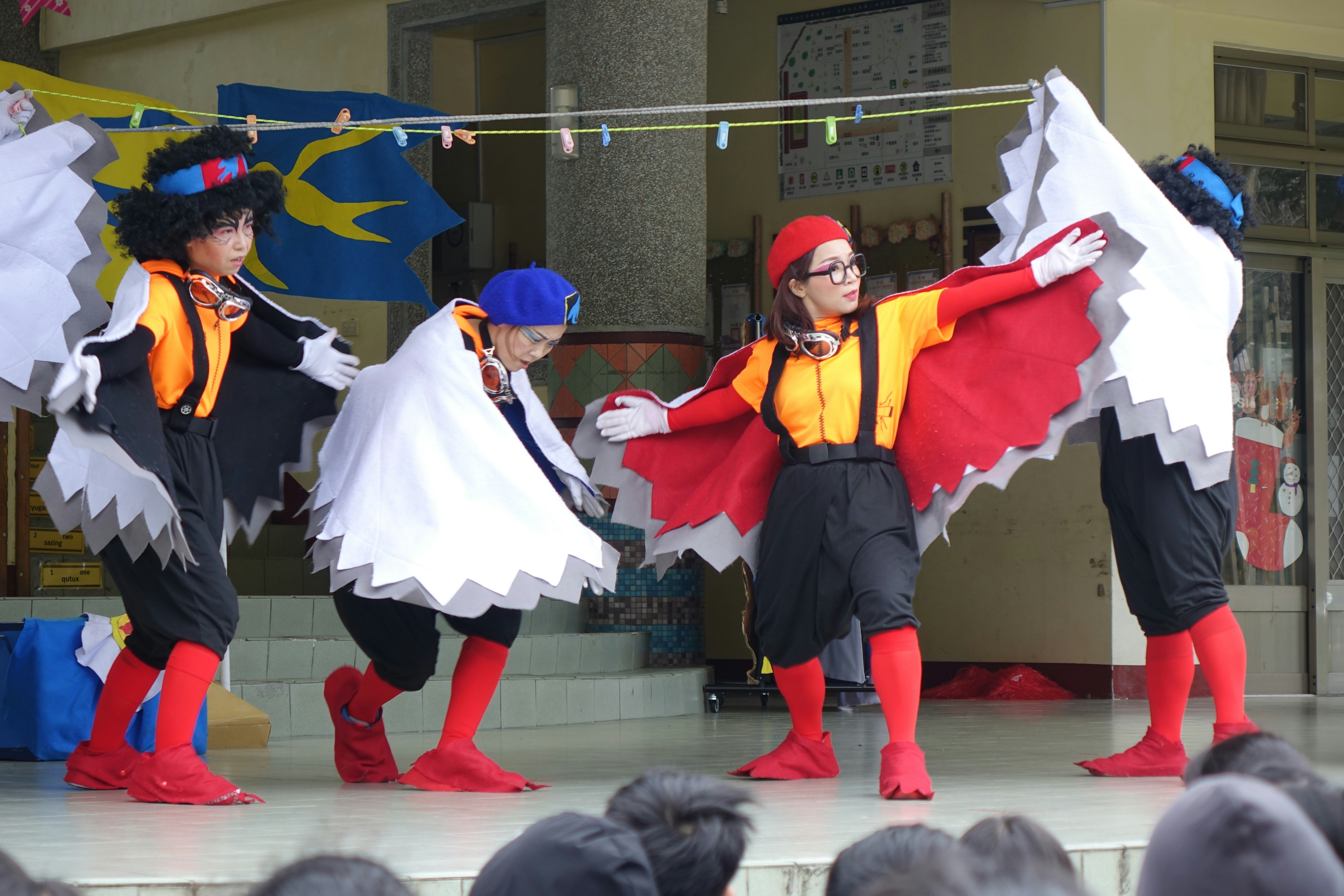
After our deep dive into the world of school play scripts with social justice themes, one thing is crystal clear: these plays are transformative tools that go far beyond entertainment. They foster empathy, spark critical conversations, and empower students to become thoughtful, engaged citizens.
From the poignant The Locker Next 2 Mine—which bravely tackles teen suicide and mental health—to the dynamic ensemble-driven America in One Room that humanizes political divides, the scripts we explored offer diverse, authentic stories that resonate with today’s youth. While some themes can be sensitive and require careful handling, the benefits far outweigh the challenges when educators thoughtfully select and produce these works.
Our educators at School Play Scripts™ confidently recommend embracing social justice theatre as an integral part of your school’s drama program. Whether you’re a seasoned director or a first-time producer, the rich resources and scripts available today make it easier than ever to stage productions that educate, inspire, and unite.
Remember the question we teased earlier: How do you find the perfect script that balances message and artistry? The answer lies in knowing your community, involving your students, and choosing scripts that tell compelling stories with heart. With the guidance and resources we’ve shared, you’re well-equipped to make that choice.
So, go ahead—ignite your stage with stories that matter. Your students and community will thank you.
🔗 Recommended Links for Further Exploration
Ready to explore or purchase some of these incredible social justice scripts? Here are direct links to trusted platforms and related books to deepen your understanding and expand your library:
-
The Locker Next 2 Mine by Jonathan Dorf:
-
America in One Room by Jason Odell Williams:
-
Sweat by Lynn Nottage:
-
Girlhood by Dani Stoller:
-
Techies by Mark Rigney:
-
She Kills Monsters by Qui Nguyen:
-
Educational Resources on Social Justice Theatre:
❓ Frequently Asked Questions About Social Justice School Play Scripts
What are some popular school play scripts with social justice themes?
Some widely acclaimed scripts include The Locker Next 2 Mine by Jonathan Dorf (mental health awareness), America in One Room by Jason Odell Williams (political polarization), Sweat by Lynn Nottage (economic inequality), and Girlhood by Dani Stoller (adolescence and identity). These plays have been praised for their authentic storytelling and ability to engage diverse student bodies.
Where can I find free school play scripts focused on social justice?
While many high-quality scripts require licensing, some platforms offer free or low-cost options:
- Drama Club Resources and Children’s Theatre Scripts sections on School Play Scripts™ sometimes feature free scripts or excerpts.
- Community theatre organizations or local playwrights may share scripts for educational use.
- Public domain classics like A Christmas Carol can be adapted with a social justice lens.
Always verify the rights before public performance.
How do I choose a school play script that promotes diversity and inclusion?
Start by:
- Assessing if the script features authentic, multi-dimensional characters from diverse backgrounds.
- Ensuring the themes address intersectionality and avoid stereotypes.
- Involving students and community members in the selection process to ensure relevance.
- Looking for scripts with flexible casting options to accommodate your student body.
Consult resources like Educational Play Scripts for curated options.
Are there any short social justice plays suitable for elementary students?
Yes! Many one-act or short plays address social justice themes in age-appropriate ways. For example:
- The Kindness Club (available on YouthPlays) focuses on empathy and anti-bullying.
- Adaptations of folk tales or fables can be used to discuss fairness and respect.
Check the Elementary School Plays category for scripts tailored to younger audiences.
What social justice topics are best for middle school play scripts?
Middle schoolers respond well to themes like:
- Bullying and kindness
- Environmental justice
- Friendship across differences
- Fairness and equity
- Identity and belonging
Scripts that balance humor and heart, with clear but nuanced messages, work best.
Can social justice themed scripts be adapted for virtual school performances?
Absolutely! Many schools have successfully transitioned to virtual or hybrid performances by:
- Using video conferencing platforms for rehearsals and performances.
- Adapting staging and blocking for camera angles.
- Incorporating multimedia elements like recorded monologues or digital backgrounds.
Scripts with smaller casts or vignette-style formats (like Girlhood) adapt particularly well.
What are the benefits of using social justice themes in school plays?
Social justice plays:
- Build empathy and social awareness among students.
- Encourage critical thinking about real-world issues.
- Foster inclusive school cultures.
- Provide a platform for underrepresented voices.
- Connect academic learning with community engagement.
These benefits contribute to both personal growth and positive school climate.
📖 Reference Links and Credible Sources
- YouthPlays Official Website
- Playscripts Official Website
- Dramatists Play Service Official Website
- Educational Theatre Association (EdTA)
- Aevidum Mental Health Awareness
- Edutopia: How to Use Play Project-Based Learning
- School Theatre Community Forum: Contemporary Drama for High School
- Teaching Tolerance
- GLSEN – LGBTQ+ Education Resources
These sources provide authoritative information and resources to support your journey in producing impactful social justice theatre at your school.