Support our educational content for free when you purchase through links on our site. Learn more
15 Hilarious Comedy School Play Scripts to Try in 2026 🎭

Looking for the perfect comedy school play script that will have your students and audience rolling in the aisles? You’re in the right place! Whether you’re directing a middle school production or a high school showcase, comedy scripts offer a unique blend of laughter, learning, and unforgettable moments. From uproarious farces to clever parodies, this guide dives deep into the best comedy scripts available today, plus insider tips on casting, directing, and even writing your own.
Did you know that laughter not only boosts morale but also enhances student confidence and teamwork? We’ll reveal how the right script can transform your drama club into a powerhouse of joy and creativity. Plus, stick around for our top 15 comedy scripts that have been tried, tested, and loved by educators nationwide—some might just become your new favorites!
Key Takeaways
- Choose scripts with flexible casting and age-appropriate humor to maximize participation and audience engagement.
- Comedy is more than jokes: strong characters, timing, and physical humor make scripts truly shine.
- Top scripts like 13 Ways to Screw Up Your College Interview and I Hate Shakespeare! are proven crowd-pleasers.
- Directing comedy requires mastering pacing, timing, and encouraging fearless performances.
- Adapting classics and writing your own scripts can personalize the experience and deepen student involvement.
Ready to find your next hit? Dive into our comprehensive guide and get those curtains rising on laughter!
Table of Contents
- ⚡️ Quick Tips and Facts About Comedy School Play Scripts
- 🎭 The Evolution of Comedy in School Plays: A Fun History
- 😂 What Makes a Comedy School Play Script Truly Hilarious?
- 🎬 Top 15 Comedy School Play Scripts for Middle and High School
- 🎭 How to Choose the Perfect Comedy Script for Your School Production
- 📝 Writing Your Own Comedy School Play Script: Tips and Tricks
- 🎤 Directing Comedy School Plays: Bringing the Script to Life
- 👩 🎤 Casting Comedy Roles: Finding the Right Fit for Your Actors
- 🎭 Incorporating Physical Comedy and Improvisation in School Plays
- 🎉 Engaging Your Audience: Comedy Timing and Delivery in School Plays
- 📚 Where to Find and Purchase Quality Comedy School Play Scripts
- 💡 Adapting Classic Comedies for School Audiences
- 🎭 Hundreds of Comedy Plays & Musicals Perfect for Student Actors
- 🎟️ Budget-Friendly Production Ideas for Comedy School Plays
- 🎉 Boosting Student Confidence Through Comedy Performances
- 🛠️ Troubleshooting Common Challenges in Comedy School Productions
- 📖 Recommended Reading: Books and Resources on Comedy Playwriting
- 🎭 Conclusion: Why Comedy School Play Scripts Are a Must-Have
- 🔗 Recommended Links for Comedy School Play Scripts
- ❓ FAQ About Comedy School Play Scripts
- 📚 Reference Links and Further Research
Here at School Play Scripts™, we’ve seen it all: the perfectly timed pratfall, the witty one-liner that brings the house down, and the glorious, chaotic energy of thirty teenagers pretending to be barnyard animals. Finding the right School Play Scripts can feel like a quest, but when it comes to comedy, the payoff is pure gold. Laughter is universal, and a great comedy school play script doesn’t just entertain—it builds confidence, teaches timing, and creates unforgettable memories.
So, grab your rubber chicken and your seltzer bottle, because we’re about to dive into the wonderful, wacky world of comedy scripts for schools. Let’s get this show on the road!
⚡️ Quick Tips and Facts About Comedy School Play Scripts
Pressed for time before the bell rings? Here are the essential takeaways for picking a winner:
- Know Your Audience (and Administration!): A joke that kills in a high school drama club might not fly at a K-5 assembly. Always read the full script to check for age-appropriateness.
- Cast Size Matters: Don’t pick a 30-person farce if you only have 10 dedicated drama students. Many modern scripts from publishers like Theatrefolk offer flexible casting. ✅
- Comedy is More Than Jokes: Look for scripts with strong comedic situations, not just a string of one-liners. Physical comedy, witty banter, satire, and parody are all your friends.
- Technical Requirements: A script calling for complex set changes, trapdoors, and breakaway furniture might be hilarious, but is it feasible for your stage and budget? ❌
- Timing is Everything: A 30-minute one-act is perfect for a competition, while a 90-minute, two-act play is better for a mainstage production. Check the estimated run time.
- Fact Check: The word “comedy” originates from the Ancient Greek word kōmōidía, which means “revel-song.” So, let the revels begin! 🥳
- Popularity Contest: According to data from publishers like Playscripts, Inc., plays by authors like Ian McWethy and Don Zolidis are consistently among the most-produced in U.S. high schools, largely due to their comedic appeal and student-friendly themes.
🎭 The Evolution of Comedy in School Plays: A Fun History
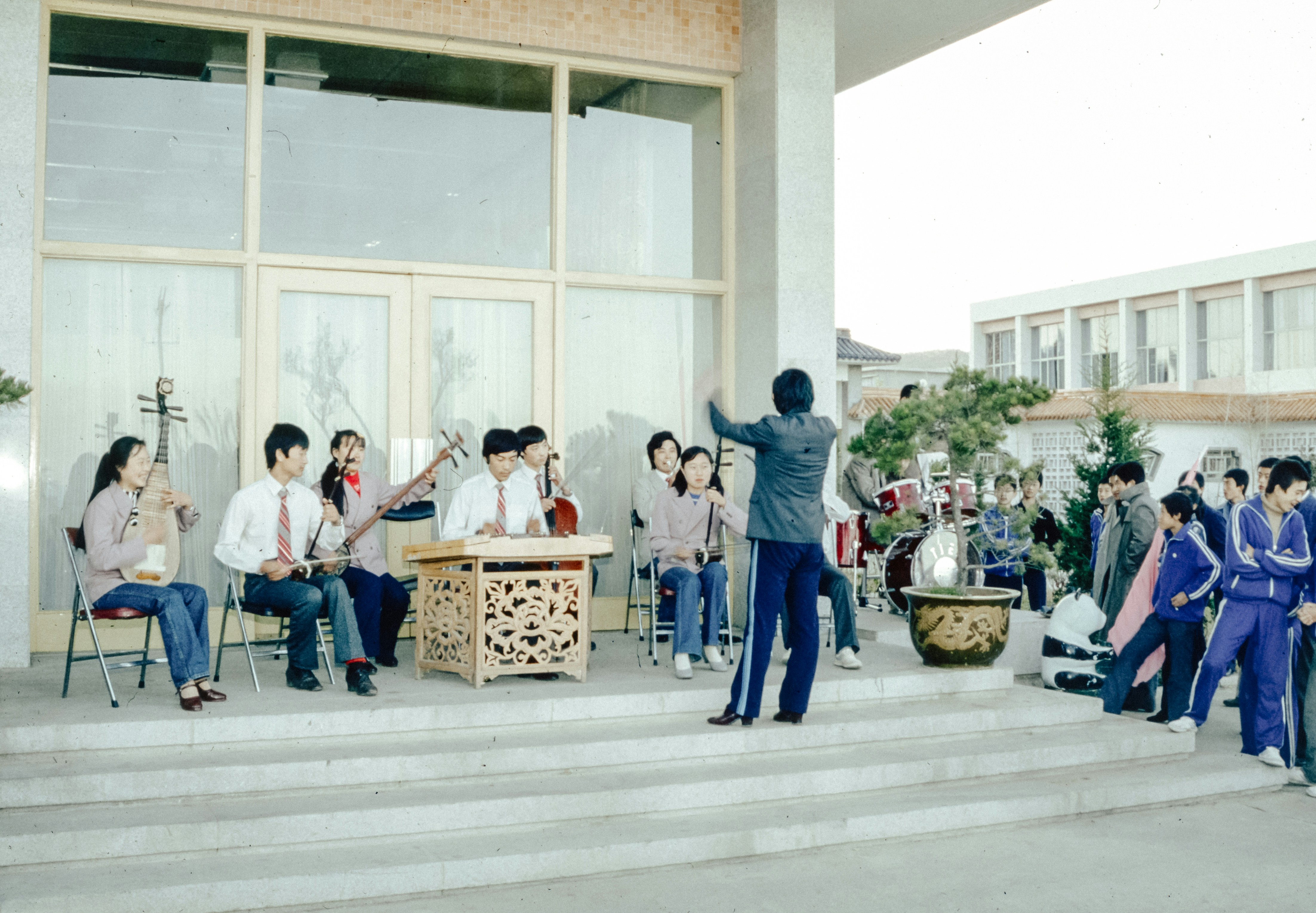
Ever wonder how we got from Greek masks to high schoolers ironically dabbing in a Shakespeare parody? The journey of comedy in education is a wild ride!
In the beginning, there was… well, not much comedy in schools. Early school plays were often stuffy, moralistic affairs designed to teach Latin or biblical virtues. Think less “ha-ha” and more “hark, forsooth.” 📜
But comedy has a way of sneaking in!
- The Shakespearean Shift: While Shakespeare’s tragedies were taught with reverence, his comedies, like A Midsummer Night’s Dream and Twelfth Night, introduced students to witty wordplay, mistaken identities, and slapstick fools. Suddenly, theatre wasn’t just about tragic heroes; it was about Bottom turning into a donkey!
- Vaudeville’s Influence: In the late 19th and early 20th centuries, the fast-paced, sketch-based humor of Vaudeville began to influence popular entertainment. This style of quick gags and physical bits laid the groundwork for the short, punchy comedy skits we often see in school talent shows and drama clubs today.
- The Rise of the “Issue Play” (with a laugh): Post-WWII, playwrights began writing scripts specifically for schools. While many were serious dramas, a new breed of comedy emerged—one that tackled relatable student problems (dating, homework, social anxiety) with a humorous twist. This is the direct ancestor of the modern high school sitcom-style play.
Today, we’re in a golden age of comedy school play scripts. You can find everything from clever parodies of horror movies to absurd comedies about the internet. The goal is no longer just to moralize, but to connect, entertain, and, most importantly, make ’em laugh!
😂 What Makes a Comedy School Play Script Truly Hilarious?
What’s the secret sauce that turns a script from mildly amusing to a side-splitting, can’t-breathe-from-laughing masterpiece? It’s not just one thing, but a cocktail of comedic ingredients. As educators, we look for scripts that blend these elements to create a rich, engaging experience for both student actors and the audience.
The Pillars of a Funny Script
| Comedy Type | What It Is | Why It Works for Schools | Example Play Style |
|---|---|---|---|
| Farce | Over-the-top situations, mistaken identities, slapstick, and rapid-fire entrances/exits. Think slamming doors and ridiculous misunderstandings. | High energy! It’s fantastic for teaching physical comedy and timing. The plots are often simple enough for everyone to follow the chaos. | Noises Off (a professional example), or high-school-friendly farces involving chaotic school events. |
| Satire | Using humor, irony, or exaggeration to expose and criticize foolishness or corruption, often in politics or social issues. | It’s smart! Satire encourages critical thinking and can be a great way to discuss relevant topics in a less preachy way. | A play that pokes fun at social media culture, standardized testing, or school cliques. |
| Parody | An imitation of the style of a particular writer, artist, or genre with deliberate exaggeration for comic effect. | Students love it! Parodying familiar movies, TV shows, or literary classics (hello, Shakespeare!) creates an instant connection with the audience. | The Greek Mythology Olympiaganza by Don Zolidis, which hilariously skewers Greek myths. |
| Wit/Wordplay | Clever, intelligent humor based on puns, double entendres, and sharp, insightful dialogue. | Builds vocabulary and appreciation for language. It challenges actors to focus on delivery and subtext. | Plays inspired by Oscar Wilde or scripts with fast-paced, snappy banter between characters. |
| Character Comedy | Humor derived from the unique, quirky, and often flawed personalities of the characters themselves. | Creates relatable and memorable roles for students to sink their teeth into. It teaches that comedy comes from truth. | Bad Auditions by Bad Actors by Ian McWethy, where the humor comes from the eccentric characters auditioning. |
A truly great comedy script often mixes and matches these. A farce might have witty dialogue, and a parody can be full of hilarious character comedy. The key is finding a script with a strong comedic engine that runs on more than just a few cheap jokes.
🎬 Top 15 Comedy School Play Scripts for Middle and High School
Alright, this is the moment you’ve been waiting for! After directing, reading, and laughing our way through hundreds of scripts, we’ve compiled our “can’t-go-wrong” list. We’ve included perennial favorites from top publishers and a few hidden gems we adore.
-
13 Ways to Screw Up Your College Interview by Ian McWethy
- The Gist: Two college interviewers have seen it all, from overbearing parents to students who are just plain weird. This series of hilarious vignettes shows the absolute worst ways to interview for college.
- Cast: Flexible (2-30+ actors).
- Why We Love It: It’s relatable, structured for easy rehearsals, and a guaranteed crowd-pleaser for students and parents alike. A top performer on Playscripts, Inc..
-
I Hate Shakespeare! by Steph DeFerie
- The Gist: A disgruntled student, forced to do a report on Shakespeare, is visited by characters from his plays who try to convince her of his genius through hilarious, chaotic reenactments.
- Cast: Flexible (15-40+ actors).
- Why We Love It: It’s secretly educational! This is one of the best Educational Play Scripts disguised as pure fun. It makes the Bard accessible and funny.
-
Bad Auditions by Bad Actors by Ian McWethy
- The Gist: A new director tries to cast a community theatre production of Romeo and Juliet, but the actors who show up are… less than ideal. Hilarity ensues.
- Cast: Flexible (10-30 actors).
- Why We Love It: It’s a love letter to the chaos of theatre. Every drama kid will see a bit of themselves (or someone they know) in these wacky characters.
-
The Greek Mythology Olympiaganza by Don Zolidis
- The Gist: Two narrators attempt to race through all of Greek mythology in under an hour. It’s a madcap, anachronistic, and utterly hysterical sprint through the classics.
- Cast: Flexible (2-40 actors).
- Why We Love It: The energy is infectious! It’s fast, furious, and allows for tons of creative freedom with costumes and props.
-
The Internet is Distract–OH LOOK A KITTEN! by Ian McWethy
- The Gist: A student trying to finish her report on The Great Gatsby is constantly derailed by the endless distractions of the internet, from cat videos to Wikipedia rabbit holes.
- Cast: Large, flexible cast (15-40+).
- Why We Love It: It’s painfully relatable for the modern student. The structure allows you to feature many different actors in short, punchy scenes.
-
Check Please by Jonathan Rand
- The Gist: A classic one-act following two characters through a series of disastrous blind dates. From a kleptomaniac to a mime, the dates get progressively worse and funnier.
- Cast: 4M, 4F (can be expanded).
- Why We Love It: It’s a perfect one-act for competitions or a night of short plays. The humor is character-driven and timeless.
-
The Absolutely Insidious and Utterly Terrifying Truth About Cat Hair by Bradley Walton
- The Gist: A hilarious mock-documentary style play that “exposes” the global conspiracy of cat hair trying to take over the world. It’s as absurd as it sounds.
- Cast: Large, flexible cast (10-30+).
- Why We Love It: As Theatrefolk notes, it’s a “large cast, one-act comedy” that’s perfect for a group that loves being silly. It’s pure, unadulterated fun.
-
A Play With Words by Peter Bloedel
- The Gist: A brilliant exploration of puns, idioms, and the literal interpretation of language. Characters get stuck in metaphors and wrestle with figures of speech.
- Cast: Flexible (7-30+ actors).
- Why We Love It: It’s incredibly clever and a fantastic tool for teaching language arts. The humor is smart and rewards an attentive audience. You can see a wonderful full performance in the featured video from Bethany Lutheran College to get a feel for its unique style.
-
10 Ways to Survive the Zombie Apocalypse by Don Zolidis
- The Gist: It’s the end of the world, and a group of survivors demonstrates the ten best (and worst) ways to make it through a zombie infestation.
- Cast: Flexible (8-30+ actors).
- Why We Love It: It cleverly parodies a hugely popular genre. It’s a great opportunity for physical comedy and silly, low-budget special effects.
-
The Brothers Grimm Spectaculathon by Don Zolidis
- The Gist: Similar to his mythology play, this one smashes together 209 fairy tales into a fast-paced, hilarious spectacle. Expect modern twists on classic characters.
- Cast: Flexible (5-30+ actors).
- Why We Love It: It’s a playground for actors. The script encourages improvisation and audience interaction, making every performance unique.
-
Our Place by Terry Wayne Gabbard
- The Gist: A series of five comedic (and sometimes touching) scenes that all take place on the same wooden dock. We see different groups of people interact with the space over time.
- Cast: Flexible (4-25 actors).
- Why We Love It: It has heart. While very funny, it also has moments of genuine connection. It’s a great choice for a group that wants to stretch their acting muscles beyond pure farce.
-
The Craving by Don Zolidis
- The Gist: A group of teenagers is trapped in a mall during a zombie apocalypse, but these zombies don’t want brains… they want junk food. A hilarious satire of consumer culture.
- Cast: Large, flexible cast (10-30+).
- Why We Love It: The premise is fantastic and offers so many opportunities for visual gags with junk food props.
-
Everyone Gets Eaten by Sharks by Marshall Pailet
- The Gist: A comedic musical adventure that parodies disaster movies. A family’s vacation goes horribly wrong in the most over-the-top ways imaginable.
- Cast: 10-20 actors.
- Why We Love It: It’s a musical! If your group loves to sing, this is a fantastic, funny option that isn’t your typical Broadway junior show.
-
The Complete History of America (Abridged) by Adam Long, Reed Martin, and Austin Tichenor
- The Gist: Three actors attempt to cram 600 years of American history into 90 minutes. It’s irreverent, wildly inaccurate, and hysterical.
- Cast: 3 actors (traditionally male, but can be any gender).
- Why We Love It: While written for a small cast, it’s a masterclass in comedic performance. It’s an excellent challenge for advanced students or a small Drama Club Resources group.
-
The Seussification of Romeo and Juliet by Peter Bloedel
- The Gist: “From forth the fatal loins of these two foes, a pair of star-cross’d lovers take their woes.” But what if it was written by Dr. Seuss? This play answers that question with rhyming couplets and whimsical fun.
- Cast: Flexible (10-20 actors).
- Why We Love It: It’s a brilliant parody that makes a classic tragedy accessible and fun for everyone, especially younger audiences who might be watching your Elementary School Plays.
👉 Shop these scripts on:
- Playscripts, Inc.: Search for titles
- Concord Theatricals (for Samuel French & others): Search for titles
- Theatrefolk: Search for titles
- Pioneer Drama Service: Search for titles
🎭 How to Choose the Perfect Comedy Script for Your School Production
Feeling overwhelmed by the options? Don’t worry. Choosing a script is like being a detective. 🕵️ ♀️ You need to gather clues about your cast, your resources, and your goals to find the perfect match.
Here’s our step-by-step guide to cracking the case.
Step 1: Know Your Actors
This is the most important step! You can have the funniest script in the world, but it will fall flat without the right performers.
- Assess Your Talent Pool: Do you have a few standout comedic stars, or a strong ensemble cast where everyone is equally capable? Some plays rely on one or two lead roles (like a witty protagonist), while others spread the funny around.
- Consider Gender and Number: How many students do you have? Are they mostly male, female, or a good mix? Look for scripts with flexible casting (“8M, 10F, 12 either”) if you’re unsure of your final numbers. ✅
- Experience Level: Are your actors seasoned veterans or nervous beginners? A script heavy on complex wordplay might be tough for newcomers, whereas a play with more physical comedy can be a great entry point.
Step 2: Know Your Resources
A Broadway-level comedy might be out of reach, but you can create magic with any budget if you plan wisely.
- The Stage: How big is your performance space? Does it have wings? A backstage area? A script with 15 different locations and complex set changes is a nightmare for a small, simple stage (we call this a “cafetorium”!).
- The Budget: Be realistic about what you can afford for royalties, scripts, costumes, props, and sets. A play set in a modern high school is generally cheaper to costume than a period piece or fantasy parody.
- The Crew: Do you have a student tech crew? A parent volunteer who can build things? If not, look for a “black box” play that requires minimal set pieces.
Step 3: Know Your Audience (and Your Goals)
Who are you performing for? The answer dramatically changes the type of comedy that will work best.
- The School Community: A performance for the entire K-12 student body needs broad, family-friendly humor. A show just for the high school can handle more sophisticated satire and inside jokes.
- Competitions: If you’re entering a one-act festival, you need a script that fits the time limit (usually around 40 minutes) and makes a big impact quickly.
- The Curriculum: Are you trying to support a lesson in English or History class? Choosing a parody like I Hate Shakespeare! or The Greek Mythology Olympiaganza can be a fantastic cross-curricular win.
Our Pro-Tip Checklist:
| Question | ✅ Yes | ❌ No | Why it Matters |
|---|---|---|---|
| Have I read the entire script out loud? | You’ll catch awkward phrasing and jokes that don’t land on the page. | ||
| Does the humor rely on outdated or offensive stereotypes? | A huge red flag. Comedy should punch up, not down. | ||
| Will my principal/administration approve this content? | It’s better to ask for permission than forgiveness. Trust us. | ||
| Does this script genuinely make ME laugh? | If you’re not excited about it, your students won’t be either! |
📝 Writing Your Own Comedy School Play Script: Tips and Tricks
Feeling brave? Want to create a custom-built comedy for your own students? We love that! Writing your own play can be an incredibly rewarding experience. Here are some tips from our team’s resident playwrights.
Start with a Solid “What If?”
The best comedy premises come from a simple, funny question.
- What if the characters from the school’s emergency procedure posters came to life?
- What if a student accidentally hypnotized their principal into thinking he was a chicken?
- What if the lost and found box could talk and decided to get revenge on the students who abandoned their stuff?
Write for the Actors You Have
This is your superpower! You know your students’ strengths.
- Got a student who does amazing impressions? Write a character who is a master of disguise.
- Have a group that excels at physical comedy? Create a scene that involves a chaotic chase or a clumsy attempt to hide something.
- Know a student with killer deadpan delivery? Give them all the sarcastic one-liners.
The Rule of Three is Your Best Friend
In comedy, things are funnier in threes. It’s a classic comedic structure that works.
- Set-up: A character tries to bake a cake. They spill a little flour.
- Anticipation: They try again, but this time they trip and the whole bag of flour goes up in the air.
- Punchline: A third character walks in, completely covered in flour, and says, “Is it snowing?”
Keep it Simple, Silly!
Don’t try to write a complex, multi-act epic for your first play.
- Focus on one location: A classroom, the cafeteria, the principal’s office. This makes staging a breeze.
- Have a clear, simple goal: Someone wants something (to pass a test, to ask someone to the dance) and something is standing in their way (a wacky obstacle, a ridiculous rival).
- Dialogue should sound real: Read your lines out loud. Do they sound like things actual teenagers would say? If not, rewrite them!
One of our teachers, Mrs. Davison, once wrote a 10-minute play for her drama club about what the school mascots talk about in the locker room. It was written specifically for the three students in her club, and it remains one of the funniest and most beloved shows the school has ever done. You don’t need to be Shakespeare; you just need to be authentic and have fun.
🎤 Directing Comedy School Plays: Bringing the Script to Life
You’ve chosen the perfect script. Now comes the fun part: making it funny! Directing comedy is an art form. It’s less about telling actors “be funnier” and more about creating an environment where humor can thrive.
The Director’s Comedy Toolkit
1. Pace, Pace, Pace!
Comedy, especially farce, often relies on a brisk pace.
- Drill the lines: Actors need to know their lines inside and out so they can deliver them without hesitation. A pause in the wrong place can kill a joke.
- Quicken the Cues: The space between one character’s line and the next is crucial. Work on “picking up cues” so the dialogue zips back and forth like a ping-pong match. 🏓
- Know When to Slow Down: Pace doesn’t always mean fast. A perfectly timed, dramatic pause before a punchline can be the funniest moment in the show.
2. Raise the Stakes
Comedy isn’t funny if the characters don’t care. The humor comes from watching people with desperate needs fail spectacularly.
- Ask your actors: “What does your character want in this scene more than anything else in the world?” The answer should never be “to be funny.” It should be “to not get caught,” “to impress that person,” or “to get that sandwich.”
- Create Urgency: Why does it have to happen right now? Add a ticking clock. The principal is coming! The bell is about to ring! The bomb (or maybe just a stink bomb) is about to go off!
3. It’s All Physical
A huge amount of comedy is visual. Don’t let your actors just stand there and talk.
- Give them “business”: Have them be doing something while they talk—trying to fix a broken locker, untangle headphones, or hide a terrible report card. This creates opportunities for physical gags.
- Exaggerate Reactions: A comedic “take” or reaction shot can be funnier than the line itself. Practice double-takes, spit-takes (with water!), and looks of utter panic.
I once directed Check Please, and in one of the disastrous date scenes, I had the actor be obsessed with folding his napkin into increasingly complex origami shapes. He never said a word about it, but his frantic folding while his date described her pet rock collection got one of the biggest laughs of the night. The comedy is in the contrast.
👩 🎤 Casting Comedy Roles: Finding the Right Fit for Your Actors
Casting a comedy is different from casting a drama. You’re not just looking for someone who can cry on cue; you’re looking for someone with that special spark, that innate sense of timing, and a willingness to look completely ridiculous.
Who to Look For at Auditions
- The Fearless One: Who is willing to try anything? Who isn’t afraid to make a weird noise, pull a funny face, or fall down on purpose? Bravery is a key comedic trait.
- The Good Listener: So much of comedy is about reacting. Look for the actor who is genuinely listening to their scene partner, not just waiting for their turn to speak. Their reactions will sell the jokes.
- The “Straight Man” (or Person): Don’t forget to cast the serious character! The “straight man” is the anchor of a comedy scene. Their grounded, realistic reactions make the wacky characters seem even funnier. Think Jim Halpert reacting to Dwight Schrute on The Office.
- The One with “Funny Bones”: This is harder to define, but you know it when you see it. Some people just have a natural rhythm for comedy. They understand the music of a joke without having to be taught.
Audition Activities That Reveal Comedic Chops
Ditch the dramatic monologues for a day. Try these instead:
- Improv Games: Games like “Party Quirks” or “Whose Line Is It Anyway?” are fantastic for seeing who can think on their feet and commit to a character.
- Cold Reading Comedy Scenes: Give them a short, funny scene from a play like Bad Auditions by Bad Actors. See who makes interesting choices and isn’t afraid to go big.
- The “Sell Me This Pen” Test: Give an actor a random object (a pen, a stapler, a shoe) and tell them to sell it to you in a 30-second commercial. This reveals creativity, confidence, and charisma.
Remember, you’re not necessarily casting the “class clown.” The funniest person in the hallway isn’t always the best comedic actor. Look for the student who is playful, collaborative, and coachable.
🎭 Incorporating Physical Comedy and Improvisation in School Plays
Words are only half the battle in comedy. A well-executed trip, a perfectly timed spit-take, or a moment of spontaneous genius from an actor can elevate a good play to a great one. Here’s how to build those skills.
Mastering the Art of Slapstick (Safely!)
Physical comedy, or slapstick, is one of the oldest forms of humor. Think Charlie Chaplin or the Three Stooges. But safety is paramount!
- The “Non-Contact” Fight: Choreograph stage combat carefully. A “slap” should be a “knap”—a sound made by the slapper hitting their own body to create the illusion of impact. Never make actual contact.
- Practice Falling: Teach students how to fall safely. The key is to absorb the impact with the fleshy parts of the body (thighs, buttocks, shoulder blades) and to roll, distributing the force. Start on mats!
- Props are Your Friend: Use props designed for comedy. Breakaway chairs, foam bricks, and rubber chickens are classics for a reason.
Unleashing the Power of Improv
Improvisation isn’t just for warm-ups; it’s a vital tool for actors. It teaches them to listen, be present, and make bold choices.
- “Yes, And…”: This is the golden rule of improv. An actor must accept what their scene partner has offered (“Yes”) and add new information to it (“And…”). This builds a scene collaboratively instead of shutting it down.
- ❌ Bad Example:
- Actor A: “Look out, a giant purple elephant!”
- Actor B: “No, it’s not.” (Scene over.)
- ✅ Good Example:
- Actor A: “Look out, a giant purple elephant!”
- Actor B: “Yes, and it looks like he’s heading for the cupcake factory!” (Now we have a story!)
- ❌ Bad Example:
- Character Building: Use improv to help students discover their characters. Put two characters in a situation not in the script (like waiting in line at the DMV) and see how they interact.
- Saving a Scene: When a line is forgotten or a prop goes missing, improv skills allow actors to save the moment gracefully without the audience ever knowing something went wrong.
One time, during a performance, an actor’s fake mustache started peeling off mid-sentence. Instead of panicking, his scene partner, using his improv skills, ad-libbed, “Good heavens, man! Your caterpillar is escaping!” The audience roared, and it became the most memorable moment of the show. Embrace the unexpected!
🎉 Engaging Your Audience: Comedy Timing and Delivery in School Plays
You can have the best script and the most talented actors, but if the timing is off, the jokes will fall flat. Comedy is a rhythm, a dance between the performers and the audience.
The Science of a Laugh
A joke is a tiny story with a surprise ending. It works by building expectation and then subverting it.
- The Setup: This part of the joke creates a pattern or expectation in the audience’s mind. (“My dog is a terrible chess player…”)
- The Punchline: This breaks the pattern. (“…he only has one pawn.”)
- The Laugh: The laugh is the audience’s reaction to the surprise.
The space between the setup and the punchline is where the magic happens. This is the pause. A pause that’s too short doesn’t give the audience time to process the setup. A pause that’s too long kills the momentum.
How to Teach Comedic Timing
- Use a Metronome: Seriously! Set a metronome during a dialogue-heavy scene to help actors feel the rhythm of the banter. Speed it up, slow it down. Let them feel the difference.
- “Hold for Laughs”: This is a crucial skill. Teach your actors to pause after a punchline and wait for the audience’s laughter to start dying down before delivering the next line. If they talk over the laugh, the next joke will be missed.
- The Rule of Three (Again!): When a joke or a bit is repeated, it gets funnier each time… up to the third time. The first time is funny. The second time is funnier. The third time is hilarious. A fourth time is usually just annoying.
Delivery is Everything
The same line can be hilarious or boring depending on how it’s said.
- Inflection: Where is the emphasis placed in the sentence? “I didn’t steal the cookies” means something different from “I didn’t steal the cookies.”
- Volume: A sudden shout or a conspiratorial whisper can be a powerful comedic tool.
- Pace: Rushing through a line can convey panic, while drawing it out slowly can create delicious anticipation.
Encourage your actors to try delivering a single line in ten different ways: angry, sad, excited, confused, etc. This helps them see that the words are just the starting point.
📚 Where to Find and Purchase Quality Comedy School Play Scripts
So, where do you find these magical documents? The internet is vast and full of options, but not all script providers are created equal. Here are the trusted sources we at School Play Scripts™ turn to again and again.
The Big-Name Publishers
These companies are the gold standard. They have huge catalogs, clear licensing processes, and scripts that have been tested and proven on stages across the country.
- Playscripts, Inc.: A powerhouse for contemporary school plays. They are the home of wildly popular comedy writers like Ian McWethy and Don Zolidis. Their website is easy to search, and you can often read a large portion of the script for free before buying.
- Concord Theatricals: This company represents some of the most famous plays in the world, including the catalogs of Samuel French and Tams-Witmark. You’ll find classic comedies alongside modern hits.
- Theatrefolk: As they say, they provide “plays for student performers.” They specialize in scripts that are written specifically for the challenges and joys of a school setting, with a fantastic selection of comedies.
- Pioneer Drama Service: A long-standing company with a massive catalog of plays and musicals for schools, churches, and community theatres. They have a great selection of family-friendly comedies.
- Off The Wall Plays: An excellent resource for finding everything from short skits to full-length farces. Their site notes they have “a hilarious collection of comedy scripts for all occasions,” and they deliver on that promise with a wide variety of styles.
What to Look for on a Publisher’s Website
- Free Reading Samples: ✅ Never buy a script without reading at least a 10-page sample. Most good publishers offer this.
- Clear Royalty Information: Royalties are the fees you pay for each performance. This should be clearly stated. If it’s hard to find, be wary. ❌
- Casting and Technical Details: The website should list the cast size, estimated run time, and any special set or prop requirements.
- Production Photos and Reviews: Seeing photos from other schools’ productions can give you great ideas and confidence in the script.
💡 Adapting Classic Comedies for School Audiences
Want to introduce your students to Molière, Oscar Wilde, or even Aristophanes without putting them to sleep? Adapting a classic is a fantastic project! It preserves the brilliant comedic structures of the past while making the material fresh and relevant for today.
Why Adapt?
- They’re (Usually) Royalty-Free: Most works written before 1927 are in the public domain, which means you don’t have to pay performance royalties! (Always double-check the status of the specific translation or version you’re using, though).
- Timeless Themes: The plots of plays like Molière’s The Imaginary Invalid (a hypochondriac driving his family crazy) or Wilde’s The Importance of Being Earnest (people lying about their identity to get out of social obligations) are still incredibly relatable.
- A Great Learning Opportunity: Adapting a script is a fantastic exercise for a Drama Club Resources or advanced theatre class.
Tips for a Successful Adaptation
- Modernize the Language (Carefully): You don’t have to rewrite everything in modern slang, but you can simplify archaic sentence structures and swap out obscure words for more common ones. The goal is clarity, not a complete rewrite.
- Update the Setting and Context: What if The Importance of Being Earnest was set among wealthy influencers in modern-day Los Angeles? What if the Greek comedy Lysistrata (where women withhold sex to stop a war) was set during a school’s rival spirit week, with the cheerleaders refusing to cheer until the football players stop fighting?
- Trim the Fat: Classic plays can be long. Don’t be afraid to cut subplots or minor characters to fit a school-friendly run time.
- Punch Up the Physical Comedy: The original scripts often don’t detail the physical gags. This is your chance to add them! Where can you add a spit-take, a trip, or a silly walk?
Remember, the goal is to honor the spirit of the original while making it your own. You’re building a bridge from the past to the present, and comedy is the perfect material to build it with.
🎭 Hundreds of Comedy Plays & Musicals Perfect for Student Actors
The sheer volume of available scripts can feel like drinking from a firehose. But think of it this way: for every possible combination of cast size, budget, and sense of humor, there is a script out there waiting for you.
Finding Your Niche
Beyond the general comedies, you can find scripts that cater to very specific interests, which can be a great way to get different groups of students involved in theatre.
- Sci-Fi & Fantasy Comedies: Plays that parody Star Trek, Lord of the Rings, or superhero movies are a huge hit with students. Check out titles like Captain Bree and Her Lady Pirates or plays that poke fun at fantasy tropes.
- Comedic Mysteries: Who doesn’t love a good “whodunnit?” Comedic murder mysteries like Employees Must Wash Hands… Before Murder combine suspense with laughs and often feature great ensemble casts.
- Holiday Comedies: Every holiday has a comedy script to go with it. From chaotic Christmas pageants to haunted Halloween houses, these are perfect for seasonal, one-off performances.
- Short Skits and 10-Minute Plays: Don’t have time for a full production? A night of short comedy plays is a fantastic alternative. It allows more students to have significant roles and is a great way to showcase a variety of comedic styles. Off The Wall Plays has an excellent selection of short skits.
The key is to think beyond the standard three-act play. The world of Children’s Theatre Scripts and school plays is vast and varied. Explore the catalogs of the publishers we listed, use their search filters, and fall down the rabbit hole. You’re bound to find a gem that feels like it was written just for your group.
🎟️ Budget-Friendly Production Ideas for Comedy School Plays
“We’d love to do a comedy, but we have no budget!” We hear this all the time. The good news is that comedy doesn’t require expensive sets or costumes. In fact, sometimes the funniest ideas are the cheapest!
Sets: Think Simple and Suggestive
- Black Box Style: Use black curtains (or even painted walls) as your backdrop. A few simple blocks, chairs, and a table can become anything—a car, a castle, a spaceship. Let the audience’s imagination do the work.
- Thrift Store Gold: Your local Goodwill or Salvation Army is your best friend. You can find furniture, props, and set dressing for pennies on the dollar.
- Projected Scenery: Have a projector? Use it! You can project images, patterns, or even simple words (“The Principal’s Office”) onto a back wall or screen to set the scene instantly.
Costumes: Character, Not Couture
- Closet Shopping: Most comedies are set in the modern day. Have your actors bring in clothes from their own closets! This is free and ensures the costumes look authentic.
- The Power of One Item: You can define a character with a single, iconic costume piece. A weird hat, a pair of glasses, a ridiculous tie, a brightly colored scarf.
- DIY & Get Creative: Need a suit of armor? Use cardboard and aluminum foil. Need an animal costume? A simple headband with ears and some creative makeup can work wonders. The less polished it looks, the funnier it can be.
Props: The Funnier, the Flimsier
- Go Big or Go Home: Oversized props are inherently funny. A giant toothbrush, a massive cell phone, a tiny little chair for a big person.
- The Element of Surprise: A classic comedy prop is the rubber chicken. Why? Because it’s unexpected. What other silly props can you hide and reveal for a laugh?
- Food Gags: Use fake food whenever possible. A real cream pie is messy and expensive. A pie tin filled with shaving cream is cheap, easy to clean up, and looks great from the stage.
Remember, the audience is there to see your students shine, not to judge your set budget. Creativity and commitment will always trump cash.
🎉 Boosting Student Confidence Through Comedy Performances
Let’s talk about the real magic of doing a comedy. Yes, it’s fun. Yes, the audience has a great time. But the biggest impact is on the students standing in the spotlight. Performing comedy is a powerful engine for personal growth.
The Bravery of Being Silly
It takes a tremendous amount of courage to stand on a stage and be silly on purpose. Unlike drama, where an actor can hide behind tragic emotions, comedy requires a performer to be open, vulnerable, and willing to fail.
- Permission to Fail: In rehearsal, we create a safe space where it’s okay to try a joke and have it fall flat. This teaches resilience. Students learn that failure isn’t the end; it’s just part of the process.
- Owning Your Choices: A successful comedic performance requires an actor to commit 100% to their choices, no matter how ridiculous. This builds self-assurance that translates directly into public speaking and presentation skills.
The Power of a Laugh
There is no feeling in the world like making a room full of people laugh.
- Instant Feedback: When an actor delivers a punchline and hears that wave of laughter, it’s an immediate, tangible validation of their work. It tells them, “I did that. I connected with all these people.”
- Building Empathy: To understand why something is funny, you have to understand the human condition. Comedy teaches students to be keen observers of people and to find the shared experiences that make us all laugh.
We’ve seen the shyest students blossom into confident leaders after starring in a comedy. We’ve watched kids who struggle with academics discover they have a genius for comedic timing. Comedy isn’t just an extracurricular activity; it’s a confidence-building, skill-developing, joy-inducing powerhouse.
🛠️ Troubleshooting Common Challenges in Comedy School Productions
Even with the best script and the most enthusiastic cast, things can go wrong. But don’t panic! Every problem has a solution. Here are some of the common hurdles and how to clear them.
Problem 1: The jokes aren’t landing. The audience isn’t laughing.
- The Cause: This is usually a pacing issue. The actors might be rushing the setup, pausing in the wrong places, or talking over the laughs they do get. It could also be that they don’t understand the joke themselves.
- The Solution: Go back to basics. Do a table read and ask the actors to explain why their lines are funny. Record a rehearsal and watch it back with them. Work on picking up cues and holding for laughs. Sometimes, you just have to trust the material and perform with energy and confidence.
Problem 2: The students are just trying to be “funny” instead of playing their characters.
- The Cause: They’re focused on the result (getting a laugh) instead of the process (playing the character’s objective). This leads to mugging, indicating, and a performance that feels fake.
- The Solution: Raise the stakes! Remind them what their character desperately wants in the scene. The humor should come from the character’s sincere (and failing) efforts to achieve their goal. Give them the note: “Don’t play the comedy. Play the truth of the situation.”
Problem 3: The physical comedy looks awkward and unrehearsed.
- The Cause: Lack of practice and choreography. Slapstick that isn’t precise and well-rehearsed looks sloppy and can be dangerous.
- The Solution: Rehearse physical bits as if they were a dance. Break them down into small, repeatable steps. Drill them over and over until they are second nature. This “slow motion” practice builds muscle memory and ensures everyone’s safety.
Problem 4: The cast is losing energy during a long rehearsal process.
- The Cause: Comedy is exhausting! It requires a high level of energy, and it’s easy to get burned out repeating the same scenes.
- The Solution: Mix it up! Play improv games to get the creative juices flowing. Have a “speed-through” rehearsal where the cast tries to get through the entire play as fast as they can. Or, switch things up and have everyone read a different character’s lines for a scene. Keep it fresh and playful.
Remember, a challenge in rehearsal is just an opportunity to solve a problem. Every director faces these issues. Your calm, positive leadership will set the tone for the entire cast.
📖 Recommended Reading: Books and Resources on Comedy Playwriting
Want to go deeper? For the aspiring playwrights, directors, and comedy nerds in your group, here are some essential reads that break down the art and science of what makes us laugh.
-
The Comic Toolbox: How to Be Funny Even If You’re Not by John Vorhaus
- Why We Recommend It: This is a fantastic, practical guide to the mechanics of comedy. Vorhaus breaks down concepts like “the rule of 9” and “clash of context” in a way that is easy for students to understand and apply.
- 👉 CHECK PRICE on: Amazon
-
Truth in Comedy: The Manual of Improvisation by Charna Halpern, Del Close, and Kim “Biff” Johnson
- Why We Recommend It: This is the bible of long-form improvisation, straight from the creators of the legendary ImprovOlympic in Chicago. It’s essential reading for understanding how to build comedic scenes from the ground up based on character and relationships.
- 👉 CHECK PRICE on: Amazon
-
Save the Cat! The Last Book on Screenwriting You’ll Ever Need by Blake Snyder
- Why We Recommend It: While it’s technically for screenwriting, Snyder’s breakdown of story structure, character archetypes, and genre is incredibly useful for playwrights, too. His “beat sheet” is a brilliant tool for plotting out any story, including a comedy.
- 👉 CHECK PRICE on: Amazon
-
The Kennedy Center’s Digital Resources
- Why We Recommend It: The Kennedy Center’s website offers a wealth of free articles, videos, and lesson plans on all aspects of theatre, including playwriting and directing comedy. It’s a high-quality, reliable resource for educators.
These resources provide the theoretical framework behind all the practical advice we’ve shared. Encouraging students to read about the craft will make them smarter, more intentional performers and creators.
🎭 Conclusion: Why Comedy School Play Scripts Are a Must-Have

Comedy school play scripts are the secret sauce that transforms a school production from a simple performance into a joyous, memorable event. From our extensive experience at School Play Scripts™, we can confidently say that comedy offers something uniquely powerful: it builds confidence, fosters teamwork, and connects students and audiences through laughter.
The positives?
- Flexible casting options make it easy to include all your actors.
- Relatable themes and characters engage students and audiences alike.
- Variety of comedic styles means you can find a script that fits your group’s strengths and your school’s resources.
- Educational value hidden beneath the laughs, especially in parodies and adaptations.
The challenges?
- Comedy requires precise timing and rehearsal to land jokes effectively.
- Some scripts may need adaptation to suit your audience or cast size.
- Physical comedy demands attention to safety and choreography.
But here’s the kicker: with the right script, a dedicated director, and an enthusiastic cast, these challenges become opportunities for growth and creativity. Whether you choose a proven favorite like 13 Ways to Screw Up Your College Interview or dare to adapt a classic with a modern twist, comedy scripts bring energy and joy that resonate far beyond opening night.
Remember the question we teased earlier—What makes a comedy script truly hilarious?—the answer lies in the blend of character truth, timing, and a willingness to embrace the unexpected. So go ahead, pick up that script, rally your cast, and get ready to make your school the happiest place on earth for a few hours. Because nothing beats the sound of a room full of people laughing together.
🔗 Recommended Links for Comedy School Play Scripts
Ready to find your next hit comedy script or deepen your understanding of comedic theatre? Here are some trusted sources and must-have books:
- Playscripts, Inc.: Search Comedy School Play Scripts
- Theatrefolk: Comedy Plays for Student Performers
- Concord Theatricals: Browse Comedy Scripts
- Pioneer Drama Service: Comedy Plays & Musicals
- Off The Wall Plays: Comedy Scripts Collection
Recommended Books on Comedy and Playwriting
-
The Comic Toolbox: How to Be Funny Even If You’re Not by John Vorhaus
Amazon Link -
Truth in Comedy: The Manual of Improvisation by Charna Halpern, Del Close, and Kim “Biff” Johnson
Amazon Link -
Save the Cat! The Last Book on Screenwriting You’ll Ever Need by Blake Snyder
Amazon Link -
Kennedy Center Education Resources
https://www.kennedy-center.org/education/
❓ FAQ About Comedy School Play Scripts

Are there any comedy school play scripts that incorporate music and dance?
Absolutely! Many comedy scripts include musical numbers or dance sequences to enhance the humor and energy. For example, Everyone Gets Eaten by Sharks by Marshall Pailet is a comedic musical adventure perfect for schools with strong singers and dancers. Additionally, The Twelve Days of Christmas Goes on Strike from Theatrefolk combines comedy with musical elements in a one-act format. When selecting a script with music and dance, consider your cast’s talents and your technical resources for sound and choreography.
What are some comedy play scripts with small casts for smaller schools?
Small cast comedies are a blessing for schools with limited actors. Titles like Check Please by Jonathan Rand (4-8 actors) and The Complete History of America (Abridged) by Adam Long, Reed Martin, and Austin Tichenor (3 actors) are excellent choices. These plays focus on sharp dialogue and character-driven humor, making them ideal for tight-knit casts. Websites like Theatrefolk and Playscripts allow filtering by cast size to help you find the perfect fit.
How do I choose a comedy script suitable for my school’s age group?
Age-appropriateness is key. For elementary students, look for scripts with simple language, clear morals, and physical comedy, such as The Seussification of Romeo and Juliet by Peter Bloedel. Middle and high school scripts can handle more sophisticated humor, satire, and themes, like I Hate Shakespeare! or Bad Auditions by Bad Actors. Always read the full script and consider your school’s values and audience expectations. Many publishers provide content warnings and recommended age ranges.
Can I adapt a famous comedy into a school play script?
Yes! Adapting classics like Shakespeare or Molière is common and encouraged, especially since many older works are public domain. When adapting, modernize language, update settings, and trim length to suit your cast and audience. For example, The Seussification of Romeo and Juliet cleverly adapts Shakespeare with whimsical rhymes and is perfect for younger performers. Just ensure you respect copyright if using modern translations or adaptations.
What are the best one-act comedy plays for high school students?
One-act comedies are perfect for festivals and quick showcases. Top picks include 13 Ways to Screw Up Your College Interview by Ian McWethy, The Absolutely Insidious and Utterly Terrifying Truth About Cat Hair by Bradley Walton, and Check Please by Jonathan Rand. These plays offer flexible casting, manageable run times, and lots of laughs. Check Playscripts and Theatrefolk for curated one-act comedy collections.
How can I find free comedy play scripts for schools?
Free scripts are available but often come with limitations. Websites like Drama Notebook and Lazy Bee Scripts offer some free or low-cost scripts. Public domain classics (pre-1927) can be adapted freely, but modern scripts usually require licensing. Always verify the rights before performing. For quality and legal assurance, purchasing scripts from reputable publishers is recommended.
What are some popular comedy scripts for school plays?
Popular scripts often have flexible casting, relatable humor, and proven success. Favorites include Bad Auditions by Bad Actors, I Hate Shakespeare!, The Greek Mythology Olympiaganza, and Employees Must Wash Hands… Before Murder by Don Zolidis. These plays have thousands of performances nationwide and are praised for their humor and accessibility.
Where can I find free comedy school play scripts online?
While free scripts exist, they are mostly classics or very short skits. Resources like Project Gutenberg offer public domain plays, and some educational sites provide short scripts for classroom use. However, for full-length, contemporary comedy scripts suitable for school productions, licensed scripts from publishers like Playscripts or Theatrefolk are the best bet.
What are the best comedy scripts for elementary school plays?
Elementary scripts should be simple, silly, and engaging. Titles like The Seussification of Romeo and Juliet and many of Don Zolidis’s children’s comedies fit the bill. Look for scripts with physical comedy, rhymes, and clear character roles. Check out the Elementary School Plays category for curated options.
How do I choose the right comedy script for a school play?
Consider your cast size, age, talent level, technical resources, and audience. Read scripts thoroughly, watch or listen to performances if available, and consult with your cast and crew. Prioritize scripts with flexible casting and manageable production demands. Use our step-by-step guide in the article for a systematic approach.
Are there short comedy scripts suitable for school performances?
Yes! Short plays and skits are perfect for classroom activities, festivals, or variety shows. Titles like 30 Silly Skits or Answer the Question from Off The Wall Plays offer quick, punchy comedic moments. These are great for involving many students and building confidence in a low-pressure setting.
Can I get scripts for comedy school plays with diverse characters?
Absolutely. Many modern playwrights and publishers emphasize diversity and inclusion. Look for scripts that feature characters of various backgrounds, genders, and abilities. Publishers like Playscripts and Theatrefolk often tag scripts with diversity notes or provide filters to help you find inclusive plays.
What are some popular comedy school play scripts for middle school?
Middle schoolers thrive on humor that’s clever but accessible. Popular titles include The Greek Mythology Olympiaganza, Bad Auditions by Bad Actors, and I Hate Shakespeare!. These plays balance silly antics with smart humor and offer flexible casting. Check out the Educational Play Scripts category for more middle school-friendly options.
How do I adapt a comedy script for a school play production?
Adaptation involves tailoring the script to your cast, audience, and resources. This may mean cutting scenes, simplifying language, adjusting jokes for appropriateness, or modifying characters for your cast’s demographics. Always respect copyright and seek permission if required. Start by reading the entire script, then identify areas needing change, and workshop those with your cast. Keep the spirit and humor intact while making it your own.
📚 Reference Links and Further Research
- Playscripts, Inc. – High School Comedy Plays
- Off The Wall Plays – Comedy Scripts
- Theatrefolk – Comedy Plays for High School and Middle School
- Kennedy Center Education Resources
- Ancient Greek Comedy – Britannica
- Project Gutenberg – Public Domain Plays
- Lazy Bee Scripts – Free and Low-Cost Scripts
- Drama Notebook – Free Scripts and Drama Resources
These resources provide authoritative information, script options, and educational materials to support your journey in producing comedy school plays that delight, educate, and inspire.
We hope this comprehensive guide has you laughing and ready to bring the best comedy scripts to your school stage. Break a leg! 🎭😂