Support our educational content for free when you purchase through links on our site. Learn more
What Is a Very Short Play in English? 🎭 Discover 10 Must-Know Facts (2026)

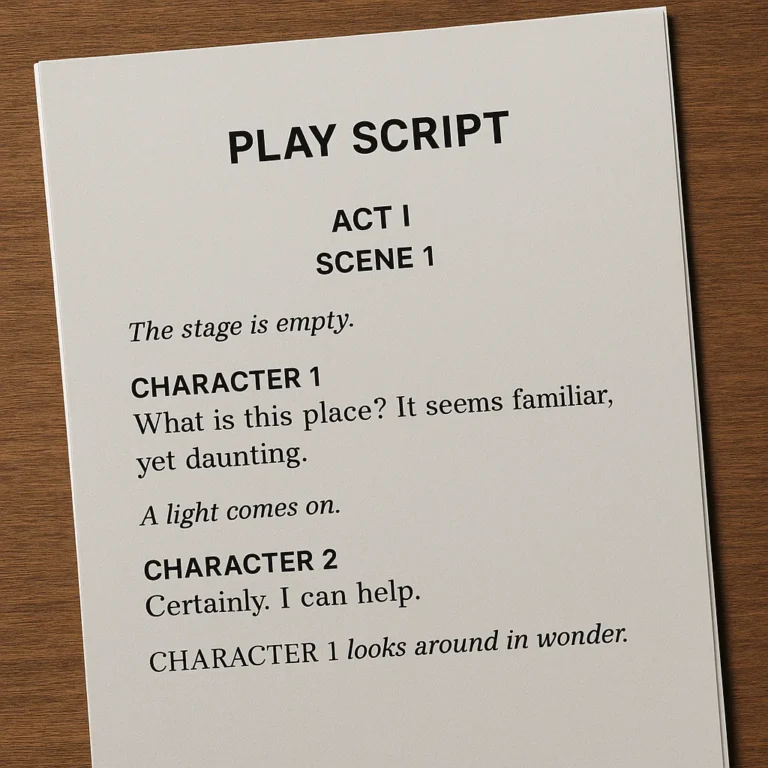
Have you ever stumbled upon a play so brief it feels like a theatrical lightning bolt—striking fast, leaving you breathless, and craving more? Welcome to the fascinating world of very short plays in English! These miniature dramas, often lasting less than 15 minutes, are the perfect blend of storytelling precision and emotional impact. Whether you’re a teacher hunting for the perfect classroom script, a budding playwright eager to craft your first piece, or simply curious about this theatrical art form, you’re in the right place.
In this article, we’ll unravel what makes a very short play tick, explore its rich history, spotlight famous examples, and share insider tips on writing and performing them. Plus, we’ll guide you to the best resources for finding scripts that fit your needs. Spoiler alert: these tiny plays pack a punch far bigger than their runtime suggests!
Key Takeaways
- Very short plays typically run between 5 and 15 minutes, focusing on a single scene and a small cast.
- They are ideal for educational settings, drama clubs, and quick performances due to their simplicity and accessibility.
- Famous playwrights like Anton Chekhov and Edward Albee have crafted iconic short plays that continue to inspire.
- Writing a very short play requires concise dialogue, focused conflict, and a strong emotional or thematic core.
- These plays are budget-friendly and flexible, making them perfect for beginners and seasoned performers alike.
Ready to dive deeper? Keep reading to unlock everything you need to know about very short plays in English—and maybe even write your own!
Table of Contents
- ⚡️ Quick Tips and Facts About Very Short Plays
- 🎭 What Exactly Is a Very Short Play? Defining the Miniature Drama
- 📜 A Brief History of Short Plays and One-Act Wonders
- 📝 Top 10 Characteristics of a Very Short Play You Should Know
- 🎬 Famous Very Short Plays in English Literature and Theatre
- ✍️ How to Write a Very Short Play: Tips from the Pros
- 🎭 Uses and Benefits of Very Short Plays in Education and Theatre
- 📚 Where to Find and Browse Very Short Plays Online and in Print
- 🎉 Fun and Easy Very Short Plays for Kids and Beginners
- 🛠️ Adapting Stories and Poems into Very Short Plays
- 🎭 Performance Tips: Bringing Very Short Plays to Life on Stage
- 🧐 Common Questions About Very Short Plays Answered
- 🔚 Conclusion: Why Very Short Plays Matter in Theatre and Learning
- 🔗 Recommended Links for Very Short Play Resources
- ❓ FAQ: Your Burning Questions About Very Short Plays
- 📖 Reference Links and Further Reading
⚡️ Quick Tips and Facts About Very Short Plays
Welcome to the world of very short plays—those bite-sized theatrical gems that pack a punch in just a few minutes! At School Play Scripts™, we often get asked: What exactly is a very short play? Well, here’s a quick rundown to get you started:
- Duration: Usually between 5 to 15 minutes, sometimes even shorter. Think of them as theatrical espresso shots ☕️—short, intense, and energizing.
- Format: Often one act, with minimal scenes and a small cast.
- Purpose: Perfect for classroom exercises, drama club warm-ups, or festivals where time is tight.
- Common synonyms: One-act play, mini-play, sketch, vignette.
- Focus: Usually centers on a single idea, moment, or conflict—no room for fluff!
- Accessibility: Great for beginners and young actors, as well as seasoned performers looking for a quick challenge.
- Production: Requires minimal props and set design, making it budget-friendly and easy to stage.
Fun Fact: According to the Cambridge Dictionary Thesaurus, very short plays are “ideal for showcasing a single scene or idea without extensive setup” (source).
If you’re curious about how these plays fit into the bigger theatrical picture, keep reading—we’re just getting started! And if you want some ready-to-go scripts, check out our curated collection of Educational Play Scripts and Elementary School Plays.
🎭 What Exactly Is a Very Short Play? Defining the Miniature Drama
Let’s peel back the curtain and get to the heart of what makes a very short play tick.
The Nuts and Bolts of a Very Short Play
- Length: Typically under 15 minutes, often just one scene.
- Structure: Usually a single act with a straightforward plot.
- Characters: Small cast size, often 2–4 characters to keep things tight.
- Plot: Focused on a single conflict or theme, no subplots.
- Dialogue: Crisp, purposeful, and revealing character or advancing the plot quickly.
- Stage Directions: Minimal, to keep the flow fast and simple.
Think of it as a theatrical haiku—every word and gesture matters. Unlike a full-length play that might explore multiple themes and complex character arcs, a very short play zooms in on one moment or idea.
Why Are They So Popular?
- Educational Value: Teachers love them for quick lessons on dialogue, character, and conflict.
- Performance Ease: Perfect for school assemblies, festivals, or even online performances.
- Creative Challenge: Writers get to flex their storytelling muscles in a tight space.
If you want a deeper dive into the anatomy of plays, check out this YouTube video that breaks down the elements of a play, from acts and scenes to the mysterious “fourth wall.”
📜 A Brief History of Short Plays and One-Act Wonders
Short plays have been around almost as long as theatre itself, evolving alongside their longer cousins.
Origins and Evolution
- Ancient Roots: Early Greek and Roman theatre included short satirical sketches called satyr plays.
- 19th Century: The one-act play gained popularity as a form for experimental and avant-garde theatre.
- 20th Century: Playwrights like Anton Chekhov and Eugène Ionesco popularized the short play format with works like The Bear and The Bald Soprano.
- Modern Day: Short plays are staples in drama festivals, educational settings, and online theatre.
Why Did Short Plays Flourish?
- Economic Factors: Easier and cheaper to produce.
- Audience Attention: Shorter attention spans in modern audiences.
- Creative Expression: A playground for playwrights to experiment with form and content.
For a taste of iconic short plays, you might want to explore classics like Edward Albee’s The Zoo Story or check out our Drama Club Resources for scripts that have stood the test of time.
📝 Top 10 Characteristics of a Very Short Play You Should Know
Here’s a handy checklist to identify or write a very short play:
| # | Characteristic | Explanation |
|---|---|---|
| 1 | Brief Duration | Usually 5–15 minutes, no more. |
| 2 | Single Act | No scene changes or multiple acts. |
| 3 | Limited Characters | Small cast, often 2–4 actors. |
| 4 | Focused Plot | One main conflict or idea. |
| 5 | Minimal Set | Simple or symbolic stage design. |
| 6 | Concise Dialogue | Every line drives the story forward or reveals character. |
| 7 | Clear Beginning & End | Fast setup and resolution. |
| 8 | Strong Theme | A clear message or emotional impact. |
| 9 | Flexible Performance | Can be staged with minimal rehearsal or props. |
| 10 | Educational Use | Often used in classrooms for drama exercises or teaching literary concepts. |
These traits make very short plays versatile tools for educators and theatre groups alike. They’re a perfect fit for quick performances, competitions, or even online streaming events.
🎬 Famous Very Short Plays in English Literature and Theatre
Wondering which plays made the cut as memorable short works? Here are some classics and crowd-pleasers:
| Play Title | Playwright | Approximate Length | Why It’s Famous |
|---|---|---|---|
| The Zoo Story | Edward Albee | ~30 minutes | A powerful exploration of loneliness and human connection. |
| The Bear | Anton Chekhov | ~15 minutes | A comedic one-act about love and money. |
| The Bald Soprano | Eugène Ionesco | ~20 minutes | A cornerstone of absurdist theatre. |
| Trifles | Susan Glaspell | ~15 minutes | A feminist classic highlighting gender dynamics. |
| Sure Thing | David Ives | ~10 minutes | A witty play about second chances and communication. |
These plays are often performed in schools, community theatres, and festivals because they are short but rich in content. They also serve as excellent examples when writing your own very short play.
If you want to explore more, our Children’s Theatre Scripts collection has many short plays suitable for young actors.
✍️ How to Write a Very Short Play: Tips from the Pros
Writing a very short play is like crafting a perfect tweet—it’s all about economy and impact.
Step-by-Step Guide
- Choose a Single Idea or Conflict: What’s the one moment or message you want to convey?
- Limit Your Characters: Stick to 2 or 3 to keep the dialogue tight.
- Outline the Plot: Setup → Conflict → Resolution, all within a few pages.
- Write Crisp Dialogue: Every line should reveal character or advance the story.
- Use Minimal Stage Directions: Let the actors and director fill in the blanks.
- End with a Punch: A twist, a question, or a powerful statement to leave the audience thinking.
Pro Tips from Our Educators
- Keep it relatable: Use situations your audience can connect with.
- Focus on emotion: Even a short play should evoke laughter, sadness, or surprise.
- Test it out loud: Read it with friends or students to check pacing and clarity.
For inspiration and ready-made scripts, explore our Drama and Theatre Lesson Plans which include writing exercises and examples.
🎭 Uses and Benefits of Very Short Plays in Education and Theatre
Why do teachers and directors love very short plays? Here’s the scoop:
Educational Benefits
- Builds Confidence: Short plays let students perform without overwhelming them.
- Teaches Dramatic Structure: Perfect for introducing concepts like conflict and climax.
- Encourages Creativity: Students can write, direct, or act in manageable chunks.
- Fits Tight Schedules: Ideal for class periods or quick performances.
Theatre and Community Uses
- Festival Friendly: Many theatre festivals feature short play categories.
- Warm-Up Exercises: Great for rehearsals and drama club activities.
- Accessible for All Ages: From elementary school to adult community theatre.
- Budget-Friendly: Minimal props and sets reduce costs.
Our team’s experience shows that very short plays are often the gateway to a lifelong love of theatre. They’re a fantastic way to engage reluctant performers or busy schools.
📚 Where to Find and Browse Very Short Plays Online and in Print
Looking for scripts? Here’s where to find them:
| Source | Description | Link |
|---|---|---|
| School Play Scripts™ | Curated collections for schools and drama clubs. | schoolplayscripts.org |
| Lazy Bee Scripts | Large catalog of short plays for all ages. | lazybeescripts.co.uk |
| Playscripts, Inc. | Contemporary short plays and monologues. | playscripts.com |
| Amazon Books | Search for “short plays” or “one-act plays.” | amazon.com |
| Samuel French / Concord Theatricals | Classic and modern plays for licensing. | concordtheatricals.com |
Pro Tip: Many short plays are available royalty-free or under creative commons licenses for educational use. Always check the rights before performing publicly.
For a quick start, explore our Elementary School Plays section, perfect for very short, simple scripts.
🎉 Fun and Easy Very Short Plays for Kids and Beginners
If you’re teaching young actors or newbies, very short plays are your best friends. Here are some favorites:
- “The Magic Paintbrush” — A simple tale with a moral, perfect for grades 1-3.
- “Lost and Found” — A 10-minute play about friendship and honesty.
- “The Talking Tree” — A whimsical story with only 3 characters.
- “The Surprise Party” — Great for introducing comedic timing.
These plays are designed with easy language, few characters, and minimal props. They help kids build stage confidence and teamwork skills.
Check out our full list of Children’s Theatre Scripts for more kid-friendly options.
🛠️ Adapting Stories and Poems into Very Short Plays
Want to turn your favorite short story or poem into a play? Here’s how:
Step 1: Identify the Core Moment
Find the pivotal scene or emotional peak that can stand alone.
Step 2: Select Key Characters
Focus on the essential characters to keep it manageable.
Step 3: Write Dialogue
Convert narration or poetic lines into spoken dialogue or monologues.
Step 4: Simplify Stage Directions
Use minimal settings and props to keep the focus on the story.
Step 5: Test and Revise
Read aloud and adjust for pacing and clarity.
Example: The poem “The Road Not Taken” by Robert Frost can inspire a short play about choices, with two characters debating paths.
Our educators have successfully adapted classic tales for school performances, proving this method sparks creativity and deepens literary understanding.
🎭 Performance Tips: Bringing Very Short Plays to Life on Stage
Short plays may be brief, but they demand full commitment from actors and directors.
Key Performance Tips
- Rehearse the Pacing: Timing is everything in a short play; avoid dragging or rushing.
- Focus on Characterization: Even with limited time, actors should develop clear, distinct characters.
- Use Minimal Props Creatively: A chair can become a throne or a bench with the right imagination.
- Engage the Audience Quickly: Start strong to hook viewers immediately.
- Embrace Simplicity: Don’t overcomplicate; let the script shine.
Our drama coaches recommend running a “table read” first, then a few rehearsals focusing on blocking and expression. For more performance resources, visit our Drama and Theatre Lesson Plans.
🧐 Common Questions About Very Short Plays Answered
Q: How long is a very short play?
A: Typically 5 to 15 minutes, but some can be as short as 2 minutes.
Q: Can very short plays have multiple scenes?
A: Usually no. They focus on a single scene to keep things simple.
Q: Are very short plays suitable for beginners?
A: ✅ Absolutely! They’re perfect for new actors and writers.
Q: What’s the difference between a short play and a one-act play?
A: They’re often used interchangeably, but one-act plays can be longer (up to 30 minutes), while very short plays are usually under 15 minutes.
Q: Can I perform a very short play online?
A: ✅ Yes! Their brevity makes them ideal for virtual performances and social media.
Q: Where can I find scripts for very short plays?
A: Check out our Educational Play Scripts and Children’s Theatre Scripts collections.
Still curious? The next section will guide you to the best places to browse and buy these scripts.
🔚 Conclusion: Why Very Short Plays Matter in Theatre and Learning
So, what’s the big deal about very short plays? As we’ve explored, these miniature marvels are powerful tools for storytelling, education, and performance. Their brevity doesn’t mean they lack depth—in fact, the challenge of conveying a meaningful story in just minutes often makes them more impactful than longer works.
From our experience at School Play Scripts™, very short plays are perfect for classrooms, drama clubs, and festivals. They offer accessibility for beginners, flexibility for busy schedules, and a creative playground for writers and actors alike. Whether you’re adapting a poem, staging a quick performance, or teaching dramatic structure, these plays deliver big returns on small investments.
If you’re still wondering how to get started or where to find scripts, remember: the best very short plays are those that resonate with your audience and performers. Keep it simple, focused, and fun—and you’ll be amazed at the magic that unfolds in just a few minutes on stage.
Ready to dive in? Check out our recommended resources below to find scripts, inspiration, and expert guidance. Your next unforgettable play might just be a very short one!
🔗 Recommended Links for Very Short Play Resources
Looking for the best places to browse and buy very short plays? Here are some top picks from our educators’ toolkit:
-
School Play Scripts™ Collections:
Educational Play Scripts | Elementary School Plays | Children’s Theatre Scripts -
Lazy Bee Scripts:
A vast catalog of short plays for all ages and occasions.
Shop Lazy Bee Scripts on Amazon -
Playscripts, Inc.:
Contemporary short plays and monologues for various skill levels.
Shop Playscripts on Amazon -
Samuel French / Concord Theatricals:
Licensing and scripts for classic and modern plays.
Concord Theatricals Official Website -
Books on Writing and Performing Short Plays:
- The Art of the One-Act Play by Dan Dietz
- Short Play Scripts for Kids by various authors (search on Amazon)
- The One-Act Play Companion by Michael J. Greenwald
👉 CHECK PRICE on:
❓ FAQ: Your Burning Questions About Very Short Plays
What are some examples of very short plays for school?
Some classic and accessible examples include:
- The Bear by Anton Chekhov (about 15 minutes)
- Sure Thing by David Ives (around 10 minutes)
- The Magic Paintbrush (a simple original for young kids)
- Lost and Found (a short play about friendship)
These plays are great for schools because they have small casts, simple sets, and clear themes. You can find many similar scripts in our Educational Play Scripts collection.
Where can I find scripts for short English plays?
You can find very short play scripts in several places:
- School Play Scripts™ offers curated, school-friendly scripts.
- Lazy Bee Scripts and Playscripts, Inc. have extensive catalogs online.
- Amazon sells collections of short plays and anthologies.
- Concord Theatricals provides licensing for many popular short plays.
For free or royalty-free scripts, check educational websites or public domain collections, but always verify performance rights.
How long should a very short play be for a school performance?
Typically, very short plays run between 5 and 15 minutes. This length fits well into class periods or assembly slots and keeps young actors engaged without fatigue. One-act plays may be longer (up to 30 minutes), but very short plays focus on brevity and impact.
Can very short plays be adapted for different age groups?
✅ Absolutely! One of the beauties of very short plays is their flexibility. You can:
- Simplify language and themes for younger children.
- Add complexity or mature themes for older students or adults.
- Adjust cast size or roles to fit your group.
Many educators adapt classic short plays or write original scripts tailored to their performers’ ages and abilities.
How do very short plays benefit drama education?
Very short plays help students learn:
- Basic dramatic structure (beginning, middle, end)
- Character development in a manageable format
- Collaboration and teamwork in small casts
- Public speaking and confidence through quick performances
They’re also excellent for introducing students to theatre without overwhelming them.
📖 Reference Links and Further Reading
For further verification and exploration, check out these reputable sources:
-
Cambridge Dictionary Thesaurus on Short Plays:
https://dictionary.cambridge.org/us/thesaurus/short-play -
Literary Hub’s list of iconic short stories (great for adaptation inspiration):
https://lithub.com/43-of-the-most-iconic-short-stories-in-the-english-language/ -
Lazy Bee Scripts official site:
https://www.lazybeescripts.co.uk/ -
Playscripts, Inc. official site:
https://www.playscripts.com/ -
Concord Theatricals (Samuel French) official site:
https://www.concordtheatricals.com/ -
Amazon search for short play collections:
https://www.amazon.com/s?k=short+plays+one+act&tag=bestbrands0a9-20
Thanks for joining us on this theatrical journey! Whether you’re a teacher, student, or theatre enthusiast, very short plays offer a world of creativity in a nutshell. Ready to find your next script? Dive into our collections and start your mini drama adventure today! 🎭✨