Support our educational content for free when you purchase through links on our site. Learn more
🎥 Video Recording Rights for School Plays: 7 Must-Know Facts (2026)

Imagine this: your school’s dazzling production of Annie Jr. just wrapped, and you’re eager to share the magic with proud parents and distant relatives via video. You hit “record” and post the performance online—only to receive a stern takedown notice from the rights holder within days. Ouch! What went wrong?
Welcome to the surprisingly complex world of video recording rights for school plays. At School Play Scripts™, we’ve seen countless educators and drama coordinators stumble over the legal minefield of filming school productions. The truth is, owning the script or performance license rarely means you can freely record or distribute the show. But don’t worry—we’re here to unravel the mystery, share insider tips, and help you navigate the process like a pro.
In this guide, you’ll discover:
- Who really owns the video rights behind your favorite school plays
- The 7 essential steps to secure legal permission to film
- How to avoid common pitfalls that could cost your school big fines
- Smart alternatives if traditional licensing feels like a brick wall
Stick around for our expert advice on equipment, consent forms, and digital sharing—because capturing your school’s theatrical magic on video should be a celebration, not a legal headache!
Key Takeaways
- Video recording rights are separate from performance rights; you must obtain explicit permission to film and distribute school plays.
- Most publishers (MTI, Concord, Dramatic Publishing) require a separate video license, often at an additional cost.
- Always collect signed media consent forms from all participants to protect privacy and comply with laws.
- Use secure, limited-access platforms for sharing videos to avoid copyright violations.
- Consider Creative Commons scripts or original works if you want hassle-free video rights.
- Early communication with licensing agents and thorough contract review can save your school from costly legal trouble.
Ready to become the video rights guru your school drama club needs? Let’s dive in!
Table of Contents
- ⚡️ Quick Tips and Facts About Video Recording Rights for School Plays
- 🎭 Understanding the Legal Backdrop: Copyright and Performance Rights in School Plays
- 📜 Who Owns the Video Recording Rights? Breaking Down the Stakeholders
- 🔍 7 Essential Steps to Secure Video Recording Permissions for School Productions
- 🎥 Video Recording of School Plays: Best Practices and Legal Considerations
- 💡 Creative Commons and Licensing Alternatives for School Play Videos
- 🛑 Common Pitfalls and How to Avoid Legal Trouble When Filming School Plays
- 📚 Educational Fair Use: Can You Record and Share School Play Videos?
- 🎬 Choosing the Right Equipment and Software for Recording School Plays
- 👩🏫 Tips for Teachers and Drama Coordinators: Managing Video Rights and Permissions
- 🌐 Digital Distribution: Streaming, Uploading, and Sharing School Play Videos Legally
- 🔒 Privacy Concerns and Consent Forms: Protecting Students and Schools
- 📞 Need Help? Who to Contact for Video Recording Rights and Legal Advice
- 🎟️ Membership and Resources: Organizations Supporting School Theater and Video Rights
- 🔍 Conclusion: Navigating Video Recording Rights for School Plays with Confidence
- 🔗 Recommended Links and Resources for Video Recording Rights
- ❓ Frequently Asked Questions (FAQ) About Video Recording Rights for School Plays
- 📖 Reference Links and Legal Sources on Video Recording and Copyright
⚡️ Quick Tips and Facts About Video Recording Rights for School Plays 🎬
- Fact: Most school play scripts you buy or license do NOT automatically grant you the right to film, stream, or post the performance online.
- Fact: Even if you bought the school play scripts yourself, the video recording rights are usually retained by the publisher or author.
- Fact: A single unauthorized upload to YouTube can (and has) triggered takedown notices, fines, and even revoked future performance rights for entire districts.
- Fact: “Archival copy” is not a legal term—if the contract doesn’t explicitly say you may record, you may not record.
- Quick checklist before you hit “record”:
✅ Read your performance contract—twice.
✅ Ask the licensing agent for a separate video license (many have one, but you have to request it).
✅ Collect signed media consent forms from every student and adult on stage or behind the scenes.
✅ Keep the finished file off public clouds unless the license explicitly allows “worldwide digital rights.”
✅ When in doubt, email the publisher—we’ve seen approvals come back in under 24 h.
Pro-tip from our drama-coach desk: If you need a show that is pre-cleared for limited filming, browse the Educational Play Scripts section—some children’s playwrights now bundle “video for private use” into the base fee.
🎭 Understanding the Legal Backdrop: Copyright and Performance Rights in School Plays
Why Can’t I Just Press “Record”?
Because copyright law treats a school play like a mini-Broadway show. The authors, composers, and underlying motion-picture studios (think Matilda Jr. or Seussical) own exclusive rights to reproduce, distribute, and display their work. When you bought the performance license, you essentially leased the car—you didn’t buy the dealership.
The Three Layers of Rights You Must Untangle
- Dramatic Performing Rights – the right to act the play on stage.
- Grand (Music) Rights – the right to perform the songs in public.
- Synchronization & Video Rights – the right to fix the performance on video and share it.
Miss #3? That cute Facebook Live stream of your finale is technically broadcast piracy—yikes!
A Tale from the Trenches
Last spring, a middle-school teacher in Oregon filmed her students’ Annie Jr. finale and popped it onto a private Vimeo link for parents. Within 48 h Music Theatre International (MTI) flagged the video; the district had to pay a retroactive license fee plus penalties. The takeaway: “private” does not mean “permission granted.”
📜 Who Owns the Video Recording Rights? Breaking Down the Stakeholders
| Stakeholder | What They Control | Typical Position on Recording |
|---|---|---|
| Play Publisher (e.g., MTI, Concord Theatricals, Pioneer Drama) | Script, lyrics, musical arrangements | ❌ Recording rarely included |
| Composer / Lyricist | Songs within the play | ❌ Must negotiate separate “sync” license |
| Underlying Film Studio (for adaptations like Matilda) | Motion-picture footage & characters | ❌ Retains worldwide video monopoly |
| Your School or District | Live performance only | ✅ Can seek additional license |
| Parents / Guardians | Likeness of their child | ✅ Must sign media release |
Bottom line: You need multiple green lights before the camera rolls.
🔍 7 Essential Steps to Secure Video Recording Permissions for School Productions
-
Read the Fine Print
Flip to the “Recording / Archival / Streaming” paragraph in your contract. If it’s silent, assume prohibited. -
Contact the Licensing Agent Early
TRW, MTI, Concord, and Dramatic Publishing all have limited-video addendums—but you must ask. We’ve seen them cost anywhere from 50 % to 150 % of the performance fee. -
Fill Out a Separate Video License Application
You’ll state: number of copies, distribution method (USB, cloud, private YouTube), ticketed or free, dates of availability, and geographic reach. -
Collect Signed Media Consent Forms
Download a free template from the Drama Club Resources page. Pro-tip: Include a clause that parents may opt out of appearing in video without jeopardizing their child’s on-stage role. -
Credit the Authors on Screen
Most video licenses require a “Written by ___” slate at the beginning and end—just like Netflix. -
Burn or Watermark “For Private Use Only”
Even with permission, you usually cannot allow third-party monetization or broadcast. -
Archive the Paper Trail
Keep scans of the video license, consent forms, and email correspondence for seven years—the statutory limit for copyright infringement claims.
🎥 Video Recording of School Plays: Best Practices and Legal Considerations
Camera Placement Without Blocking Sightlines
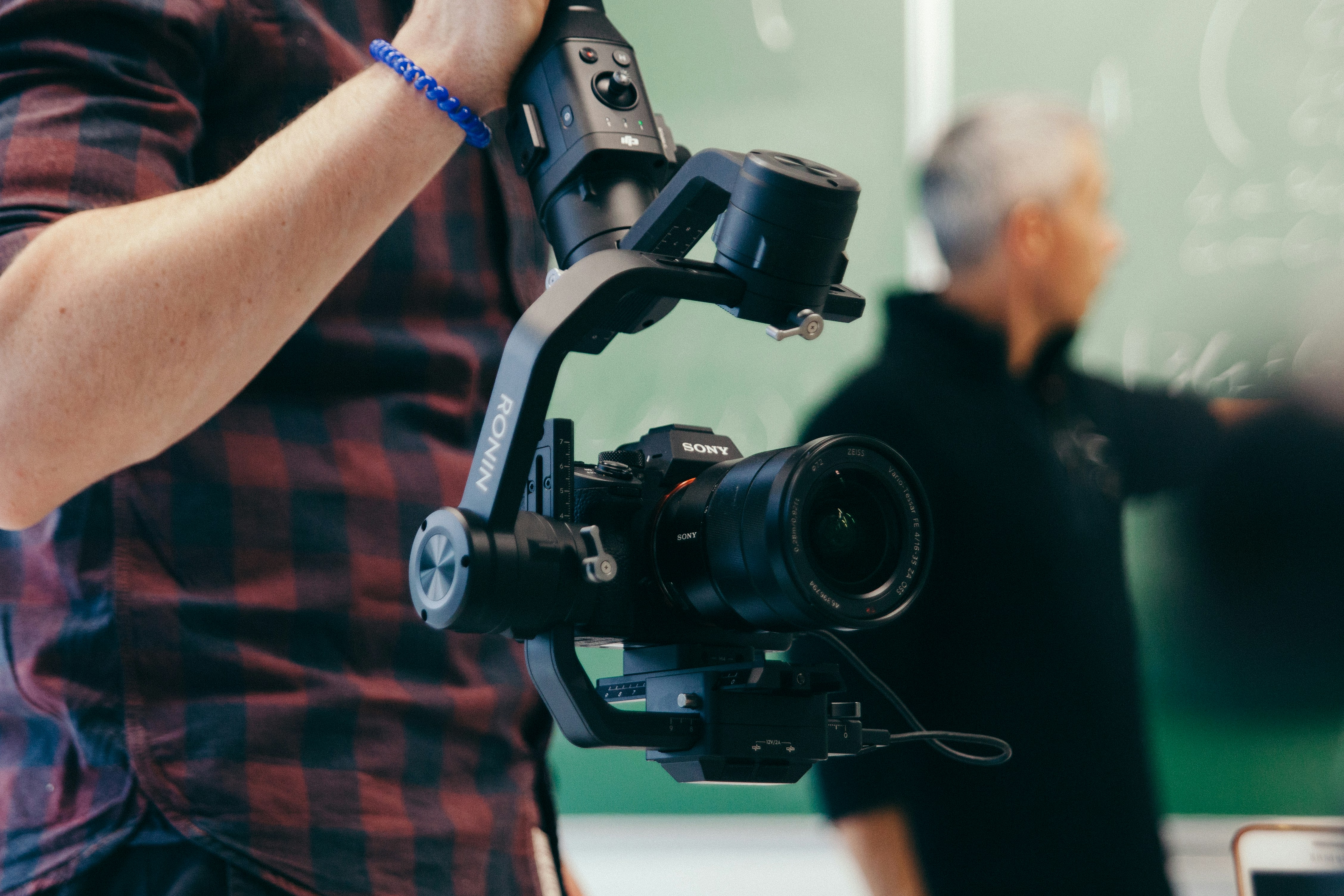
- Use a rear-balcony tripod and a 4K camcorder with 20× optical zoom (we like the Panasonic HC-X2000).
- 👉 Shop Panasonic on: Amazon | Walmart | Panasonic Official
Audio Capture That Won’t Land You in DMCA Jail
- Plug a TASCAM DR-70D into the soundboard for clean instrumentals, but mute the licensed underscore if your video license excludes music.
- 👉 Shop Tascam on: Amazon | Sweetwater | Tascam Official
Lighting Tips for Rights-Cleared Footage
- Boost front light by 10 %—cameras need it more than the human eye.
- Avoid gobo patterns that include trademarked images (yes, even the Bat-Signal).
Featured Video
Need inspiration? The #featured-video embedded above shows how The King’s Academy navigated performance rights for Matilda Jr.—note the on-screen credits and absence of full songs in their highlight reel. Smart!
💡 Creative Commons and Licensing Alternatives for School Play Videos
If securing sync rights feels like herding cats, consider:
- Write an original play using Drama and Theatre Lesson Plans to guide students—then you own 100 % of the video rights.
- Choose Creative Commons-licensed scripts (check Drama Notebook) that already grant video sharing.
- Host a private unlisted stream via Vimeo Showcase; password-protect and set geo-block to your school district only.
🛑 Common Pitfalls and How to Avoid Legal Trouble When Filming School Plays
| Pitfall | Real-World Consequence | Quick Fix |
|---|---|---|
| Uploading to public YouTube without sync license | DMCA strike, channel demonetization | Set video to unlisted until license approved |
| Using the original cast album as underscore | Master-recording infringement | Swap in piano-only rehearsal tracks |
| Forgetting parent consent | Possible lawsuit for publicity-rights violation | Collect forms before dress rehearsal |
| Assuming “educational fair use” covers a full show | Statutory damages up to $150 k | Read Stanford’s fair-use guide—fair use rarely applies to entire dramatic works |
📚 Educational Fair Use: Can You Record and Share School Play Videos?
Spoiler: Almost never for a full production.
The U.S. Copyright Office states that fair use favors commentary, criticism, or parody—not a straight recording of The Little Mermaid. A 2019 University of Houston Law Center study found zero successful fair-use defenses for entire school musicals posted online.
🎬 Choosing the Right Equipment and Software for Recording School Plays
| Gear | Why It Matters | Budget-Friendly Alternative |
|---|---|---|
| Sony FDR-AX53 4K camcorder with BOSS stabilization | Smooth tracking shots from the back row | Canon Vixia HF R800 |
| Elgato HD60 S+ capture card | Stream directly to Zoom for remote grandparents | Generic HDMI-USB dongle |
| DaVinci Resolve 18 (free) | Professional color grading & audio ducking | iMovie on macOS |
👉 CHECK PRICE on:
- Sony FDR-AX53: Amazon | Walmart | Sony Official
- Elgato HD60 S+: Amazon | Best Buy | Elgato Official
👩🏫 Tips for Teachers and Drama Coordinators: Managing Video Rights and Permissions
- Build a “Video Rights” folder in Google Drive—share read-only links with principals so approvals are time-stamped.
- Add a “No Video” checkbox to audition forms; respect family privacy without drama.
- Schedule a 10-minute “rights chat” with cast parents at the first rehearsal—saves 100 e-mails later.
- Use Elementary School Plays from this curated list—many include pre-negotiated streaming clauses.
🌐 Digital Distribution: Streaming, Uploading, and Sharing School Play Videos Legally
- YouTube: Set to unlisted, monetization off, and add copyright attribution in description.
- Vimeo: Paid tiers let you disable downloads—handy for license compliance.
- Google Classroom: Upload 480p version; restrict to school domain.
- DVD/USB: Burn only the number of copies stated in your license; label “For Private Use—Not for Resale.”
🔒 Privacy Concerns and Consent Forms: Protecting Students and Schools
Download our one-page media release (PDF) from the Children’s Theatre Scripts page.
Key clauses to include:
- Scope (photo, audio, video, live-stream)
- Duration (one academic year vs. perpetual)
- Revocability (can a parent change their mind mid-semester?)
- Jurisdiction (state privacy laws vary—Texas SB 507 is stricter than most)
📞 Need Help? Who to Contact for Video Recording Rights and Legal Advice
- Your Licensing Agent (MTI, TRW, Concord, Dramatic Publishing) – first stop for sync licenses.
- School Board Attorney – review privacy forms against state laws.
- Volunteer Lawyers for the Arts (vlaa.org) – free or low-cost copyright Q&A.
- U.S. Copyright Office – small-claims board now handles disputes under $30 k.
🎟️ Membership and Resources: Organizations Supporting School Theater and Video Rights
| Organization | What You Get | Annual Dues |
|---|---|---|
| Educational Theatre Association | Model video-release templates, advocacy letters | ~$95 |
| Drama Teacher Academy | On-demand PD including “Copyright 101” | ~$199 |
| American Alliance for Theatre & Education | Discounted legal webinars, script discounts | Pay-what-you-can tiers |
Pro-tip: EdTA members can access a live licensing hotline every September—perfect timing as you plan the spring musical.
Conclusion: Navigating Video Recording Rights for School Plays with Confidence 🎭🎥
Phew! We’ve taken quite the journey through the tangled web of video recording rights for school plays. From understanding the layers of copyright ownership to the step-by-step process of securing licenses, it’s clear that recording your school’s production isn’t as simple as grabbing a camcorder and hitting “record.”
The key takeaway? Never assume your performance license includes video rights. The video or synchronization rights are a separate beast, often tightly controlled by publishers, composers, and sometimes even film studios. Without explicit permission, recording or distributing your school play video can lead to copyright infringement, legal penalties, and revoked future performance rights.
But don’t despair! With early planning, clear communication, and the right paperwork, you can legally capture those magical moments on stage. Whether it’s securing a limited video license from MTI or Concord, collecting signed media releases from parents, or choosing scripts that come with video permissions baked in, there’s a path forward.
And remember: sometimes the best memories are the ones made live, with the curtain call applause ringing in your ears—not necessarily the ones on a shaky smartphone video. But when you do want to preserve the magic, do it right—with respect for the creators, the performers, and the law.
Recommended Links and Shopping Resources 🛒
-
Panasonic HC-X2000 4K Camcorder:
Amazon | Walmart | Panasonic Official Website -
TASCAM DR-70D Audio Recorder:
Amazon | Sweetwater | Tascam Official Website -
Sony FDR-AX53 4K Camcorder:
Amazon | Walmart | Sony Official Website -
Elgato HD60 S+ Capture Card:
Amazon | Best Buy | Elgato Official Website -
Recommended Books on Copyright and Theater:
Frequently Asked Questions (FAQ) ❓
Do schools need permission to record their plays on video?
Yes, absolutely. Most performance licenses do not include video recording rights. Schools must obtain a separate video or synchronization license from the rights holders (publishers, composers, or studios). Recording without permission can be copyright infringement, even if the recording is for private use. Always check your contract and contact the licensing agent early.
Who owns the rights to a school play script for video recording?
The playwright, composer, and publisher typically retain video recording rights. Even if the school has a license to perform the play live, the rights to record, distribute, or broadcast the performance are usually reserved. For adaptations of movies or musicals, film studios may also hold exclusive video rights.
Can parents record school plays without violating copyright laws?
Generally, no—unless the school or rights holders explicitly permit it. Parents recording for personal memories may still infringe copyright if the performance license prohibits recording. Schools often prohibit unauthorized recordings to protect intellectual property and student privacy. Parents should seek permission and adhere to school policies.
How can schools legally record and share videos of their plays?
Schools must:
- Obtain a video license from the rights holders.
- Collect media consent forms from all participants.
- Limit distribution according to the license terms (e.g., private streaming, limited copies).
- Include proper credits and watermarking as required.
- Avoid public posting or monetization unless explicitly allowed.
Are there copyright restrictions on filming plays performed by students?
Yes. Copyright law protects dramatic works regardless of the performers’ ages. Student performances do not grant automatic rights to record or distribute videos. Unauthorized filming can lead to legal consequences and jeopardize future licensing.
What are the best practices for obtaining video recording rights for school performances?
- Start early: Contact the licensing agent well before rehearsals.
- Read contracts carefully: Look for any clauses about recording or streaming.
- Request a separate video license: Many publishers offer limited video rights for an additional fee.
- Get signed media releases: Protect privacy and legal compliance.
- Use secure distribution platforms: Password-protect videos and limit access.
Where can I find scripts that allow video recording for school plays?
Look for scripts specifically marketed with video rights included or under Creative Commons licenses. Some publishers and playwrights offer educational scripts with bundled video permissions. Check out the Educational Play Scripts and Children’s Theatre Scripts categories at School Play Scripts™ for options.
Reference Links and Legal Sources 📚
- U.S. Copyright Office – Video Rights and Licensing
- Music Theatre International (MTI) Licensing FAQ
- Dramatic Publishing Video License Information
- Stanford Fair Use Project
- Volunteer Lawyers for the Arts
- Educational Theatre Association (EdTA)
- Grammy | The Recording Academy | News, Performances & Videos
We hope this guide empowers you to capture your school’s theatrical magic legally, respectfully, and creatively. Now, go forth and make that show shine—on stage and on screen! 🌟