Support our educational content for free when you purchase through links on our site. Learn more
How to Write a Play Script: 12 Expert Steps to Master the Stage 🎭 (2026)

Did you know that the average play script is roughly one page per minute of stage time? That means every word you write carries weight, pacing, and emotion that can make or break your entire production. Whether you’re a teacher guiding students through their first script, an aspiring playwright dreaming of Broadway, or simply curious about the magic behind the curtain, this comprehensive guide will walk you through how to write a play script from the ground up.
We’ll explore everything from the fascinating history of playwriting to the nitty-gritty of formatting, character development, and crafting unforgettable dialogue. Plus, we’ll share insider tips on overcoming writer’s block, getting your play produced, and even marketing your script online. Ready to turn your ideas into a script that commands the stage? Keep reading — your standing ovation awaits!
Key Takeaways
- Master the unique format and structure of play scripts, including acts, scenes, and stage directions.
- Develop compelling characters and authentic dialogue that bring your story to life.
- Build a captivating plot driven by conflict to engage your audience from start to finish.
- Use subtext and stage directions wisely to add depth without over-directing.
- Leverage professional tools and resources like Final Draft and Celtx to streamline your writing process.
- Explore strategies to get your play produced and marketed effectively in today’s digital landscape.
Ready to write a play that audiences will remember? Let’s dive in!
Table of Contents
- ⚡️ Quick Tips and Facts About Writing a Play Script
- 🎭 The Art and Evolution of Playwriting: A Brief History
- 📝 How to Write a Play Script: Step-by-Step Guide to Crafting Your Drama
- 🎬 Play Script Examples and Templates to Inspire Your Writing
- 💡 Tips for Writing Different Types of Plays: Comedy, Drama, and Beyond
- 🎤 How to Get Your Play Produced: From Script to Stage
- 📚 Essential Tools and Software for Playwrights
- 👩 🏫 Teaching Playwriting: Resources and Activities for Educators
- 📖 Famous Playwrights and Their Writing Secrets
- 🧠 Overcoming Writer’s Block and Staying Inspired
- 🎭 The Role of Dialogue and Subtext in Powerful Play Scripts
- 📈 SEO and Marketing Your Play Script Online
- 🎉 Conclusion: Your Journey to Becoming a Playwright Starts Here
- 🔗 Recommended Links and Resources for Playwriting
- ❓ Frequently Asked Questions About Writing Play Scripts
- 📚 Reference Links and Further Reading
⚡️ Quick Tips and Facts About Writing a Play Script
Before we dive into the nitty-gritty of stagecraft, let’s get our bearings with some fast facts. Writing for the stage is a beast entirely different from writing a novel or a screenplay. Why? Because in the theater, there are no “close-ups”—only the raw energy between the actor and the audience! 🎭
| Feature | Play Script Fact |
|---|---|
| Primary Focus | Dialogue and character interaction. |
| Standard Length | Roughly 1 page per minute of stage time. |
| Structure | Usually divided into Acts and Scenes. |
| Key Element | Conflict is the engine that drives the plot. |
| Formatting | Specific indentation for dialogue and italics for stage directions. |
- Fact: Did you know that the average play script is much “slimmer” than a movie script? This is because spoken words take longer to deliver than they do to read.
- Tip: Always read your dialogue out loud. If you trip over the words, your actors will too!
- Pro Insight: According to the Nashville Film Institute, a play script must focus on visual storytelling for a live audience, meaning you can’t rely on “internal monologues” unless a character is literally talking to themselves!
🎭 The Art and Evolution of Playwriting: A Brief History
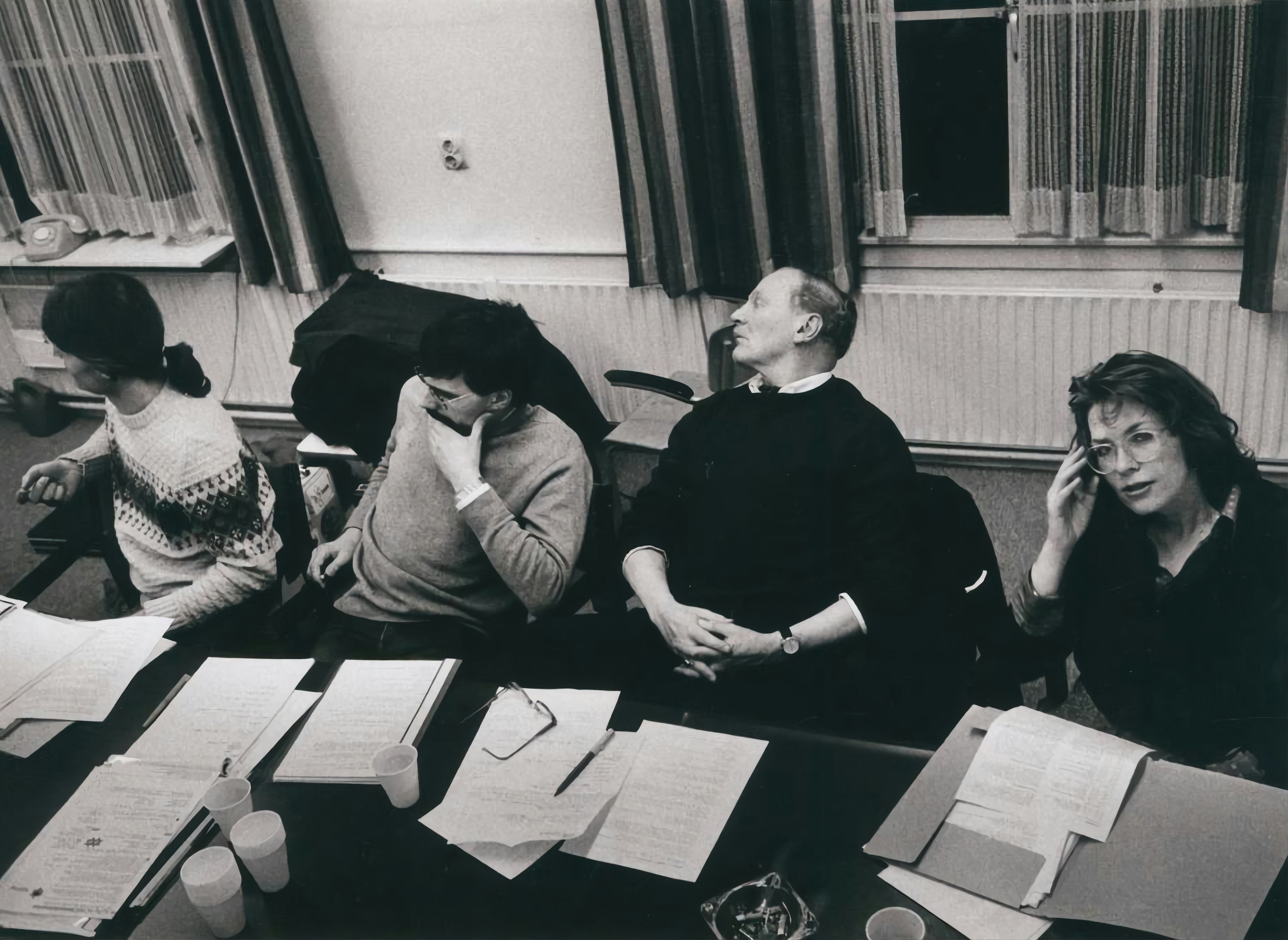
We didn’t just wake up one day and decide to write scripts; we’ve been dramatic for millennia! The history of the stage play is a wild ride from the hills of Ancient Greece to the neon lights of Broadway. 🏛️
The Greeks started it all with Sophocles and Euripides, focusing on tragedies that explored the relationship between gods and men. Fast forward to the Elizabethan era, and William Shakespeare (the GOAT, let’s be honest) revolutionized the form by mixing high-brow poetry with low-brow comedy.
In the modern era, playwrights like Arthur Miller and Tennessee Williams shifted the focus to the “common man,” proving that you don’t need to be a king to have a tragic downfall. Today, the stage is more diverse than ever, with experimental forms and immersive theater breaking the “fourth wall” entirely. But wait—how do you actually get those brilliant ideas out of your head and onto the page? We’re getting there!
📝 How to Write a Play Script: Step-by-Step Guide to Crafting Your Drama
If you’re wondering how do you write a children’s play script? 12 expert tips (2026) 🎭, you’ve come to the right place, as we specialize in helping educators find the perfect Educational Play Scripts for their students. Writing a play is like building a house: you need a solid foundation before you can start decorating the rooms.
1. Understanding Play Script Format and Structure
Formatting isn’t just about being “fancy”—it’s a universal language that helps directors, actors, and lighting techs understand your vision.
- Acts: The major “chapters” of your play. Most modern plays are Two-Act structures with an intermission.
- Scenes: Smaller units within an act, usually defined by a change in time or location.
- Character Names: Always capitalized and centered (or indented) above their dialogue.
- Dialogue: The meat of your script. Keep it snappy!
CHECK PRICE on Playwriting Software:
- Final Draft: Amazon | Final Draft Official
- Celtx: Celtx Official
2. Developing Compelling Characters and Dialogue
As Benjamin Law mentions in his insights for the Melbourne Theatre Company, “Character is king—plot and comedy must come from character.” If your characters all sound the same, your audience will tune out faster than a student in a Monday morning math class. 😴
✅ Do: Give each character a unique “voice” based on their age, background, and secret desires. ❌ Don’t: Use “on-the-nose” dialogue where characters say exactly how they feel. Real people hide their feelings!
3. Creating a Captivating Plot and Conflict
Every play needs an Inciting Incident—that “uh-oh” moment that kicks the story into gear. Whether you’re writing for Elementary School Plays or a professional stage, your protagonist must want something desperately, and something (or someone) must stand in their way.
4. Setting the Scene: Stage Directions and Descriptions
The featured video from Radius Drama gives a golden piece of advice: “Limit stage directions to the bare necessities.” You are the playwright, not the director. Tell us what happens, but let the actors figure out how they walk across the room.
5. Revising and Editing Your Play Script Like a Pro
Your first draft is just you telling yourself the story. The real writing happens in the edit. We recommend organizing a Table Read with friends or fellow teachers from your Drama Club Resources circle. Hearing the words aloud will reveal every “clunky” line and plot hole.
🎬 Play Script Examples and Templates to Inspire Your Writing
Sometimes you just need to see it to believe it. Most professional scripts follow the Dramatists Guild standards. Here is a quick comparison of how different script types look:
| Script Type | Key Formatting Feature | Best For |
|---|---|---|
| Standard Stage Play | Dialogue centered, directions in italics. | Professional Theater |
| Screenplay | Scene headings (EXT/INT), heavy on visuals. | Film/TV |
| Musical Script (Libretto) | Lyrics in ALL CAPS, indented. | Broadway-style shows |
👉 Shop Playwriting Books on:
💡 Tips for Writing Different Types of Plays: Comedy, Drama, and Beyond
Writing a knee-slapping comedy for Children’s Theatre Scripts requires a different “muscle” than a heavy drama.
- Comedy: It’s all about timing and the “Rule of Three.” Set up a joke, reinforce it, and then subvert it for the laugh.
- Drama: Focus on the Subtext. What are the characters not saying?
- Educational Plays: Ensure there are enough roles for everyone! We know the struggle of trying to fit 30 kids into a 10-person script. Check out our Drama and Theatre Lesson Plans for more integration tips.
🎤 How to Get Your Play Produced: From Script to Stage
You’ve written the next Hamilton. Now what? 🌟
- The Query Letter: Send a polite pitch to literary managers at local theaters.
- Script Contests: Sites like Playbill often list opportunities for new writers.
- Self-Production: Sometimes the best way to get noticed is to rent a small space and do it yourself!
- Publishing: For school-focused plays, consider submitting to specialized publishers who cater to the K-12 market.
📚 Essential Tools and Software for Playwrights
Don’t try to format a script in Microsoft Word unless you enjoy suffering. Use tools designed for the job!
Rating Table for Script Software:
| Software | Ease of Use | Formatting Power | Price Value | Overall Rating |
|---|---|---|---|---|
| Final Draft 13 | 8/10 | 10/10 | 7/10 | 9/10 |
| Celtx | 9/10 | 8/10 | 9/10 | 8.5/10 |
| WriterDuet | 10/10 | 9/10 | 8/10 | 9/10 |
| Jotterpad | 9/10 | 7/10 | 10/10 | 8/10 |
👩 🏫 Teaching Playwriting: Resources and Activities for Educators
We love seeing teachers empower their students to write! A great starting point is the “Character Hot Seat” activity. Have a student sit in the front of the room as their character while the rest of the class asks them questions. This builds backstory and voice instantly.
For structured curriculum, our Drama and Theatre Lesson Plans offer step-by-step guides on teaching the “Hero’s Journey” to middle schoolers.
📖 Famous Playwrights and Their Writing Secrets
What can we learn from the masters?
- August Wilson used to write dialogue on napkins while sitting in diners, listening to how real people talked.
- Samuel Beckett (author of Waiting for Godot) believed in “failing better” with every draft.
- Lorraine Hansberry focused on the intense emotional truth of a single family to tell a universal story.
The secret? They all started with a blank page and a lot of questions. Speaking of questions, have you ever wondered why some plays make you cry while others leave you cold? It all comes down to Subtext.
🧠 Overcoming Writer’s Block and Staying Inspired
Writer’s block is just your “inner critic” being a bully. 🥊 To beat it:
- Change your environment: Go to a park or a library.
- Write the “Bad Version”: Give yourself permission to write a terrible scene just to get to the next one.
- Use Prompts: “Two characters are stuck in an elevator, and one of them has a secret package.” Go!
🎭 The Role of Dialogue and Subtext in Powerful Play Scripts
In the Jotterpad guide, they emphasize that “Stage plays are especially dependent on your characterizations.” Subtext is the “hidden” meaning. If a character says “I’m fine,” but they are aggressively stabbing a piece of steak with their fork, the audience knows they are not fine. That is the magic of the stage!
📈 SEO and Marketing Your Play Script Online
If you want people to find your scripts, you need to think like a marketer.
- Keywords: Use terms like “royalty-free school plays” or “one-act comedy scripts.”
- Social Media: Share snippets of your table reads on TikTok or Instagram.
- Networking: Join groups like the Dramatists Guild of America to connect with other creators.
But wait—once you’ve written the script and marketed it, how do you know if it’s actually good? The answer lies in the one thing every playwright fears and loves: the audience’s reaction. 🎭
🎉 Conclusion: Your Journey to Becoming a Playwright Starts Here
So, you’ve traveled the winding road from the spark of an idea to the polished pages of your very own play script. Writing a play is a thrilling challenge that demands creativity, structure, and a deep understanding of human nature. Remember, character is king, and your dialogue is the heartbeat of your story. Whether you’re crafting a comedy for a school audience or a gripping drama for the local theater, the key is to keep your characters real and your conflict compelling.
We’ve unpacked everything from formatting basics to overcoming writer’s block, and even how to get your play produced. The journey might feel daunting at times—like standing in front of a packed auditorium with butterflies in your stomach—but that’s the magic of theater. It’s raw, immediate, and deeply rewarding.
If you’ve ever wondered why some plays make you laugh and cry while others leave you cold, it’s all about subtext and the emotional truth beneath the words. Now that you know the secrets of the craft, it’s your turn to write a script that moves an audience.
Feeling inspired? Great! Now, grab your pen (or keyboard) and start writing. And when you’re ready, check out the recommended tools and resources below to help bring your vision to life.
🔗 Recommended Links and Resources for Playwriting
👉 CHECK PRICE on:
-
Final Draft Screenwriting Software:
Amazon | Final Draft Official -
Celtx Scriptwriting Platform:
Amazon | Celtx Official -
WriterDuet Collaborative Writing Tool:
Amazon | WriterDuet Official -
The Playwright’s Guidebook by Stuart Spencer:
Amazon -
Save the Cat! Writes for TV by Jamie Nash:
Amazon
❓ Frequently Asked Questions About Writing Play Scripts
What are the key elements of a successful play script?
A successful play script hinges on several core elements:
- Compelling Characters: Characters must be distinct, believable, and have clear motivations. As Benjamin Law emphasizes, “character is king”—everything else flows from who your characters are.
- Conflict: The engine of your story. Without conflict, there’s no drama or tension to keep the audience engaged.
- Dialogue: Should sound natural and reveal character traits and plot points without being on-the-nose.
- Structure: Clear acts and scenes that guide the audience through exposition, rising action, climax, and resolution.
- Stage Directions: Concise but informative, helping actors and directors visualize the action without over-directing.
How do you format a play script for a school production?
Formatting for school plays follows industry standards but with some flexibility:
- Character Names: Centered and capitalized above dialogue.
- Dialogue: Indented, with clear spacing between lines.
- Stage Directions: Italicized and placed in parentheses or brackets, often indented.
- Acts and Scenes: Clearly labeled and centered.
- Simplicity: Keep directions minimal to allow student actors room to interpret.
Using software like Final Draft or Celtx can automate formatting and save time.
Where can I find free play scripts for school plays?
There are several reputable sources for free or royalty-free scripts suitable for schools:
- School Play Scripts™ Educational Play Scripts
- Drama Notebook
- Lazy Bee Scripts
- Project Gutenberg (for classic plays in the public domain)
Always check licensing terms, especially if you plan to perform publicly.
What tips help beginners write engaging dialogue in a play script?
Engaging dialogue is the lifeblood of any play. Beginners should:
- Read dialogue aloud to check for natural flow and rhythm.
- Give each character a unique voice based on their background, age, and personality.
- Use subtext—what’s left unsaid can be as powerful as spoken words.
- Avoid exposition dumps; reveal information through conflict and interaction.
- Keep it concise—the stage demands economy of words.
How can I overcome writer’s block when writing a play?
Writer’s block is common but conquerable:
- Change your writing environment.
- Write a “bad” draft to free your creativity.
- Use prompts or “what if” scenarios.
- Take breaks and return with fresh eyes.
- Discuss your ideas with fellow writers or actors for new perspectives.
What are the differences between writing for stage and screen?
Stage writing focuses on live performance, relying heavily on dialogue and minimal sets, while screenwriting emphasizes visual storytelling with camera angles, close-ups, and editing. Stage plays have looser structure but demand immediacy and intimacy. Screenplays require precise formatting and often follow strict act breaks for commercial timing.
📚 Reference Links and Further Reading
- Nashville Film Institute: How to Write a Play Script
- JotterPad: How to Write a Stage Play
- Melbourne Theatre Company: How do you write a play?
- Dramatists Guild of America: Playwriting Resources
- Final Draft Official Website: https://www.finaldraft.com/
- Celtx Official Website: https://www.celtx.com/
- WriterDuet Official Website: https://www.writerduet.com/
Ready to take center stage with your own script? The spotlight’s waiting! 🎭