Support our educational content for free when you purchase through links on our site. Learn more
🎭 20 Grade 3 School Play Ideas Kids Will Love

The best Grade 3 school play ideas are simple to stage, fun to perform, and flexible enough to give every student a meaningful part. Start with a familiar hook—a classroom mystery, talking animals, or a fairy tale with a twist—then build the play around one clear problem the characters can solve together.
We’ve seen a missing map turn a quiet classroom into a lively detective team, with students eagerly comparing clues and inventing new suspects. The secret wasn’t a fancy set; it was a story everyone could follow and help bring to life.
Key Takeaways
- Choose a clear, playable story: One goal, one obstacle, and a satisfying solution make a strong starting point.
- Explore 20 flexible themes: From space missions and school comedy to folktales, nature, and mysteries.
- Make room for every student: Narrators, chorus parts, ensemble roles, movement, and backstage contributions all count.
- Keep staging manageable: Simple props, short scenes, and clear transitions help rehearsals run smoothly.
- Match the play to your class: Consider students’ interests, reading comfort, learning goals, accessibility, and available rehearsal time.
- Let the story do the teaching: Plays can support literacy, science, social studies, teamwork, and problem-solving without feeling like a lesson in costume.
Table of Contents
- ⚡️ Quick Tips and Facts About Grade 3 School Plays
- 🌟 Key Takeaways for Choosing a Third-Grade Play
- 📚 How Classroom Drama Supports Grade 3 Learning
- 🎭 Play Themes, Topics, Settings, and Messages: What’s the Difference?
- 💡 What Makes a School Play Theme Right for Third Graders?
- 🕰️ A Brief History of School Plays and Classroom Drama
- 🌟 20 Engaging Grade 3 School Play Ideas
- 1. Fairy Tales and Fractured Fairy Tales
- 2. Animal Adventures and Talking Creatures
- 3. Space Exploration and Science Fiction
- 4. Mystery Stories and Kid Detectives
- 5. Friendship, Teamwork, and Belonging
- 6. Community Helpers and Everyday Heroes
- 7. Historical Adventures and Local History
- 8. Environmental Care and Nature
- 9. Myths, Legends, and Folktales
- 10. School-Day Comedy and Classroom Adventures
- 11. Sports, Games, and Friendly Competition
- 12. Magical Worlds and Make-Believe
- 13. Cultural Celebrations and Family Traditions
- 14. Problem-Solving and Social-Emotional Learning
- 15. Sily Stories, Wordplay, and Nonsense
- 16. Time-Travel Adventures
- 17. Inventions, Robots, and Big Ideas
- 18. Books Come to Life
- 19. Food, Farms, and Food Around the World
- 20. Seasons, Weather, and Holiday Adventures
- ✍️ How to Choose the Best Play Idea for Your Grade 3 Class
- Match the Play Theme to Reading and Curriculum Goals
- Consider Class Size, Student Interests, and Performance Time
- Choose Inclusive, Age-Appropriate Stories
- Check Script Length, Reading Level, and Available Roles
- 🧩 Turn a Play Idea into a Short Classroom Script
- Build a Clear Beginning, Middle, and End
- Create Meaningful Roles for Every Student
- Use Narrators, Chorus Parts, and Flexible Speaking Roles
- Add a Simple Message Without Making the Play Preachy
- Classroom Example: “The Mystery of the Missing Map”
- 🎨 Costumes, Props, and Low-Budget Stage Ideas
- Make Everyday Classroom Items Double Duty
- Create Easy Costumes with Recycled Materials
- Set Up a Simple Classroom or School Stage
- Plan Safe, Accessible Sets and Props
- 🎤 Rehearsal Tips for Confident Grade 3 Performers
- Use a Step-by-Step Rehearsal Routine
- Support Shy Students and Different Comfort Levels
- Teach Lines, Cues, Voice, and Stage Movement
- Keep Rehearsals Short, Active, and Encouraging
- 🎬 Grade 3 Play Ideas by School Subject
- Language Arts and Storytelling
- Science and the Natural World
- Social Studies and Community
- Math, Patterns, and Problem-Solving
- ✅ Quick Tips for a Successful Third-Grade School Play
- ❓ Frequently Asked Questions About Grade 3 School Play Ideas
- How long should a Grade 3 school play be?
- How can we include a large class in one play?
- What if students struggle to memorize lines?
- Can a classroom play work without a stage or costumes?
- How do we make a school play accessible and inclusive?
- 🎉 Conclusion
- 🔗 Recommended Links
- 📖 Reference Links
Table of Contents
- ⚡️ Quick Tips and Facts About Grade 3 School Plays
- 🌟 Key Takeaways for Choosing a Third-Grade Play
- 📚 How Classroom Drama Supports Grade 3 Learning
- 🎭 Play Themes, Topics, Settings, and Messages: What’s the Difference?
- 💡 What Makes a School Play Theme Right for Third Graders?
- 🕰️ A Brief History of School Plays and Classroom Drama
- 🌟 20 Engaging Grade 3 School Play Ideas
- 1. Fairy Tales and Fractured Fairy Tales
- 2. Animal Adventures and Talking Creatures
- 3. Space Exploration and Science Fiction
- 4. Mystery Stories and Kid Detectives
- 5. Friendship, Teamwork, and Belonging
- 6. Community Helpers and Everyday Heroes
- 7. Historical Adventures and Local History
- 8. Environmental Care and Nature
- 9. Myths, Legends, and Folktales
- 10. School-Day Comedy and Classroom Adventures
- 11. Sports, Games, and Friendly Competition
- 12. Magical Worlds and Make-Believe
- 13. Cultural Celebrations and Family Traditions
- 14. Problem-Solving and Social-Emotional Learning
- 15. Sily Stories, Wordplay, and Nonsense
- 16. Time-Travel Adventures
- 17. Inventions, Robots, and Big Ideas
- 18. Books Come to Life
- 19. Food, Farms, and Food Around the World
- 20. Seasons, Weather, and Holiday Adventures
- ✍️ How to Choose the Best Play Idea for Your Grade 3 Class
- Match the Play Theme to Reading and Curriculum Goals
- Consider Class Size, Student Interests, and Performance Time
- Choose Inclusive, Age-Appropriate Stories
- Check Script Length, Reading Level, and Available Roles
- 🧩 Turn a Play Idea into a Short Classroom Script
- Build a Clear Beginning, Middle, and End
- Create Meaningful Roles for Every Student
- Use Narrators, Chorus Parts, and Flexible Speaking Roles
- Add a Simple Message Without Making the Play Preachy
- Classroom Example: “The Mystery of the Missing Map”
- 🎨 Costumes, Props, and Low-Budget Stage Ideas
- Make Everyday Classroom Items Double Duty
- Create Easy Costumes with Recycled Materials
- Set Up a Simple Classroom or School Stage
- Plan Safe, Accessible Sets and Props
- 🎤 Rehearsal Tips for Confident Grade 3 Performers
- Use a Step-by-Step Rehearsal Routine
- Support Shy Students and Different Comfort Levels
- Teach Lines, Cues, Voice, and Stage Movement
- Keep Rehearsals Short, Active, and Encouraging
- 🎬 Grade 3 Play Ideas by School Subject
- Language Arts and Storytelling
- Science and the Natural World
- Social Studies and Community
- Math, Patterns, and Problem-Solving
- ✅ Quick Tips for a Successful Third-Grade School Play
- ❓ Frequently Asked Questions About Grade 3 School Play Ideas
- What are some easy school play ideas for Grade 3 students?
- Where can I find a short, age-appropriate script for a Grade 3 school play?
- What are the best school play themes for third graders?
- How do I choose a school play script that gives every Grade 3 student a role?
- How long should a Grade 3 school play be?
- What if students struggle to memorize lines?
- Can a classroom play work without a stage or costumes?
- How do we make a school play accessible and inclusive?
- 🎉 Conclusion
- 🔗 Recommended Links
- 📖 Reference Links
⚡️ Quick Tips and Facts About Grade 3 School Plays
Looking for a play your students can actually rehearse, enjoy, and perform without turning your classroom into a tiny Broadway logistics department? Start with one clear problem, flexible roles, and a story students can understand at a glance.
If you’re new to classroom scripts, our guide to what a play script for Grade 3 is explains the basics of characters, dialogue, stage directions, and age-appropriate performance.
| Quick decision | Teacher-friendly starting point | Why it works |
|---|---|---|
| Performance length | About 5–15 minutes for a short classroom showcase | Keeps the story focused and rehearsal demands manageable |
| Story structure | One goal, one obstacle, one solution | Helps young performers and audience members follow the action |
| Cast size | Flexible ensemble, narrators, chorus, and brief speaking parts | Makes participation easier to adapt to the class |
| Staging | A few useful props and clear movement | Lets storytelling—not scenery—do the heavy lifting |
| Rehearsal | Short, purposeful sessions with movement and read-aloud practice | Helps students stay engaged and build confidence |
| Theme | Something familiar with a fresh twist | Gives students an easy way into imaginative play |
Our teachers often find that a story starts clicking when children can answer two questions: What does the character want? What gets in the way? “We’re going to space” is a setting. “The crew must cooperate to repair its broken moon map” is the beginning of a play.
For more ideas and scripts, browse our Elementary School Plays, Educational Play Scripts, and Children’s Theatre Scripts collections. 🎭
Grade 3 play planning at a glance
- ✅ Choose short, readable dialogue and explain unfamiliar words before rehearsal.
- ✅ Use group lines, narration, sound effects, movement, and backstage contributions to widen participation.
- ✅ Keep jokes kind and conflicts age-appropriate.
- ❌ Don’t assume “free to download” means free to adapt, record, livestream, or perform under every condition. Check the author’s or publisher’s terms.
- ❌ Don’t let an elaborate set eat the time you need for acting.
The National Core Arts Standards describe creating, performing, responding, and connecting as parts of arts learning. That’s a useful reminder: a successful school play is not only the final bow. The planning, listening, problem-solving, and revision along the way count too.
🌟 Key Takeaways for Choosing a Third-Grade Play
The best Grade 3 school play is not necessarily the one with the cleverest plot twist or the tallest cardboard castle. It’s the one your students can understand, rehearse, contribute to, and perform with pride.
| What to prioritize | What it looks like in practice |
|---|---|
| Clear story | A character or group wants something and faces a manageable obstacle |
| Inclusive casting | Every student has a purposeful contribution, onstage or backstage |
| Practical staging | The story works with classroom furniture and a handful of props |
| Age-appropriate content | Conflict is understandable, humor is kind, and difficult topics are handled thoughtfully |
| Curriculum connection | Reading, science, social studies, math, or social-emotional learning naturally supports the story |
| Flexible rehearsal | Roles, lines, and movement can be adjusted for students’ needs |
A useful choice is a familiar story with a twist, a team tackling one problem, or a funny school-day adventure. Our Drama Teacher Guides offer more practical support for turning an idea into a performance.
Here’s the question we return to when a theme sounds exciting but the plot is still fogy: Can the students explain what the characters are trying to do? If the answer is “not yet,” keep shaping the idea before you start assigning parts.
📚 How Classroom Drama Supports Grade 3 Learning
A classroom play gives students a reason to read dialogue closely, listen for cues, make decisions, and work together toward a shared performance. It can also give curriculum content a memorable little stage to stand on.
The National Core Arts Standards frame theatre learning around creating, performing, responding, and connecting. The National Council of Teachers of English emphasizes language arts learning across communication and literacy. A play can bring both into the same project: students read a script, interpret characters, speak to an audience, and reflect on what happened.
| Learning area | What students practice through a play |
|---|---|
| Reading and vocabulary | Reading dialogue with meaning, noticing punctuation, learning subject words |
| Speaking and listening | Speaking clearly, listening for cues, responding to scene partners |
| Writing | Drafting dialogue, creating signs, revising narration, writing clues or letters |
| Collaboration | Sharing responsibilities, solving rehearsal problems, supporting the ensemble |
| Perspective-taking | Considering what different characters know, want, or feel |
| Planning and sequencing | Organizing scenes, entrances, props, and story events |
A science play about a school garden, for example, can ask students to use observation and evidence: What changed? What clues point to a cause? What could help? A mystery can make the same skills feel like detective work rather than a worksheet wearing a trench coat. 🕵️
The National Science Teaching Association provides resources for science learning and inquiry. For a classroom production, keep claims accurate and age-appropriate, then let students dramatize the ideas without pretending that a joke is a scientific fact.
Explore more classroom-ready ideas in Educational Play Scripts and Drama Club Resources.
🎭 Play Themes, Topics, Settings, and Messages: What’s the Difference?
These words often get used interchangeably, but separating them can help you turn a fun topic into an actual story.
| Story ingredient | What it means | Example |
|---|---|---|
| Topic | The broad subject | Space |
| Setting | Where and when the action happens | A student-built rocket on a school playground |
| Plot | The events that move the story forward | The crew loses its map and follows clues to find the landing spot |
| Theme | The bigger idea explored through the story | Teamwork helps people solve difficult problems |
| Message | A lesson or thought the audience may take away | Listen to everyone’s ideas before deciding |
“Space” alone isn’t a plot. Add a goal, an obstacle, and a choice, and the idea starts to move. The same goes for “friendship,” “animals,” or “the environment.” Give the characters something to do, and theme has room to show itself.
A helpful planning question is: Could a student explain the problem in one sentence? If yes, you have a strong foundation. If the explanation takes longer than the play, simplify.
💡 What Makes a School Play Theme Right for Third Graders?
A strong theme offers imaginative possibilities without demanding complicated plot mechanics or exhausting staging. It should invite children in while leaving room for their ideas.
A practical theme checklist
Choose a theme that:
- Has a clear, playable problem students can act out.
- Offers different kinds of roles, not just one hero and a crowd.
- Can be staged with props and costumes you already have or can make easily.
- Fits students’ interests and reading comfort.
- Supports a useful learning connection without turning the story into a lecture.
- Allows for respectful, age-appropriate humor and conflict.
The teachers at School Play Scripts™ often recommend starting with what students already know—school, animals, stories, games, community helpers—and adding one surprising twist. A classroom library might turn into a forest after closing. A missing map might send a class on a clue hunt. Familiarity gives young actors a running start; imagination supplies the sparkle.
For more on choosing scripts and staging them, see our Drama Teacher Guides.
🕰️ A Brief History of School Plays and Classroom Drama
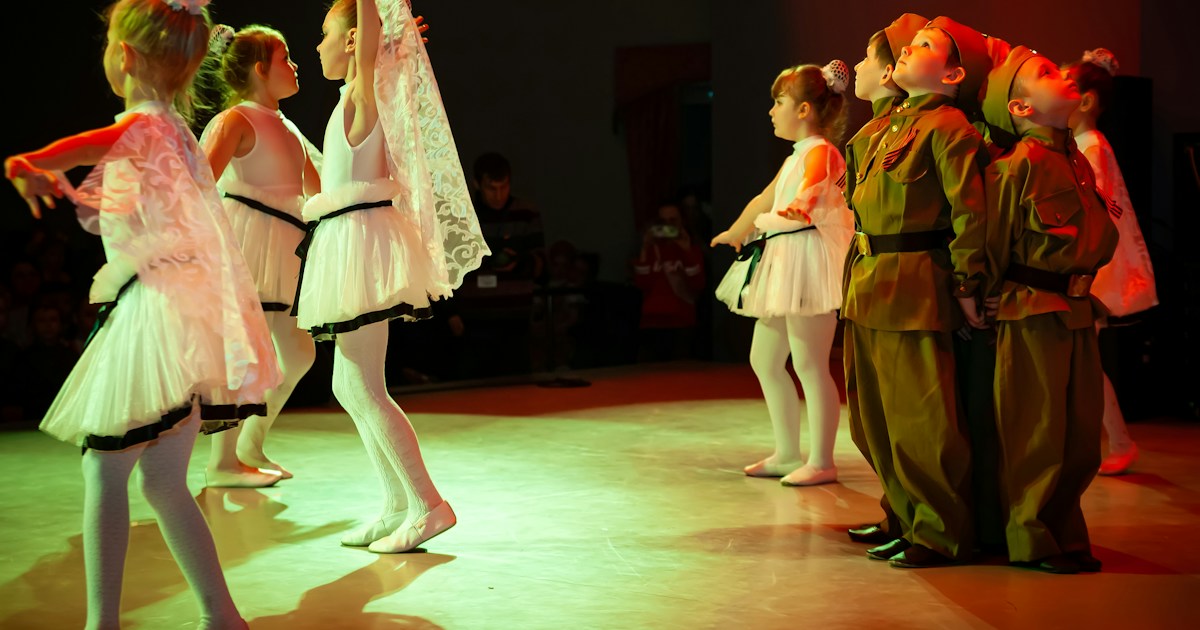
School plays have long served as a way to bring stories, language, performance, and community together. The format can range from a simple reader’s theatre presentation to a fully staged production. For Grade 3, the value is often in making the process manageable and participatory rather than copying a professional theatre model.
The National Core Arts Standards offer a modern framework for theatre learning: students create, perform, respond, and connect. That makes a classroom production more than “learn lines, stand in a row, wave.” Children can help shape characters, test staging, make props, and reflect on how the story communicates.
Our practical advice? Keep the production scale matched to the students and the schedule. A cardboard sign can establish a shop; a chorus can become wind; a narrator can move the audience between locations. Theatrical imagination is wonderfully good at making a little look like a lot. ✨
🌟 20 Engaging Grade 3 School Play Ideas
These twenty ideas are flexible starting points, not scripts carved in stone. Each can become a short class play, reader’s theatre piece, drama-club performance, or curriculum-linked showcase. To find existing options, browse Elementary School Plays and Children’s Theatre Scripts.
| # | Play idea | Simple story engine | Easy classroom connection |
|---|---|---|---|
| 1 | Fairy tales with a twist | Characters rethink a familiar rule | Story structure and point of view |
| 2 | Talking animals | Different strengths solve one problem | Habitats and animal adaptations |
| 3 | Space mission | Crew members work through a surprise | Space science and teamwork |
| 4 | Kid detectives | A group follows fair clues to a reveal | Evidence and logical reasoning |
| 5 | Friendship and belonging | A misunderstanding is repaired | Social-emotional learning |
| 6 | Community helpers | Neighbors solve a shared challenge | Community and civic roles |
| 7 | Local history | Students imagine a moment from the past | Research and social studies |
| 8 | Nature and environmental care | A team improves a local space | Ecology and stewardship |
| 9 | Myths and folktales | Characters face a clear challenge | Traditional storytelling |
| 10 | School-day comedy | A small classroom problem grows hilariously | Everyday writing and humor |
| 11 | Sports and games | Players learn fair play and cooperation | Rules, teamwork, and movement |
| 12 | Magical worlds | One simple magic rule causes a problem | Imagination and cause-and-effect |
| 13 | Family traditions | Characters share and learn respectfully | Culture and community |
| 14 | Problem-solving | A group uses different ideas to find a solution | SEL and collaboration |
| 15 | Wordplay and nonsense | A repeated joke or silly rule drives the action | Vocabulary and language |
| 16 | Time travel | Students visit a place or period and return with a question | History and sequencing |
| 17 | Inventions and robots | A helpful invention works in an unexpected way | Design thinking and science |
| 18 | Books come to life | Characters escape a book and need help getting home | Reading and literary elements |
| 19 | Food, farms, and markets | A group prepares for a community event | Food systems and measurement |
| 20 | Seasons and weather | Characters adapt plans to changing conditions | Weather and observation |
1. Fairy Tales and Fractured Fairy Tales
Retell a familiar fairy tale from the viewpoint of a side character, or let the characters rewrite a rule that no longer makes sense. A wolf might ask for a fair hearing; a princess might run the problem-solving meeting; a group of three bears might need help labeling their poridge bowls.
Why it works: Students recognize the story shape, so they can focus on character choices and comic surprises. Just preview the version you use: familiar source material can still have adaptations with their own copyright and content considerations. The Library of Congress offers primary-source and teaching resources useful for discussing stories and historical context.
2. Animal Adventures and Talking Creatures
Give each creature a distinct skill. A mole notices tunnels, a bird spots things from above, and a turtle remembers the route. The group must combine their strengths to solve a problem.
Play seed: The animals need to find a safe path to a new watering spot before the forest picnic. That gives students a goal, a setting, and plenty of movement-friendly parts.
For accurate science connections, use resources from the National Science Teaching Association or National Geographic Education. Animal characters can be imaginative; factual claims should still be checked.
3. Space Exploration and Science Fiction
A student crew heads for a make-believe moon, planet, or space station—and discovers one manageable complication. The ship’s map is upside down. The robot speaks in rhymes. The crew has to decide how to share limited supplies.
Keep the story focused on one mission and one surprise. Students can make planet signs, control-panel pictures, and simple sound effects. For classroom background, the NASA STEM Engagement site offers educational resources for space and science learning.
4. Mystery Stories and Kid Detectives
A mystery gives students a reason to listen closely and compare clues. A missing map, mixed-up lunch labels, or vanished library bookmark can lead to a gentle, satisfying investigation.
Make the reveal fair: plant the clues before the solution, and avoid making a character “bad” simply because they made a mistake. A narrator, clue-finders, suspects, and a chorus can all have meaningful jobs. 🕵️
5. Friendship, Teamwork, and Belonging
Build the story around a misunderstanding, a shared task, or a group trying to include someone new. Let characters solve the issue through listening and action rather than assigning a permanent villain.
This theme works especially well when the cast needs varied roles: one student notices a problem, another offers a plan, and the group tests different solutions. The Collaborative for Academic, Social, and Emotional Learning (CASEL) provides information about social and emotional learning frameworks.
6. Community Helpers and Everyday Heroes
A neighborhood is preparing for a fair, but something essential is missing: a route map, a sign, a plan for rain, or a way to welcome visitors. Characters with different skills work together.
This idea lets students explore community roles without suggesting that only one kind of work matters. Keep the focus on how people contribute, and let students research local services or community features using reliable sources such as USA.gov.
7. Historical Adventures and Local History
Students can stage an imagined moment inspired by local history: the opening of a community building, a journey, a market day, or a change in how people traveled. Narration can make clear which details are documented and which dialogue is invented.
Use reliable primary sources when possible. The Library of Congress Teachers site provides classroom materials and source-analysis resources. Label imagined scenes as imagined; it helps young audiences distinguish creative storytelling from historical evidence.
8. Environmental Care and Nature
A school garden is struggling after a storm. A trail is covered with litter. A group of animals needs help finding a safer path. Choose one manageable issue and let the characters investigate before jumping to a solution.
The U.S. Environmental Protection Agency’s environmental education resources can support classroom connections. Keep the play practical and hopeful: students can show one helpful action without being told they alone must solve a planet-sized problem.
9. Myths, Legends, and Folktales
Traditional stories often feature clear goals, memorable characters, and repeated patterns that work well in ensemble performance. Students might create a chorus of storytellers, narrate transitions, or use movement to suggest a journey.
When using a story from a living culture, research its origins and context. The Smithsonian Center for Folklife and Cultural Heritage offers resources for learning about cultural traditions. Avoid treating a diverse community as a single character or asking one student to represent an entire culture.
10. School-Day Comedy and Classroom Adventures
A classroom routine goes sideways: the class pet becomes the substitute teacher, the lost-and-found bin starts giving advice, or everyone receives the wrong mystery assignment.
School comedy is easy to stage because the setting is familiar. Aim jokes at the situation, not a student’s appearance, ability, accent, or personal life. A kind joke gets laughs without leaving anyone out.
11. Sports, Games, and Friendly Competition
A team is preparing for a silly school challenge, but the winning strategy turns out to require sharing jobs and cheering for everyone. Use invented games if familiar sports would create equipment, safety, or inclusion concerns.
A drama warm-up can help students practice attention and coordination. In the featured video, the “King of the Jungle” activity uses a rhythm and animal actions to build active listening and memorization. Its useful lesson for teachers: make the rules simple, demonstrate them clearly, and keep the emphasis on fun rather than elimination.
12. Magical Worlds and Make-Believe
Create one easy-to-understand magic rule: a word makes objects swap places, a hat gives characters a new job, or a door opens to a different season. Then let the characters discover how to manage the consequence.
One rule is plenty. If the magic system needs a three-page handbook, the play may have wandered into wizard school administration.
13. Cultural Celebrations and Family Traditions
A class might create a story about neighbors preparing for a shared gathering, with characters contributing food, music, decorations, or stories. Invite families to share only what they choose to share; no child should be expected to serve as a spokesperson for a culture.
Use accurate, respectful sources and let students understand that traditions vary within communities. The Smithsonian Center for Folklife and Cultural Heritage can be a helpful starting point for learning about cultural practices and expressions.
14. Problem-Solving and Social-Emotional Learning
A group has a shared challenge and different ideas about how to solve it. The story can show students asking questions, testing possibilities, listening, and revising a plan.
This makes a useful structure for a class-made play: each character contributes a thought, and the solution comes from combining ideas. The CASEL framework describes core social and emotional learning competencies that can help teachers shape discussion and reflection.
15. Sily Stories, Wordplay, and Nonsense
A town has lost its rhymes. The class can only communicate in questions. Every time a bell rings, characters swap jobs. A repeated joke or rule gives students a comic engine to play with.
Wordplay can support vocabulary and expressive reading. Let students invent lines, but keep the central rule consistent so the audience can follow the delightful nonsense.
16. Time-Travel Adventures
A classroom object—perhaps a pretend compass or a mysterious book—sends students to a different era. They observe, ask questions, and return with a discovery or a new perspective.
Use narration to clarify the time jump. For historical accuracy, check details with museum or library resources such as the Library of Congress. A time-travel premise is imaginative, but the real-world facts should not travel off without their labels.
17. Inventions, Robots, and Big Ideas
A class invents a machine to solve a simple problem: carrying library books, watering plants, or helping everyone remember rehearsal cues. The first version fails in a funny way, so the inventors redesign it together.
This play idea connects naturally to testing and iteration. The Smithsonian National Air and Space Museum’s STEM resources can support related design and science learning.
18. Books Come to Life
Characters escape from a storybook after the pages get mixed up. A narrator, book characters, and student “page repairers” work together to restore the tale.
It’s a joyful fit for a reading celebration and can include students as characters, narrators, page-turners, or sound-effect makers. If you adapt a published book, check permissions with the rights holder; a book being available in a library does not automatically make it available for dramatization.
19. Food, Farms, and Food Around the World
A market is preparing for a school fair, but the labels are mixed up or the harvest needs to be shared fairly. Talking fruits and vegetables can add comedy, while farmers, cooks, customers, and helpers make a flexible cast.
Use trusted educational resources for food and agriculture topics, such as USDA Food and Nutrition Service. Keep food traditions specific and respectful instead of pretending one dish represents an entire country.
20. Seasons, Weather, and Holiday Adventures
A weather forecast changes the plan for a picnic, parade, or garden project. Students can play the wind, clouds, rain, or sunshine using movement and simple signs.
For holiday stories, consider the diversity of the class and school community. A seasonal theme—first snow, spring planting, or a rainy-day adventure—can feel festive without assuming every student celebrates the same holidays.
✍️ How to Choose the Best Play Idea for Your Grade 3 Class
A theme may sound wonderful in a planning meeting and still be awkward to rehearse. Before committing, test it against the students, the schedule, the room, and the learning goal.
Match the Play Theme to Reading and Curriculum Goals
Start with the learning connection you actually want, then look for a story that supports it naturally.
- Language arts: Adapt a folktale, create a mystery, or explore point of view.
- Science: Dramatize habitats, weather, a garden problem, or a space mission.
- Social studies: Use community roles or carefully researched local history.
- Math: Build a story around patterns, sorting, measurement, or fair sharing.
- SEL: Show listening, collaboration, problem-solving, or repairing a misunderstanding.
Avoid attaching a lesson to a story so tightly that the characters stop sounding like characters. Children can spot a lecture in costume from the back row.
Consider Class Size, Student Interests, and Performance Time
Make a quick planning inventory before choosing a script:
| Planning question | What to check |
|---|---|
| How many students need a part? | Count speaking, ensemble, narrator, movement, and backstage roles |
| How long is the performance slot? | Include transitions and introductions, not just spoken lines |
| What interests the class? | Use student suggestions, recent reading, or current units |
| What space is available? | Consider sightlines, entrances, sound, and audience seating |
| How much rehearsal time do you have? | Choose fewer scenes if the schedule is tight |
For a short class performance, about 5–15 minutes can be a practical target, but the right length depends on the group and event. A compact story with clear transitions is usually easier to rehearse than a sprawling adventure with seven locations and a dragon that requires a committee.
Choose Inclusive, Age-Appropriate Stories
Preview the entire script, not just the title and cast list. Look for language students can understand, conflicts that can be handled sensitively, and roles that do not depend on stereotypes.
Ask:
- Could any joke single out a student or group?
- Does the story ask children to disclose personal experiences?
- Are cultural details represented accurately and respectfully?
- Can students participate in different ways?
- Is there a clear option for roles that suit different comfort levels?
The National Association of School Psychologists provides school mental-health resources that can help educators think carefully about student well-being. For a play, the practical rule is simple: never require a student to turn private experience into public performance.
Check Script Length, Reading Level, and Available Roles
Read the dialogue aloud before assigning parts. Watch for unfamiliar vocabulary, long speeches, complicated scene changes, and roles that carry too much of the story.
A useful script review includes:
- Total speaking time and number of scenes.
- Length of individual lines and speeches.
- Narrator, chorus, and ensemble options.
- Required props, sound, costumes, and space.
- Themes that may need teacher discussion.
- Permission terms for copying, adapting, performing, recording, or streaming.
Browse our Children’s Theatre Scripts and Elementary School Plays as starting points, then preview each script against your class’s needs.
🧩 Turn a Play Idea into a Short Classroom Script
You don’t need to write a full-length drama to give students a satisfying performance. A few scenes, a shared goal, and a clear ending can be enough.
Build a Clear Beginning, Middle, and End
Use this simple structure:
- Beginning: Introduce the characters, setting, and goal.
- Problem: Something prevents the characters from reaching the goal.
- Attempts: Characters try different ideas; at least one attempt can be funny.
- Turning point: Someone notices a clue, changes their mind, or combines ideas.
- Ending: The group resolves the problem and shows what it learned or discovered.
For example: a class wants to visit a pretend planet; the map disappears; students find clues; they realize the map has been used as a prop marker; the crew redraws it together. Small problem, clear action, satisfying finish.
Create Meaningful Roles for Every Student
A role is meaningful when it helps the story move, even if it has only one line. Some students may prefer a speaking role; others may shine as narrators, sound makers, sign holders, prop managers, or movement performers.
| Role type | Useful contribution |
|---|---|
| Main character | Leads an important choice or action |
| Narrator | Introduces scenes and keeps the story clear |
| Clue-finder or helper | Adds evidence, information, or a solution |
| Chorus | Repeats key lines, creates atmosphere, or speaks together |
| Sound and movement ensemble | Creates wind, machines, animals, or transitions |
| Prop or sign team | Helps establish setting and support scene changes |
Avoid presenting backstage work as a consolation prize. It should be a planned, respected part of the production, with clear responsibilities and visible value.
Use Narrators, Chorus Parts, and Flexible Speaking Roles
Narration helps make scene changes simple. A chorus can give a large class lines together, support students who want a lower-pressure speaking experience, or create repeated phrases the audience remembers.
Try:
- Shared lines spoken by a small group.
- Echo lines, where one student speaks and the group repeats.
- Optional extra characters who can be added or removed.
- Narrator pairs who alternate short sections.
- Cue cards for a few key words rather than every line.
These choices let you adjust the cast without rewriting the entire play. For more rehearsal support, visit our Drama Teacher Guides.
Add a Simple Message Without Making the Play Preachy
Let the story demonstrate the idea through choices. If theme is teamwork, show characters trying separate plans before combining their strengths. If theme is belonging, show a character being invited into a meaningful task.
The audience should be able to notice the message without a character announcing, “And now we will explain the moral.” A short reflection after the performance can invite students to share what they observed.
Classroom Example: “The Mystery of the Missing Map”
A pretend-planet trip is about to begin when the crew discovers the route map has vanished. Students investigate, compare clues, and discover that the map was moved during a rehearsal change.
| Role | Story job |
|---|---|
| Narrator | Introduces the mission and guides transitions |
| Crew leader | Keeps the team focused |
| Clue-finders | Present observations and test explanations |
| Map designer | Helps create a replacement route |
| Chorus | Repeats the crew’s search phrase or makes rocket sounds |
| Prop team | Creates the map, clue cards, and planet signs |
The play’s idea is that good solutions can emerge when people examine evidence together. A likely twist: the clue that looks most obvious may not be the useful one. That gives students a reason to listen to every character rather than racing to guess.
For more scripts and classroom performance ideas, see Educational Play Scripts.
🎨 Costumes, Props, and Low-Budget Stage Ideas
A production can feel theatrical without a truckload of scenery. Start with objects that clarify the story and can be handled safely.
Make Everyday Classroom Items Double Duty
- A cardboard sign can become a shop, a planet, or a forest entrance.
- A chair can be a bus seat, command chair, or garden bench.
- A clipboard can suggest a detective’s case file.
- A large paper map can carry a whole mystery.
- A scarf can become a flag, river, or wind effect.
The best prop is often one that helps the audience understand the action. If a prop is decorative but takes ten minutes to manage, it may be auditioning for a different play.
Create Easy Costumes with Recycled Materials
Use simple visual cues rather than full outfits: paper animal ears, a badge, a colored sash, a cardboard robot panel, or a narrator’s folder. Check school policies before bringing materials from home, and avoid masks or accessories that interfere with hearing, sight, movement, or comfort.
For classroom crafts and reusable supplies, products from brands such as Crayola and Elmer’s are familiar options. Choose materials appropriate to students’ ages and follow product safety directions.
Set Up a Simple Classroom or School Stage
- Mark the acting area with tape, if permitted.
- Leave clear paths for entrances, exits, and accessibility.
- Put scene signs where the audience can read them.
- Seat the audience so faces and actions remain visible.
- Rehearse transitions with the same furniture arrangement you plan to use.
A clear playing space can be more useful than a complicated backdrop. The audience mainly needs to see and hear the performers.
Plan Safe, Accessible Sets and Props
Keep walkways clear, avoid unstable platforms, and check that props are light enough for students to manage comfortably. Build in alternative ways to participate: a student can speak from a seated position, use a cue card, join a chorus, or contribute through sound or design.
For general school safety guidance, consult your school’s policies and the U.S. Consumer Product Safety Commission resources. If a prop could cause a trip, sharp edge, or blocked view, revise it before rehearsal—not during the dramatic final five minutes.
🎤 Rehearsal Tips for Confident Grade 3 Performers
Third graders benefit from clear routines, frequent chances to move, and encouragement that recognizes listening as well as speaking. Rehearsal should feel purposeful, not like a long wait for one child’s entrance.
Use a Step-by-Step Rehearsal Routine
A practical eight-session outline over two weeks could look like this:
| Session | Focus |
|---|---|
| 1 | Read the full script aloud; explain the story and vocabulary |
| 2 | Assign roles and read scenes in small groups |
| 3 | Practice character voices, cues, and key lines |
| 4 | Block entrances, exits, and simple movement |
| 5 | Add props and practice transitions |
| 6 | Run the play in sections; revise confusing moments |
| 7 | Complete a full run-through with audience-style listening |
| 8 | Perform, celebrate, and reflect on teamwork |
Adjust the plan to your calendar. Some classes need more time for line practice; others are ready to add movement earlier. See our Drama Club Resources for more theatre activities.
Support Shy Students and Different Comfort Levels
Offer choices without treating quieter students as problems to fix. A child may prefer narration, paired speaking, a chorus line, movement, sound effects, or a backstage task. Those are legitimate ways to contribute.
Try:
- Leting students read lines before performing them.
- Practicing in pairs before rehearsing in front of the class.
- Using cue cards or a narrator for transitions.
- Asking privately what kind of role feels comfortable.
- Offering a gradual path toward more speaking, without pressure.
The goal is confidence through supported participation, not forcing every student into the same performance style.
Teach Lines, Cues, Voice, and Stage Movement
Break the work into small, teachable pieces:
- Read one scene for meaning before asking students to memorize it.
- Mark important cue words in the script.
- Practice looking up from the page for one phrase at a time.
- Rehearse speaking clearly toward the audience—not shouting.
- Add movement only after students understand when and why they move.
- Practice listening for the line or action that signals their entrance.
If lines are hard to memorize, pair them with gestures or simple visual cues. The body can help the words stick.
Keep Rehearsals Short, Active, and Encouraging
Alternate sitting and moving. Give waiting students an active job: track entrances, hold cue cards, listen for a repeated line, or watch for a safe transition.
The featured video offers a lively warm-up perspective: “King of the Jungle” is described as useful for active listening and memorization, using a repeated rhythm and animal actions. It can energize a group, but adapt elimination-style rules thoughtfully so a mistake becomes a chance to reset rather than a reason to feel embarrassed.
Praise specific skills:
- “You waited for your cue.”
- “Your group made the words easy to hear.”
- “You helped the scene change smoothly.”
- “You listened to your scene partner before responding.”
That kind of feedback teaches performance habits students can use beyond the stage.
🎬 Grade 3 Play Ideas by School Subject
A subject-linked play works best when the learning sits inside the characters’ problem. Here are several ways to connect drama to classroom goals without making the story feel like a lesson wearing a costume.
Language Arts and Storytelling
- Fairy-tale retelling: Change the point of view or rewrite a rule.
- Mystery: Use details, clues, and a fair reveal.
- Books come to life: Explore character, setting, and sequence.
- Wordplay comedy: Experiment with rhyme, repetition, and vocabulary.
Students can create dialogue, revise narration, and compare how a story changes when told by different characters.
Science and the Natural World
- Animal adventure: Show how different traits help characters.
- Space mission: Explore a fictional mission and its problem-solving steps.
- Garden mystery: Investigate what plants might need.
- Weather play: Use movement and signs to represent changing conditions.
Use reliable science resources such as NASA STEM Engagement, the National Science Teaching Association, and the U.S. Environmental Protection Agency to check factual connections.
Social Studies and Community
- Community helpers: Show different roles contributing to a shared goal.
- Local history: Combine research with clearly identified imagined dialogue.
- Folktales: Explore story traditions respectfully and with context.
- Classroom market: Create a fictional community event and its planning team.
For historical documents and teaching materials, start with the Library of Congress Teachers resources.
Math, Patterns, and Problem-Solving
Math can drive the plot without becoming a quiz show. A mystery might depend on comparing numbers; a market play might involve sorting or counting; a rhythm-based scene can use repeating patterns.
Possible story engines:
- A character arranges objects into a pattern to reveal a clue.
- A team divides supplies fairly before a journey.
- A group measures a space to plan a garden.
- A repeated rhythm signals a scene change.
Make sure students have time to understand the math idea before performing it. The audience should see the reasoning, not just hear a series of answers.
✅ Quick Tips for a Successful Third-Grade School Play
- Start small: One goal and one obstacle can carry a complete short play.
- Read every script aloud before assigning parts.
- Build in flexible roles such as narration, chorus, sound, movement, and props.
- Keep props useful and safe.
- Rehearse transitions, not only dialogue.
- Praise listening and teamwork, not just volume or memorization.
- Check script permissions for copying, adaptation, performance, recording, and streaming.
- Make room for student choice in themes, roles, and creative details.
- Plan for different comfort levels without making anyone explain why they prefer a certain role.
- End with reflection: What did the group solve together? What would they change next time?
The simplest production can still feel magical when students know what they are doing, understand why it matters, and get to contribute. ✨
❓ Frequently Asked Questions About Grade 3 School Play Ideas
What are some easy school play ideas for Grade 3 students?
Easy starting points include a school-day comedy, talking-animal story, gentle mystery, fractured fairy tale, or classroom space mission. These ideas usually need only one main setting, a clear problem, and simple props.
For the easiest staging, choose a story where:
- The audience can understand the goal quickly.
- Scenes happen in one or two locations.
- The cast can include narrators, chorus lines, and ensemble parts.
- Costumes can be suggested with small accessories rather than full outfits.
- The conflict is playful and appropriate for the students.
A missing map, a mixed-up classroom routine, or animal team trying to solve one problem can all work well. Browse Elementary School Plays for more starting points.
Where can I find a short, age-appropriate script for a Grade 3 school play?
Start by exploring our Children’s Theatre Scripts and Educational Play Scripts categories. Other script libraries include Drama Notebook, Kidsinco, and FreeDrama. Always check current usage terms directly with the publisher or author before copying, adapting, performing, recording, or sharing a script online.
When assessing a script, preview the full text for reading level, role count, length, themes, stage directions, and props. Our guide to free Grade 3 play scripts offers additional script-finding advice and copyright reminders.
What are the best school play themes for third graders?
Strong options include fairy tales with a twist, animal adventures, space missions, gentle mysteries, friendship stories, community helpers, environmental care, school comedy, and imaginative nonsense. The best theme is the one that fits your particular class, not simply the one that appears most often in a list.
Look for a theme with a clear conflict, room for many roles, and an easy curriculum connection. A familiar setting with one surprising complication is often a reliable combination. For more theme suggestions, see our related guide to popular play themes for Grade 3 students.
How do I choose a school play script that gives every Grade 3 student a role?
Check the cast list for narrators, chorus members, group dialogue, optional characters, and ensemble roles. If the script has fewer characters than students, ask whether roles can be divided, narration shared, or a chorus added without changing the story.
Participation does not have to mean a long solo speech. Students can contribute through movement, sound effects, signs, prop handling, scene transitions, or backstage design. The key is that every contribution should be planned, purposeful, and valued, not tacked on at the last minute.
How long should a Grade 3 school play be?
For a short classroom performance, about 5–15 minutes can be a manageable starting range. The right length depends on the event, class size, students’ reading comfort, rehearsal time, and how many transitions the play requires.
When estimating the final runtime, include introductions, scene changes, audience pauses, and any songs or movement. A short, well-paced story is usually more satisfying than a longer performance that asks students to wait through repeated transitions.
What if students struggle to memorize lines?
They do not need to memorize every line to participate successfully. Use cue cards, short lines, paired narration, repeated chorus phrases, or a script-in-hand reader’s theatre format. Teach scenes in small sections and connect dialogue to gestures or movement.
A helpful sequence is to read for meaning, mark cue words, practice in pairs, then gradually reduce dependence on the page if students are ready. Clear storytelling matters more than flawless recitation.
Can a classroom play work without a stage or costumes?
Yes. A classroom, library, multipurpose room, or cleared corner can work. A few chairs, paper signs, and a map or prop can establish the story. Students’ voices, movement, and imagination do much of the work.
Make sure the audience can see performers and hear dialogue. Keep entrances and exits clear, and use a simple sign or narrator to show when the setting changes. Costumes are optional; a small visual cue can be enough.
How do we make a school play accessible and inclusive?
Offer different ways to participate, review the story for stereotypes or insensitive humor, and make staging adaptable. Consider seating, movement paths, sound levels, lighting, language supports, and students’ individual comfort.
Ask students privately about role preferences when appropriate. Avoid asking anyone to explain a disability, identity, family tradition, or personal experience to the group. Consult your school’s accessibility and student-support staff when planning accommodations. The National Core Arts Standards can support a broad view of theatre learning that includes creating, responding, and connecting—not only speaking onstage.