Support our educational content for free when you purchase through links on our site. Learn more
🎭 Ace Your School Play Audition: 12 Winning Strategies!

Ever wondered what truly makes a director say, “YES!” during a school play audition? Is it just raw talent, or is there a secret sauce of preparation, presence, and pizzazz? Here at School Play Scripts™, we’ve witnessed countless aspiring actors step into the spotlight, some soaring to success, others learning tough but valuable lessons. We’ve distilled decades of experience from both sides of the audition table into 12 comprehensive, engaging, and downright fun strategies designed to transform your audition from a nerve-wracking ordeal into a confident, captivating performance. Get ready to discover not just how to land the role, but how to truly own the room and leave a lasting impression that goes far beyond your lines!
Key Takeaways
- Preparation is Paramount: Research the play, choose appropriate material, and memorize thoroughly – understanding your character’s motivations is key.
- Mindset Matters: Conquer nerves with positive self-talk and visualization, remembering that your confidence is intrinsic and doesn’t require external validation.
- Show, Don’t Just Tell: Deliver your monologue with action and discovery, making strong, intentional choices that showcase your unique interpretation.
- Be Coachable & Collaborative: Directors look for adaptability, listening skills, and a team-player attitude, especially during cold reads and group auditions.
- Professionalism Pays Off: Arrive punctual, prepared, and polite, demonstrating respect for the process and the production team.
- Embrace the Journey: Whether you get the part or not, the audition process builds invaluable life skills like resilience, public speaking, and creative problem-solving.
Table of Contents
- ⚡️ Quick Tips and Facts for School Play Auditions
- The Curtain Rises: Understanding School Play Auditions and Their Importance
- The Pre-Audition Playbook: Setting the Stage for Success
- Understanding the Play and Production Team: Research is Your Best Friend 🎭
- Choosing Your Audition Material Wisely: Monologues & Songs That Shine 🎶
- Mastering the Art of Memorization: Beyond Just Lines, It’s About Connection 🧠
- Crafting Your Audition Resume & Headshot: Professionalism Starts Early! 📸
- Audition Day Domination: Shining When It Counts
- 1. The Grand Entrance: First Impressions Matter! ✨
- 2. Vocal Warm-ups & Physical Prep: Get Ready to Perform! 🗣️🤸 ♀️
- 3. Delivering Your Monologue: Connecting with Your Character and the Room 💖
- 4. Nailing the Cold Read: Embracing the Unknown with Confidence 📖
- 5. Group Auditions & Improvisation: Teamwork Makes the Dream Work! 🤝
- 6. Q&A with the Directors: Showcasing Your Personality & Commitment 🤔
- 7. The Exit Strategy: Leaving a Lasting Positive Impression 👋
- The Callback Chronicles: Getting the Role You Deserve
- Understanding Callback Etiquette & Expectations 📞
- Preparing for Specific Scenes & Character Work: Digging Deeper 🧐
- Embracing Direction: Adaptability is Key to Success! 🔄
- Conquering Audition Nerves: My Confidence Does Not Require Your Approval
- Strategies for Overcoming Stage Fright & Performance Anxiety 🧘 ♀️
- Building Self-Belief: Your Inner Critic vs. Your Inner Star ⭐
- The Power of Positive Self-Talk & Visualization for Audition Success 🌟
- Beyond the Spotlight: What Directors Really Look For in School Play Auditions
- Passion, Punctuality, and Preparedness: The Triple P Threat! 🔥
- Listening Skills & Coachability: Are You a Team Player? 👂
- Casting for Chemistry: How You Fit into the Ensemble 🧪
- Parental Guidance: Supporting Your Young Performer Through Auditions
- Encouraging Practice Without Pressure: Finding the Balance 🏡
- Navigating Audition Outcomes: Celebrating Effort, Not Just Roles 🎉
- Understanding the Time Commitment of School Plays and Rehearsals 🗓️
- The Post-Audition Play: What Happens Next?
- Dealing with Rejection: A Stepping Stone, Not a Stumbling Block 🚀
- Celebrating Success: You Got the Part! 🥳
- Seeking Feedback & Continuous Improvement: Growing as an Actor 📈
- From Classroom to Curtain Call: How Auditioning Builds Life Skills for the Future
- Resilience & Perseverance: The Show Must Go On! 💪
- Public Speaking & Communication Skills: Finding Your Voice 🎤
- Teamwork & Collaboration: The Ensemble Effect 👯
- Creative Problem-Solving & Adaptability: Thinking on Your Feet 💡
- Conclusion: Your Stage Awaits!
- Recommended Links: Dive Deeper into Theatre Arts
- FAQ: Your Audition Questions Answered!
- Reference Links: Trusted Resources for Aspiring Actors
⚡️ Quick Tips and Facts for School Play Auditions
Alright, future Broadway stars and drama club legends! Auditioning for a school play can feel like a thrilling rollercoaster – a mix of excitement, nerves, and a dash of “what if I forget my lines?!” But fear not, because we, the seasoned educators at School Play Scripts™, are here to arm you with the ultimate playbook. We’ve seen it all, from the dazzling to the disastrous, and we’re ready to share our secrets for making your school play audition a standing ovation-worthy performance.
Before we dive deep into the theatrical trenches, let’s kick things off with some rapid-fire wisdom. Think of these as your backstage pass to immediate audition success!
| Tip Category | ✅ Do This!
⚡️ Quick Tips and Facts for School Play Auditions
Alright, future Broadway stars and drama club legends! Auditioning for a school play can feel like a thrilling rollercoaster – a mix of excitement, nerves, and a dash of “what if I forget my lines?!” But fear not, because we, the seasoned educators at School Play Scripts™, are here to arm you with the ultimate playbook. We’ve seen it all, from the dazzling to the disastrous, and we’re ready to share our secrets for making your school play audition a standing ovation-worthy performance.
Before we dive deep into the theatrical trenches, let’s kick things off with some rapid-fire wisdom. Think of these as your backstage pass to immediate audition success!
| Tip Category | ✅ Do This!
Conclusion: Your Stage Awaits!

Phew! We’ve journeyed through the entire audition landscape, from the initial spark of interest to the final, nerve-wracking moments before the cast list goes up. We’ve shared our deepest insights, our personal anecdotes, and the collective wisdom of the School Play Scripts™ team to equip you, our aspiring actors, with every tool you need to shine.
Remember that question we posed at the very beginning, “what if I forget my lines?!” Well, the answer, as you’ve seen, isn’t just about perfect memorization. It’s about preparation, resilience, and the ability to stay present. It’s about knowing your material so well that even if a word slips, your character’s intention carries you through. It’s about trusting yourself, as Casey Erin Clark so eloquently puts it, recognizing that “your worth as a human and an artist is innate, intrinsic, and inviolable.”
Auditioning for a school play is more than just trying to get a part; it’s an incredible opportunity for growth. It’s where you learn to manage nerves, speak confidently in front of others, collaborate with peers, and develop a thick skin that will serve you far beyond the stage. Whether you land the lead, a supporting role, or even a spot backstage, the experience itself is invaluable. You’re building character, literally and figuratively!
So, take a deep breath. You are prepared. You are capable. And most importantly, you are enough. Go out there, share your unique light, and let your passion for storytelling captivate the room. The stage is waiting for you to make it your own. Break a leg! 🎭
Recommended Links: Dive Deeper into Theatre Arts
Ready to further hone your craft or explore the world of theatre? Here are some resources we highly recommend for aspiring actors, directors, and theatre enthusiasts.
-
Explore Scripts for Your Next Audition or Production:
-
Educational Play Scripts: School Play Scripts™ Educational Play Scripts
-
Elementary School Plays: School Play Scripts™ Elementary School Plays
-
Children’s Theatre Scripts: School Play Scripts™ Children’s Theatre Scripts
-
Drama Club Resources: School Play Scripts™ Drama Club Resources
-
English Learning Drama Scripts: School Play Scripts™ English Learning Drama Scripts
-
Books for Aspiring Actors:
-
“Audition” by Michael Shurtleff: Amazon.com
-
“Respect for Acting” by Uta Hagen: Amazon.com
-
“An Actor Prepares” by Konstantin Stanislavski: Amazon.com
-
“Acting for Dummies” by Larry Silverberg: Amazon.com
-
Acting Coaching & Resources:
-
Backstage: Backstage.com
-
The Actors’ Equity Association (for professional insights): Actors’ Equity Official Website
FAQ: Your Audition Questions Answered!
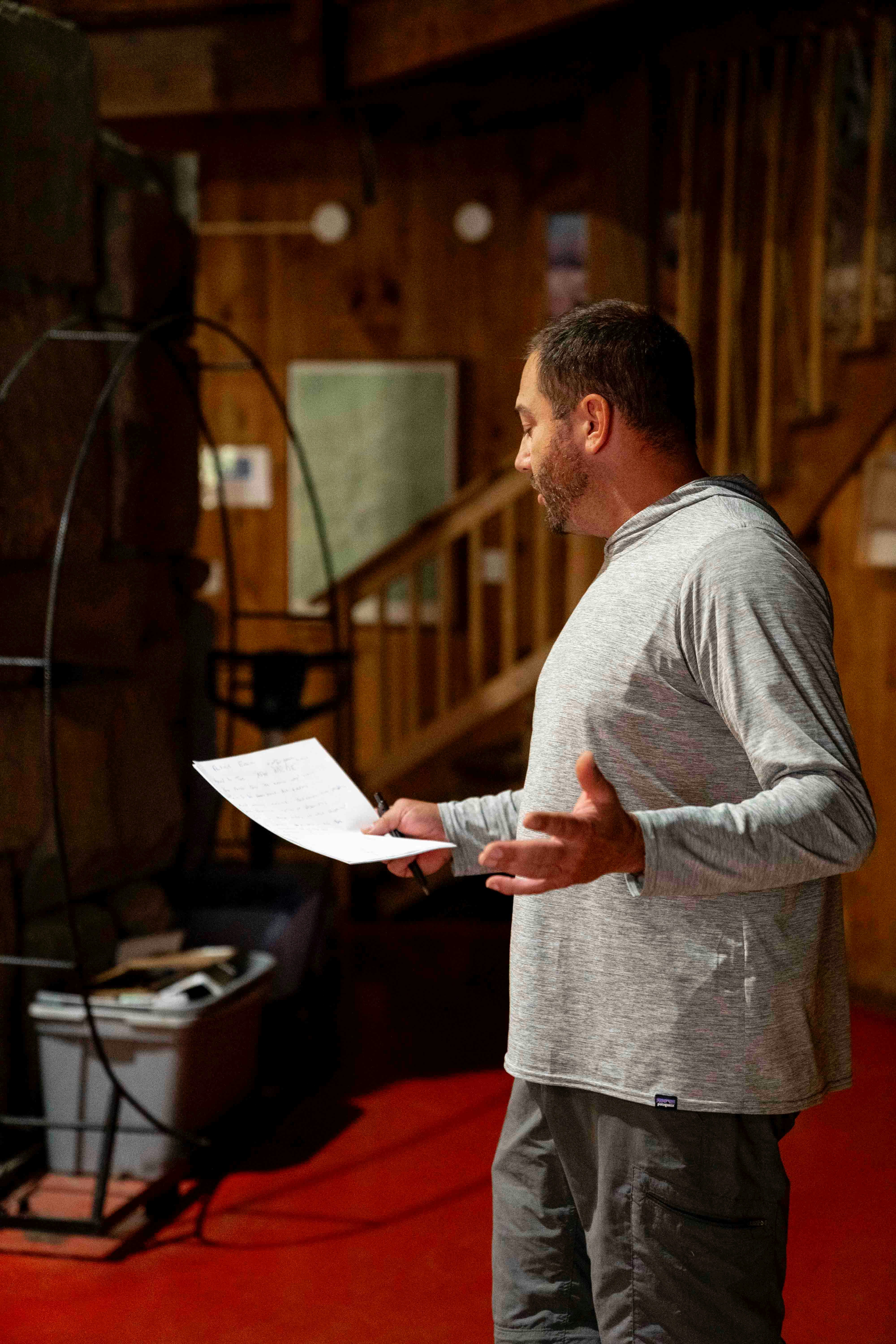
Got more questions bubbling up? We’ve got answers! Here are some of the most common queries we hear from students (and their parents!) about school play auditions.
What are the best tips for preparing for a school play audition?
The best preparation is a multi-faceted approach that covers both your material and your mindset.
H4: Master Your Material, Inside and Out
- Research the Play: Understand the plot, themes, and characters. This helps you grasp the tone and style.
- Choose Wisely: Select a monologue or song that showcases your strengths and is appropriate for the play’s genre. Avoid “schtick” or overly extreme emotions for their own sake; focus on authenticity and action.
- Memorize Thoroughly: Go beyond just the words. Understand the character’s motivations, objectives, and relationships. As Casey Erin Clark advises, “Don’t report about it—work it out IN FRONT OF US.”
- Practice, Practice, Practice: Rehearse in front of a mirror, for family, or even record yourself. Pay attention to pacing, vocal variety, and physical choices.
H4: Prepare Your Mind and Body
- Warm-ups: Vocal and physical warm-ups are crucial. They get your voice ready and your body relaxed and expressive.
- Visualize Success: Imagine yourself performing confidently and connecting with the material.
- Manage Nerves: Deep breathing, positive self-talk, and arriving early can significantly reduce anxiety. Remember, your confidence is intrinsic!
How can I choose the right monologue for a school play audition?
Choosing the right monologue is like picking the perfect outfit for a special occasion – it needs to fit you and the event!
H4: Consider the Play and the Role
- Match the Genre: If you’re auditioning for a comedy, a dramatic monologue might not be the best fit, and vice-versa.
- Age Appropriateness: Select material that aligns with your age and experience. Don’t try to play a 60-year-old king if you’re 14.
- Character Type: Think about the types of roles you’re interested in and choose a monologue that highlights your ability to play those characters.
H4: Showcase Your Strengths
- Action and Discovery: As highlighted by Casey Erin Clark, your monologue needs to have an “action to play and/or discovery to make.” It shouldn’t just be a description or a memory. Show us something happening now.
- Emotional Arc: Even a short monologue should have a clear beginning, middle, and end, with some emotional journey.
- Avoid Overdone Pieces: While classics are great, directors appreciate seeing something fresh. If you choose a popular piece, bring a unique interpretation.
- Length: Keep it concise, typically 1-2 minutes, unless otherwise specified. Directors often have many students to see.
What should I wear to a school play audition to make a good impression?
Think “comfortable professional” – you want to look put-together without being stiff, and allow for movement.
- Comfort is Key: You need to be able to move freely, sit, stand, and gesture without your clothes restricting you.
- Neat and Tidy: Clean, wrinkle-free clothes show respect for the audition process.
- Avoid Distractions:
- ❌ No overly baggy or tight clothing: It can obscure your movements.
- ❌ No excessive jewelry or accessories: They can be noisy or distracting.
- ❌ No strong perfumes/colognes: Some people have sensitivities.
- ❌ No hats or sunglasses: Directors want to see your face and eyes clearly.
- Simple and Classic: A nice pair of slacks or dark jeans with a clean top (a button-down, a blouse, or a nice t-shirt) is usually perfect. For footwear, choose comfortable, closed-toe shoes that you can move in. Think of it as an interview where you also need to perform!
How do I memorize lines quickly for a school play audition?
Memorization is a muscle, and you can train it! Here are some techniques we’ve found effective:
- Understand, Don’t Just Recite: Don’t just parrot words. Understand what your character is saying, why they’re saying it, and what they want. This makes lines stick better.
- Break It Down: Don’t try to learn the whole monologue at once. Break it into smaller chunks (sentences, paragraphs) and master each one before moving on.
- Active Recall: Instead of just reading, try to say the lines without looking at the script, then check yourself. Repeat this process.
- Record Yourself: Read your lines aloud and record them. Listen back, then try to speak along with the recording, gradually fading out the recording.
- Physicalize It: Attach movements or gestures to specific lines or ideas. Our bodies often remember things our minds might forget.
- Run Lines with a Partner: Ask a friend or family member to read the other lines (even if it’s a monologue, they can prompt you). This simulates the pressure of performance.
- Write It Out: For some, physically writing out the lines helps solidify them in memory.
- Spaced Repetition: Review your lines regularly, but space out your practice sessions. A little bit each day is more effective than cramming.
What questions are commonly asked during school play auditions?
Directors aren’t just looking for talent; they’re looking for team players and committed individuals. Be ready to chat!
- “Tell us a little about yourself.” This is your chance to share your passion for theatre, any relevant experience, and what you hope to gain from the play. Keep it concise and positive.
- “Why are you interested in this particular play/role?” Show you’ve done your research! Talk about what excites you about the script, a specific character, or the themes.
- “What experience do you have in theatre?” Be honest. If you’re new, emphasize your enthusiasm and willingness to learn. If you have experience, briefly mention past roles or technical work.
- “Are you involved in any other activities that might conflict with rehearsals?” This is crucial for scheduling. Be upfront about commitments like sports, clubs, or academic demands. Honesty here is key to demonstrating punctuality and preparedness.
- “What do you hope to learn from this experience?” This shows your coachability and desire for growth.
- “Do you have any questions for us?” Always have one or two thoughtful questions ready! It shows engagement. For example, “What is the rehearsal schedule typically like?” or “What is your vision for this production?”
How can I stand out during a school play audition?
Standing out isn’t about being the loudest or most dramatic; it’s about being memorable for the right reasons.
- Authenticity: As Casey Erin Clark emphasizes, “You Are Enough.” Don’t try to be someone you’re not. Let your genuine personality and unique interpretation shine through. Avoid “schtick” for schtick’s sake.
- Preparation and Professionalism: Arrive early, have your materials organized, and be polite to everyone. This shows respect for the process and the team, as highlighted by Stages Theatre Company.
- Strong Choices: Make clear, intentional choices for your character. Even if they’re not what the director envisioned, a strong choice is better than no choice.
- Listen and Adapt: During cold reads or group exercises, actively listen to your scene partners and the director’s feedback. Coachability is a huge plus!
- Energy and Engagement: Bring positive energy into the room. Make eye contact (but don’t stare at one spot!), use your body, and show that you’re excited to be there.
- Tell a Story: Whether it’s a monologue or a song, ensure there’s a clear narrative and emotional journey. “Audition cuts need a shift – a change – a story to tell,” as Casey Erin Clark advises.
Read more about “25 Best Small Cast School Play Scripts to Spark Drama Magic 🎭 (2026)”
Where can I find scripts for my next school play audition?
Finding the right script is the first step to a great audition! We’ve got you covered.
- School Play Scripts™: Of course! We specialize in providing engaging and age-appropriate scripts for schools. You can browse our extensive categories:
- Educational Play Scripts
- Elementary School Plays
- Children’s Theatre Scripts
- Drama Club Resources
- English Learning Drama Scripts
- Local Libraries: Many public libraries have drama sections with play anthologies and individual scripts.
- Online Script Databases: Websites like Playscripts, Inc. (Playscripts.com), Samuel French (Concord Theatricals Official Website), and Dramatists Play Service (Dramatists Play Service Official Website) offer vast selections, often with perusal scripts available.
- Your School’s Drama Department: Ask your drama teacher or director for recommendations or access to their script library. They often have a wealth of resources.
- Books of Monologues: Search Amazon or your local bookstore for “monologues for teens” or “audition monologues.” Look for reputable publishers like Smith and Kraus.
Read more about “How to Choose the Right Script for a School Play 🎭 (2025)”
Reference Links: Trusted Resources for Aspiring Actors
We believe in providing well-researched, expert advice. Here are some of the sources and organizations that inform our recommendations and can offer further guidance for your theatrical journey.
- School Play Scripts™ Official Website: https://www.schoolplayscripts.org/
- Stages Theatre Company – Audition Tips and FAQ: https://www.stagestheatre.org/audition-tips-and-faq/
- Casey Erin Clark – Blog Post on Audition Tips: https://www.caseyerinclark.com/blog/ten-tips-kcactf
- Educational Theatre Association (EdTA): https://schooltheatre.org/
- The Actors’ Equity Association: https://www.actorsequity.org/
- Backstage – Acting Resources: https://www.backstage.com/
- Concord Theatricals (formerly Samuel French): https://www.concordtheatricals.com/
- Dramatists Play Service: https://www.dramatists.com/
- Playscripts, Inc.: https://www.playscripts.com/