Support our educational content for free when you purchase through links on our site. Learn more
What Is a Play Script for Kids? 🎭 Your Ultimate 2026 Guide

Imagine a classroom full of giggling kids suddenly transforming into brave knights, clever detectives, or magical creatures—all thanks to a few pages of carefully crafted words. That’s the enchanting power of a play script for kids! But what exactly makes a play script different from a storybook, and why are these scripts so essential in schools and drama clubs? Spoiler alert: it’s not just about lines to memorize.
In this comprehensive guide, we’ll unravel the mystery behind kids’ play scripts—from their unique structure and history to tips for writing, performing, and adapting them for any age group. Plus, we’ll share our top 10 favorite scripts that have sparked creativity and confidence in classrooms worldwide. Curious about how a simple script turns into a standing ovation? Keep reading—you’ll discover the secret to making theatre magic happen!
Key Takeaways
- Play scripts for kids are blueprints for performance, focusing on dialogue and stage directions rather than narration.
- They differ from adult scripts by using simpler language, shorter length, and themes suited for young audiences.
- Flexible casting and clear stage directions make scripts accessible and fun for large groups of children.
- Writing your own script can be a rewarding creative project, especially when using a simple three-act structure.
- Using play scripts in education boosts literacy, empathy, teamwork, and confidence.
- Our top 10 recommended scripts include classics like The Wizard of Oz and engaging adaptations like The Gruffalo.
- Adapting scripts for different ages and abilities ensures every child gets a moment in the spotlight.
Ready to find the perfect script for your next school play? Dive into our detailed sections and expert tips to make your production a smashing success!
Table of Contents
- ⚡️ Quick Tips and Facts About Play Scripts for Kids
- 🎭 The Magic Behind Play Scripts: What Exactly Is a Play Script for Kids?
- 📜 A Kid-Friendly History of Play Scripts and Children’s Theatre
- 📝 Breaking Down the Elements: What Makes Up a Play Script for Kids?
- 🎬 How Play Scripts for Kids Differ from Adult Scripts
- 1️⃣ Top 10 Best Play Scripts for Kids to Spark Creativity and Fun
- 🎭 Writing Your Own Play Script: A Step-by-Step Guide for Kids and Educators
- 🎤 Tips for Performing Kids’ Play Scripts: Acting, Directing, and More
- 📚 Using Play Scripts in the Classroom: Educational Benefits and Ideas
- 🎨 Creative Ways to Adapt and Customize Play Scripts for Different Age Groups
- 🔍 Common Challenges When Working with Kids’ Play Scripts and How to Overcome Them
- 🎭 Famous Playwrights and Their Contributions to Children’s Theatre
- 🎥 Recommended Educational Videos and Resources on Play Scripts for Kids
- 🛒 Where to Find and Buy Quality Play Scripts for Kids
- 💡 Fun Facts and Trivia About Play Scripts and Kids’ Theatre
- 🔚 Conclusion: Why Play Scripts Are a Must-Have for Every Child’s Creative Journey
- 🔗 Recommended Links for Further Exploration
- ❓ Frequently Asked Questions (FAQ) About Play Scripts for Kids
- 📖 Reference Links and Credible Sources
⚡️ Quick Tips and Facts About Play Scripts for Kids
Before we dive into the spotlight, here is a “cheat sheet” for every teacher, parent, or budding playwright looking to master the art of the stage.
| Feature | Description | Why It Matters ✅ |
|---|---|---|
| Dialogue | The spoken words between characters. | Drives the story without long descriptions. |
| Stage Directions | Instructions in italics or (parentheses). | Tells actors where to move and how to feel. |
| Character List | A “Who’s Who” at the start of the script. | Helps with casting and costume planning. |
| Acts & Scenes | The “chapters” of a play. | Organizes the story and allows for set changes. |
| The Fourth Wall | The invisible barrier between actors and audience. | Keeps the “magic” alive (unless you break it!). |
- Fact: Most kids’ play scripts are written in the present tense.
- Tip: When writing for younger children, keep sentences short and use physical comedy to keep the audience engaged.
- Statistic: According to the American Alliance for Theatre & Education (AATE), students involved in drama performance often score higher on standardized tests!
🎭 The Magic Behind Play Scripts: What Exactly Is a Play Script for Kids?
Ever wondered how a bunch of rowdy seven-year-olds transforms into a royal court or a pack of talking wolves? It all starts with a few sheets of paper. To understand what are playscripts for kids in 2023, you have to see them as more than just “stories.”
A play script is a blueprint for a performance. Unlike a novel, which describes every rustle of a leaf, a script focuses on dialogue and action. We like to think of it as a recipe: the script provides the ingredients, but the actors and director provide the heat!
At School Play Scripts™, we believe a great script for kids should be accessible, fun, and educational. It’s a literary genre designed specifically to be performed on a stage. But wait—if a script is just words on a page, how does it turn into a standing ovation? We’ll reveal the secret sauce of the “fourth wall” and stage presence later on! 🎭
📜 A Kid-Friendly History of Play Scripts and Children’s Theatre
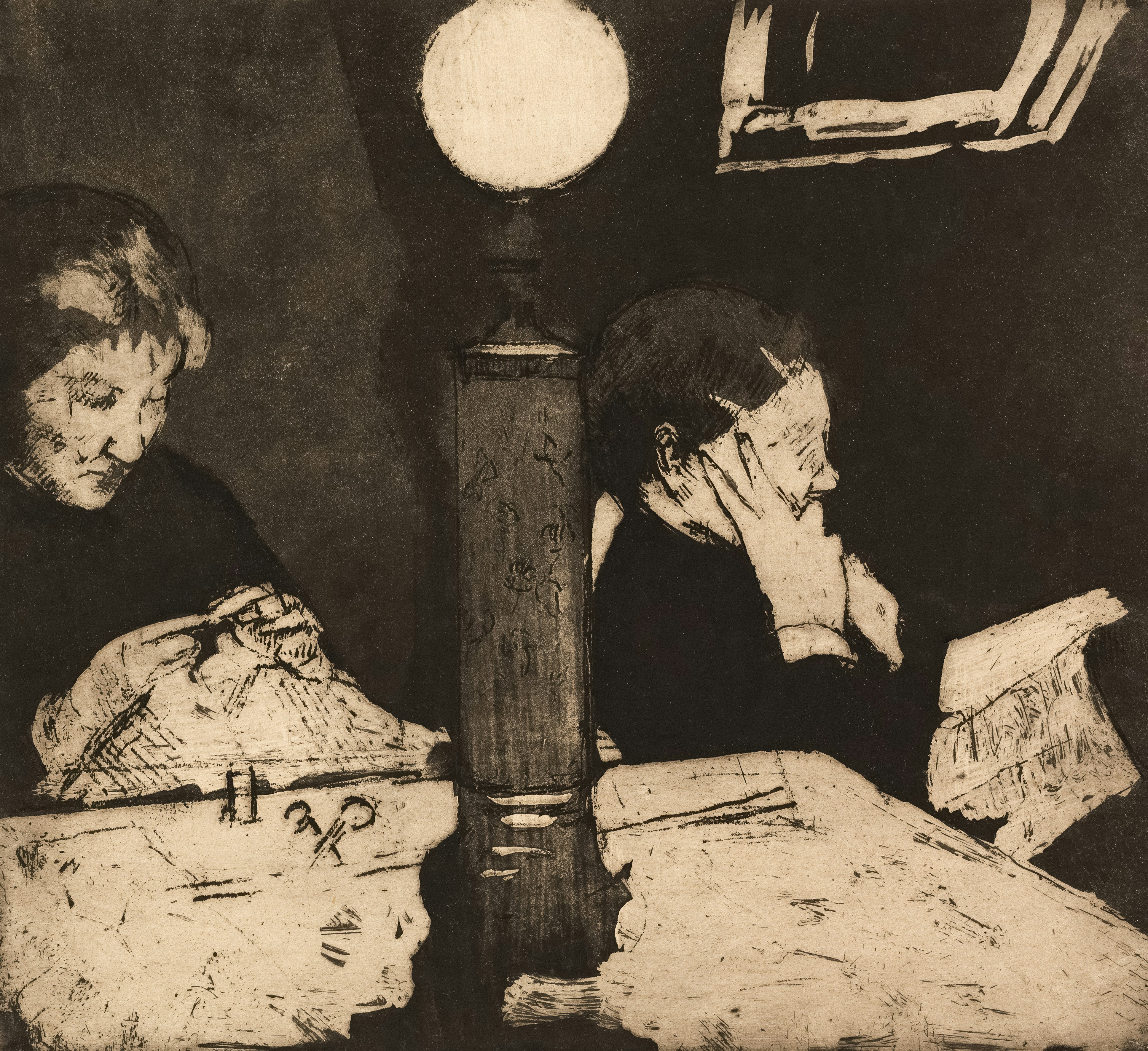
The history of theatre isn’t just for dusty libraries! While the ancient Greeks were busy with their tragedies, children’s theatre as we know it—often called Theatre in Education (TiE)—really took off in the 20th century.
Historically, scripts were called manuscripts or folios. In the early days, kids were often just “mini-adults” in plays. However, as educators realized the power of Educational Play Scripts, the focus shifted.
- The 1960s Boom: This era saw a massive rise in scripts written specifically for schools to teach social issues and history.
- Modern Era: Today, scripts for kids range from Elementary School Plays about friendship to complex Children’s Theatre Scripts that tackle big world problems.
According to the Twinkl Teaching Wiki, scripts are now a core part of the English and Drama curriculum, helping kids move from simple role-play in nursery to full-scale productions in Key Stage 2 (KS2).
📝 Breaking Down the Elements: What Makes Up a Play Script for Kids?
If you open a script, it looks very different from a Harry Potter book. Here’s the anatomy of a script that we teach in our Drama and Theatre Lesson Plans.
1. The Character List (The Cast)
Before the first line of dialogue, you’ll find a list of everyone in the play. This often includes a brief description (e.g., “SCARY WOLF: A misunderstood creature with a big appetite”).
2. Acts and Scenes
Think of Acts as the big “parts” of the story (usually 1 to 3 for kids) and Scenes as the individual moments that happen in one location. When the lights go down and the set changes, that’s usually the end of a scene!
3. Dialogue: The Heart of the Play
This is what the characters say. In a script, the character’s name is usually in BOLD or ALL CAPS, followed by a colon.
PRINCESS: (Excitedly) I found the golden key!
4. Stage Directions
These are the “how-to” notes. They are usually in italics and tell the actor to [exit stage left] or [look surprised]. As noted in the featured video, these directions bring the story to life by giving us an idea of where the characters are.
🎬 How Play Scripts for Kids Differ from Adult Scripts
You wouldn’t give a Shakespearean tragedy to a group of kindergartners (unless you want a very confusing afternoon!).
| Feature | Kids’ Play Scripts | Adult Play Scripts |
|---|---|---|
| Language | Simple, punchy, and phonetic. | Complex, metaphorical, and dense. |
| Length | Usually 15–45 minutes. | 90 minutes to 3 hours. |
| Themes | Friendship, bravery, magic, school. | Romance, politics, existential dread. |
| Cast Size | Large (to include the whole class!). | Small (usually 2–8 actors). |
Our Recommendation: Always look for scripts that offer “flexible casting.” This allows you to turn one “Narrator” into four “Villagers” so every child gets a moment in the spotlight. Check out our Drama Club Resources for tips on managing large casts!
1️⃣ Top 10 Best Play Scripts for Kids to Spark Creativity and Fun
We’ve tested hundreds of scripts in real classrooms. Here are our top picks based on engagement, ease of staging, and “fun factor.”
| Script Title | Age Group | Design/Layout | Fun Factor | Educational Value |
|---|---|---|---|---|
| The Wizard of Oz (School Edition) | 7-12 | 9/10 | 10/10 | 8/10 |
| Alice in Wonderland | 8-13 | 8/10 | 10/10 | 7/10 |
| The Gruffalo (Play Version) | 4-7 | 10/10 | 9/10 | 9/10 |
| Charlie & The Chocolate Factory | 7-12 | 8/10 | 10/10 | 8/10 |
| Peter Pan | 6-11 | 7/10 | 10/10 | 7/10 |
| Cinderella (Fractured Fairy Tale) | 5-10 | 9/10 | 9/10 | 8/10 |
| The Jungle Book | 7-12 | 8/10 | 9/10 | 8/10 |
| A Midsummer Night’s Dream (Kids) | 10-14 | 7/10 | 8/10 | 10/10 |
| Treasure Island | 8-12 | 8/10 | 9/10 | 8/10 |
| The Lion, The Witch & The Wardrobe | 9-13 | 9/10 | 9/10 | 9/10 |
Detailed Analysis:
- The Wizard of Oz: A classic for a reason! It teaches “there’s no place like home” while providing great roles for singers and non-singers alike.
- The Gruffalo: Based on the book by Julia Donaldson, this is perfect for KS1. The rhyming dialogue helps with memorization.
- Fractured Fairy Tales: We love these because they take a story kids know (like Cinderella) and flip it on its head. It’s great for teaching perspective.
👉 Shop these scripts on:
- Roald Dahl Scripts: Amazon | Walmart
- Disney School Musicals: Music Theatre International | Amazon
🎭 Writing Your Own Play Script: A Step-by-Step Guide for Kids and Educators
Feeling brave? Writing your own script is the ultimate creative exercise! Here is our “School Play Scripts™” foolproof method:
- The “What If” Phase: Start with a prompt. “What if a dragon was scared of fire?”
- Create Your Heroes (and Villains): Give each character one distinct trait. Maybe the dragon has a squeaky voice?
- Map the Journey: Use a simple three-act structure.
- Act 1: The problem starts.
- Act 2: Things get worse (and funnier!).
- Act 3: The problem is solved.
- Dialogue First: Write the talking first. Don’t worry about the “he said/she said”—that doesn’t go in a script!
- Add the “Secret Instructions”: Go back and add your stage directions in brackets.
- The Table Read: Sit in a circle and read it aloud. If a line feels clunky, change it!
Pro Tip: Use a “Narrator” if the story is too complex to show through action alone. As the Twinkl Wiki suggests, narrators help explain events without interacting with the characters.
🎤 Tips for Performing Kids’ Play Scripts: Acting, Directing, and More
Performing is where the magic happens! But it can also be where the nerves kick in.
- Project Your Voice: We tell our students to “speak to the back wall.” If the person in the last row can’t hear you, the magic is lost! 📢
- Never Turn Your Back: Unless the script says so, keep your body facing the audience. This is called “staying open.”
- Understand the Fourth Wall: In the first video, we learn that the “fourth wall” is an invisible barrier. Breaking it (looking directly at the audience) can be a hilarious comedic tool!
- Use Props Wisely: Don’t let the props become toys. If a character has a wand, it should only be used when the script says so.
Check out these tools for your performance:
📚 Using Play Scripts in the Classroom: Educational Benefits and Ideas
Why should teachers care about scripts? Because they are a “secret weapon” for literacy!
- Fluency: Reading a script requires kids to read with expression and emotion, which is the definition of reading fluency.
- Empathy: Stepping into a character’s shoes helps kids understand different perspectives.
- Teamwork: A play cannot happen alone. It requires lighting, sound, acting, and directing to work in harmony.
- Confidence: There is nothing quite like the “post-play glow” for a shy child who just nailed their one line.
Teacher Anecdote: We once had a student who struggled with reading aloud in class. But when we gave him the role of a “Grumpy King” in a Children’s Theatre Script, he practiced so hard he memorized the whole play! The script gave him a reason to read.
🎨 Creative Ways to Adapt and Customize Play Scripts for Different Age Groups
Not every script fits every class perfectly. Here’s how we “hack” scripts at School Play Scripts™:
- For Younger Kids (Ages 4-6): Use Choral Speaking. Instead of one child having five lines, have five children say the lines together. It builds confidence! ✅
- For Older Kids (Ages 10-13): Let them improvise. Give them the script but tell them they can change the ending if they can justify it.
- Gender Neutrality: Don’t be afraid to swap “King” for “Queen” or “Prince” for “Princess.” Most modern scripts are very flexible.
🔍 Common Challenges When Working with Kids’ Play Scripts and How to Overcome Them
It’s not all standing ovations; sometimes things go wrong!
- The “I Forgot My Line” Panic: ❌ Don’t hiss the line from the wings. ✅ Do teach kids to “ad-lib” or look to their scene partner for a cue.
- Stage Fright: This is real! We recommend “low-stakes” performances first, like performing for another class before the big parent night.
- The “Mummer” (Quiet Speakers): Use a “fun” microphone during rehearsals to get them used to the volume needed.
🎭 Famous Playwrights and Their Contributions to Children’s Theatre
Who are the masters of the craft?
- Roald Dahl: While famous for books, his stories have been adapted into the most popular school scripts in the world by playwrights like David Wood.
- David Wood: Often called “the national children’s dramatist” in the UK. His scripts are the gold standard for Elementary School Plays.
- Audrey and Avery Jones: Creators of the “Showtime with Emmet and Eloise” series, which teaches kids about the “Word of the Day” in theatre. You can find more from them at LSPA Online.
🎥 Recommended Educational Videos and Resources on Play Scripts for Kids
If you’re a visual learner, these resources are gold mines:
- Showtime: Act 2: Ep. 6 – Script Writer: A fantastic video featuring Emmet (the green monster) and Eloise (the pink monster). It breaks down what a scriptwriter actually does!
- YouTube Kids: A safe place to search for “How to write a play script” or “Kids acting warm-ups.”
- The “First Video” Perspective: In the video “What is a Play?”, the narrator explains that a play is a literary genre where the audience is the final piece of the puzzle. Without an audience, it’s just a rehearsal!
🛒 Where to Find and Buy Quality Play Scripts for Kids
Ready to start your production? Here is where we shop:
- School Play Scripts™: Our official site for curated, teacher-approved scripts.
- Amazon: Great for finding published collections of plays.
- Check out: “25 Fun Phonics Plays for Beginning Readers”
- Etsy: Perfect for unique, independent scripts and “instant download” classroom plays.
- Twinkl: Offers a variety of templates and short scripts for classroom use.
💡 Fun Facts and Trivia About Play Scripts and Kids’ Theatre
- Did you know? The “Ghost Light” is a single bulb left burning on stage at night to keep the theatre ghosts happy (and to stop people from tripping!). 👻
- The Longest Play: Some plays can last over 24 hours, but we definitely don’t recommend those for the school talent show!
- Break a Leg: We never say “Good Luck” in the theatre—it’s considered bad luck! We say “Break a leg!” instead.
🔚 Conclusion: Why Play Scripts Are a Must-Have for Every Child’s Creative Journey

So, what’s the final curtain call on play scripts for kids? From our experience at School Play Scripts™, a well-crafted play script is the heartbeat of any successful children’s theatre production. It’s not just a collection of words on a page—it’s a launchpad for creativity, confidence, teamwork, and literacy skills. Whether you’re choosing a classic like The Wizard of Oz or crafting your own original script, the key is accessibility, engagement, and age-appropriate content.
Remember the question we teased earlier: How does a simple script turn into a standing ovation? The answer lies in the collaboration between script, actors, director, and audience. The script provides the foundation, but the magic happens when kids bring it to life with their voices, movements, and imaginations.
If you’re looking for scripts, our top picks like The Gruffalo or Fractured Fairy Tales offer flexible casting, fun dialogue, and educational value. They’re easy to stage and beloved by children and teachers alike. On the flip side, watch out for scripts that are too long or use complicated language—these can frustrate young actors and lose the audience’s attention.
In short: ✅ Choose scripts that spark joy and learning. ❌ Avoid scripts that feel like a chore. Your next school play will thank you!
🔗 Recommended Links for Further Exploration
Ready to dive into your next production? Here are some trusted sources and places to shop for quality kids’ play scripts and theatre resources:
-
The Gruffalo (Play Version):
Amazon | Julia Donaldson Official Website -
Roald Dahl Plays (including Charlie & The Chocolate Factory):
Amazon | Roald Dahl Official -
Printable School Plays on Etsy:
Etsy -
Music Theatre International (Disney Junior Scripts):
MTI Shows -
Ben Nye Theatrical Makeup Kit:
Amazon -
Portable PA Systems for Schools:
Amazon
❓ Frequently Asked Questions (FAQ) About Play Scripts for Kids
How do you choose a play script suitable for kids?
Choosing the right script depends on age appropriateness, cast size, theme, and language complexity. For younger children, look for scripts with simple dialogue, short scenes, and clear stage directions. Scripts with flexible casting allow every child to participate, which is crucial in school settings. Also, consider the educational value—does the script teach a moral or spark curiosity? Our Drama Club Resources offer great guidance on matching scripts to your group’s needs.
Where can I find free play scripts for children?
Free scripts can be found on educational websites like Twinkl, public domain collections, and some theatre company sites. However, free scripts often lack the polish and age-appropriate tailoring of paid scripts. For a balance of quality and cost, platforms like School Play Scripts™ offer affordable, teacher-tested scripts. Remember, investing in a good script saves time and frustration during rehearsals.
What are the key elements of a kids’ play script?
The essentials include:
- Character List: Helps with casting and understanding roles.
- Acts and Scenes: Organizes the story and pacing.
- Dialogue: The spoken words that drive the story.
- Stage Directions: Instructions for movement, emotion, and props.
- Narrators (optional): To explain complex parts or transitions.
These elements ensure the script is clear and easy to perform. According to Twinkl’s Teaching Wiki, these components help children visualize and enact the story effectively.
How long should a school play script for kids be?
Length depends on the age group and setting. For younger children (ages 4-7), 15-20 minutes is ideal to maintain attention. Older kids (8-13) can handle 30-45 minutes, allowing for more complex stories and character development. Longer scripts risk losing engagement and complicating rehearsals. Always consider your rehearsal time and performance context when selecting a script.
How can I adapt a play script to fit my class size?
Great question! Many scripts offer flexible casting, allowing roles to be doubled or split. You can also add a chorus or narrator roles to include more children. For younger kids, try choral speaking where multiple children say lines together. This approach keeps everyone involved and builds confidence. Our Elementary School Plays category has many scripts designed with this flexibility.
What are some tips for helping kids memorize their lines?
Memorization can be tricky but fun! Encourage:
- Repetition: Regular short rehearsals beat one long cram session.
- Physical Movement: Pair lines with actions to create muscle memory.
- Recording: Kids can listen to their lines as audio recordings.
- Group Practice: Practicing with peers makes it social and less intimidating.
Using rhyming or rhythmic scripts like The Gruffalo can also make lines easier to remember.
📖 Reference Links and Credible Sources
- Twinkl Teaching Wiki: What is a Play Script?
- American Alliance for Theatre & Education (AATE)
- Julia Donaldson Official Website
- Roald Dahl Official Website
- Lafayette Society for the Performing Arts (LSPA)
- Music Theatre International (MTI)
- School Play Scripts™ Official Site
We hope this guide lights up your theatrical journey! Ready to pick your script and let the curtains rise? 🎭✨